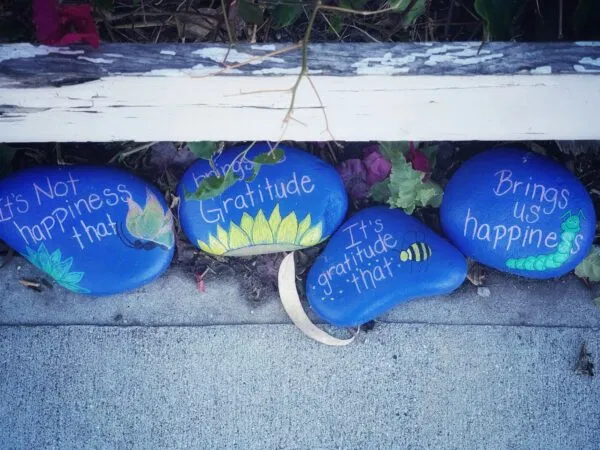

Gratitude is more than just a fleeting feeling; it is a powerful practice that can transform our daily lives. When we consciously acknowledge the good things around us, we shift our focus from what we lack to what we have. This simple yet profound shift can create a ripple effect, influencing our thoughts, actions, and interactions.
By taking a moment each day to reflect on what we are thankful for, we cultivate a mindset that appreciates the present moment. This practice can be as simple as jotting down three things we are grateful for each morning or sharing our appreciation with those around us. Incorporating gratitude into our daily routines can lead to a more positive outlook on life.
It encourages us to notice the small joys that often go unnoticed—the warmth of the sun on our skin, the laughter of a friend, or the comfort of a cozy home. By recognizing these moments, we train our minds to seek out positivity, which can significantly enhance our overall quality of life. The power of gratitude lies in its ability to ground us, reminding us that even amidst challenges, there is always something to appreciate.
How Gratitude Enhances Mental and Emotional Well-being
The benefits of gratitude extend deeply into our mental and emotional well-being. Research has shown that individuals who regularly practice gratitude experience lower levels of stress and anxiety. When we focus on what we are thankful for, we create a mental buffer against negative emotions.
This shift in perspective allows us to navigate life's challenges with greater ease and resilience. Instead of becoming overwhelmed by difficulties, we learn to view them through a lens of appreciation, recognizing the lessons they may bring. Moreover, gratitude fosters a sense of connection and belonging.
When we express appreciation for others, we strengthen our emotional bonds and create a supportive network. This sense of community is vital for our mental health, as it provides us with a safety net during tough times. By acknowledging the contributions of those around us, we not only uplift ourselves but also enhance the emotional well-being of others.
In this way, gratitude becomes a shared experience that enriches our lives collectively.
Gratitude as a Tool for Building Stronger Relationships

Gratitude is a powerful tool for nurturing and strengthening relationships. When we express appreciation to those we care about, we validate their efforts and reinforce our connections. A simple "thank you" can go a long way in making someone feel valued and recognized.
This acknowledgment fosters an environment of mutual respect and understanding, which is essential for healthy relationships. By regularly practicing gratitude within our interactions, we create a culture of appreciation that encourages open communication and trust. Furthermore, gratitude can help resolve conflicts and misunderstandings.
When tensions arise, taking a moment to reflect on what we appreciate about the other person can shift our perspective. Instead of focusing solely on grievances, we can remember the positive aspects of our relationship. This shift can pave the way for constructive dialogue and reconciliation.
By prioritizing gratitude in our relationships, we cultivate an atmosphere where love and support flourish, ultimately leading to deeper connections.
The Impact of Gratitude on Physical Health
The influence of gratitude extends beyond mental and emotional realms; it also has significant implications for our physical health. Studies have shown that individuals who practice gratitude regularly tend to engage in healthier behaviors. They are more likely to exercise, maintain a balanced diet, and prioritize self-care.
This connection between gratitude and physical health may stem from the positive mindset that gratitude fosters, encouraging individuals to take better care of themselves. Additionally, gratitude has been linked to improved sleep quality and reduced symptoms of illness. When we focus on positive aspects of our lives, we reduce stress levels, which can lead to better sleep patterns.
A good night's rest is crucial for overall health, as it allows our bodies to recover and rejuvenate. Furthermore, individuals who practice gratitude often report fewer physical ailments and a greater sense of vitality. By embracing gratitude as part of our daily lives, we not only enhance our mental well-being but also contribute to our physical health.
Gratitude as a Key to Overcoming Adversity
Life is filled with challenges and adversities that can leave us feeling defeated or overwhelmed. However, gratitude can serve as a powerful ally in navigating these difficult times. When faced with adversity, practicing gratitude allows us to find meaning in our struggles.
Instead of viewing challenges as insurmountable obstacles, we can reframe them as opportunities for growth and learning. This shift in perspective empowers us to approach difficulties with resilience and determination. Moreover, gratitude helps us maintain hope during tough times.
By focusing on what we are thankful for—even in the midst of hardship—we cultivate a sense of optimism that can propel us forward. This hopeful outlook enables us to envision a brighter future and motivates us to take proactive steps toward overcoming our challenges. In this way, gratitude becomes not just a response to adversity but a proactive strategy for resilience and personal growth.
Cultivating a Grateful Mindset in a Materialistic Society

In today's materialistic society, where consumerism often overshadows genuine appreciation for life's simple pleasures, cultivating a grateful mindset can be particularly challenging yet essential. The constant bombardment of advertisements and social media portrayals can lead us to believe that happiness is found in possessions rather than experiences or relationships. However, by consciously choosing to focus on gratitude, we can counteract these societal pressures and rediscover what truly matters.
To cultivate gratitude in such an environment, it is important to practice mindfulness and intentionality. Setting aside time each day to reflect on what we appreciate—whether it's the beauty of nature or the kindness of a stranger—can help ground us in the present moment. Additionally, surrounding ourselves with like-minded individuals who value gratitude can reinforce this mindset.
Engaging in conversations about appreciation and sharing experiences can create a supportive community that encourages us to prioritize gratitude over materialism.
Gratitude as a Source of Motivation and Resilience
Gratitude is not only about acknowledging what we have; it also serves as a powerful source of motivation and resilience. When we recognize the positive aspects of our lives, we cultivate an inner strength that propels us toward our goals. This sense of appreciation fuels our determination to overcome obstacles and pursue our passions with vigor.
By focusing on what inspires us rather than what holds us back, we create a mindset that embraces possibility. Moreover, gratitude fosters resilience by helping us maintain perspective during challenging times. When faced with setbacks or failures, reflecting on what we are grateful for allows us to see beyond the immediate difficulties.
This broader perspective helps us understand that setbacks are often temporary and that there are still reasons to be hopeful. By harnessing the power of gratitude as a source of motivation, we equip ourselves with the tools needed to navigate life's ups and downs with grace.
The Transformative Effects of Gratitude on Personal Growth and Fulfillment
Ultimately, embracing gratitude can lead to profound personal growth and fulfillment. As we cultivate a grateful mindset, we become more attuned to the richness of our experiences and the beauty of life itself. This heightened awareness allows us to appreciate not only the big milestones but also the small moments that bring joy and meaning to our lives.
Through this lens of appreciation, we unlock new levels of fulfillment that may have previously gone unnoticed. Furthermore, gratitude encourages us to step outside ourselves and contribute positively to the world around us. When we recognize the abundance in our lives, we are inspired to share that abundance with others—whether through acts of kindness or support for those in need.
This cycle of giving and receiving creates a sense of interconnectedness that enriches both our lives and the lives of others. In this way, gratitude becomes not just an individual practice but a collective force for positive change in the world. In conclusion, the power of gratitude is undeniable; it has the potential to transform every aspect of our lives—from mental well-being to physical health, relationships, resilience, and personal growth.
By consciously cultivating gratitude in our daily routines, we open ourselves up to a richer, more fulfilling existence that celebrates both the ordinary and extraordinary moments life has to offer.
In exploring the profound impact of gratitude on our well-being, it's interesting to consider how it intersects with various aspects of our lives. For instance, the article on wellness, Why Gratitude Fills the Gaps Nothing Else Can delves into the psychological benefits of practicing gratitude, highlighting how it can enhance our mental health and overall happiness. This connection emphasizes the importance of cultivating a grateful mindset as a vital component of a holistic approach to wellness.
FAQs
What is gratitude?
Gratitude is the quality of being thankful and showing appreciation for what one has or receives. It involves recognizing the positive aspects of life and expressing thanks.
How does gratitude impact mental health?
Gratitude has been shown to improve mental health by reducing stress, increasing happiness, and promoting a positive outlook. It can help fill emotional gaps that other coping mechanisms may not address.
Why is gratitude considered unique in filling emotional gaps?
Gratitude uniquely fills emotional gaps because it shifts focus from what is lacking to what is present and valuable. This perspective fosters contentment and resilience, which other emotions or practices may not provide as effectively.
Can practicing gratitude improve relationships?
Yes, practicing gratitude can strengthen relationships by encouraging appreciation and positive communication between individuals, leading to deeper connections and mutual respect.
How can one cultivate gratitude in daily life?
Gratitude can be cultivated through practices such as keeping a gratitude journal, regularly reflecting on things one is thankful for, expressing thanks to others, and mindfulness exercises focused on appreciation.
Is gratitude linked to physical health benefits?
Research suggests that gratitude may contribute to better physical health by improving sleep quality, reducing symptoms of illness, and encouraging healthier behaviors.
Does gratitude have a role in spiritual or philosophical traditions?
Yes, many spiritual and philosophical traditions emphasize gratitude as a fundamental practice for achieving inner peace, contentment, and a deeper connection to life or a higher power.
Can gratitude be learned or developed over time?
Gratitude is a skill that can be developed and strengthened through intentional practice and mindfulness, leading to lasting positive effects on well-being.
What distinguishes gratitude from other positive emotions?
Gratitude specifically involves recognition and appreciation of benefits received, often from external sources, whereas other positive emotions may arise from internal states or achievements.
Are there scientific studies supporting the benefits of gratitude?
Yes, numerous scientific studies in psychology and neuroscience have documented the benefits of gratitude on emotional well-being, social relationships, and overall life satisfaction.