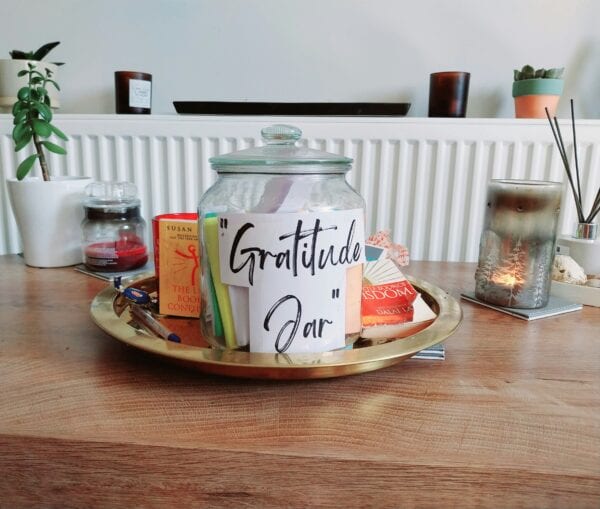

Gratitude is more than just a fleeting feeling; it’s a powerful lens through which we can view our lives. When we consciously choose to focus on what we appreciate, we begin to shift our perspective from scarcity to abundance. This shift is not merely a change in mood; it’s a transformation in how we perceive our circumstances and the world around us.
Imagine waking up each day and instead of dreading the tasks ahead, you find yourself reflecting on the small joys that await you. This simple act of gratitude can illuminate the path forward, making challenges seem less daunting and opportunities more visible. The beauty of gratitude lies in its ability to reframe our experiences.
When faced with adversity, it’s easy to get bogged down by negativity and despair. However, by practicing gratitude, we can find silver linings even in the darkest clouds. This doesn’t mean ignoring pain or hardship; rather, it’s about acknowledging that even in tough times, there are lessons to be learned and moments to cherish.
By embracing gratitude, we empower ourselves to see the world not just as it is, but as it could be—a place filled with potential and possibility.
How Gratitude Improves Mental and Emotional Well-being
The mental and emotional benefits of gratitude are profound and well-documented. Research shows that individuals who regularly practice gratitude experience lower levels of depression and anxiety. This is because gratitude encourages us to focus on the positive aspects of our lives, which can counteract the negative thought patterns that often plague us.
When we take time to reflect on what we are thankful for, we create a mental space that fosters resilience and optimism. It’s as if we are training our brains to seek out the good, rather than getting lost in the chaos of everyday life. Moreover, gratitude has a unique way of enhancing our emotional intelligence.
By recognizing and appreciating the contributions of others, we become more attuned to their feelings and experiences. This heightened awareness not only enriches our relationships but also cultivates empathy and compassion within ourselves. As we express gratitude, we create a positive feedback loop that reinforces our emotional well-being.
The more we practice gratitude, the more adept we become at navigating our emotions and those of others, leading to a more fulfilling life.
The Impact of Gratitude on Physical Health

While the mental and emotional benefits of gratitude are widely acknowledged, its impact on physical health is equally significant. Studies have shown that individuals who regularly express gratitude tend to have better sleep patterns, lower blood pressure, and even stronger immune systems. This connection between gratitude and physical health can be attributed to the reduction of stress that comes from a grateful mindset.
When we focus on what we appreciate, our bodies respond by releasing feel-good hormones like oxytocin and serotonin, which can enhance our overall well-being. Additionally, gratitude encourages healthier lifestyle choices. Grateful individuals are more likely to engage in regular exercise, maintain a balanced diet, and prioritize self-care.
This proactive approach to health stems from a mindset that values well-being and recognizes the importance of nurturing both body and spirit. By cultivating gratitude, we not only improve our mental state but also lay the groundwork for a healthier physical existence. It’s a holistic approach that underscores the interconnectedness of mind, body, and spirit.
Gratitude as a Tool for Building Stronger Relationships
At its core, gratitude is a relational practice. When we express appreciation for others, we strengthen the bonds that connect us. Whether it’s a simple thank-you note or a heartfelt conversation, acknowledging the efforts of those around us fosters trust and deepens relationships.
Gratitude acts as a glue that holds relationships together, creating an environment where individuals feel valued and understood. In both personal and professional settings, this sense of appreciation can lead to increased collaboration and harmony. Moreover, expressing gratitude can transform the dynamics of any relationship.
When we take the time to recognize the contributions of others, we create a culture of positivity that encourages open communication and mutual respect. This is particularly important in workplaces where collaboration is key to success. By fostering an atmosphere of gratitude, teams can work more effectively together, leading to enhanced creativity and productivity.
Ultimately, gratitude serves as a catalyst for building stronger connections that enrich our lives.
Gratitude's Role in Achieving Personal and Professional Success
Gratitude is not just a feel-good emotion; it’s a strategic tool for achieving success in both personal and professional realms. When we cultivate an attitude of gratitude, we become more resilient in the face of setbacks. This resilience is crucial for navigating the ups and downs of life and career.
Grateful individuals are more likely to view challenges as opportunities for growth rather than insurmountable obstacles. This mindset shift can lead to greater innovation and problem-solving abilities—key components of success. In the professional world, leaders who practice gratitude inspire their teams to do the same.
A culture of appreciation fosters loyalty and motivation among employees, leading to higher levels of engagement and productivity. When team members feel valued for their contributions, they are more likely to go above and beyond in their roles. This creates a ripple effect that can elevate an entire organization’s performance.
By integrating gratitude into our daily practices, we not only enhance our own success but also contribute to the success of those around us.
Cultivating a Gratitude Practice: Tips and Techniques

Cultivating a gratitude practice doesn’t have to be complicated; it can be as simple as incorporating small rituals into your daily routine. One effective technique is keeping a gratitude journal where you jot down three things you’re thankful for each day. This practice encourages reflection and helps you focus on the positive aspects of your life, no matter how small they may seem.
Over time, this simple act can transform your mindset and enhance your overall outlook. Another powerful technique is expressing gratitude directly to others. Whether through handwritten notes or verbal acknowledgments, taking the time to thank someone can deepen your connection with them while reinforcing your own sense of appreciation.
Additionally, consider setting aside time each week for a gratitude reflection session where you review your week and identify moments of appreciation. By making gratitude a regular part of your life, you’ll find it becomes easier to recognize the abundance around you.
Overcoming Challenges and Adversity Through Gratitude
Life is filled with challenges that can leave us feeling overwhelmed or defeated. However, practicing gratitude can serve as a powerful tool for overcoming adversity. When faced with difficult situations, taking a moment to reflect on what you’re grateful for can provide perspective and clarity.
It allows you to step back from the chaos and recognize that even in hardship, there are lessons to be learned or support systems in place that can help you navigate through tough times. Moreover, gratitude fosters resilience by encouraging us to focus on solutions rather than problems. When we acknowledge what we appreciate—even during challenging moments—we empower ourselves to take proactive steps toward improvement.
This shift in focus can lead to creative problem-solving and renewed motivation to push through obstacles. By embracing gratitude as a guiding principle during tough times, we cultivate strength and perseverance that can carry us through life’s inevitable ups and downs.
The Ripple Effect of Gratitude in Creating a Better World
The impact of gratitude extends far beyond individual lives; it has the potential to create a ripple effect that transforms communities and society as a whole. When individuals practice gratitude, they inspire those around them to do the same. This collective shift toward appreciation fosters an environment where kindness flourishes and compassion becomes the norm.
Imagine a world where people actively seek out opportunities to express gratitude—this could lead to stronger communities built on trust and mutual respect. Furthermore, gratitude has the power to bridge divides and foster understanding among diverse groups. By recognizing the contributions of others—regardless of background or beliefs—we create spaces for dialogue and connection.
In times of division or conflict, practicing gratitude can serve as a reminder of our shared humanity and common goals. As we cultivate gratitude within ourselves and encourage it in others, we contribute to building a better world—one where appreciation reigns supreme and kindness prevails over indifference. In conclusion, embracing gratitude is not just an individual endeavor; it’s a collective journey toward creating a more compassionate world.
By recognizing its power in shifting perspectives, improving well-being, enhancing relationships, achieving success, overcoming adversity, and inspiring positive change, we unlock the potential for transformation within ourselves and those around us. Let us commit to cultivating gratitude in our lives—because when we do, we not only enrich our own experiences but also contribute to a brighter future for all.
In exploring the transformative power of gratitude, you may find it beneficial to read the article on the impact of mindfulness in daily life. This article complements the insights shared in "Why Gratitude Is the Shortcut to a Better Life" by highlighting how mindfulness practices can enhance our appreciation for the present moment. For more information, check out the article [here](https://articles.livetastic.com/2024/07/26/white-and-brown-wooden-chairs-near-table/).
FAQs
What is gratitude?
Gratitude is the practice of recognizing and appreciating the positive aspects of life, including people, experiences, and things. It involves acknowledging the good and expressing thankfulness.
How does gratitude improve mental health?
Gratitude has been shown to reduce stress, anxiety, and depression by promoting positive thinking and emotional resilience. It helps shift focus away from negative thoughts and fosters a more optimistic outlook.
Can practicing gratitude enhance relationships?
Yes, expressing gratitude can strengthen relationships by increasing feelings of connection, trust, and mutual appreciation. It encourages positive communication and reduces conflicts.
Is gratitude linked to physical health benefits?
Research suggests that gratitude can lead to better sleep, lower blood pressure, and a stronger immune system. These benefits are often attributed to reduced stress and improved emotional well-being.
How can someone practice gratitude daily?
Common methods include keeping a gratitude journal, regularly expressing thanks to others, reflecting on positive experiences, and mindfulness exercises focused on appreciation.
Does gratitude have an impact on overall life satisfaction?
Yes, individuals who regularly practice gratitude tend to report higher levels of happiness and life satisfaction. Gratitude helps people focus on what they have rather than what they lack.
Is gratitude effective for all age groups?
Gratitude practices can benefit people of all ages, from children to older adults, by promoting emotional well-being and social connectedness.
Can gratitude be considered a shortcut to a better life?
Gratitude is often described as a shortcut because it is a simple, accessible practice that can quickly improve mood, relationships, and overall quality of life without requiring major life changes.