
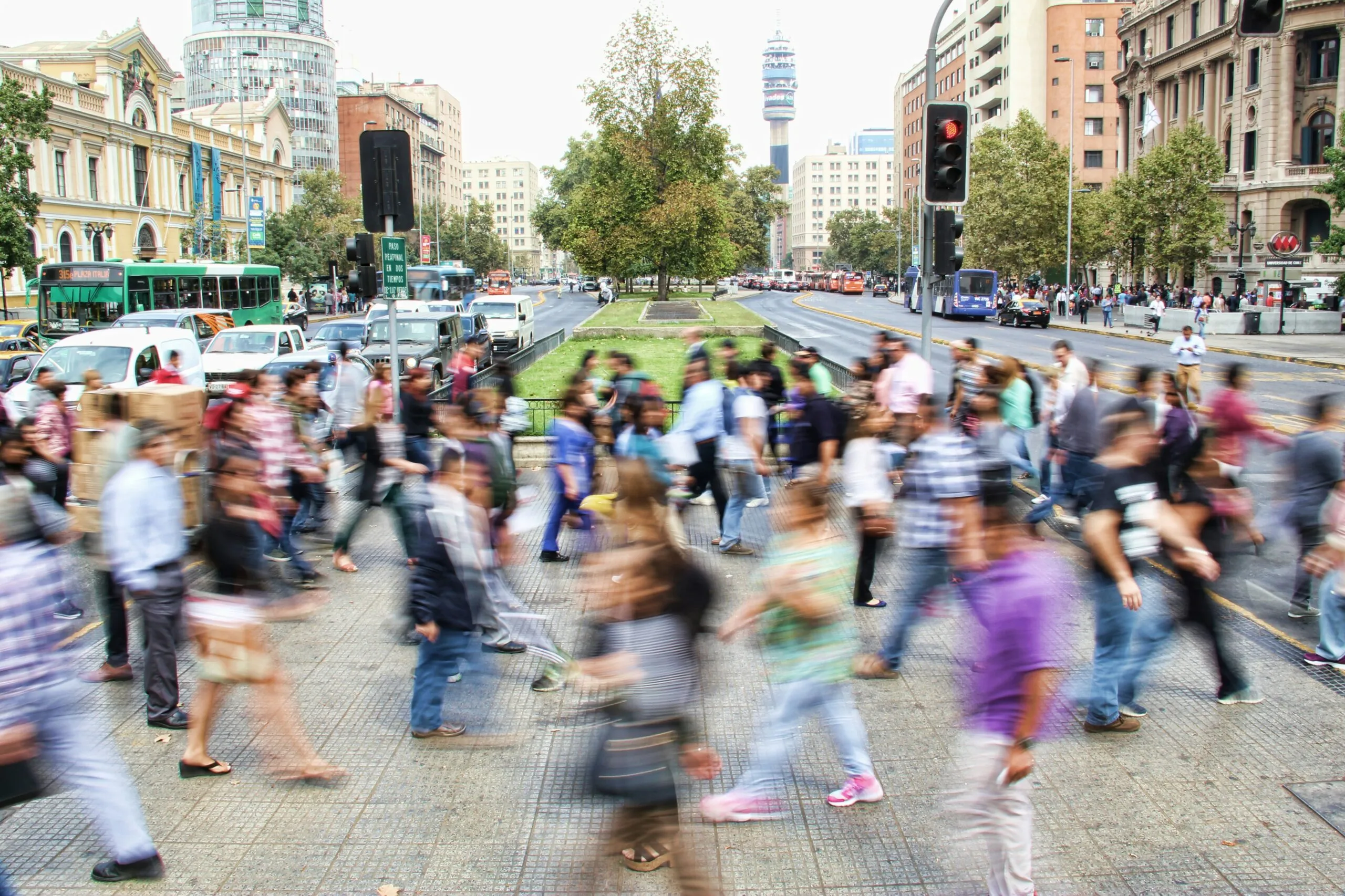
In our fast-paced world, the term "busy" has become a badge of honor. We often equate busyness with productivity, success, and even self-worth. The more packed our schedules, the more we feel we are achieving.
However, this relentless pursuit of activity can obscure the true essence of living. Being busy often means filling our days with tasks, meetings, and obligations, leaving little room for reflection or genuine connection. It’s as if we’re running on a treadmill, expending energy but not really going anywhere.
Yet, beneath this veneer of productivity lies a deeper question: Are we truly living, or are we merely existing? The concept of being busy can sometimes mask our inability to engage with life meaningfully. We rush from one task to another, often losing sight of what truly matters.
In this whirlwind of activity, we may forget to pause and consider our purpose, our passions, and the relationships that enrich our lives. Understanding this distinction is the first step toward reclaiming our time and energy for what genuinely brings us joy.
The impact of being busy on mental and physical health
The consequences of a busy lifestyle extend far beyond mere exhaustion; they seep into our mental and physical well-being. Chronic busyness can lead to heightened stress levels, anxiety, and even depression. When we are constantly on the go, our bodies produce stress hormones like cortisol, which can wreak havoc on our health.
This relentless cycle of busyness can result in sleep disturbances, weakened immune systems, and a host of other health issues. It’s a vicious cycle: the busier we are, the more stressed we become, and the less capable we are of managing our health. Moreover, the mental toll of being busy can be profound.
When we fill our lives with endless tasks, we often neglect self-care and personal reflection. This can lead to feelings of burnout and disconnection from ourselves and others. We may find ourselves going through the motions without truly engaging in life.
The irony is that in our quest to accomplish more, we often end up achieving less in terms of personal fulfillment and happiness. Recognizing the impact of busyness on our health is crucial for making meaningful changes that prioritize well-being over mere activity.
Identifying the signs of being alive

So how do we know when we are truly alive? The signs are often subtle yet profound. Being alive means feeling a sense of connection—both to ourselves and to those around us.
It’s about experiencing joy in the little moments: the warmth of sunlight on your skin, the laughter shared with friends, or the satisfaction of pursuing a passion. When we are alive, we are present in our experiences rather than merely going through the motions. We find ourselves savoring meals instead of rushing through them and engaging in conversations rather than multitasking.
Another sign of being alive is a sense of purpose. When we are aligned with our values and passions, life takes on a richer meaning. We feel motivated to pursue goals that resonate with who we are at our core.
This sense of purpose fuels our energy and creativity, allowing us to engage fully with life’s possibilities. In contrast to busyness, which often feels like a series of obligations, being alive is characterized by intentionality and joy. It’s about embracing each moment as an opportunity for growth and connection.
The benefits of living a fulfilling and meaningful life
Living a fulfilling and meaningful life offers a wealth of benefits that extend beyond personal satisfaction. When we prioritize what truly matters to us—our relationships, passions, and values—we cultivate a sense of well-being that permeates every aspect of our lives. This fulfillment often translates into improved mental health, as we experience less stress and anxiety when we engage in activities that resonate with us.
Our emotional resilience strengthens, allowing us to navigate life’s challenges with greater ease. Moreover, a meaningful life fosters deeper connections with others. When we invest time in relationships that matter, we create a support system that enriches our experiences.
These connections provide us with love, encouragement, and understanding—elements that are essential for a thriving life. As we engage more authentically with ourselves and those around us, we create a ripple effect that inspires others to seek their own fulfillment. In this way, living meaningfully not only enhances our own lives but also contributes positively to the lives of those we touch.
Strategies for transitioning from being busy to being alive
Transitioning from a state of busyness to one of aliveness requires intentional effort and reflection. One effective strategy is to conduct a time audit—an honest assessment of how you spend your days. By tracking your activities for a week or two, you can identify patterns that reveal where your time is being consumed by obligations rather than passions.
This awareness is the first step toward reclaiming your time for what truly matters. Another powerful strategy is to set boundaries around your time and energy. This might mean saying no to commitments that don’t align with your values or prioritizing self-care activities that nourish your spirit.
It’s essential to carve out space in your schedule for reflection and connection—whether that’s through journaling, meditation, or simply spending time in nature. By making these intentional choices, you create opportunities for aliveness to flourish in your daily life.
Cultivating mindfulness and presence in everyday life

Mindfulness is a powerful tool for cultivating presence in our lives. It invites us to engage fully with each moment rather than getting lost in thoughts about the past or future. Practicing mindfulness can be as simple as taking a few deep breaths before starting your day or pausing to appreciate the beauty around you during a walk.
These small acts can ground you in the present moment and help you reconnect with what it means to be alive. Incorporating mindfulness into daily routines can also enhance your overall well-being. For instance, when eating meals, try to savor each bite rather than rushing through your food.
Engage your senses—notice the flavors, textures, and aromas—and allow yourself to fully experience the nourishment you’re providing your body. By bringing mindfulness into everyday activities, you cultivate a deeper appreciation for life’s simple pleasures and foster a sense of aliveness that transcends busyness.
The importance of balance and prioritization
Finding balance in life is essential for nurturing both productivity and fulfillment. It’s easy to get caught up in the demands of work or family obligations, but prioritizing what truly matters is key to living meaningfully. This might involve reassessing your commitments and determining which ones align with your values and goals.
By prioritizing activities that bring you joy and fulfillment, you create space for aliveness to thrive. Additionally, balance involves recognizing when it’s time to rest and recharge. In our culture that glorifies busyness, taking time for self-care can feel indulgent or unnecessary.
However, rest is not only vital for physical health but also for mental clarity and emotional resilience. By allowing yourself moments of downtime—whether through hobbies, relaxation techniques, or simply enjoying quiet moments—you create a foundation for a more balanced life that honors both productivity and personal well-being.
Embracing the joy and beauty of being alive
Ultimately, embracing the joy and beauty of being alive is about shifting our perspective from one of obligation to one of appreciation. Life is filled with moments that invite us to experience wonder—whether it’s watching a sunset, sharing laughter with loved ones, or pursuing a passion that ignites our spirit. By cultivating gratitude for these experiences, we open ourselves up to the richness of life beyond mere busyness.
As we learn to embrace this joy, we inspire others to do the same. Our journey toward aliveness becomes not just a personal endeavor but a collective movement toward deeper connection and fulfillment. In celebrating the beauty of being alive, we create a ripple effect that encourages those around us to seek their own paths toward meaning and purpose.
In this way, embracing life becomes an act of love—not just for ourselves but for everyone whose lives we touch along the way.
In exploring the nuances of existence, the article "The Difference Between Being Busy and Being Alive" resonates deeply with the themes presented in the piece about the emotional connection captured in photography. You can delve into this connection further by reading the article on the significance of imagery in our lives, which can be found here. This exploration highlights how moments of stillness and reflection, often overshadowed by our busy lives, can lead to a more profound sense of being truly alive.
FAQs
What is the main difference between being busy and being alive?
Being busy typically refers to having a lot of tasks or activities to complete, often leading to stress or a feeling of overwhelm. Being alive, on the other hand, emphasizes experiencing life fully, engaging meaningfully with the present moment, and prioritizing well-being and personal fulfillment.
Why is it important to distinguish between being busy and being alive?
Distinguishing between the two helps individuals avoid burnout, improve mental health, and focus on what truly matters. It encourages people to balance productivity with mindfulness and meaningful experiences rather than just filling time with activities.
Can being busy negatively impact mental health?
Yes, constantly being busy without breaks or meaningful engagement can lead to stress, anxiety, and burnout. It may reduce overall life satisfaction and hinder emotional well-being.
How can someone shift from just being busy to truly being alive?
Shifting focus involves prioritizing activities that bring joy and fulfillment, practicing mindfulness, setting boundaries to avoid overcommitment, and making time for rest and reflection.
Is being busy always a bad thing?
Not necessarily. Being busy can be productive and fulfilling if it aligns with personal goals and values. The key is to maintain balance and ensure that busyness does not overshadow the quality of life.
What role does mindfulness play in being alive?
Mindfulness helps individuals stay present and fully engage with their experiences, which enhances the feeling of being alive. It promotes awareness, reduces stress, and fosters a deeper connection with oneself and others.
How can one measure if they are truly living rather than just being busy?
Indicators include a sense of purpose, emotional well-being, meaningful relationships, time for self-care, and the ability to enjoy the present moment rather than feeling constantly rushed or overwhelmed.