
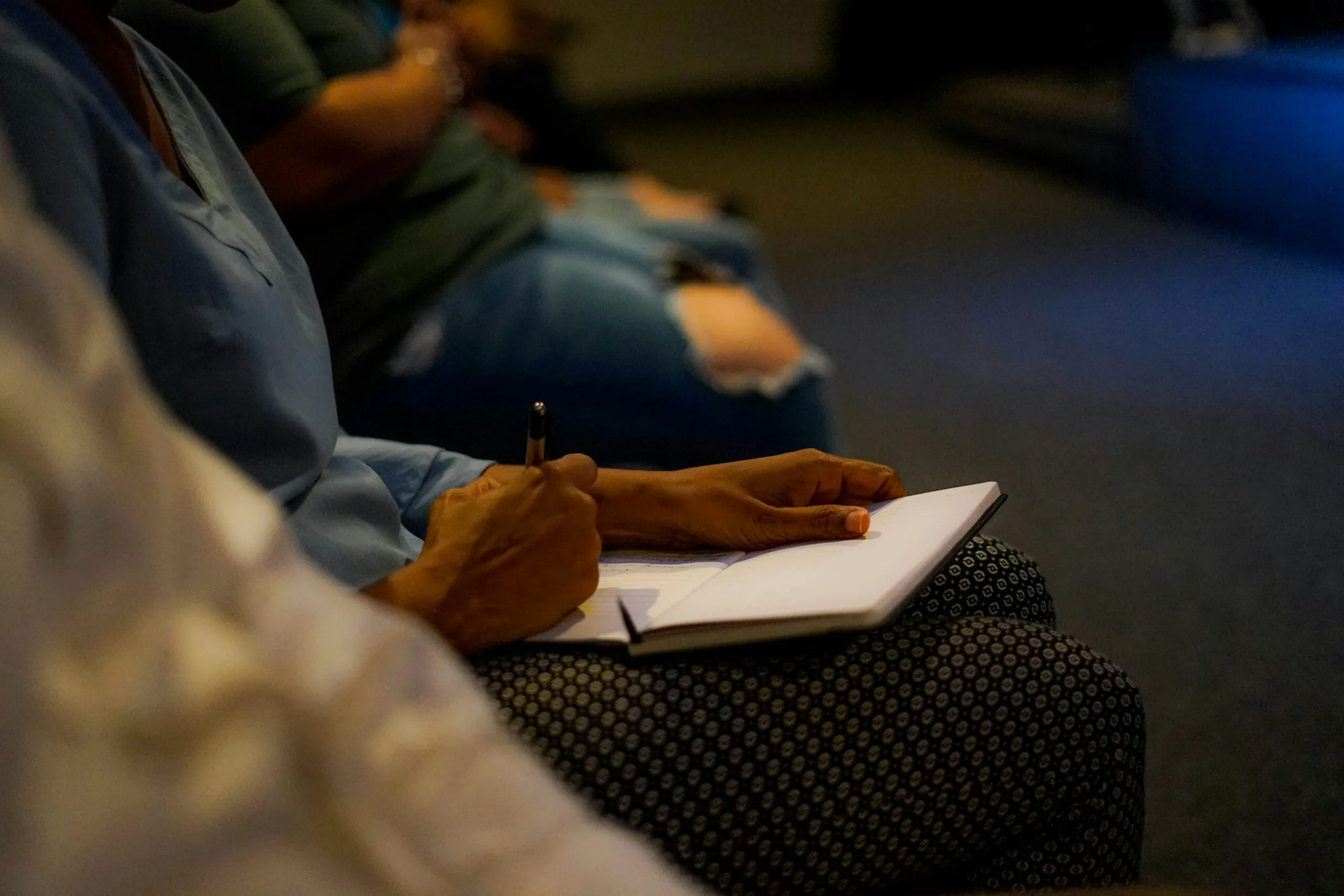
Life is a tapestry woven with both vibrant and dark threads, and it is often the darker threads that shape us most profoundly. Reflecting on difficult experiences is not merely an exercise in nostalgia; it is a crucial step in understanding who we are and how we navigate the world. When we take the time to look back on our struggles, we begin to unravel the complexities of our emotions and reactions.
This reflection allows us to gain clarity about our values, beliefs, and the motivations that drive us. It is through this lens of introspection that we can identify patterns in our behavior and recognize how past challenges have influenced our present selves. Moreover, reflecting on difficult experiences can serve as a powerful catalyst for change.
It encourages us to confront uncomfortable truths about ourselves and our circumstances. By acknowledging the pain and discomfort associated with these experiences, we create space for healing and growth. This process can be transformative, as it empowers us to take ownership of our narratives rather than allowing them to define us.
In essence, reflection is not just about looking back; it is about forging a path forward with greater wisdom and resilience.
Identifying the lessons and growth opportunities in challenging situations
Every challenge we face carries within it a lesson waiting to be uncovered. Identifying these lessons requires a willingness to dig deep and examine the intricacies of our experiences. Often, we find that the most profound insights emerge from our most difficult moments.
For instance, a setback in our career may reveal our true passions or highlight areas where we need to develop new skills. By reframing our perspective, we can view obstacles as opportunities for growth rather than insurmountable barriers. In addition to personal insights, challenging situations can also illuminate the strengths we possess that we may not have recognized before.
Perhaps a difficult relationship taught us the importance of setting boundaries, or a financial struggle revealed our resourcefulness and creativity. By actively seeking out these lessons, we cultivate a mindset that embraces growth and resilience. This proactive approach not only enhances our ability to navigate future challenges but also enriches our overall life experience, allowing us to emerge stronger and more self-aware.
Developing resilience and coping strategies to navigate tough times

Resilience is often described as the ability to bounce back from adversity, but it is much more than that. It is a skill that can be cultivated through intentional practice and self-awareness. Developing resilience involves equipping ourselves with coping strategies that enable us to manage stress and navigate tough times effectively.
One effective strategy is to establish a routine that incorporates self-care practices, such as exercise, mindfulness, or creative outlets. These activities not only provide an escape from stress but also foster a sense of control and stability in our lives. Another essential aspect of resilience is maintaining a positive mindset.
This does not mean ignoring the reality of our struggles; rather, it involves consciously choosing to focus on solutions rather than problems. By reframing negative thoughts and embracing a growth-oriented perspective, we can transform our approach to challenges. Additionally, practicing gratitude can significantly enhance our resilience.
By acknowledging the positive aspects of our lives—even amidst difficulties—we cultivate an inner strength that empowers us to face adversity with courage and determination.
Seeking support and guidance from others during challenging moments
No one is an island, and during challenging moments, seeking support from others can be a lifeline. It is essential to recognize that vulnerability is not a weakness; rather, it is an integral part of the human experience. Sharing our struggles with trusted friends, family members, or mentors can provide us with fresh perspectives and invaluable insights.
These connections remind us that we are not alone in our challenges and that others have faced similar trials. Moreover, seeking guidance from those who have navigated similar paths can be incredibly beneficial. Whether through formal mentorship or informal conversations, learning from others’ experiences can illuminate potential solutions and strategies we may not have considered.
This exchange of wisdom fosters a sense of community and belonging, reinforcing the idea that we are all in this together. Ultimately, reaching out for support not only aids in our healing process but also strengthens our relationships with those around us.
Embracing vulnerability and using it as a tool for learning and growth
Vulnerability often carries a stigma; it is frequently perceived as a sign of weakness or inadequacy. However, embracing vulnerability can be one of the most powerful tools for personal growth. When we allow ourselves to be vulnerable, we open the door to authentic connections with others and create opportunities for deeper understanding of ourselves.
Sharing our fears, insecurities, and struggles fosters empathy and compassion—not only from others but also within ourselves. By viewing vulnerability as a strength rather than a liability, we can transform our relationship with failure and disappointment. Each time we confront our fears head-on, we gain valuable insights into our motivations and desires.
This process encourages us to take risks and step outside our comfort zones, ultimately leading to personal development. Embracing vulnerability allows us to learn from our experiences rather than shy away from them, paving the way for growth and resilience.
Cultivating self-compassion and forgiveness in the face of adversity

In times of adversity, it is easy to fall into the trap of self-criticism and blame. However, cultivating self-compassion is essential for navigating difficult moments with grace and understanding. Self-compassion involves treating ourselves with the same kindness and empathy that we would offer a friend facing similar challenges.
It encourages us to acknowledge our pain without judgment and recognize that suffering is a universal human experience. Forgiveness plays a crucial role in this process as well—both forgiving ourselves for perceived shortcomings and extending forgiveness to others who may have contributed to our struggles. Holding onto resentment or guilt only serves to weigh us down further.
By practicing forgiveness, we free ourselves from the shackles of negativity and create space for healing and growth. This journey toward self-compassion and forgiveness empowers us to move forward with renewed strength and resilience.
Creating a plan for implementing the lessons learned from difficult experiences
Once we have reflected on our difficult experiences and identified valuable lessons, it is essential to create a plan for implementing these insights into our lives moving forward. This plan should be actionable and realistic, outlining specific steps we can take to apply what we have learned. For instance, if a challenging experience highlighted the need for better communication skills, we might set goals for practicing active listening or seeking feedback from others.
Additionally, accountability plays a vital role in ensuring that we follow through on our plans. Sharing our goals with trusted friends or mentors can provide an extra layer of motivation and support as we work toward personal growth. Regularly revisiting our plan allows us to assess our progress and make adjustments as needed.
By actively engaging with the lessons learned from difficult experiences, we empower ourselves to create meaningful change in our lives.
Using difficult moments as motivation for personal and professional development
Difficult moments can serve as powerful motivators for personal and professional development when approached with the right mindset. Instead of allowing setbacks to define us or deter us from pursuing our goals, we can use these experiences as fuel for growth. Each challenge presents an opportunity to reassess our priorities, refine our skills, and deepen our understanding of ourselves.
In the professional realm, overcoming adversity can lead to increased resilience and adaptability—qualities that are highly valued in today’s ever-changing landscape. By embracing challenges as stepping stones rather than stumbling blocks, we position ourselves for success in both our personal lives and careers. Ultimately, it is through navigating difficult moments that we discover our true potential and emerge stronger than before.
In conclusion, reflecting on difficult experiences is not just about revisiting pain; it is about harnessing that pain for growth and transformation. By identifying lessons learned, developing resilience, seeking support, embracing vulnerability, cultivating self-compassion, creating actionable plans, and using challenges as motivation, we can turn adversity into opportunity. Life’s challenges are inevitable; how we respond to them defines who we are and shapes the trajectory of our journey ahead.
In the journey of personal growth, learning from our hardest moments can be transformative. For those seeking to enhance their resilience and well-being, exploring related topics can provide valuable insights. One such article that complements the theme of overcoming challenges is the White and Brown Wooden Chairs Near Table, which discusses creating a balanced and harmonious environment that can support mental clarity and emotional strength during tough times.
FAQs
What does it mean to learn from your hardest moments?
Learning from your hardest moments means reflecting on difficult experiences to gain insights, develop resilience, and improve your future responses to challenges.
Why is it important to learn from difficult experiences?
It is important because difficult experiences often provide valuable lessons that can foster personal growth, enhance problem-solving skills, and build emotional strength.
How can I start learning from my hardest moments?
You can start by acknowledging the experience, reflecting on what happened, identifying what you can control, and considering what lessons or changes you can apply moving forward.
What are some effective ways to reflect on challenging experiences?
Effective ways include journaling, talking with trusted friends or mentors, practicing mindfulness, and asking yourself questions about what you learned and how you can improve.
Can learning from hard moments improve mental health?
Yes, learning from hard moments can improve mental health by helping you process emotions, reduce stress, and build coping strategies for future difficulties.
How long does it typically take to learn from a difficult experience?
The time varies depending on the individual and the situation; some lessons may be immediate, while others require ongoing reflection and time to fully understand.
Is it possible to learn from every difficult experience?
While not every experience will yield clear lessons, most difficult moments offer some opportunity for growth if approached with openness and reflection.
What role does resilience play in learning from hard moments?
Resilience helps you recover from setbacks and maintain a positive outlook, making it easier to extract lessons and move forward after difficult experiences.
Can professional help assist in learning from hard moments?
Yes, therapists, counselors, and coaches can provide guidance and support to help you process experiences and develop strategies for growth.
How can I apply what I learn from hard moments to future challenges?
You can apply lessons by adjusting your mindset, changing behaviors, setting new goals, and using coping techniques learned from past experiences to handle future difficulties more effectively.