
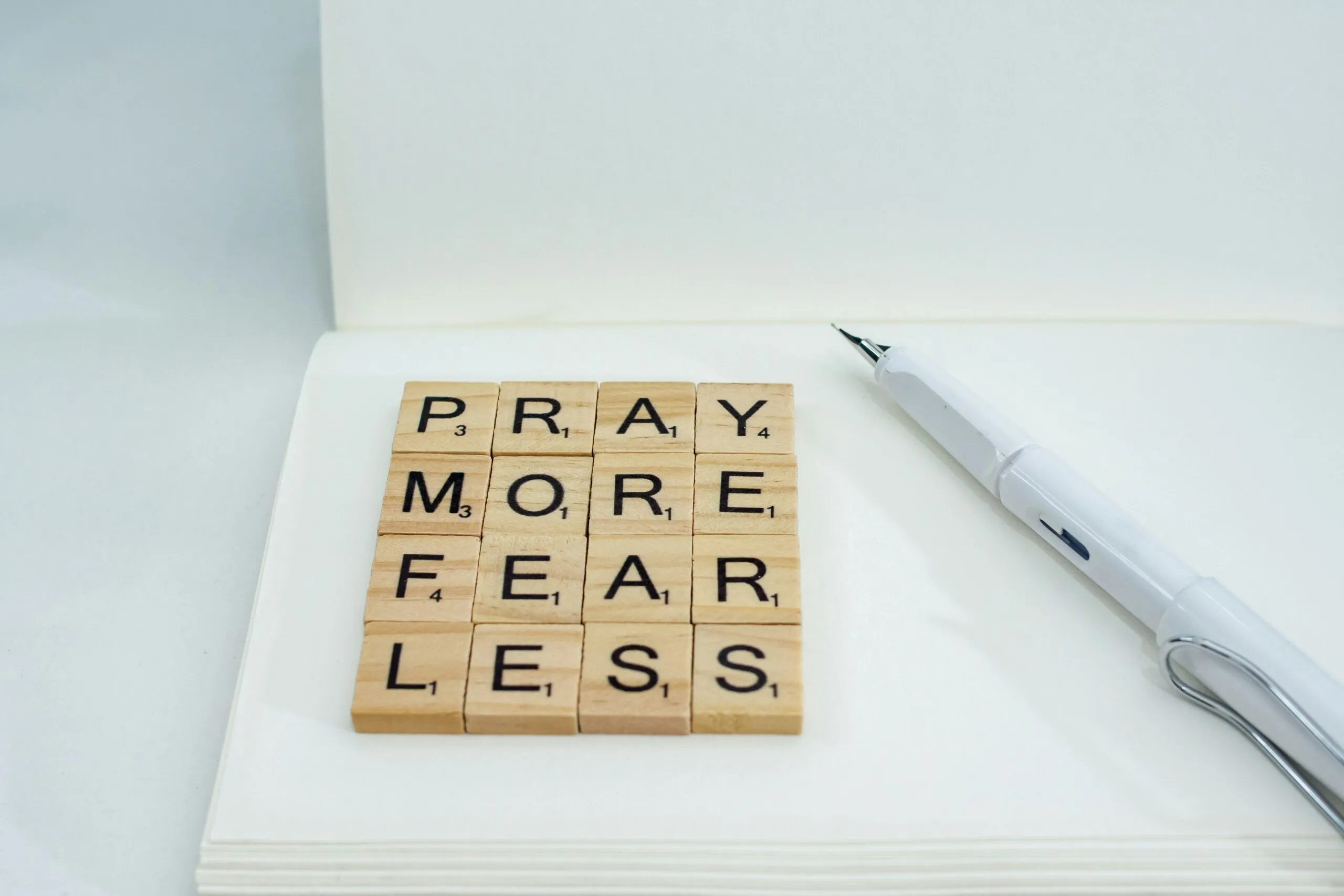
As we navigate through life, we often find ourselves standing at the crossroads of fear and faith. Fear, that instinctual response to perceived threats, can grip us tightly, paralyzing our ability to move forward. It whispers doubts into our minds, convincing us that we are not enough or that the risks we take will lead to failure.
On the other hand, faith serves as a beacon of hope, urging us to trust in possibilities beyond our immediate understanding. It invites us to step into the unknown with courage, believing that there is a greater purpose at play. In our journey of self-discovery, we realize that fear and faith are not mutually exclusive; rather, they coexist within us.
We often find ourselves wrestling with these two forces, each vying for our attention and allegiance. Understanding this dynamic is crucial. When we acknowledge our fears without letting them dictate our actions, we create space for faith to flourish.
It’s in this delicate balance that we can begin to transform our lives, using fear as a catalyst for growth rather than a barrier to our dreams.
Recognizing the Impact of Fear on Your Life
Fear has a profound impact on our lives, often manifesting in ways we may not immediately recognize. It can shape our decisions, influence our relationships, and even dictate our career paths. When we allow fear to take the wheel, we may find ourselves avoiding opportunities that could lead to personal or professional growth.
We might shy away from speaking up in meetings, pursuing new relationships, or even taking that leap of faith into a new venture. The irony is that while fear seeks to protect us from potential harm, it can also confine us within the walls of our comfort zones. As we reflect on our experiences, we begin to see how fear has held us back from living fully.
We might recall moments when we hesitated to share our ideas or when we let self-doubt overshadow our talents. These instances serve as reminders of the power fear holds over us. However, recognizing its impact is the first step toward reclaiming our narrative.
By shining a light on the areas where fear has taken root, we can start to dismantle its hold and pave the way for a more empowered existence.
Identifying the Role of Faith in Overcoming Fear

Faith plays a pivotal role in overcoming fear; it acts as a counterbalance to the anxieties that threaten to overwhelm us. When we cultivate faith—whether in ourselves, in others, or in a higher purpose—we create a foundation upon which we can build resilience. This faith encourages us to take risks and embrace uncertainty, reminding us that growth often lies just beyond the edge of our comfort zones.
It’s this belief in something greater than ourselves that propels us forward, even when the path ahead seems daunting. In moments of doubt, we can draw strength from our faith. It serves as a reminder that we are not alone in our struggles; there is a community of support around us, and there are lessons to be learned from every experience.
By leaning into our faith, we can transform fear from a paralyzing force into a motivating one. We begin to see challenges as opportunities for growth rather than insurmountable obstacles. This shift in perspective allows us to approach life with a sense of curiosity and adventure, rather than trepidation.
Developing a Positive Mindset and Belief in Yourself
Developing a positive mindset is essential for overcoming fear and embracing faith. It requires intentional effort and practice but can lead to profound changes in how we perceive ourselves and the world around us. When we cultivate positivity, we begin to challenge the negative narratives that fear often feeds us.
We learn to replace self-criticism with self-compassion and doubt with confidence. This shift not only enhances our mental well-being but also empowers us to take bold steps toward our goals. Believing in ourselves is a crucial component of this process.
We must recognize our strengths and acknowledge our achievements, no matter how small they may seem. By celebrating our successes and learning from our failures, we build a reservoir of self-belief that can sustain us through challenging times. As we reinforce this belief in ourselves, we become more resilient in the face of fear.
We start to see ourselves as capable individuals who can navigate life’s uncertainties with grace and determination.
Embracing Gratitude and Positivity
Gratitude is a powerful antidote to fear; it shifts our focus from what we lack to what we have. When we practice gratitude regularly, we train our minds to recognize the abundance in our lives rather than fixating on scarcity or potential threats. This shift in perspective fosters a sense of contentment and joy that can help mitigate feelings of fear and anxiety.
By embracing gratitude, we create a mental environment where faith can thrive. Incorporating gratitude into our daily routines can be as simple as keeping a journal or taking a moment each day to reflect on what we appreciate. As we cultivate this habit, we begin to notice the positive aspects of our lives that may have previously gone unnoticed.
This practice not only enhances our overall well-being but also strengthens our resilience against fear. When challenges arise, gratitude serves as a reminder of the support and resources available to us, empowering us to face adversity with courage.
Practicing Mindfulness and Meditation

Mindfulness and meditation are invaluable tools for managing fear and nurturing faith. These practices encourage us to stay present in the moment rather than getting lost in worries about the future or regrets about the past. By grounding ourselves in the here and now, we can observe our thoughts and feelings without judgment, creating space for clarity and understanding.
This awareness allows us to recognize when fear is creeping in and gives us the opportunity to respond with intention rather than react impulsively. Through mindfulness and meditation, we learn to cultivate a sense of inner peace that can help counteract the chaos of fear. As we develop this practice, we become more attuned to our emotions and better equipped to navigate life’s challenges.
We discover that fear does not have to control us; instead, it can coexist with mindfulness as we learn to acknowledge it without letting it dictate our actions. This balance fosters resilience and empowers us to approach life with an open heart and mind.
Seeking Support and Guidance from Others
We are not meant to navigate life’s challenges alone; seeking support from others is essential for overcoming fear and fostering faith. Whether it’s friends, family, mentors, or support groups, surrounding ourselves with individuals who uplift and encourage us can make all the difference. These connections provide a sense of belonging and remind us that we are not alone in our struggles.
When we share our fears with others, we often find that they resonate with similar experiences, creating an opportunity for empathy and understanding. In addition to emotional support, seeking guidance from those who have walked similar paths can offer valuable insights and strategies for overcoming fear. Learning from others’ experiences can inspire us to take action and remind us that growth is possible even in the face of adversity.
By opening ourselves up to support and guidance, we create a network of encouragement that bolsters our faith and empowers us to step boldly into the unknown.
Taking Action and Stepping Out of Your Comfort Zone
Ultimately, overcoming fear requires action; it demands that we step out of our comfort zones and embrace the unknown with courage. While it’s natural to feel apprehensive about taking risks, it’s important to remember that growth often lies just beyond those boundaries. Each small step we take outside of our comfort zones builds confidence and reinforces our belief in ourselves.
As we challenge ourselves to try new things—whether it’s pursuing a new hobby, speaking up in meetings, or embarking on a new career path—we expand our horizons and discover new facets of who we are. Taking action also reinforces the role of faith in our lives. With each step forward, we learn to trust ourselves more deeply and recognize that we are capable of navigating whatever challenges come our way.
The journey may be fraught with uncertainty, but it is also filled with opportunities for growth and transformation. By embracing action as a means of overcoming fear, we empower ourselves to live authentically and pursue the lives we truly desire. In conclusion, understanding fear and faith is essential for personal growth and fulfillment.
By recognizing the impact of fear on our lives, identifying the role of faith in overcoming it, developing a positive mindset, embracing gratitude, practicing mindfulness, seeking support from others, and taking action outside of our comfort zones, we can transform our relationship with fear into one of empowerment and resilience. Together, let’s embark on this journey toward courage and possibility—one step at a time.
In exploring the journey of transforming fear into faith, you may find it beneficial to read the article on the importance of resilience in overcoming challenges. This insightful piece delves into practical strategies that can help individuals cultivate a mindset of faith and positivity. For more information, check out the article here.
FAQs
What does it mean to shift from fear to faith?
Shifting from fear to faith involves changing your mindset from one dominated by anxiety, doubt, or worry to one characterized by trust, confidence, and belief in positive outcomes or a higher power.
Why is it important to move from fear to faith?
Moving from fear to faith can improve mental and emotional well-being, reduce stress, enhance decision-making, and foster resilience in facing challenges.
What are common causes of fear that people experience?
Common causes of fear include uncertainty about the future, past traumatic experiences, fear of failure, fear of the unknown, and lack of control over situations.
How can someone begin to shift from fear to faith?
Starting the shift often involves self-reflection, practicing mindfulness or meditation, seeking support from trusted individuals or spiritual communities, and focusing on positive affirmations or beliefs.
Are there practical techniques to help reduce fear and build faith?
Yes, techniques such as deep breathing exercises, journaling, prayer or meditation, visualization of positive outcomes, and cognitive-behavioral strategies can help reduce fear and cultivate faith.
Can faith be related to religious beliefs only?
No, faith can be religious or spiritual, but it can also refer to a general sense of trust and confidence in oneself, others, or the process of life, regardless of religious affiliation.
How long does it typically take to shift from fear to faith?
The time varies for each individual depending on personal circumstances, experiences, and commitment to change. It can be a gradual process requiring consistent effort.
Is professional help recommended for overcoming intense fear?
Yes, if fear is overwhelming or debilitating, seeking help from mental health professionals such as therapists or counselors is advisable.
Can shifting from fear to faith improve physical health?
Reducing fear and increasing faith can lower stress levels, which may positively impact physical health by improving immune function, reducing blood pressure, and enhancing overall well-being.
Are there any books or resources recommended for learning how to shift from fear to faith?
Many self-help books, spiritual texts, and online resources focus on this topic. Examples include works on mindfulness, positive psychology, and faith-based teachings. It is helpful to choose resources that resonate personally.