
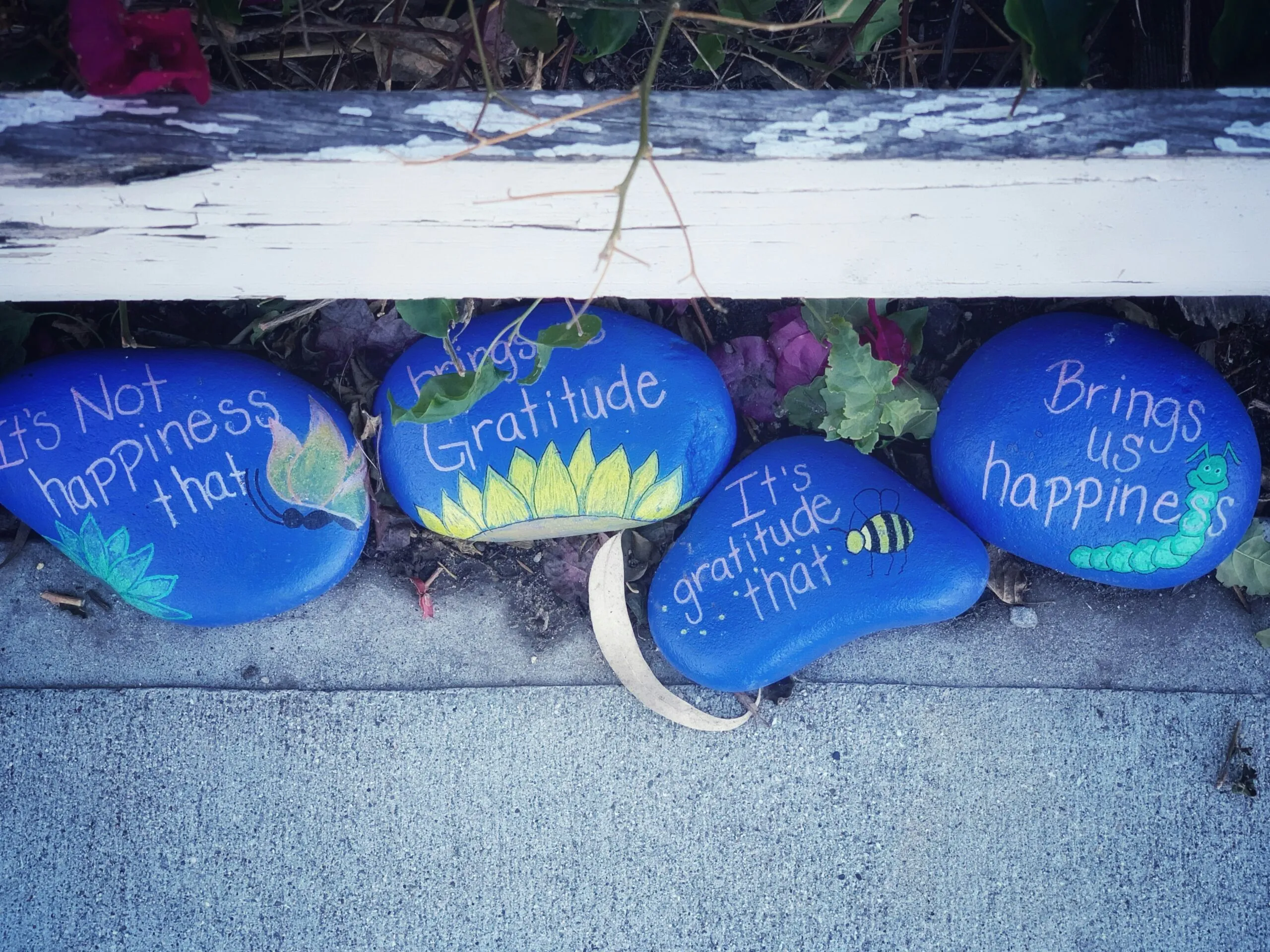
Gratitude, when genuinely felt and expressed, serves as a cornerstone for building and sustaining robust interpersonal connections. It is not merely a polite social nicety but a potent psychological and relational catalyst. We will explore the multifarious ways in which gratitude acts as a lubricant for the intricate machinery of our relationships, from the most intimate romantic partnerships to our broader social and professional networks. Understanding these mechanisms can empower us to cultivate environments where our connections can thrive, weathering storms and blossoming in shared appreciation.
At its core, gratitude is a recognition and appreciation of something valuable received or experienced. When we extend this recognition to another person, we are effectively communicating that their actions, their presence, or their contributions hold significance for us. This signals to them that they are valued, seen, and that their efforts, whether small or large, do not go unnoticed. This fundamental act of validation is the bedrock upon which stronger relationships are built.
Recognizing and Affirming Positive Contributions
### Small Acts, Big Impressions
Often, it is the seemingly minor interactions that contribute most significantly to the fabric of our relationships. A friend remembering a detail from a previous conversation, a colleague offering assistance without being asked, or a partner performing a mundane chore – these are all opportunities for gratitude. By acknowledging these "small acts," we amplify their positive impact. It's like tending to a small spark; with judicious fanning, it can grow into a strong flame. We are not just acknowledging the deed; we are acknowledging the thoughtfulness, the intention, and the investment of energy behind it. This attentiveness fosters a sense of mutual regard.
### The "Willingness to Relate" Metric
Research has begun to quantify the impact of gratitude on our propensity to engage with others. When we feel appreciated, our "willingness to relate" increases. This doesn't simply mean being more agreeable; it signifies a deeper, internal shift. We become more open to further interaction, more inclined to share our own experiences, and more invested in the continuation of the relationship. Think of it as opening a door that might otherwise have remained slightly ajar. Gratitude widens that opening, inviting deeper engagement and collaboration.
### Fostering Cooperation and Long-Term Investment
The increase in our willingness to relate, driven by a sense of being valued, directly translates into enhanced cooperation. When individuals feel their contributions are recognized, they are more likely to work together harmoniously towards shared goals. This is particularly observable in group settings, such as within sorority connections or project teams. The collective understanding that each member’s input is appreciated cultivates a sense of shared purpose and a stronger commitment to the group's success. This mutual investment builds resilience within the relationship, allowing it to withstand inevitable challenges and to endure over time.
Gratitude in Romantic Bonds: Deepening Intimacy and Satisfaction
The impact of gratitude within romantic relationships is particularly profound and well-documented. It acts as a powerful accelerant for connection, pushing couples towards greater intimacy, satisfaction, and shared experiences. The research in this area paints a clear picture: expressing gratitude is not just a pleasant addition to a relationship; it is a vital nutrient.
Boosting Next-Day Connection and Affection
Studies by researchers like Sara Algoe have provided compelling evidence for the immediate impact of gratitude. When we express gratitude to our partners, we are not just making them feel good in the moment. The effects ripple outwards, demonstrably improving the quality of our connection the very next day. This improvement manifests in increased feelings of warmth, affection, and emotional closeness. It’s akin to watering a plant; the immediate effect is visible, but the sustained nourishment leads to robust growth.
Increasing Shared Time and Intimacy
The boost in connection and affection directly correlates with an increase in shared time and engagement. When partners feel more connected and appreciative, they are naturally inclined to spend more time together. This isn't necessarily about scheduled dates; it can be as simple as choosing to relax together after a long day or engaging in more extended conversations. In fact, studies have shown significant increases in daily shared time following expressions of gratitude. This heightened intimacy isn't solely emotional; research also indicates a positive impact on physical intimacy, suggesting that gratitude can create a more fertile ground for sexual connection as well. The emotional closeness fostered by gratitude can unlock a greater sense of comfort and desire.
Enhancing Overall Relationship Satisfaction
The cumulative effect of increased connection, affection, shared time, and intimacy naturally leads to a greater overall satisfaction with the romantic relationship. When individuals feel genuinely seen, valued, and appreciated by their partners, their sense of fulfillment within the relationship deepens. This creates a positive feedback loop: satisfaction leads to more gratitude, which in turn further enhances satisfaction. It is a virtuous cycle that contributes to the longevity and health of the partnership. The relationship becomes a safe harbor, buoyed by the consistent currents of mutual appreciation.
Gratitude in Friendships and Platonic Bonds: Cultivating Enduring Alliances
While the intensity of romantic relationships might draw more attention, gratitude plays an equally vital role in nurturing our friendships and platonic bonds. These connections, though often less overtly dramatic, form the essential scaffolding of our social support systems. Gratitude acts as the mortar that holds these bricks together, ensuring their stability and strength over time.
Marking Value in Platonic Connections
In friendships, gratitude serves as a clear signal that we perceive the other person as valuable. This isn't always about tangible favors; it can be about support during difficult times, shared laughter, or simply the comfort of their presence. By expressing gratitude, we are communicating that these qualities and contributions enrich our lives. This acknowledgment reinforces their sense of self-worth within the context of the friendship, making them feel secure and appreciated. It's like illuminating a valuable artifact; its inherent worth is recognized and celebrated.
Strengthening Cooperation and Mutual Support
Recognizing the value in our friends naturally fosters a greater willingness to cooperate and support one another. When we feel appreciated by our friends, we are more inclined to offer our own support in return. This creates a reciprocal exchange of care and assistance, which is crucial for the resilience of any platonic bond. Consider the dynamic within a tight-knit group of friends who consistently show up for each other; this unwavering support is often fueled by a deep undercurrent of gratitude for each individual's presence and efforts.
Building Long-Term Ties and Social Capital
The consistent practice of gratitude in friendships contributes to the formation of enduring alliances. Over time, these strong platonic bonds become a significant form of social capital. They provide reliable networks of support, advice, and companionship. The example of connections formed through organizations like sororities showcases how shared values and mutual appreciation, actively expressed and experienced, can forge lifelong relationships that extend far beyond the initial period of association. These relationships, sustained by gratitude, become a vital resource throughout life.
Gratitude in Mentoring and Professional Contexts: Motivating Support and Building Trust
The application of gratitude extends beyond personal relationships into the professional realm, particularly in mentoring and team dynamics. In these contexts, gratitude acts as a powerful motivator, a trust-builder, and a key ingredient in fostering a productive and supportive environment.
Motivating Mentors to Provide More Support
Mentors invest their time, knowledge, and experience to guide and develop others. When mentees express genuine gratitude for this investment, it significantly motivates mentors to continue offering their support. Receiving acknowledgment for their efforts reinforces their commitment and encourages them to go the extra mile. This positive reinforcement is crucial for the sustainability of mentoring relationships, ensuring that valuable guidance continues to flow. Think of gratitude as the fuel that keeps the engine of mentorship running smoothly.
Cultivating Trust, Generosity, and Resilience
Beyond motivation, gratitude plays a pivotal role in cultivating trust and generosity within professional relationships. When individuals feel that their contributions are appreciated, they are more likely to be trusting and to act with generosity towards others. This creates a positive organizational climate where collaboration and mutual benefit are prioritized. Furthermore, in professional groups or teams, experiencing and expressing gratitude can build resilience. When challenges arise, a foundation of trust and mutual appreciation can help the group weather the storm and emerge stronger. Conversely, a lack of expressed gratitude can breed resentment and erode collegiality.
The Power of Group Exchanges Over Individual Practices
Interestingly, research suggests that when gratitude is experienced and expressed within a group context, its effects are amplified compared to individual practices. This means that fostering a culture of gratitude within a team or organization, where appreciation is regularly shared among members, yields greater benefits in terms of trust, cooperation, and overall performance. Group exchanges create a shared sense of positive reinforcement, where the collective experience of being valued strengthens the bonds between all members. It’s like a rising tide lifting all boats, where the collective expression of gratitude elevates the entire group.
The Underlying Mechanisms: How Gratitude Works Its Magic
To fully appreciate the impact of gratitude on relationships, it is essential to understand the underlying psychological and neurological mechanisms at play. Gratitude is not merely a passive sentiment; it actively engages our bodies and minds in ways that promote positive social interactions.
Activating Positive Neural Pathways
When we experience and express gratitude, our brains light up. Specific neural pathways are activated, particularly those associated with pleasure, reward, and social bonding. This neurochemical response, often involving the release of dopamine, creates a positive affective state. This pleasant sensation reinforces the behavior of expressing gratitude, making us more likely to repeat it, and signaling to the recipient that their actions have produced a positive outcome. It's as if our brains are hardwired to reward us for recognizing and appreciating goodness.
Engaging the Parasympathetic Nervous System
Gratitude has a direct impact on our autonomic nervous system, specifically by engaging the parasympathetic nervous system. Often referred to as the "rest and digest" system, the parasympathetic nervous system counteracts the effects of stress. When we are grateful, our heart rate slows, our blood pressure decreases, and our bodies enter a state of relaxation. This physiological shift makes us feel calmer, more centered, and less reactive. In the context of relationships, this means we are more likely to engage with others from a place of calm rather than defensiveness, fostering more constructive interactions.
Focusing Attention on Appreciated Qualities
Gratitude acts as a powerful lens, selectively focusing our attention on the positive qualities and contributions of others. When we are grateful, we are less likely to dwell on minor annoyances or perceived flaws. Instead, our mental energy is directed towards appreciating what is good and valuable about the other person and the relationship. This mindful acknowledgment can shift our perception of the relationship from one of deficiency to one of abundance. It's like fine-tuning a radio; instead of static, we start receiving a clear, positive signal.
Creating Reciprocity Cycles and the Ethical Dimension
Gratitude inherently fosters reciprocity. When we receive kindness and express thanks, it naturally inspires us to reciprocate that kindness in the future. This creates a virtuous cycle of giving and receiving, strengthening the bonds between individuals. However, it is crucial to note that this reciprocity is most potent when the gratitude is genuine. The research also highlights that insincere expressions of gratitude can have negative consequences. They can be perceived as manipulative or disingenuous, potentially eroding trust rather than building it. Therefore, authenticity is paramount. The ethical dimension of gratitude lies in its ability to motivate us towards prosocial behavior and to create a more interconnected and supportive social world, but only when rooted in sincerity. In essence, gratitude is a potent force for good in our relationships, but like any powerful tool, its effectiveness hinges on its genuine and skillful application.
FAQs
What is gratitude in the context of relationships?
Gratitude in relationships refers to the practice of recognizing and appreciating the positive actions, qualities, and presence of a partner or loved one. It involves expressing thankfulness and acknowledging the value they bring to the relationship.
How does gratitude improve communication between partners?
Gratitude fosters positive communication by encouraging partners to focus on each other's strengths and kind actions. This positive reinforcement reduces criticism and conflict, making conversations more supportive and constructive.
Can expressing gratitude increase relationship satisfaction?
Yes, expressing gratitude has been shown to increase relationship satisfaction. When partners feel appreciated, they are more likely to feel valued and connected, which strengthens emotional bonds and overall happiness in the relationship.
Does gratitude help in resolving conflicts?
Gratitude can help in resolving conflicts by promoting empathy and understanding. When partners acknowledge each other's efforts and positive intentions, it becomes easier to approach disagreements with patience and a willingness to find solutions.
How often should gratitude be expressed in a relationship?
While there is no set rule, regularly expressing gratitude—daily or weekly—can significantly benefit a relationship. Consistent appreciation helps maintain a positive atmosphere and reinforces mutual respect and affection over time.