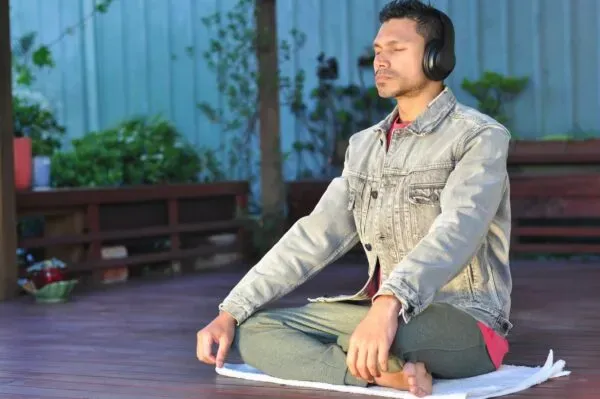

I. Understanding the Imperative of Sustainable Self-Care
Self-care, as a concept, has transcended its earlier interpretations as an indulgence and is now widely recognized as a fundamental pillar of our overall well-being. However, the paradigm is shifting towards a more sustainable approach. A sustainable self-care routine is not merely a collection of feel-good activities; it is a meticulously constructed framework designed to support our physical, mental, and emotional health over the long term, while simultaneously minimizing our environmental footprint. We recognize that our personal wellness is intricately linked to the health of our planet; therefore, a sustainable self-care routine acknowledges and integrates ecological awareness. This involves a conscious departure from overconsumption and an embrace of mindful practices.
A. Defining Sustainable Self-Care
Sustainable self-care, at its core, is the deliberate and consistent practice of nurturing our holistic well-being in a manner that is both enduring for us and respectful of our environment. It moves beyond fleeting trends and acknowledges that true self-care is a marathon, not a sprint. This perspective necessitates an understanding of our individual needs, an acceptance of our limitations, and a commitment to practices that can be maintained without burnout, financial strain, or ecological damage. It is a regenerative cycle, where the energy we invest in ourselves returns to us in increased resilience and vitality, much like a well-tended garden yields a continuous harvest.
B. The Environmental Nexus
The environmental aspect of sustainable self-care is not a secondary consideration but an integral component. We have observed a growing awareness regarding the environmental impact of consumer culture, including the beauty and wellness industries. Our choices, from the products we purchase to the services we utilize, all contribute to a collective ecological footprint. Sustainable self-care encourages us to critically evaluate these choices. It is a proactive stance against wasteful practices, promoting instead a conscious consumption that aligns with our values of preserving natural resources and reducing pollution. This involves a shift from disposable convenience to durable efficacy, from mass production to mindful acquisition.
II. The Strategic Foundation: Eco-Focused Decluttering and Mindful Procurement
The establishment of a sustainable self-care routine often commences with a process of evaluation and refinement, akin to preparing a fertile ground for new growth. This involves a critical assessment of our current habits and possessions, followed by a strategic approach to acquiring new elements.
A. The Purge: Reclaiming Our Space and Resources
Our initial step often involves a comprehensive eco-focused decluttering process. This is not merely about tidying; it is an act of intentional shedding. We meticulously examine our existing inventory, particularly within our personal care and home environments.
1. Expired Products and Undue Accumulation
We commit to identifying and responsibly disposing of expired products. This includes cosmetics, skincare, and other personal care items that have surpassed their shelf life. Accumulation of such products not only contributes to clutter but also represents wasted resources. We acknowledge the tendency to hoard items "just in case" or due to marketing impulses. Our objective is to move beyond this, embracing a minimalist approach where every item serves a purpose and is actively used.
2. Transitioning to Sustainable Alternatives
As we declutter, we simultaneously inventory essentials, identifying areas where more sustainable alternatives can be integrated. This often involves switching to lighter, botanical skincare formulations, which typically rely on natural ingredients and often come with reduced environmental packaging. This transition is not instantaneous but a gradual process, wherein we replace items as they are depleted, ensuring that our choices are aligned with our environmental principles.
B. Conscious Consumption: Choosing Sustainable Treatments
Once our environment is streamlined, our focus shifts to mindful procurement. This is where we actively choose sustainable treatments, effectively voting with our wallets for practices and products that align with our values.
1. Prioritizing Ethical and Refillable Options
We prioritize cruelty-free products, ensuring that our self-care choices do not contribute to animal testing. Furthermore, we actively seek out refillable products, which significantly reduce packaging waste. This proactive choice extends to services as well, where we opt for providers who demonstrate a commitment to offsetting beauty waste through responsible disposal or recycling initiatives. The "Project Pan" methodology serves as an excellent framework here: we commit to finishing products fully before considering a replacement, thereby combating overconsumption and appreciating the resources embedded within each item.
2. Integrating Zero-Waste Principles
Our commitment to sustainability extends to integrating zero-waste principles wherever feasible. This could involve using solid shampoo and conditioner bars, reusable cotton pads for skincare application, or purchasing products in bulk to minimize packaging. We view each choice as a small but significant contribution to a larger ecological movement. This is akin to understanding the ripple effect—a single drop can create widening circles in a pond.
III. Crafting Enduring Routines: Additive and Consistent Practices
The essence of a sustainable self-care routine lies in its ability to be integrated smoothly and consistently into our lives without becoming another source of stress or burden. This requires a deliberate and additive approach to building habits.
A. Anchoring with Core Practices
We find that starting with one anchor practice provides a strong foundation. This approach prevents overwhelming ourselves with too many new routines simultaneously.
1. Establishing a Consistent Anchor
Our strategy is to identify a single, accessible practice that resonates with us and commit to its consistent execution. This could be a weekly yoga session, a scheduled deep tissue massage for muscular release, or a mindful walking meditation. The key is consistency over intensity. By anchoring with one practice, we build a solid base upon which other elements can be layered. This is much like building a house – a strong foundation is paramount before adding walls and a roof.
2. Integrating Holistic Modalities
Once the anchor is established, we gradually integrate other holistic modalities that contribute to our overall balance. This might include exploring acupuncture for energy regulation, aromatherapy for mood enhancement, or journaling for emotional processing. The goal is a synergistic blend of practices that address various aspects of our well-being without becoming burdensome.
B. Daily Habits for Sustained Well-being
Beyond weekly or periodic practices, sustainable self-care is profoundly shaped by our daily habits. These small, consistent actions accumulate to significant long-term benefits.
1. Structured Daily Rhythms
We advocate for establishing structured daily rhythms that encompass essential self-care elements. This includes dedicated time for meal preparation, ensuring nourishing food intake. We also schedule specific times for vitamin and supplement consumption, transforming it from a haphazard action into a deliberate part of our routine.
2. Home Spa Moments and Reflection
Integrating "home spa moments" or periods of quiet reflection into our daily routine is vital. This could involve applying a face mask, taking a warm bath, or simply sitting in silence for a few minutes. These moments provide opportunities for pause, rejuvenation, and self-connection, acting as mini-reservoirs we fill throughout the day to prevent depletion.
IV. Accessible and Inexpensive Self-Care: Democratizing Wellness
Sustainable self-care is fundamentally inclusive. We reject the notion that effective self-care must be costly or complicated. Many profoundly beneficial practices are readily available and require minimal financial investment.
A. Leveraging Our Immediate Environment
Our immediate surroundings often hold untapped potential for self-care. We embrace simple, everyday actions that contribute to our well-being.
1. The Therapeutic Act of Cleaning
Engaging in the therapeutic act of cleaning and organizing our home environment can be surprisingly effective. A clean and orderly space often correlates with a clearer and calmer mind. This is not merely about hygiene but about creating a sanctuary that supports our mental peace. This acts as an external reflection of internal order, a quiet harmony that can significantly reduce ambient stress.
2. Dedicated Spaces for Reflection
Even in limited spaces, we can designate a small corner for meditation or quiet contemplation. This does not require elaborate setup; a comfortable cushion, a plant, or a scented candle can transform a nook into a personal retreat. This dedicated space serves as a psychological anchor, a personal haven where we can disengage from external pressures.
B. Embracing Simple, Intentional Practices
Many powerful self-care techniques are inherently simple and free, focusing on our breath and sensory engagement.
1. At-Home Indulgence and Deep Breathing Techniques
We cultivate the practice of at-home mani-pedis, transforming a routine grooming task into a moment of self-pampering and mindful attention. Accompanying these practices with deep breathing exercises, such as the 4-7-8 method, enhances their calming effects. We also consciously engage our senses through simple sensory experiences—listening to calming music, enjoying the aroma of essential oils, or savoring a warm beverage.
2. Nervous System Regulation
Central to inexpensive self-care is a focus on nervous system regulation. This involves learning our individual body's signals, recognizing when we are approaching overwhelm, and proactively engaging in calming practices. Gentle stretching, mindful movement, and intentional periods of rest are all vital components. This is about building a robust internal alarm system and knowing how to respond effectively.
V. The Power of Nature and Mindfulness: Grounding Our Being
Our connection to nature and the practice of mindfulness are indispensable components of a sustainable self-care routine. These elements ground us, reducing stress and enhancing our present moment awareness.
A. Reconnecting with the Natural World
We recognize the inherent healing properties of nature and actively seek opportunities to reconnect with it.
1. Grounding in Nature
Engaging in grounding practices within natural environments is highly beneficial. This can involve walking barefoot on grass or sand, spending time in a park, or simply observing our natural surroundings. This direct contact with the earth is believed to have physiological benefits, reducing inflammation and improving mood. It is a fundamental reconnection to our primal origins, reminding us that we are part of something larger.
2. Mindful Eating and Sensory Awareness
Mindful eating, free from digital distractions, allows us to fully experience our food, from its texture and aroma to its taste. This practice extends beyond meals; we practice the 5-4-3-2-1 grounding technique, consciously noting five things we can see, four things we can feel, three things we can hear, two things we can smell, and one thing we can taste. This anchors us firmly in the present moment, dissipating anxiety and fostering calm.
B. Gentle Movement and Releasing Perfectionism
Sustainable self-care also incorporates gentle movement and a compassionate attitude towards ourselves.
1. Embracing Gentle Yoga
Practicing gentle yoga, even for brief periods, helps to integrate mind and body. It improves flexibility, reduces tension, and promotes relaxation without demanding high levels of physical exertion. The focus is on mindful movement and breath, not advanced postures.
2. Releasing the Burden of Perfectionism
We actively work to release the burden of perfectionism in our self-care journey. The objective is not to execute a flawless routine but to engage in consistent, imperfect practices. We set seasonal goals, allowing for flexibility and adaptation, understanding that our needs may change with the seasons and life's evolving demands. This involves feeding our senses daily with small, intentional pleasures, and understanding that consistency, not perfection, yields long-term results.
VI. The Longevity of Simple, Consistent Care: A Long-Term Vision
Our vision for sustainable self-care is rooted in longevity. We prioritize practices that are simple, maintainable, and yield enduring benefits, rather than fleeting trends or overly strenuous routines.
A. Basic Skincare Over Fleeting Trends
In skincare, we advocate for a basic, effective routine over complex, multi-step regimens driven by marketing trends. This involves understanding our skin's fundamental needs—cleansing, moisturizing, and sun protection—and adhering to these consistently. This approach minimizes product consumption, reduces waste, and often proves more beneficial for skin health in the long run. We prioritize efficacy and simplicity, viewing our skin as an organ to be nurtured, rather than an aesthetic canvas for endless experimentation.
B. Prioritizing Fundamental Movement
Similarly, we prioritize fundamental forms of movement: walking and stretching. These activities are accessible to most, require no special equipment, and can be easily integrated into daily life. Walking provides cardiovascular benefits and mental clarity, while stretching improves flexibility and reduces muscular tension. These foundational movements contribute significantly to our physical and mental well-being without the pressure or demands of intense exercise routines. They are gentle yet powerful, like the steady erosion of a river carving through rock over millennia.
C. Anti-Overconsumption and "Project Pan" Philosophy
Our overarching philosophy is one of anti-overconsumption. We consciously resist the urge to constantly acquire new products, especially in the realm of beauty and self-care. The "Project Pan" strategy is particularly effective here. This involves committing to fully utilizing an existing product before purchasing a replacement. This not only reduces waste but also fosters an appreciation for the items we possess, transforming consumption from a mindless act into a deliberate and mindful choice. It encourages us to extract maximum value from what we already have, mirroring a broader ecological principle of resource efficiency.
D. Cultivating Self-Awareness
Ultimately, building a sustainable self-care routine is an ongoing process of cultivating self-awareness. It involves continuously learning our body's signals, understanding our emotional landscape, and adapting our practices to meet our evolving needs. This is an introspective journey, where we become our own most compassionate observers and guides. By focusing on intrinsic needs rather than external pressures, we build a resilient, effective, and environmentally conscious framework for enduring well-being.
FAQs
What is a sustainable self-care routine?
A sustainable self-care routine is a consistent and manageable set of practices that promote physical, mental, and emotional well-being over the long term. It focuses on habits that are realistic, enjoyable, and adaptable to individual needs and lifestyles.
Why is it important to build a sustainable self-care routine?
Building a sustainable self-care routine helps maintain overall health, reduce stress, prevent burnout, and improve quality of life. It ensures that self-care becomes a regular part of daily life rather than a temporary or sporadic effort.
What are some key components of a sustainable self-care routine?
Key components often include regular physical activity, balanced nutrition, adequate sleep, mindfulness or relaxation techniques, social connection, and setting healthy boundaries. Personalizing these elements to fit one’s preferences and schedule is essential.
How can I start building a sustainable self-care routine?
Start by assessing your current habits and identifying areas for improvement. Set small, achievable goals, prioritize activities that bring you joy and relaxation, and gradually incorporate them into your daily schedule. Consistency and flexibility are important to maintain the routine.
How do I maintain motivation for a sustainable self-care routine?
Maintaining motivation can be supported by tracking progress, celebrating small successes, adjusting the routine as needed, seeking support from friends or professionals, and reminding yourself of the benefits self-care brings to your overall well-being.