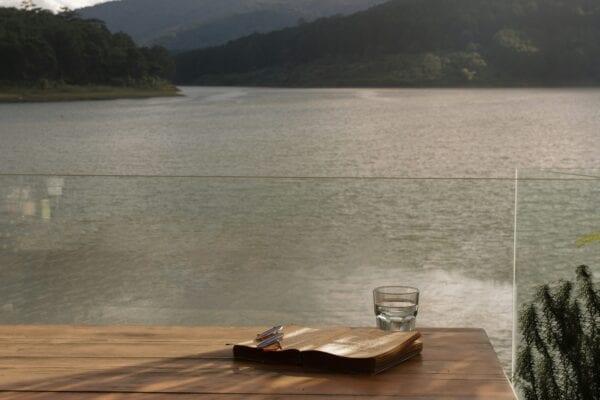

As inhabitants of an increasingly accelerated world, the imperative to engage in contemporary society often presents itself as a relentless pursuit of speed and constant output. We are frequently told that to achieve, to succeed, to simply keep pace, requires an unwavering commitment to rapid progression. Yet, an emergent discourse, particularly within wellness and productivity communities, challenges this paradigm by introducing the concept of "slowing down without falling behind." This concept suggests that a deliberate reduction in our operational tempo does not inherently equate to stagnation or regression. Instead, it posits that strategic deceleration can lead to enhanced efficacy, improved well-being, and ultimately, more sustainable progress. This exploration delves into the mechanics and philosophy behind this counter-intuitive approach, aiming to provide a comprehensive understanding of how we can cultivate a more deliberate pace in our lives without sacrificing our ambitions or ceding ground in our professional and personal spheres.
The modern world often operates under what we term the "Urgency Paradox," a state where constant haste paradoxically diminishes our capacity for effective action. We perceive speed as an inherent good, mistakenly equating velocity with productivity. This perception, however, frequently leads us into cycles of perpetual busyness rather than genuine achievement.
The Illusion of Constant Motion
We are frequently conditioned to believe that movement, any movement, is inherently productive. This can manifest as an overloaded calendar, an incessant stream of notifications, or a relentless drive to multitask. The illusion is that by doing more, faster, we are advancing our objectives. In reality, this often fragments our attention, diffuses our efforts, and diminishes the quality of our work. It is akin to a car spinning its wheels in mud; there is significant motion, but minimal forward progress.
The Cost of Relentless Pace
The human system, both cognitive and physiological, is not designed for sustained, high-intensity output without periods of respite. When we operate at a relentless pace, we incur various costs. These can include diminished cognitive function, increased stress levels, compromised physical health, and a pervasive sense of burnout. These detriments ultimately undermine our ability to perform at our best, creating a self-defeating cycle where the very speed we seek to maintain becomes our undoing.
Cultivating Intentional Deliberation
To slow down effectively, we must first cultivate intentional deliberation. This involves a conscious shift from reactive engagement to proactive design of our time and energy. It is about becoming the architects of our pace rather than merely its inhabitants.
Strategic Time Blocking
One practical method for fostering intentional deliberation is strategic time blocking. This technique involves allocating specific, uninterrupted blocks of time for particular tasks or activities. Unlike a simple to-do list, time blocking forces us to confront the reality of our available hours and to prioritize accordingly.
Deep Work Sessions
Within strategic time blocks, prioritizing "deep work sessions" is crucial. These are periods dedicated to cognitively demanding tasks that require intense focus and minimal distraction. By carving out such periods, we create an environment conducive to high-quality output, where fewer, more concentrated efforts yield superior results compared to fragmented, rushed attempts.
Scheduled Downtime
Equally important as deep work is the scheduling of dedicated downtime. This is not merely the absence of work, but a deliberate allocation of time for rest, rejuvenation, and activities that replenish our mental and physical resources. This can include anything from exercise to leisure reading to simply disengaging from digital stimuli. Scheduled downtime is an investment in our sustained capacity, not a luxury.
Prioritization through Pruning
Effectively slowing down also necessitates a rigorous process of prioritization, often involving the "pruning" of non-essential activities. We must learn to identify what truly matters and eliminate, or significantly reduce, commitments that do not align with our core objectives. This is akin to a gardener removing dead or unhealthy branches to allow the vital parts of the plant to flourish.
The 80/20 Rule Application
Applying the Pareto Principle, or the 80/20 rule, can be particularly instructive here. We often find that 80% of our meaningful results stem from 20% of our efforts. Identifying and focusing on that critical 20% allows us to achieve disproportionate impact with less overall exertion.
Setting Clear Boundaries
Establishing clear boundaries, both personal and professional, is fundamental to effective pruning. This involves learning to say "no" to requests that do not serve our priorities, protecting our dedicated time, and managing expectations of others regarding our availability and response times.
Embracing a Seasonal Operational Cadence
Just as nature operates in distinct seasons, our personal and professional lives can benefit from an adaptive, "seasonal" operational cadence. This acknowledges that not all periods are suitable for maximum output and that embracing natural ebbs and flows can enhance overall productivity and well-being.
The "Soft Girl December" Analogy
The concept of "Soft Girl December," though often presented in a specific cultural context, offers a potent analogy for this approach. It suggests a time for softening edges, reducing external pressures, and prioritizing ease and feeling over relentless doing. This is not an abdication of responsibility, but a strategic recalibration, acknowledging that certain periods are more conducive to introspection, planning, and recuperation.
Periods of Accelerated Output
Conversely, there will be periods, our "summers," when conditions are ripe for accelerated output. These are times when our energy levels are high, external factors are favorable, and we can intentionally leverage these circumstances for more intense effort. The key is to consciously intersperse these periods with phases of lower intensity, preventing burnout and maintaining long-term sustainability.
Acknowledging Natural Rhythms
Our bodies and minds possess natural rhythms that influence our energy levels, creativity, and capacity for work. By becoming attuned to these individual rhythms – our personal "seasons" – we can better tailor our schedules and expectations. This might mean scheduling creative tasks during periods of peak inspiration and administrative tasks during times of lower energy. Resisting these natural rhythms can be a source of constant friction and inefficiency.
Reframing Progress and Success
To slow down without falling behind, we must fundamentally reframe our definitions of progress and success. We must shift from a purely quantitative, speed-driven metric to a more qualitative, impact-oriented understanding.
Quality Over Quantity
The central tenet of this reframing is prioritizing "quality over quantity." In many fields, a single, meticulously crafted piece of work can have far greater impact than a multitude of hastily produced outputs. When we focus on quality, we inherently justify a more deliberate pace, as excellence rarely emerges from rushing.
The Value of Deliberate Iteration
Quality often emerges from deliberate iteration—a process of refinement and improvement that requires time and thoughtful engagement. Rushing through projects rarely allows for true iteration; instead, it often leads to superficial outcomes and missed opportunities for significant enhancement.
Measuring Impact, Not Just Output
We should strive to measure our success not solely by the volume of tasks completed or the hours logged, but by the tangible impact of our efforts. A project that takes longer but profoundly moves the needle is infinitely more valuable than several quickly executed tasks that yield minimal results.
Sustainable Velocity
Ultimately, slowing down is about achieving "sustainable velocity." This is the optimal pace at which we can operate consistently, effectively, and without incurring the hidden costs of burnout, stress, or diminished quality. It is about moving forward with purpose and resilience, rather than frantic, unsustainable bursts.
The Marathon, Not the Sprint Metaphor
This concept is aptly captured by the metaphor of the marathon versus the sprint. While sprints have their place, the broader arc of our professional and personal lives is more akin to a marathon. Sustained success requires pacing, strategic energy management, and an understanding that the race is a long one, demanding endurance over momentary bursts of speed.
Building Resilience and Longevity
By adopting a slower, more deliberate pace, we are actively building resilience. We create buffers against unforeseen challenges, cultivate deeper reserves of energy, and foster mental fortitude. This approach ensures not only our short-term effectiveness but also our long-term longevity in our chosen pursuits.
Leveraging Focus and Minimizing Distractions
A cornerstone of slowing down while maintaining progress is the strategic leveraging of focus and aggressive minimization of distractions. Our attention is a finite resource, and safeguarding it is paramount to doing less but achieving more.
The Power of Single-Tasking
In a world that celebrates multitasking, reclaiming the power of single-tasking is a revolutionary act. When we dedicate our full, undivided attention to one task at a time, we dramatically increase our efficiency and the quality of our output.
Enhanced Cognitive Engagement
Single-tasking allows for enhanced cognitive engagement. Our brains are not designed to simultaneously process multiple complex information streams effectively. Switching between tasks, even rapidly, incurs a "switching cost" – a penalty in terms of time and mental energy required to reorient and re-engage with each different task.
Reduced Error Rates and Increased Retention
By focusing on a single task, we reduce the likelihood of errors that often arise from divided attention. Furthermore, the deeper cognitive engagement fosters better information retention, allowing us to build upon our knowledge and experience more effectively.
Proactive Distraction Management
Effective management of distractions is not merely reactive; it is a proactive strategy that involves creating an environment conducive to deep work and deliberate thought.
Digital Disconnect Zones
Establishing digital disconnect zones, both physical and temporal, is vital. This can involve silencing non-essential notifications, closing irrelevant browser tabs, or even scheduling periods where we are completely offline and inaccessible. These zones serve as sanctuaries for focused work.
Environment Optimization
Our physical environment significantly impacts our ability to concentrate. Optimizing our workspace to minimize visual and auditory distractions—whether through decluttering, using noise-canceling headphones, or finding a quiet location—can profoundly enhance our capacity for sustained focus.
In conclusion, the notion that we must perpetually accelerate to avoid falling behind is a pervasive myth that often leads to exhaustion and diminished returns. By consciously embracing intentional deliberation, cultivating strategic prioritization, adopting a seasonal operational cadence, reframing our definitions of success, and leveraging focused attention, we can effectively navigate the complexities of modern life. We can choose to slow down, not as an act of surrender, but as a strategic maneuver that enables greater efficacy, sustained well-being, and ultimately, a more profound and meaningful journey. We can indeed, as a collective, learn to slow down without falling behind, charting a course toward a more considered and impactful existence.
FAQs
What does it mean to slow down without falling behind?
Slowing down without falling behind refers to managing your pace in work or life activities to reduce stress and burnout while still maintaining productivity and meeting important deadlines or goals.
Why is it important to slow down sometimes?
Slowing down is important because it helps improve mental clarity, reduces stress, prevents burnout, and allows for better decision-making and creativity, ultimately leading to sustained long-term success.
How can I slow down without negatively impacting my work performance?
You can slow down by prioritizing tasks, setting realistic goals, taking regular breaks, delegating when possible, and focusing on quality over quantity to maintain performance without rushing.
What strategies help balance slowing down with staying productive?
Effective strategies include time management techniques like the Pomodoro method, mindfulness practices, clear communication with colleagues about workload, and regularly reviewing and adjusting priorities.
Can slowing down improve overall work-life balance?
Yes, slowing down can improve work-life balance by allowing more time for rest, personal activities, and relationships, which enhances overall well-being and job satisfaction.