
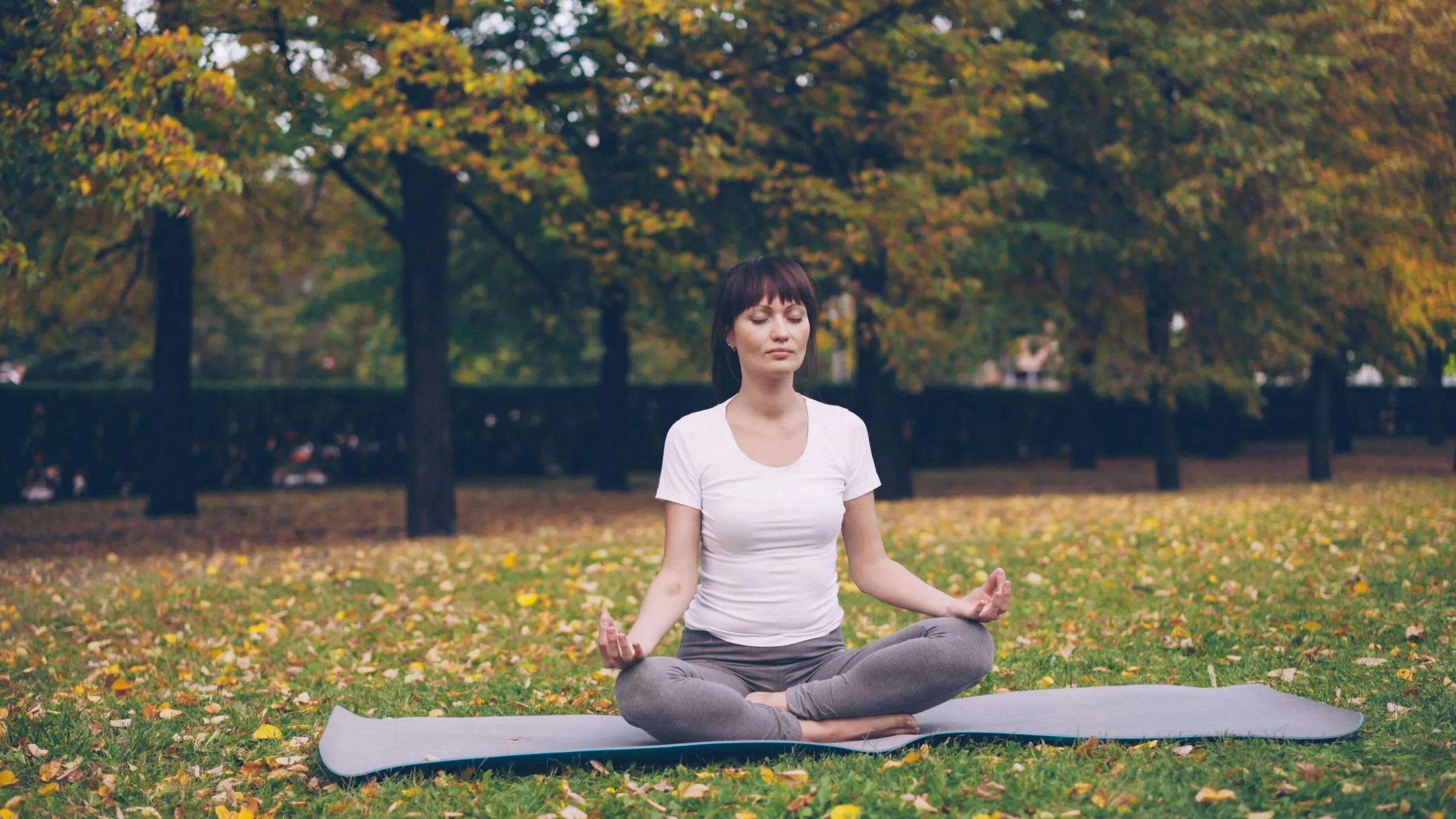
As we navigate the complexities of modern existence, our nervous systems frequently encounter various stressors, ranging from acute anxieties to chronic emotional burdens. In response to these pressures, our bodies often manifest physiological and psychological symptoms indicative of sympathetic nervous system activation, commonly known as the "fight or flight" response. Fortunately, we possess innate mechanisms to regulate this response and foster states of calm and equilibrium. Among the most accessible and effective of these mechanisms are specific breathing practices. Our exploration herein delves into several such techniques, outlining their methodologies, physiological underpinnings, and purported benefits. We aim to present these practices in a factual and informative manner, drawing upon established research and practical applications.
These breathing techniques are not merely anecdotal curiosities; they represent concrete physiological interventions that can profoundly influence our autonomic nervous system. By consciously manipulating our respiratory patterns, we gain a degree of control over involuntary bodily functions, shifting the balance from sympathetic arousal to parasympathetic restoration. This shift is crucial for mitigating stress, improving cognitive function, and enhancing overall well-being.
Before delving into specific techniques, it is essential to understand the fundamental connection between respiration and the nervous system. Our breathing is unique among bodily functions in that it operates both voluntarily and involuntarily. While our brainstem automatically manages our respiration, we can consciously alter its pace, depth, and rhythm. This duality provides a crucial leverage point for influencing our autonomic nervous system.
Autonomic Nervous System Overview
The autonomic nervous system (ANS) comprises two primary branches: the sympathetic nervous system (SNS) and the parasympathetic nervous system (PNS). The SNS is responsible for mobilizing the body for action, increasing heart rate, dilating pupils, and diverting blood flow to muscles—the classic "fight or flight" response. Conversely, the PNS promotes "rest and digest" functions, slowing the heart rate, constricting pupils, and stimulating digestion. Chronic stress and anxiety often lead to an overactive SNS, contributing to a myriad of health issues. Breathing practices serve as a conduit for consciously engaging the PNS, thereby counteracting SNS dominance.
Vagus Nerve Stimulation
A key player in this regulatory process is the vagus nerve, the longest cranial nerve in the body. It plays a critical role in controlling various involuntary functions, including heart rate, digestion, and respiratory rate. Deep, slow breathing techniques are known to stimulate the vagus nerve, which in turn enhances parasympathetic activity. This vagal tone, or the activity of the vagus nerve, is a strong indicator of an individual's ability to recover from stress and regulate emotional responses.
Targeted Breathing Techniques for Immediate Calm
Our collective experience has shown us that specific breathing patterns can offer immediate relief from acute stress and anxiety. These techniques are often employed in high-pressure situations or when a rapid shift in physiological state is desired.
Box Breathing (4-4-4-4)
Box Breathing, also known as Tactical Breathing, is a simple yet powerful technique that we have found to be remarkably effective in calming acute anxiety and stabilizing the nervous system. This method involves a four-part cycle, each lasting four seconds. Imagine tracing the sides of a square as you breathe.
The Four-Part Cycle
- Inhale (4 seconds): We begin by slowly inhaling through our nose for a count of four seconds, filling our lungs completely.
- Hold (4 seconds): Next, we hold our breath for four seconds. This pause allows for gas exchange and signals a momentary deceleration.
- Exhale (4 seconds): Then, we slowly exhale through our mouth or nose for four seconds, emptying our lungs.
- Hold (4 seconds): Finally, we hold our breath again, this time with empty lungs, for four seconds before repeating the cycle.
Applications and Benefits
This rhythmic and controlled breathing pattern is highly effective in managing stress and decision fatigue. Its structured nature provides a focal point, diverting attention from distressing thoughts and creating a sense of inner order. We have observed its utility in diverse contexts, from moments of sudden panic to situations requiring focused concentration under pressure. The consistent cadence helps to regulate heart rate and blood pressure, promoting a more balanced physiological state.
4-7-8 Breathing
The 4-7-8 breathing technique, developed by Dr. Andrew Weil, is another potent tool for regulating the nervous system and reducing anxiety. This method emphasizes prolonged exhalation, a key feature in activating the parasympathetic response.
The Specific Ratio
- Inhale (4 seconds): We inhale quietly through our nose for four seconds.
- Hold (7 seconds): We then hold our breath for a count of seven seconds. This extended hold allows for deeper oxygen saturation.
- Exhale (8 seconds): Finally, we exhale completely through our mouth, making a "whoosh" sound, for eight seconds. The exhalation is the longest phase, a deliberate strategy to prolong vagal stimulation.
Impact on Physiology
A 2022 study highlighted the efficacy of 4-7-8 breathing in improving heart rate variability (HRV), a crucial indicator of nervous system resilience. Higher HRV reflects a more adaptable and healthier nervous system. By consciously extending the exhalation, we signal to our brain that we are safe, thereby initiating a cascade of relaxation responses. This technique is particularly beneficial for reducing general anxiety, improving sleep quality, and managing acute stress episodes.
Deep and Restorative Breathing Practices
Beyond immediate stress reduction, certain breathing techniques are designed for deeper, more sustained nervous system regulation and overall well-being. These practices often require a more deliberate engagement with our respiratory mechanics.
Diaphragmatic (Belly) Breathing
Diaphragmatic breathing, commonly known as belly breathing, is a fundamental practice that re-educates our bodies to breathe using the diaphragm, the primary muscle of respiration. Many of us, through habit or stress, primarily engage in shallow chest breathing, which can perpetuate sympathetic arousal.
Engaging the Diaphragm
- Positioning: We can practice this lying down, sitting, or standing. Placing one hand on our chest and the other on our abdomen helps us monitor the movement.
- Inhalation: As we inhale slowly through our nose, we consciously allow our abdomen to expand, feeling the hand on our belly rise. Our chest should remain relatively still.
- Exhalation: As we exhale slowly through our mouth or nose, our abdomen gently contracts inward.
Physiological Advantages
This technique directly activates the parasympathetic nervous system, signaling to our body that it is safe to relax. By encouraging deeper breaths, we increase oxygen intake and delivery to our tissues, which can reduce physical tension and promote mental clarity. Regular practice of diaphragmatic breathing has been consistently linked to reduced stress and anxiety levels, improved respiratory efficiency, and enhanced overall physiological balance. It is a cornerstone for cultivating a calmer default state.
Alternate Nostril Breathing (Nadi Shodhana)
Alternate Nostril Breathing, or Nadi Shodhana in Sanskrit, is an ancient yogic practice that we find to be remarkably effective in balancing neural pathways and promoting emotional calm. It involves breathing through one nostril at a time, alternating between them.
The Alternating Flow
- Preparation: We sit comfortably, using our right thumb to close our right nostril and our ring finger to close our left nostril.
- Initial Inhale: We close our right nostril with our thumb and inhale slowly through our left nostril.
- Hold and Switch: We then close our left nostril with our ring finger, releasing our thumb from the right nostril. We pause briefly.
- Exhale and Inhale: We exhale slowly through our right nostril, then inhale through the same right nostril.
- Switch and Repeat: We then close our right nostril with our thumb, release our ring finger from our left nostril, and exhale through our left nostril. This completes one round, and we repeat, starting with an inhale through the left nostril.
Balancing the Hemispheres
This practice is believed to balance the left and right hemispheres of the brain, associated with logical and creative functions, respectively. By regulating the flow of air through each nostril, we influence the subtle energy channels, or 'nadis,' in our body, leading to enhanced focus and a more grounded emotional state. Many report a sense of mental clarity and emotional equilibrium after practicing Nadi Shodhana, making it an excellent preparation for meditation or a means to calm an agitated mind.
Advanced Techniques and Daily Integration
As we become more adept at basic breathing strategies, we can explore more nuanced techniques that offer further benefits for stress reduction and nervous system regulation. Consistency in practice is paramount for reaping the full rewards.
Coherent/Resonant Breathing
Coherent breathing, also sometimes referred to as resonant breathing, involves finding a consistent, smooth rhythm where our inhalations and exhalations are of equal duration, typically around 5-6 seconds each. This specific frequency is believed to optimize heart rate variability and promote a state of "coherence" within the body's physiological systems.
The Optimal Rhythm
- Nasal Breathing: We inhale slowly through our nose for 5-6 seconds.
- Balanced Exhale: We then exhale slowly through our nose for 5-6 seconds.
- Smooth Transition: The emphasis is on a smooth, unbroken flow between inhalation and exhalation, without pauses.
Promoting Body Coherence
This continuous, rhythmic pattern is highly effective in reducing stress and anxiety. It encourages the heart, lungs, and brain rhythms to synchronize, creating a state of physiological harmony. This coherence is not merely anecdotal; evidence suggests it can enhance emotional regulation, improve cardiovascular health, and reduce inflammation. By consistently practicing coherent breathing, we train our nervous system to operate in a more balanced and efficient manner.
Pursed-Lip Breathing
Pursed-lip breathing is a simple yet powerful technique that we have found particularly useful for calming the system and improving oxygen delivery. It is often taught to individuals with respiratory conditions, but its benefits extend to anyone seeking to regulate their nervous system.
Controlled Exhalation
- Nasal Inhale: We inhale slowly through our nose for approximately two seconds.
- Pursed Lips: We then purse our lips as if we are about to whistle.
- Extended Exhale: We exhale slowly and steadily through our pursed lips for four to six seconds, making the exhalation at least twice as long as the inhalation.
Improving Lung Function and Calm
This controlled exhalation helps to keep the airways open longer, allowing for more complete emptying of the lungs and improved gas exchange. The slight resistance created by the pursed lips slows down the exhalation, which, similar to the 4-7-8 technique, stimulates the parasympathetic nervous system. It can reduce shortness of breath, decrease anxiety, and provide a quick way to restore a sense of calm during moments of tension.
Physiological Sighs
Among the more novel and rapidly effective techniques we have encountered are physiological sighs. Originally identified in basic survival respiration, these are a quick reset for worry loops, designed to rapidly offload carbon dioxide and restore respiratory balance.
The Double Inhale
- First Inhale: We take a deep, full inhale through our nose.
- Second Inhale: Just as our lungs feel full, we take a small, sharp "top-up" inhale, often through the nose again, as if trying to squeeze in a little more air.
- Long Exhale: We then exhale slowly and completely through our mouth, letting out a long, audible sigh.
Rapid Reset Mechanism
This unique breathing pattern effectively re-inflates collapsed alveoli in the lungs, optimizing gas exchange and allowing for a greater release of carbon dioxide. The physiological impact is almost immediate: it can quickly reduce feelings of anxiety, diminish the tightness in our chest associated with stress, and interrupt patterns of repetitive negative thoughts. We find that three to six repetitions of physiological sighs are often sufficient to achieve a noticeable shift in our state, offering a rapid means to gain control over overwhelming emotions.
Integrating Breathing Practices into Our Daily Lives
While understanding these techniques is the first step, consistent integration into our daily routine is where their true power lies. We view these practices not as occasional interventions but as ongoing tools for self-regulation and well-being.
Cultivating a Habit
We recommend dedicating 5-10 minutes daily to conscious breathing practice. This consistency is crucial. Just as we consistently nourish our bodies with food, we must consistently nourish our nervous systems with intentional breath. This dedicated time can be incorporated into our morning routine, a mid-day break, or an evening wind-down ritual.
Tracking Progress
To enhance our commitment and observe the benefits, we might consider tracking our progress. This could involve simple journaling about our mood before and after practice, noting changes in stress levels, or even using biofeedback devices to monitor heart rate variability. Observing tangible improvements can be a powerful motivator.
Long-Term Benefits
The consistent use of these breathing techniques offers profound long-term benefits beyond immediate stress reduction. Research indicates that regular practice can enhance brain and nerve health, improve sleep quality, and even bolster our immune system. For instance, studies on SKY (Sudarshan Kriya Yoga), which incorporates various breathing cycles, have shown up to a 218% increase in deep sleep stages, a critical component of restoration and repair. By intentionally engaging with our breath, we are not merely managing stress; we are actively cultivating a more resilient, adaptable, and harmonious physiological state. Our nervous system, like a finely tuned instrument, benefits immensely from this regular, gentle calibration.
FAQs
What is the nervous system and why is it important to calm it?
The nervous system is a complex network of nerves and cells that transmit signals between different parts of the body. It controls bodily functions and responses to stress. Calming the nervous system helps reduce anxiety, lower stress levels, and promote overall well-being.
How do simple breathing practices help calm the nervous system?
Simple breathing practices activate the parasympathetic nervous system, which is responsible for the body's rest and relaxation response. This helps slow the heart rate, reduce blood pressure, and decrease stress hormones, leading to a calmer state.
What are some common simple breathing techniques to calm the nervous system?
Common techniques include diaphragmatic breathing (deep belly breathing), box breathing (inhaling, holding, exhaling, and pausing for equal counts), and 4-7-8 breathing (inhale for 4 seconds, hold for 7, exhale for 8). These methods are easy to learn and can be practiced anywhere.
How often should I practice breathing exercises to see benefits?
Practicing breathing exercises for 5 to 10 minutes daily can provide noticeable benefits in reducing stress and calming the nervous system. Consistency is key to experiencing long-term improvements in emotional and physical health.
Are there any precautions or situations where breathing exercises should be avoided?
Breathing exercises are generally safe for most people. However, individuals with respiratory conditions, such as asthma or COPD, or those who feel dizzy or lightheaded during practice should consult a healthcare professional before continuing.