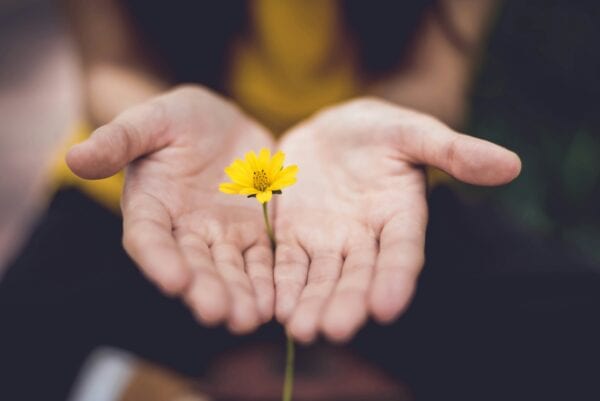

Thankfulness is more than just a polite response; it is a profound emotional state that can transform your perspective on life. When you embrace thankfulness, you begin to see the world through a lens of appreciation, recognizing the small joys and blessings that often go unnoticed. This shift in perspective can lead to a more fulfilling and enriched life. You may find that even in challenging times, a sense of gratitude can provide comfort and hope, reminding you of the good that still exists around you.
Moreover, thankfulness has the power to enhance your relationships and foster a sense of connection with others. When you express gratitude, you not only acknowledge the kindness of those around you but also strengthen the bonds you share. This mutual appreciation creates a positive feedback loop, where gratitude begets more gratitude, enriching your social interactions and creating a supportive environment. By understanding the power of thankfulness, you open yourself up to a world of possibilities, where joy and connection flourish.
The Science Behind Gratitude
Research has shown that gratitude is not merely a fleeting emotion but a complex psychological state with tangible benefits. Studies indicate that when you practice gratitude, your brain releases neurotransmitters such as dopamine and serotonin, which are associated with feelings of happiness and well-being. This biochemical response reinforces the idea that thankfulness can lead to lasting changes in your mood and outlook on life. By understanding the science behind gratitude, you can appreciate its profound impact on your mental and emotional health.
Additionally, gratitude has been linked to improved physical health. When you cultivate a grateful mindset, you may experience lower levels of stress and anxiety, which can contribute to better overall health. Research suggests that grateful individuals tend to engage in healthier behaviors, such as regular exercise and adequate sleep. This connection between gratitude and physical well-being underscores the importance of incorporating thankfulness into your daily routine, as it can lead to a more balanced and healthier lifestyle.
The Benefits of Practicing Thankfulness
Practicing thankfulness offers a multitude of benefits that extend beyond mere emotional upliftment. One significant advantage is the enhancement of your overall mental well-being. When you consciously focus on what you are grateful for, you shift your attention away from negative thoughts and worries. This shift can lead to reduced symptoms of depression and anxiety, allowing you to experience a greater sense of peace and contentment in your life.
Furthermore, thankfulness can improve your resilience in the face of adversity. Life is filled with challenges, but when you cultivate an attitude of gratitude, you develop a stronger ability to cope with stressors. You begin to view obstacles as opportunities for growth rather than insurmountable barriers. This resilience not only helps you navigate difficult situations but also empowers you to bounce back more quickly from setbacks, fostering a sense of strength and determination.
How to Cultivate a Gratitude Mindset
Cultivating a gratitude mindset requires intentional effort and practice. One effective way to start is by keeping a gratitude journal. Each day, take a few moments to write down three things you are thankful for. These can be simple pleasures, such as a warm cup of coffee or a kind word from a friend. By regularly reflecting on the positive aspects of your life, you train your mind to focus on abundance rather than scarcity.
Another powerful technique is to incorporate gratitude into your daily conversations. Make it a habit to express appreciation to those around you, whether it’s thanking a colleague for their help or acknowledging a loved one’s support. This practice not only reinforces your own feelings of gratitude but also encourages others to adopt a similar mindset. As you engage in these practices consistently, you will find that gratitude becomes an integral part of your daily life, shaping your thoughts and interactions in meaningful ways.
The Role of Thankfulness in Mental Health
Thankfulness plays a crucial role in maintaining and enhancing mental health. When you actively practice gratitude, you create a buffer against negative emotions and stressors that can impact your mental well-being. Research has shown that individuals who regularly express gratitude report lower levels of depression and anxiety. By focusing on what you appreciate in life, you cultivate a more positive outlook that can help mitigate feelings of hopelessness or despair.
Moreover, thankfulness fosters emotional resilience by encouraging adaptive coping strategies. When faced with challenges, individuals who practice gratitude are more likely to approach problems with optimism and creativity. This proactive mindset allows you to navigate difficulties with greater ease and confidence. By recognizing the positive aspects of your life, even during tough times, you empower yourself to seek solutions rather than dwell on problems.
Expressing Gratitude in Relationships
Expressing gratitude in relationships is essential for nurturing connections and fostering intimacy. When you take the time to acknowledge the efforts and kindness of those around you, you strengthen the bonds that hold your relationships together. A simple "thank you" can go a long way in making others feel valued and appreciated. This acknowledgment not only enhances their sense of self-worth but also encourages them to continue their supportive behaviors.
In romantic relationships, expressing gratitude can deepen emotional intimacy and enhance satisfaction. Regularly sharing what you appreciate about your partner fosters an environment of love and respect. It allows both partners to feel seen and valued, creating a positive cycle of appreciation that strengthens the relationship over time. By making gratitude a cornerstone of your interactions, you contribute to building lasting connections that thrive on mutual respect and admiration.
Gratitude as a Tool for Resilience
Gratitude serves as an invaluable tool for building resilience in the face of life's challenges. When adversity strikes, it can be easy to become overwhelmed by negative emotions and feelings of defeat. However, by consciously practicing gratitude during tough times, you can shift your focus from what is lacking or difficult to what is still good in your life. This shift allows you to maintain hope and perspective even when circumstances are challenging.
Moreover, gratitude encourages problem-solving and adaptability. When faced with setbacks, individuals who practice thankfulness are more likely to approach challenges with an open mind and a willingness to learn from their experiences. This proactive attitude fosters resilience by empowering you to view obstacles as opportunities for growth rather than insurmountable barriers. By integrating gratitude into your coping strategies, you equip yourself with the tools needed to navigate life's ups and downs with grace and strength.
Incorporating Thankfulness into Daily Life
Incorporating thankfulness into your daily life doesn't have to be complicated; it can be as simple as making small adjustments to your routine. Start by setting aside time each day for reflection or mindfulness practices focused on gratitude. Whether it's during your morning coffee or before bed, take a moment to acknowledge the positive aspects of your day or week. This intentional practice helps reinforce the habit of thankfulness in your mind.
Additionally, consider creating visual reminders of gratitude around your home or workspace. Post-it notes with affirmations or quotes about thankfulness can serve as gentle nudges throughout the day, prompting you to pause and reflect on what you're grateful for at that moment. By embedding these reminders into your environment, you create an atmosphere that encourages appreciation and positivity.
Overcoming Obstacles to Gratitude
While cultivating gratitude is beneficial, it’s important to recognize that obstacles may arise along the way. Life's challenges can sometimes cloud your ability to feel thankful or appreciative. You might find yourself caught in cycles of negativity or stress that make it difficult to see the good around you. Acknowledging these feelings is essential; it's okay to experience moments of doubt or frustration.
To overcome these obstacles, practice self-compassion and patience with yourself. Understand that cultivating gratitude is a journey that requires time and effort. When negative thoughts arise, try reframing them by focusing on what lessons or strengths you've gained from those experiences. This shift in perspective can help break the cycle of negativity and allow space for gratitude to flourish once again.
The Connection Between Thankfulness and Happiness
The connection between thankfulness and happiness is well-documented in psychological research. When you actively practice gratitude, you're likely to experience an increase in overall happiness levels. This correlation stems from the way gratitude shifts your focus from what is lacking in your life to what is abundant and fulfilling. As you acknowledge the positive aspects of your existence, you're more likely to cultivate feelings of joy and contentment.
Moreover, thankfulness enhances your overall life satisfaction by promoting positive emotions and reducing negative ones. When you're grateful for what you have—be it relationships, experiences, or even simple pleasures—you create a foundation for happiness that is less dependent on external circumstances. This internal sense of fulfillment allows you to navigate life's ups and downs with greater ease while maintaining an optimistic outlook.
Spreading Thankfulness in the Community
Spreading thankfulness within your community can create ripples of positivity that extend far beyond individual interactions. When you express gratitude publicly—whether through acts of kindness or words of appreciation—you inspire others to do the same. Consider volunteering for local organizations or participating in community events where acts of kindness are encouraged; these experiences not only benefit others but also reinforce your own sense of gratitude.
Additionally, sharing stories of thankfulness within your community can foster connection and inspire collective appreciation. Organize gatherings where individuals can share their experiences or create platforms—such as social media groups—dedicated to celebrating acts of kindness and gratitude within the community. By actively promoting thankfulness on a larger scale, you contribute to building a culture where appreciation thrives, ultimately enriching the lives of everyone involved.
In conclusion, embracing thankfulness is not just an individual endeavor; it has the power to transform relationships, communities, and even society at large. By understanding its significance and actively practicing gratitude in various aspects of life, you can unlock its myriad benefits while fostering deeper connections with yourself and those around you.
FAQs
What is meant by having a gratitude attitude?
A gratitude attitude refers to consistently recognizing and appreciating the positive aspects of life, including people, experiences, and things, which fosters a mindset of thankfulness and contentment.
How can practicing gratitude impact mental health?
Practicing gratitude has been shown to improve mental health by reducing stress, increasing happiness, enhancing emotional resilience, and promoting a more positive outlook on life.
What are some common ways to cultivate a gratitude attitude?
Common methods include keeping a gratitude journal, regularly expressing thanks to others, reflecting on positive experiences, and practicing mindfulness to become more aware of things to be grateful for.
Can a gratitude attitude improve relationships?
Yes, expressing gratitude can strengthen relationships by fostering appreciation, increasing empathy, and encouraging positive communication between individuals.
Is gratitude attitude linked to physical health benefits?
Research suggests that a gratitude attitude can contribute to better physical health by improving sleep quality, reducing symptoms of illness, and encouraging healthier behaviors.