
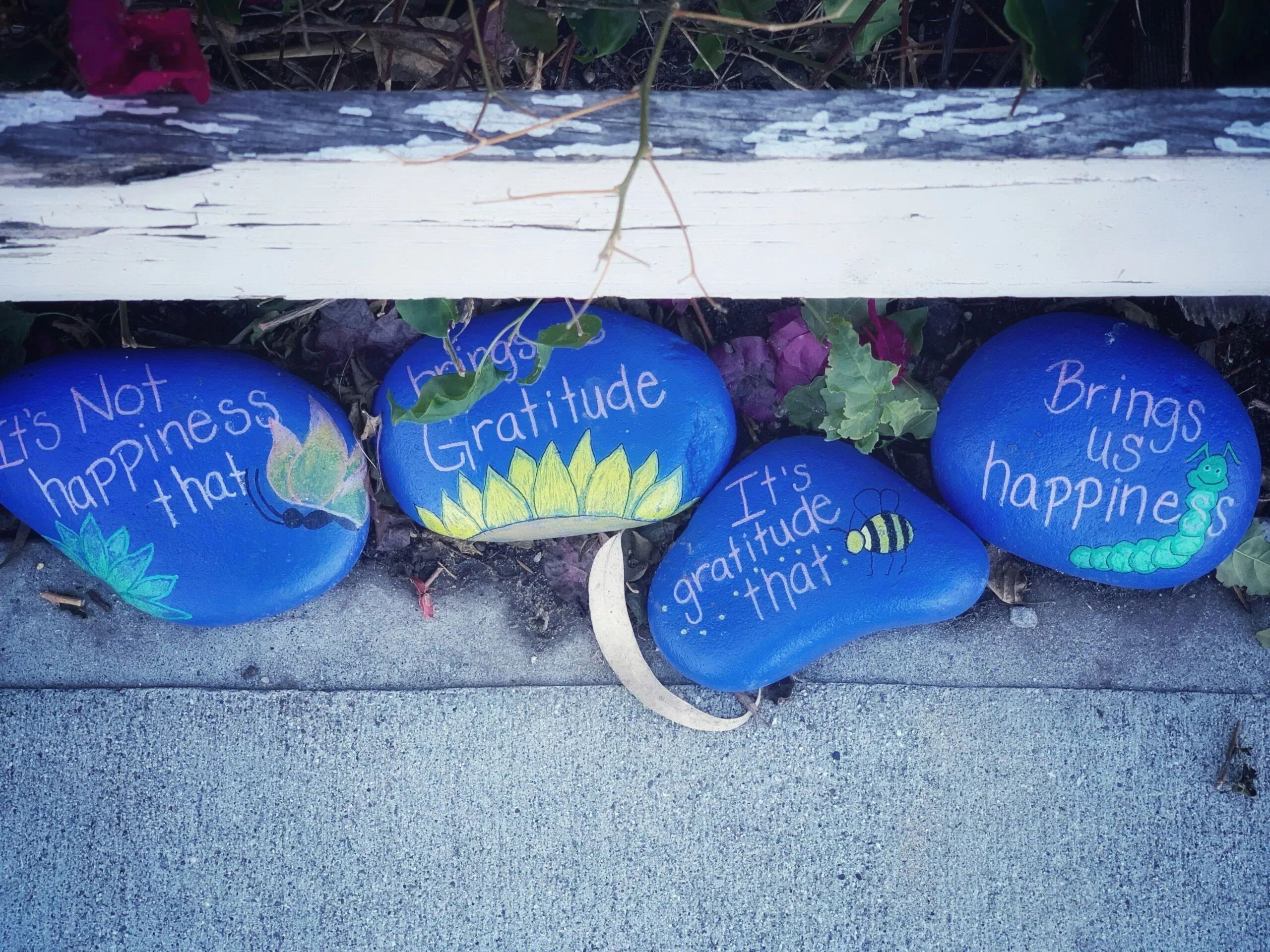
Gratitude is more than just a fleeting feeling; it is a profound acknowledgment of the goodness in your life and the sources of that goodness. When you practice gratitude, you shift your focus from what you lack to what you have, creating a mindset that fosters positivity and appreciation. This simple yet powerful emotion can transform your perspective, allowing you to recognize the abundance that surrounds you. By understanding gratitude as a practice rather than a mere reaction, you can cultivate a deeper sense of fulfillment and joy in your everyday life.
As you delve into the concept of gratitude, you may find that it encompasses a range of emotions and actions. It involves recognizing the kindness of others, appreciating the beauty of nature, or even valuing your own efforts and achievements. This multifaceted nature of gratitude makes it a versatile tool for enhancing your overall well-being. By embracing gratitude, you open yourself up to a world of possibilities, where each moment can be an opportunity for appreciation and reflection.
The science behind gratitude: How practicing gratitude affects the brain
Research has shown that practicing gratitude can lead to significant changes in your brain's chemistry and structure. When you express gratitude, your brain releases neurotransmitters such as dopamine and serotonin, which are often referred to as "feel-good" chemicals. These neurotransmitters play a crucial role in regulating mood and emotions, making you feel happier and more content. Over time, regular expressions of gratitude can even lead to structural changes in the brain, enhancing areas associated with emotional regulation and resilience.
Moreover, studies have indicated that individuals who regularly practice gratitude tend to have lower levels of stress and anxiety. This is largely due to the way gratitude shifts your focus from negative thoughts to positive experiences. By training your brain to recognize and appreciate the good in your life, you create a mental environment that is less susceptible to the effects of stress. This neurobiological response not only improves your mood but also enhances your overall cognitive functioning, allowing you to think more clearly and make better decisions.
The benefits of gratitude: How it improves mental and physical well-being
The benefits of practicing gratitude extend far beyond mere emotional upliftment; they encompass both mental and physical well-being. When you regularly engage in gratitude practices, such as keeping a gratitude journal or expressing thanks to others, you may notice improvements in your mental health. Research has shown that individuals who practice gratitude experience lower levels of depression and anxiety, leading to an overall sense of well-being. This positive mental state can enhance your resilience against life's challenges, making it easier for you to cope with stressors.
In addition to mental health benefits, gratitude has been linked to various physical health improvements. Studies suggest that individuals who practice gratitude tend to engage in healthier behaviors, such as exercising regularly and maintaining a balanced diet. This is likely because a grateful mindset encourages you to take better care of yourself and prioritize your well-being. Furthermore, practicing gratitude has been associated with better sleep quality and lower blood pressure, contributing to a healthier lifestyle overall.
Cultivating gratitude in daily life: Practical tips and techniques
Incorporating gratitude into your daily routine doesn't have to be complicated; there are numerous practical tips and techniques you can use to cultivate this powerful emotion. One effective method is to keep a gratitude journal, where you write down three things you are grateful for each day. This simple practice encourages you to reflect on the positive aspects of your life, helping you develop a habit of appreciation over time. You might find that even on challenging days, there are still moments worth acknowledging.
Another technique is to express gratitude verbally or through written notes. Taking the time to thank someone for their kindness or support not only strengthens your relationship with them but also reinforces your own feelings of gratitude. You could also consider setting aside time each week for a gratitude reflection session, where you review the past week and identify moments or people that brought you joy. By making gratitude a regular part of your life, you create a positive feedback loop that enhances your overall well-being.
Gratitude and relationships: How expressing gratitude strengthens connections
Expressing gratitude plays a vital role in strengthening your relationships with others. When you take the time to acknowledge someone's efforts or kindness, it fosters a sense of connection and trust between you. This acknowledgment not only makes the other person feel valued but also reinforces your bond with them. In relationships—whether they are romantic, familial, or friendships—gratitude acts as a glue that holds connections together, creating an environment where love and appreciation can flourish.
Moreover, expressing gratitude can lead to increased feelings of empathy and understanding within your relationships. When you recognize the contributions of others in your life, it encourages you to see things from their perspective. This shift in mindset can help reduce conflicts and misunderstandings, allowing for healthier communication and deeper connections. By making gratitude a cornerstone of your interactions with others, you create a supportive network that enhances both your emotional well-being and that of those around you.
Gratitude and resilience: How it helps in coping with challenges and adversity
Resilience is the ability to bounce back from adversity, and practicing gratitude can significantly enhance this quality within you. When faced with challenges or setbacks, cultivating a grateful mindset allows you to reframe your experiences positively. Instead of dwelling on what went wrong or what you have lost, gratitude encourages you to focus on what remains and what lessons can be learned from difficult situations. This shift in perspective can empower you to navigate life's challenges with greater strength and determination.
Additionally, gratitude serves as a buffer against negative emotions during tough times. By actively seeking out things to be grateful for—even in the midst of hardship—you create a mental space that fosters hope and optimism. This positive outlook can help mitigate feelings of despair or helplessness, allowing you to approach challenges with a more constructive attitude. As you build resilience through gratitude, you'll find that you're better equipped to handle whatever life throws your way.
Gratitude and success: How it contributes to achieving goals and aspirations
Gratitude can also play a significant role in achieving your goals and aspirations. When you cultivate an attitude of appreciation for what you have accomplished so far, it fuels motivation and encourages further progress. Recognizing your achievements—no matter how small—can boost your confidence and inspire you to set new goals. This positive reinforcement creates a cycle where gratitude leads to increased ambition, ultimately propelling you toward success.
Moreover, practicing gratitude can enhance your focus and productivity. When you're grateful for the opportunities available to you, you're more likely to approach tasks with enthusiasm and dedication. This heightened sense of purpose can lead to improved performance in both personal and professional endeavors. By integrating gratitude into your goal-setting process, you'll find that it not only enriches your journey but also helps you stay aligned with your aspirations.
Gratitude and mindfulness: How it enhances present moment awareness
Gratitude is closely intertwined with mindfulness—the practice of being fully present in the moment without judgment. When you cultivate gratitude, you're encouraged to slow down and appreciate the here and now rather than getting caught up in worries about the future or regrets about the past. This heightened awareness allows you to savor life's experiences more deeply, fostering a sense of fulfillment that comes from being fully engaged in each moment.
Incorporating mindfulness into your gratitude practice can amplify its effects even further. For instance, when reflecting on what you're grateful for, take a moment to truly immerse yourself in those feelings. Close your eyes, breathe deeply, and visualize the people or experiences you're thankful for. This mindful approach not only enhances your appreciation but also reinforces the positive emotions associated with gratitude, creating a lasting impact on your overall well-being.
Gratitude and self-esteem: How it boosts self-worth and confidence
Practicing gratitude can have a profound effect on your self-esteem and self-worth. When you take the time to acknowledge your accomplishments and the positive aspects of yourself, it fosters a sense of self-acceptance that is crucial for building confidence. Gratitude encourages you to recognize your strengths and contributions, helping you develop a more positive self-image over time.
Furthermore, expressing gratitude towards yourself—whether through self-affirmations or acknowledging personal achievements—can reinforce feelings of worthiness. By appreciating who you are and what you've accomplished, you're less likely to compare yourself negatively to others. This shift in perspective allows you to embrace your unique journey with pride, ultimately boosting your confidence as you navigate life's challenges.
Gratitude and empathy: How it fosters compassion and understanding towards others
Gratitude has the remarkable ability to foster empathy and compassion towards others. When you practice gratitude regularly, it encourages you to recognize the interconnectedness of human experiences. You begin to understand that everyone faces struggles and challenges; this awareness cultivates compassion for others' situations. As you express appreciation for the kindness you've received from others, you're more likely to extend that same kindness back into the world.
Moreover, practicing gratitude can enhance your ability to listen actively and respond empathetically in conversations. When you're grounded in appreciation for those around you, you're more inclined to engage with them authentically. This deepened connection not only strengthens relationships but also creates an environment where empathy thrives—allowing for greater understanding and support among individuals.
The transformative power of practicing gratitude
In conclusion, the transformative power of practicing gratitude cannot be overstated. From enhancing mental health and resilience to strengthening relationships and boosting self-esteem, the benefits are far-reaching and profound. By incorporating gratitude into your daily life through simple practices like journaling or expressing thanks, you open yourself up to a world filled with positivity and abundance.
As you embark on this journey of cultivating gratitude, remember that it's not just about acknowledging the good; it's about embracing every aspect of life with an open heart. The more consistently you practice gratitude, the more you'll find it shaping not only your perspective but also your experiences in meaningful ways. Ultimately, by making gratitude an integral part of who you are, you'll discover its incredible potential to transform not just your own life but also the lives of those around you.
FAQs
What is gratitude?
Gratitude is the practice of recognizing and appreciating the positive aspects of life, including people, experiences, and things. It involves acknowledging the good and expressing thankfulness.
How can practicing gratitude benefit mental health?
Practicing gratitude has been shown to improve mental health by reducing stress, increasing happiness, and promoting a more positive outlook on life. It can also help decrease symptoms of depression and anxiety.
What are some common ways to practice gratitude?
Common methods include keeping a gratitude journal, writing thank-you notes, reflecting on things you are thankful for daily, and verbally expressing appreciation to others.
How often should one practice gratitude to see benefits?
Regular practice, such as daily or several times a week, is recommended to experience the full benefits of gratitude. Consistency helps reinforce positive thinking patterns.
Can gratitude improve relationships?
Yes, expressing gratitude can strengthen relationships by fostering feelings of connection, appreciation, and mutual respect between individuals. It encourages positive communication and empathy.