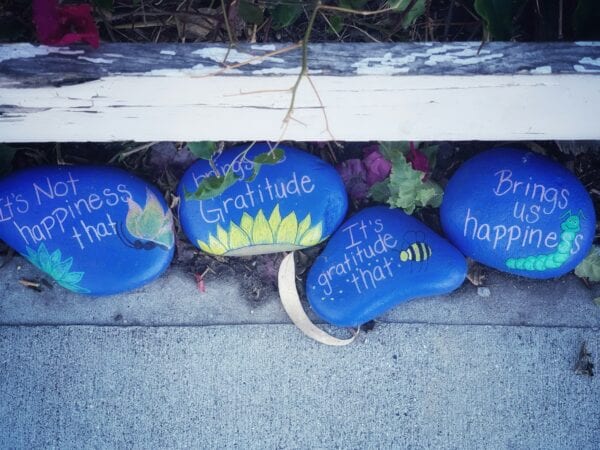

Imagine waking up each day with a sense of appreciation that colors your world. This is the essence of a gratitude practice—a simple yet profound way to shift your perspective and enhance your overall well-being. You might wonder how something as straightforward as acknowledging what you’re thankful for can create such a ripple effect in your life. The truth is, gratitude is not just a fleeting emotion; it’s a powerful tool that can transform your mindset, relationships, and even your health. By consciously focusing on the positive aspects of your life, you can cultivate a deeper sense of joy and fulfillment.
As you embark on this journey of gratitude, you’ll find that it’s not just about counting your blessings in solitude. In fact, sharing this practice with friends can amplify its effects, creating a supportive community that nurtures growth and connection. Together, you can explore the depths of gratitude, discovering new ways to appreciate each other and the world around you. This article will guide you through the various facets of establishing a gratitude practice, particularly in the context of friendship, helping you to foster deeper connections and a more positive outlook on life.
Benefits of Practicing Gratitude
When you actively engage in gratitude, you open the door to a multitude of benefits that extend far beyond mere happiness. Research has shown that practicing gratitude can lead to improved mental health, reduced stress levels, and even enhanced physical well-being. You may notice that as you express appreciation for the little things—a warm cup of coffee, a kind word from a friend—you begin to feel lighter and more at ease. This shift in focus allows you to cultivate resilience against life’s challenges, making it easier to navigate through tough times.
Moreover, gratitude has a remarkable way of strengthening relationships. When you express appreciation to those around you, it fosters a sense of belonging and connection. You might find that your friendships deepen as you share moments of gratitude together, creating a bond that is rooted in mutual respect and understanding. This practice not only enriches your own life but also enhances the lives of those you care about, creating a ripple effect of positivity that can transform your social circle.
Choosing the Right Friends for a Gratitude Practice
As you consider embarking on this gratitude journey with friends, it’s essential to choose companions who resonate with your intentions. Look for individuals who are open-minded and willing to explore their emotions alongside you. These are the friends who will not only participate in the practice but will also encourage you to dig deeper into your feelings of appreciation. You want to surround yourself with people who uplift you and inspire you to see the beauty in everyday moments.
It’s also important to consider the dynamics of your friendships. Are there friends who tend to focus on negativity or complain frequently? While it’s natural for everyone to have their moments, engaging in gratitude with those who consistently bring down the mood may hinder your progress. Instead, seek out friends who share a similar outlook on life—those who are eager to celebrate successes, no matter how small, and who understand the value of expressing gratitude. Together, you can create an environment that nurtures positivity and growth.
Setting Up a Gratitude Circle with Friends
Once you've identified the right friends for your gratitude practice, it’s time to establish a gratitude circle. This can be as simple as gathering once a week or once a month to share what you’re thankful for. Choose a comfortable setting—perhaps someone’s living room or a cozy café—where everyone feels at ease. The key is to create an atmosphere that encourages openness and vulnerability, allowing each person to express their thoughts without fear of judgment.
During these gatherings, consider incorporating structured activities that guide your discussions. You might start with each person sharing one thing they’re grateful for that week or even writing down their thoughts beforehand to share later. This not only helps everyone articulate their feelings but also sets the tone for deeper conversations about what gratitude means to each individual. As you share these moments together, you’ll find that the act of expressing gratitude becomes more meaningful and impactful.
Sharing Gratitude Exercises and Activities
To keep your gratitude circle engaging and dynamic, consider introducing various exercises and activities that promote reflection and connection. One popular exercise is the “gratitude jar,” where each member writes down things they are thankful for on slips of paper and places them in a jar throughout the week. During your gatherings, take turns reading these notes aloud, allowing everyone to bask in the collective appreciation.
Another activity could involve creating a “gratitude collage.” Gather magazines, scissors, glue, and poster boards, and invite everyone to cut out images or words that represent what they are grateful for. This creative outlet not only sparks joy but also serves as a visual reminder of the positive aspects of life. As you engage in these activities together, you’ll find that they foster deeper connections and create lasting memories centered around gratitude.
Keeping the Momentum Going
Maintaining enthusiasm for your gratitude practice can sometimes be challenging, especially as life gets busy or distractions arise. To keep the momentum going, consider setting specific goals or themes for each gathering. For instance, one week could focus on gratitude for personal growth, while another might center around appreciating relationships. By introducing new themes, you’ll encourage fresh perspectives and keep everyone engaged.
Additionally, consider incorporating technology into your practice. Create a group chat or social media group where members can share daily or weekly moments of gratitude outside of your regular meetings. This ongoing dialogue will help reinforce the importance of gratitude in everyday life and remind everyone of the positive experiences they may otherwise overlook.
Overcoming Challenges in a Gratitude Practice
While practicing gratitude can be incredibly rewarding, it’s not without its challenges. You may encounter moments when expressing appreciation feels forced or insincere—especially during difficult times. It’s essential to acknowledge these feelings rather than suppress them. Remember that gratitude doesn’t mean ignoring hardships; it’s about finding light even in dark moments. Encourage open discussions within your circle about these challenges so that everyone feels supported in their journey.
Another common hurdle is complacency; as time goes on, it’s easy to fall into routine and lose sight of the initial excitement surrounding your practice. To combat this, regularly revisit your goals and intentions for the gratitude circle. Reflect on what has worked well and what could be improved. By keeping communication open and being willing to adapt, you’ll ensure that your practice remains vibrant and meaningful.
Creating a Safe and Supportive Environment
A successful gratitude practice thrives in an environment where everyone feels safe and supported. It’s crucial to establish ground rules that promote respect and confidentiality within your circle. Encourage members to listen actively without interrupting or judging one another’s experiences. This creates a space where vulnerability is welcomed, allowing everyone to share their thoughts freely.
Additionally, be mindful of individual differences in how people express gratitude. Some may be more comfortable sharing verbally, while others might prefer written expressions or creative outlets. Embrace these differences and encourage each member to engage in ways that feel authentic to them. By fostering an inclusive atmosphere, you’ll strengthen the bonds within your circle and enhance the overall experience.
Reflecting on the Impact of Gratitude Practice on Friendships
As you continue your gratitude practice with friends, take time to reflect on its impact on your relationships. You may notice shifts in how you communicate with one another—conversations may become more meaningful as you delve into deeper topics related to appreciation and support. The act of sharing gratitude can also lead to increased empathy and understanding among friends, creating an environment where everyone feels valued.
Moreover, consider how this practice influences your individual perspectives on life. You might find yourself becoming more attuned to moments of joy or kindness throughout your day-to-day experiences. As you collectively embrace gratitude, it can transform not only how you view each other but also how you perceive the world around you.
Building a Gratitude Ritual with Friends
To deepen your commitment to practicing gratitude together, consider establishing a ritual that reinforces this shared value. This could be as simple as starting each gathering with a moment of silence where everyone reflects on what they’re grateful for before sharing aloud. Alternatively, you might choose to end each meeting with a group affirmation or mantra centered around gratitude.
Creating rituals adds structure and meaning to your practice while reinforcing its importance in your lives. These shared experiences become touchstones that remind everyone of their commitment to cultivating gratitude together—an anchor amidst life’s inevitable ups and downs.
Maintaining Gratitude Practice in the Long Term
As time goes on, maintaining your gratitude practice may require intentional effort and creativity. Consider scheduling regular check-ins with your circle to assess how everyone is feeling about the practice and whether any adjustments are needed. This ongoing dialogue will help keep everyone engaged while ensuring that the practice continues to resonate with each member.
Additionally, don’t hesitate to explore new avenues for expressing gratitude beyond your circle gatherings. Encourage friends to incorporate individual practices into their daily lives—whether through journaling, meditation, or simply taking moments throughout the day to appreciate small joys. By fostering an environment where gratitude is celebrated both collectively and individually, you’ll create lasting habits that enrich not only your friendships but also your overall quality of life.
In conclusion, embarking on a gratitude practice with friends can be one of the most rewarding journeys you undertake together. By nurturing this shared experience, you’ll cultivate deeper connections while enhancing your overall well-being. So gather your friends, embrace vulnerability, and let gratitude illuminate your lives in ways you never thought possible!
FAQs
What is a gratitude practice?
A gratitude practice involves regularly acknowledging and appreciating the positive aspects of life. It can include activities like journaling, sharing thanks, or reflecting on things you are grateful for.
How can friends support each other in building a gratitude practice?
Friends can support each other by sharing daily or weekly gratitude lists, encouraging open conversations about positive experiences, and reminding one another to focus on appreciation during challenging times.
What are some simple ways to start a gratitude practice with friends?
Simple ways include setting up a group chat to share daily gratitude messages, organizing regular meetups to discuss things you’re thankful for, or creating a shared gratitude journal where everyone contributes.
What are the benefits of practicing gratitude with friends?
Practicing gratitude with friends can strengthen relationships, increase feelings of happiness and well-being, reduce stress, and create a supportive community focused on positivity.
How often should a gratitude practice be done to be effective?
For best results, a gratitude practice can be done daily or several times a week. Consistency helps build a habit and reinforces a positive mindset over time.