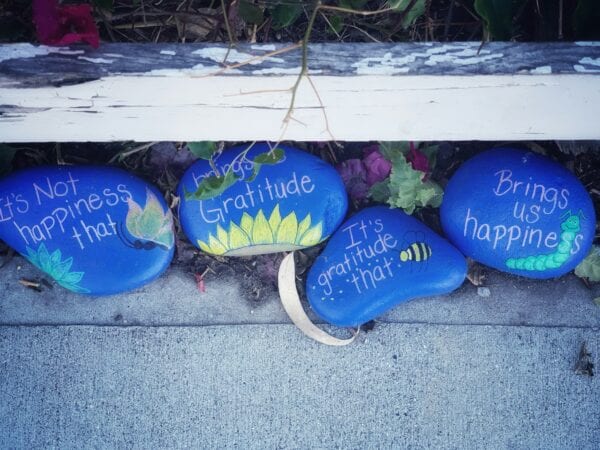

Imagine waking up each day with a sense of purpose and appreciation. You open your eyes, and instead of feeling overwhelmed by the tasks ahead, you take a moment to acknowledge the simple joys around you. This is the essence of a gratitude practice—a conscious effort to recognize and appreciate the good in your life. It’s not just a fleeting feeling; it’s a transformative journey that can reshape your perspective and enhance your overall well-being. As you embark on this journey, you’ll discover that gratitude is more than just saying “thank you.” It’s a powerful tool that can help you navigate life’s ups and downs with grace and resilience.
In a world that often emphasizes what’s lacking, cultivating gratitude can feel like a radical act. You may find yourself caught in the whirlwind of daily stressors, but by intentionally focusing on what you’re grateful for, you can shift your mindset. This practice invites you to pause, reflect, and savor the moments that bring you joy. Whether it’s the warmth of the sun on your skin, the laughter of a friend, or the comfort of a cozy home, gratitude allows you to connect with the present moment. As you delve deeper into this practice, you’ll uncover layers of meaning and appreciation that can enrich your life in ways you never imagined.
The Science Behind Gratitude
The benefits of gratitude are not just anecdotal; they are backed by a growing body of scientific research. Studies have shown that practicing gratitude can lead to significant improvements in mental health, emotional well-being, and even physical health. When you express gratitude, your brain releases neurotransmitters like dopamine and serotonin—chemicals that promote feelings of happiness and contentment. This biological response creates a positive feedback loop, encouraging you to continue seeking out experiences that foster gratitude.
Moreover, research indicates that gratitude can enhance your resilience in the face of adversity. When challenges arise, those who maintain a gratitude practice are more likely to cope effectively and bounce back from setbacks. By focusing on what you appreciate, you create a mental buffer against stress and negativity. This shift in perspective not only helps you navigate difficult situations but also fosters a sense of hope and optimism for the future. As you explore the science behind gratitude, you’ll find that it’s not just a feel-good exercise; it’s a profound practice with tangible benefits for your mind and body.
Day 1-10: Initial Changes and Observations
As you embark on your gratitude journey, the first ten days are often filled with excitement and curiosity. You may start by keeping a gratitude journal, jotting down three things each day that you appreciate. At first, it might feel challenging to identify these moments, especially if you’re accustomed to focusing on the negative aspects of life. However, as you persist, you’ll likely notice subtle shifts in your mindset. Perhaps you find yourself smiling more often or feeling a sense of warmth when recalling positive experiences.
During this initial phase, it’s common to experience heightened awareness of your surroundings. You might notice the beauty of nature more vividly or feel a deeper connection with loved ones. These small observations can spark joy and remind you of the richness in everyday life. You may also find that expressing gratitude to others—whether through a heartfelt note or a simple “thank you”—deepens your relationships and fosters a sense of community. As these initial changes unfold, you’ll begin to realize that gratitude is not just an act; it’s a way of being.
Day 11-20: Deeper Emotional Shifts
As you move into the second week of your gratitude practice, something remarkable begins to happen: your emotional landscape starts to shift. You may find that feelings of anxiety or sadness begin to dissipate as gratitude takes root in your heart. This transformation is not merely coincidental; it’s a reflection of the profound impact that gratitude can have on your emotional well-being. By consciously focusing on what you appreciate, you create space for positive emotions to flourish.
During this period, you might also notice an increased capacity for empathy and compassion toward others. As you cultivate gratitude within yourself, it becomes easier to extend that same appreciation to those around you. You may find yourself more patient with loved ones or more understanding of their struggles. This deepening emotional connection can lead to richer interactions and a greater sense of belonging. As you embrace these shifts, remember that gratitude is not just about counting blessings; it’s about fostering a mindset that nurtures love and connection.
Day 21-30: Long-Term Effects and Benefits
As you approach the final stretch of your 30-day gratitude practice, the long-term effects become increasingly evident. You may find that gratitude has woven itself into the fabric of your daily life, influencing how you perceive challenges and opportunities alike. The initial excitement may have settled into a steady rhythm, but the benefits continue to unfold in profound ways. You might notice that setbacks no longer feel insurmountable; instead, they become opportunities for growth and learning.
Moreover, as gratitude becomes ingrained in your routine, it can lead to lasting changes in your overall outlook on life. You may find yourself approaching each day with a sense of curiosity and wonder rather than dread or obligation. This shift in perspective can enhance your resilience, allowing you to navigate life’s uncertainties with grace. By the end of this month-long journey, you’ll likely have cultivated a deeper appreciation for both the big moments and the small joys that make life meaningful.
Improved Relationships and Social Interactions
One of the most significant benefits of maintaining a gratitude practice is its positive impact on your relationships and social interactions. As you express appreciation for those around you—whether through verbal affirmations or thoughtful gestures—you create an environment where love and connection can thrive. Your friends and family may respond with increased warmth and openness, fostering deeper bonds that enrich your life.
Additionally, practicing gratitude can enhance your ability to communicate effectively with others. When you approach conversations from a place of appreciation, it becomes easier to listen actively and empathize with different perspectives. This shift can lead to more meaningful discussions and stronger connections with those around you. As your relationships flourish, you’ll likely find that gratitude not only strengthens existing bonds but also opens doors to new friendships and opportunities for collaboration.
Increased Mental and Emotional Well-being
The mental and emotional benefits of gratitude are profound and far-reaching. As you continue your practice beyond the initial 30 days, you may notice an overall increase in your sense of well-being. Feelings of anxiety or depression may diminish as gratitude becomes a cornerstone of your daily routine. By focusing on what brings you joy rather than what weighs you down, you cultivate a mindset that promotes positivity and resilience.
Moreover, practicing gratitude can enhance your self-esteem and self-worth. When you acknowledge the good in your life—whether it’s personal achievements or supportive relationships—you reinforce a sense of value within yourself. This newfound confidence can empower you to pursue goals with enthusiasm and determination. As your mental and emotional well-being flourishes, you'll find that life feels more vibrant and fulfilling.
Physical Health Benefits
While the emotional benefits of gratitude are well-documented, its impact on physical health is equally noteworthy. Research suggests that individuals who practice gratitude regularly tend to experience better sleep quality, lower blood pressure, and improved immune function. By reducing stress levels through gratitude, you create an environment where your body can heal and thrive.
Additionally, practicing gratitude can encourage healthier lifestyle choices. When you cultivate an appreciation for your body and its capabilities, you're more likely to engage in activities that promote well-being—such as exercise, nutritious eating, and self-care practices. This holistic approach to health reinforces the idea that gratitude is not just an emotional exercise; it’s a comprehensive practice that nurtures both mind and body.
Gratitude's Impact on Productivity and Success
As you integrate gratitude into your daily routine, its effects extend beyond personal well-being; they also influence your productivity and success in various areas of life. When you approach tasks with an attitude of appreciation—whether it’s for the opportunity to learn or the support of colleagues—you cultivate a mindset that fosters creativity and innovation. Gratitude encourages you to see challenges as opportunities for growth rather than obstacles to overcome.
Moreover, expressing gratitude in professional settings can enhance teamwork and collaboration. When team members feel appreciated for their contributions, they are more likely to engage fully in their work and support one another’s efforts. This positive atmosphere can lead to increased productivity and improved outcomes for projects or initiatives. As you embrace gratitude as part of your professional life, you'll find that it not only enhances your own performance but also elevates those around you.
Overcoming Challenges and Adversity with Gratitude
Life is filled with challenges—some expected, others unforeseen—but practicing gratitude equips you with tools to navigate adversity with resilience. When faced with difficulties, taking time to reflect on what you're grateful for can provide perspective and clarity amidst chaos. Instead of becoming overwhelmed by negative emotions, gratitude allows you to focus on potential solutions or lessons learned from tough experiences.
This doesn’t mean ignoring pain or hardship; rather, it’s about acknowledging both sides of life—the light and the dark—and finding strength in appreciation even during difficult times. By cultivating this mindset, you'll discover an inner reservoir of resilience that empowers you to face challenges head-on while maintaining hope for brighter days ahead.
Sustaining a Gratitude Practice Beyond 30 Days
As your 30-day journey comes to an end, consider how to sustain this transformative practice in the long run. Gratitude is not merely a fleeting trend; it’s a lifelong commitment to appreciating life’s blessings—big or small—every day moving forward. To maintain momentum beyond this initial phase, consider integrating gratitude into existing routines—perhaps by starting each day with a moment of reflection or ending each evening by recounting three things you're thankful for.
You might also explore new ways to express gratitude—through creative outlets like art or writing—or by sharing your appreciation with others regularly. The key is to remain intentional about nurturing this practice so it continues enriching your life long after those first 30 days have passed. By doing so, you'll cultivate an enduring sense of joy that transforms not only how you see the world but also how others experience their time with you—a beautiful ripple effect born from simple acts of appreciation.
FAQs
What is gratitude practice?
Gratitude practice involves regularly acknowledging and appreciating the positive aspects of life. This can be done through journaling, meditation, or simply reflecting on things you are thankful for each day.
How does practicing gratitude for 30 days affect mental health?
Practicing gratitude consistently for 30 days has been shown to improve mental health by reducing symptoms of depression and anxiety, increasing feelings of happiness, and promoting a more positive outlook on life.
Can gratitude practice improve physical health?
Yes, studies suggest that gratitude practice can lead to better physical health by improving sleep quality, reducing stress levels, and enhancing overall well-being.
What are common methods to practice gratitude daily?
Common methods include keeping a gratitude journal, writing thank-you notes, meditating on things you are grateful for, and verbally expressing appreciation to others.
Is 30 days enough to see benefits from gratitude practice?
Many research studies indicate that practicing gratitude daily for 30 days is sufficient to experience noticeable improvements in mood, relationships, and overall life satisfaction. However, continued practice can lead to longer-lasting benefits.