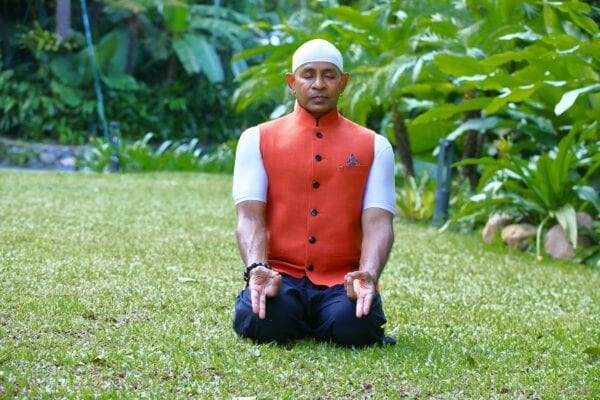

You’ve likely heard the buzzword, seen the articles, and maybe even dabbled in a guided meditation. Mindfulness. It’s not just a trend; it’s a powerful tool for cultivating not just a calmer mind, but a sturdier emotional foundation. You’re standing at the precipice of building significant emotional strength, and the path to mastering mindfulness is more accessible than you might think. This isn’t about achieving some unattainable state of perfect serenity, but about developing the practical skills to navigate the inevitable ups and downs of life with greater resilience and self-awareness. You’re about to embark on a journey of self-discovery and empowerment, one breath at a time.
Before you can build emotional strength with mindfulness, you need to grasp what it truly is. It’s not about emptying your mind or stopping your thoughts; that's a common misconception that can be discouraging for beginners. Instead, mindfulness is about paying attention to the present moment, without judgment. It’s about cultivating a gentle awareness of your thoughts, feelings, bodily sensations, and the surrounding environment as they arise. You’re learning to observe your internal landscape with curiosity and acceptance, rather than getting immediately swept away by it.
The Beginner's Mindset: Your Starting Point
If you’re new to this, welcome! A comprehensive beginner's guide, like one you might find on Apple Podcasts in an episode titled "Mastering Mindfulness: A Guide for Newbies," will emphasize the fundamentals. You'll learn that mindfulness is a skill, much like learning to play an instrument or a sport. It requires practice, consistency, and patience. Don't expect overnight results. Your initial goal is simply to begin. This might involve short, focused exercises designed to improve your concentration and reduce immediate stress. Think of it as developing your mental muscle.
What is "Present Moment Awareness"?
At its heart, mindfulness is about anchoring yourself in the "now." This means actively noticing what's happening right now, rather than dwelling on the past or worrying about the future. You're not ignoring your responsibilities or your concerns; you're simply choosing where to direct your focus. This practice is foundational to building emotional strength because it interrupts the automatic reactions that often lead to overwhelm.
Debunking Mindfulness Myths for Newcomers
Many people believe that mindfulness requires hours of silent meditation in a serene setting. While that can be beneficial, it’s not the only way, and certainly not the starting point for most. The truth is, you can practice mindfulness in almost any situation. Observing your thoughts, feeling the sensation of your feet on the ground as you walk, or simply noticing the taste of your food – these are all forms of mindfulness. The key is the quality of your attention.
The Science Behind Building Emotional Strength
The power of mindfulness isn't just anecdotal; it's backed by robust scientific research. Understanding this can provide a powerful motivator as you build your emotional resilience. Studies are revealing how mindfulness practice physically changes your brain, making you more adept at handling stress and regulating your emotions.
Rewiring Your Brain with Neuroplasticity
Dr. Eva Selhub’s work highlights a crucial aspect: mindfulness rewires your brain. Over 350 studies have demonstrated that consistent mindfulness practice strengthens the connections between your prefrontal cortex (responsible for executive functions like decision-making and emotional regulation) and your amygdala (the brain's "fear center"). This leads to reduced activity in the amygdala, meaning you're less likely to be triggered by stressors. This neuroplasticity is the biological basis for your growing emotional strength.
How the Prefrontal Cortex and Amygdala Interact
Imagine your prefrontal cortex as the wise, calm overseer of your brain, and your amygdala as the alarm bell. When you’re stressed, the amygdala can go into overdrive, triggering a fight-or-flight response. Mindfulness practice helps your prefrontal cortex become more dominant, allowing you to respond to situations with thoughtful consideration rather than automatic panic. You develop a greater capacity to pause, assess, and choose your response.
The Impact of Consistent Practice on Brain Structure
The benefit isn't just about reducing activity; it's about strengthening neural pathways. Regular mindfulness, even for as little as 5-10 minutes daily, encourages the physical growth and connectivity in brain regions associated with emotional regulation and self-awareness. You are quite literally building a more resilient brain architecture.
Mindfulness as a Tool for Psychological Resilience
The concept of resilience – the ability to bounce back from adversity – is deeply intertwined with mindfulness. As highlighted in resources like YouTube channels discussing simple coping strategies, mindfulness is a key tool for developing mental fortitude. It equips you with the ability to face challenges without becoming overwhelmed, fostering a sense of psychological resilience that is invaluable.
Responding to Stress Without Overwhelm
Instead of being consumed by stress, mindfulness teaches you to observe it. You learn to recognize the physical and mental sensations of stress as they arise, acknowledge them without judgment, and then gently redirect your attention. This process prevents stress from spiraling into panic or despair. You gain the ability to experience stress and consciously choose how you want to interact with it.
Cultivating a Positive Relationship with Your Emotions
Mindfulness isn't about suppressing negative emotions; it's about developing a healthier relationship with all your emotions. By observing your feelings without immediate reaction, you begin to understand their transient nature. This understanding reduces their power over you and allows you to experience a greater sense of peace, even amidst difficult emotions.
Practical Exercises for Building Emotional Strength

Theory is important, but application is where you'll see real change. Mastering mindfulness for emotional strength is an active pursuit, involving engaging in specific practices that train your mind. These exercises are designed to be accessible and gradually build your capacity.
Mindful Breathing: Your Anchor in Any Storm
The breath is your constant companion and the most accessible mindfulness tool. Learning to focus on your breath is a simple yet profound way to bring yourself back to the present moment, especially when you feel yourself becoming agitated or distracted.
The 4-2-6 Breathing Pattern for Calm
A specific technique, like the 4-2-6 breathing pattern recommended in blogs focusing on building a resilient mind, can be particularly effective. You inhale for a count of four, hold your breath for a count of two, and exhale for a count of six. This slow, deliberate breathing pattern activates your parasympathetic nervous system, promoting relaxation and reducing your heart rate and blood pressure. This is a fantastic technique to use in moments of anxiety or before a challenging situation.
Focusing on the Sensation of Breath
Beyond a specific pattern, you can simply focus on the physical sensations of breathing. Notice the rise and fall of your chest or abdomen, the feeling of air entering and leaving your nostrils. When your mind wanders, as it inevitably will, gently bring your attention back to your breath. This simple act of returning over and over is the essence of the practice.
Daily Mindfulness Practices for Consistent Growth
Consistency is key to building any skill, and mindfulness is no exception. Integrating short, regular mindfulness practices into your daily routine will yield greater results than sporadic, lengthy sessions.
Mindful Walking: Engaging Your Senses
Walking doesn't have to be just a way to get from Point A to Point B. Embrace mindful walking as an opportunity to connect with your environment and your body. Pay attention to the feeling of your feet hitting the ground, the swing of your arms, the sights and sounds around you. This practice can be a wonderful way to punctuate your day with moments of calm and awareness.
Observing Thoughts Without Judgment
A core component of mindfulness is learning to observe your thoughts as transient mental events, rather than absolute truths. In your daily practice, you might sit for a few minutes and simply notice the thoughts that arise. You don't try to stop them, change them, or analyze them. You simply observe them, like clouds passing in the sky. This practice is crucial for emotional self-mastery, as it helps you detach from unhelpful thought patterns.
Gratitude as a Resilience Booster
Specific gratitude practices can significantly enhance your emotional strength. Instead of general thankfulness, try to pinpoint specific things you are grateful for each day. This could be as simple as the warmth of the sun on your skin, a helpful conversation, or a moment of quiet. Focusing on gratitude shifts your perspective, counteracting negativity and fostering a more positive outlook. The "Ahead App Blog" often features practices like this for emotional strength and regulation.
Integrating Meditation for Deeper Emotional Healing

While daily mindfulness exercises are essential, dedicated meditation sessions can offer a deeper dive into emotional healing and stress reduction. These sessions provide a more structured environment to cultivate your inner landscape.
The Power of Dedicated Meditation Sessions
A commitment to daily mindfulness, even 10-15 minutes of meditation, can lead to significant emotional healing. Resources dedicated to an "Emotional Self Mastery Guide" on sites like Science Divine emphasize the transformative potential of regular meditation. It’s in these dedicated times that you can truly explore your inner world with focused attention.
Meditation for Stress and Anxiety Reduction
Meditation is a proven method for reducing stress and anxiety. By quieting the mental chatter and focusing your awareness, you create a space of calm that can counteract the physiological and psychological effects of chronic stress. The practice helps you develop a sense of calm that you can then carry with you throughout your day.
Cultivating Inner Peace and Self-Acceptance
Through consistent meditation and mindfulness, you begin to cultivate a deeper sense of inner peace. You learn to accept yourself as you are, flaws and all. This self-acceptance is a cornerstone of emotional strength, freeing you from the constant need for external validation and allowing you to navigate life with greater authenticity and confidence.
Finding Your Meditation Style
There isn't a one-size-fits-all approach to meditation. Experiment to find what resonates with you. This could involve guided meditations, where a teacher's voice leads you through the process, or unguided meditation, where you cultivate your own inner awareness.
Guided Meditations for Support
For beginners, guided meditations are often the most accessible. They provide clear instructions and can help you stay focused. Many apps and online platforms offer a vast library of guided meditations for various purposes, including stress reduction, emotional healing, and self-compassion.
Unguided Meditation: Developing Inner Awareness
As you become more comfortable, you might explore unguided meditation. This involves sitting in silence and simply observing your internal experience, returning to your anchor (often the breath) whenever your mind wanders. This practice develops your ability to self-regulate and tap into your own inner wisdom.
Building Emotional Resilience Through Consistent Practice
Mastering mindfulness isn't a destination; it's an ongoing journey. Your commitment to consistent practice is what will truly build your emotional strength and resilience over time. It's about imbuing your daily life with a mindful approach, transforming how you experience challenges and cultivate inner peace.
Creating Sustainable Routines for Mental Muscle
The "Mastering Mindfulness: A Guide for Newbies" episode likely stresses the importance of building consistent routines. Think of your mindfulness practice as exercise for your brain. Just as you wouldn't expect to become physically fit by going to the gym once a month, you won't build significant emotional strength without regular practice.
Setting Realistic Goals for Your Practice
Start small. If 10-15 minutes of meditation feels daunting, begin with 2-3 minutes. The goal is to create a sustainable habit that you can maintain. Gradually increase the duration as you become more comfortable and experience the benefits. Prioritize consistency over intensity.
Overcoming Obstacles and Staying Motivated
There will be days when you feel unmotivated, or when your mind seems particularly restless. This is normal. Acknowledge these challenges without judgment and gently recommit to your practice. Remind yourself of why you started this journey – to build emotional strength, resilience, and inner peace. Celebrate your small victories and be patient with yourself.
Mindfulness as a Lifelong Skill
The skills you develop through mindfulness are not temporary fixes. They are lifelong tools that will serve you in navigating the ever-changing landscape of your life. By embracing mindfulness, you are not just learning to cope; you are learning to thrive. You are building a deep, unshakeable well of emotional strength from which you can draw, no matter what life throws your way. You are becoming more present, more accepting, and ultimately, more resilient. You are, in essence, mastering yourself.
FAQs
What is mindfulness?
Mindfulness is the practice of being fully present and engaged in the moment, without judgment. It involves paying attention to thoughts, feelings, bodily sensations, and the surrounding environment.
How does mindfulness contribute to emotional strength?
Mindfulness can help individuals develop emotional strength by increasing self-awareness, reducing stress and anxiety, improving emotional regulation, and enhancing resilience in the face of challenges.
What are the benefits of practicing mindfulness for emotional strength?
Practicing mindfulness can lead to improved mental and emotional well-being, increased self-compassion, better decision-making, and a greater sense of overall happiness and contentment.
How can one incorporate mindfulness into their daily routine?
Mindfulness can be incorporated into daily routines through practices such as meditation, deep breathing exercises, mindful eating, and paying attention to everyday activities with full awareness.
Are there any scientific studies supporting the benefits of mindfulness for emotional strength?
Yes, numerous scientific studies have shown that mindfulness practices can lead to positive changes in the brain, reduce symptoms of anxiety and depression, and improve overall emotional well-being.