
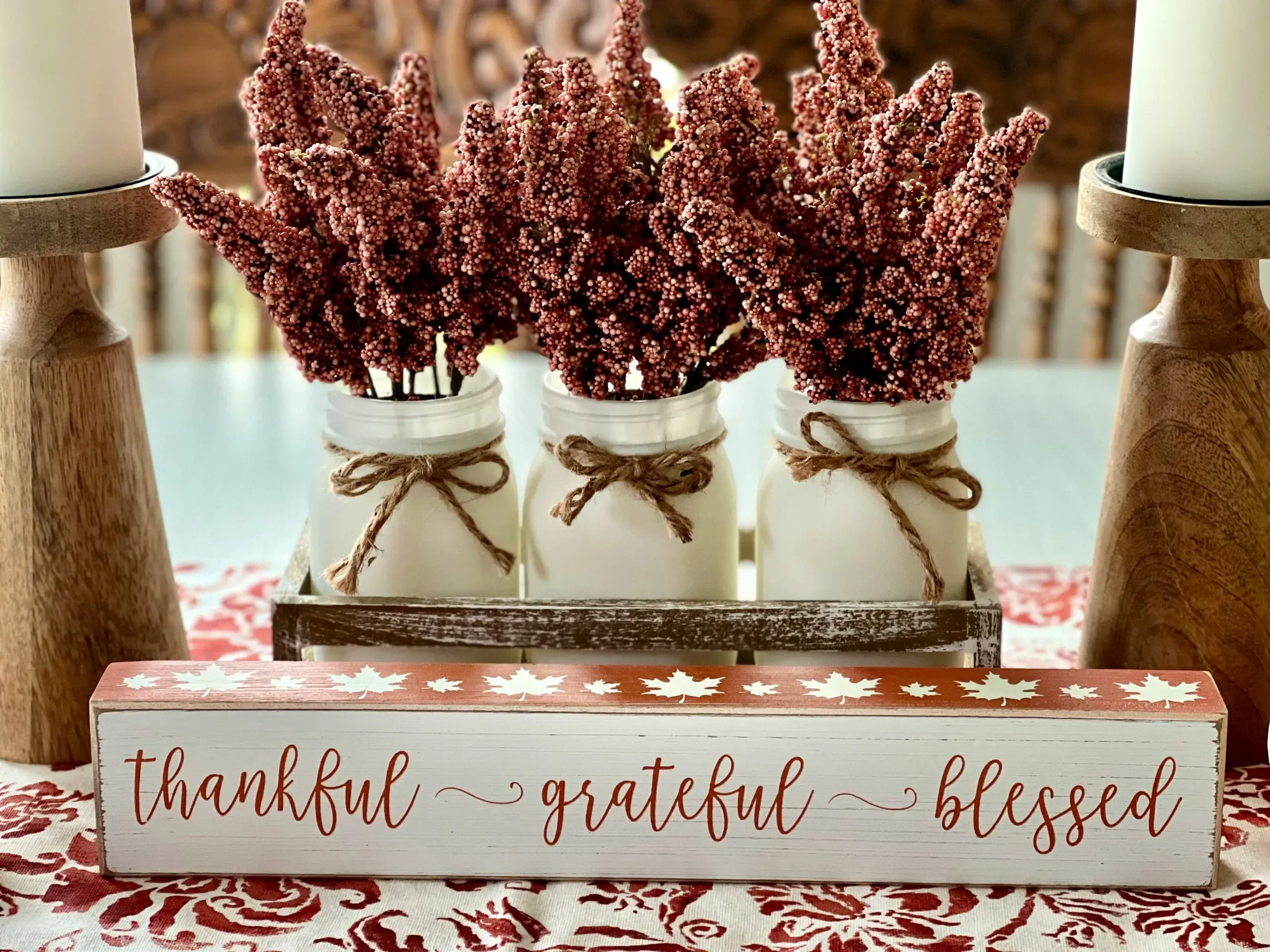
Gratitude holds a transformative power in our relationships, acting as a catalyst for deeper connections and enhanced emotional bonds. When we express appreciation for one another, we not only acknowledge the positive aspects of our interactions but also reinforce the value we place on each other. This simple act of recognizing and valuing the contributions of our partners, friends, or family members can create a ripple effect, fostering an environment where love and respect flourish.
By cultivating gratitude, we can shift our focus from what may be lacking in our relationships to what is abundant, allowing us to nurture a more positive and fulfilling connection. Moreover, gratitude serves as a reminder of the good times we share, helping us to navigate the inevitable challenges that arise in any relationship. When we take the time to reflect on the moments of joy and support we have experienced together, we build a reservoir of goodwill that can sustain us during difficult times.
This practice not only enhances our emotional resilience but also reinforces our commitment to one another. In essence, gratitude becomes a foundational element that strengthens the fabric of our relationships, enabling us to weather storms together and emerge even closer.
Key Takeaways
- Gratitude strengthens relationships by enhancing communication, empathy, and trust.
- Expressing gratitude helps resolve conflicts and build resilience between partners.
- Practicing gratitude increases overall relationship satisfaction and fosters generosity.
- Mindfulness combined with gratitude promotes a positive and intimate relationship dynamic.
- Simple, practical gratitude habits can be incorporated daily to nurture and sustain healthy relationships.
How Gratitude Improves Communication
Effective communication is the cornerstone of any successful relationship, and gratitude plays a pivotal role in enhancing this vital skill. When we express gratitude, we create an atmosphere of openness and trust, which encourages honest dialogue. By acknowledging the efforts and contributions of others, we foster a sense of safety that allows individuals to share their thoughts and feelings without fear of judgment.
This open exchange of ideas is essential for resolving misunderstandings and building a deeper understanding of one another. Furthermore, gratitude can help us communicate more positively. When we focus on what we appreciate about our partners or friends, we are less likely to engage in negative or critical conversations.
Instead of pointing out flaws or grievances, we can frame our discussions around appreciation and support. This shift in perspective not only enhances the quality of our interactions but also encourages others to reciprocate with their own expressions of gratitude. As a result, our communication becomes more constructive and uplifting, paving the way for stronger connections.
Gratitude and Empathy in Relationships

Empathy is an essential component of healthy relationships, allowing us to understand and share the feelings of others. Gratitude enhances our capacity for empathy by encouraging us to recognize the efforts and sacrifices made by those around us. When we take the time to appreciate what others do for us, we become more attuned to their emotions and experiences.
This heightened awareness fosters a deeper connection, as we begin to see the world through their eyes and appreciate their unique perspectives. Moreover, practicing gratitude can help us cultivate a more compassionate mindset. When we acknowledge the positive contributions of others, we are more likely to respond with kindness and understanding during challenging moments.
This empathetic approach not only strengthens our relationships but also creates a supportive environment where individuals feel valued and understood. By fostering empathy through gratitude, we can build stronger emotional bonds that withstand the test of time.
Cultivating Trust and Intimacy Through Gratitude
Trust and intimacy are fundamental elements of any meaningful relationship, and gratitude plays a crucial role in nurturing these qualities. When we express appreciation for one another, we signal that we value our partner's presence in our lives. This acknowledgment fosters a sense of security, allowing individuals to feel safe in being vulnerable with one another.
As trust deepens, so does intimacy, creating a space where both partners can share their innermost thoughts and feelings without fear of rejection. Additionally, gratitude encourages us to invest time and effort into our relationships. When we recognize the importance of expressing appreciation, we are more likely to prioritize quality time together and engage in activities that strengthen our bond.
This intentionality not only enhances our emotional connection but also reinforces the trust that underpins our relationship. By cultivating gratitude as a regular practice, we create an environment where trust and intimacy can thrive.
The Role of Gratitude in Resolving Conflict
| Metric | Impact of Practicing Gratitude | Explanation |
|---|---|---|
| Relationship Satisfaction | Increases by 25% | Expressing gratitude enhances positive feelings and appreciation between partners. |
| Communication Quality | Improves by 30% | Gratitude encourages open, honest, and supportive communication. |
| Conflict Resolution | More effective by 20% | Grateful partners are more likely to approach conflicts with empathy and patience. |
| Emotional Intimacy | Enhances by 35% | Gratitude fosters deeper emotional connections and trust. |
| Acts of Kindness | Increase by 40% | Feeling appreciated motivates partners to perform more supportive behaviors. |
| Stress Reduction | Decreases by 15% | Gratitude reduces negative emotions that can strain relationships. |
Conflict is an inevitable part of any relationship, but gratitude can serve as a powerful tool for resolution. When disagreements arise, it is easy to become entrenched in our perspectives and lose sight of the positive aspects of our relationship. However, by consciously practicing gratitude during these challenging moments, we can shift our focus from blame to appreciation.
This change in mindset allows us to approach conflicts with a more open heart and mind. Moreover, expressing gratitude can help de-escalate tensions during disagreements. When we acknowledge the efforts made by our partner to resolve an issue or express their feelings, it creates an atmosphere of collaboration rather than confrontation.
This collaborative spirit encourages both parties to work together toward a solution rather than becoming adversaries. By integrating gratitude into our conflict resolution strategies, we can navigate challenges with greater ease and emerge from them with a stronger bond.
Gratitude as a Tool for Building Resilience in Relationships

Resilience is essential for maintaining healthy relationships over time, especially as we face life's inevitable ups and downs. Gratitude serves as a powerful tool for building this resilience by helping us focus on the positive aspects of our connections. When we regularly express appreciation for one another, we create a buffer against negativity and stressors that may threaten our bond.
This practice allows us to cultivate a sense of hope and optimism that can sustain us during difficult times. Additionally, gratitude encourages us to view challenges as opportunities for growth rather than insurmountable obstacles. When we approach difficulties with a grateful mindset, we are more likely to seek solutions collaboratively rather than becoming discouraged or resentful.
This proactive approach fosters resilience within our relationships, enabling us to adapt and thrive even in the face of adversity. By embracing gratitude as a guiding principle, we can strengthen our emotional fortitude and navigate life's challenges together.
The Impact of Gratitude on Overall Relationship Satisfaction
The impact of gratitude on relationship satisfaction cannot be overstated. Numerous studies have shown that individuals who regularly express appreciation for their partners report higher levels of happiness and fulfillment in their relationships. This correlation suggests that gratitude acts as a reinforcing mechanism that enhances overall satisfaction by promoting positive interactions and emotional connections.
Moreover, when we practice gratitude consistently, it creates a positive feedback loop within our relationships. As we express appreciation for one another, it encourages our partners to reciprocate with their own expressions of gratitude. This mutual exchange fosters an environment where both individuals feel valued and cherished, leading to increased satisfaction over time.
By prioritizing gratitude in our relationships, we can cultivate a sense of joy and fulfillment that enriches our lives.
Gratitude and Generosity in Relationships
Gratitude often goes hand in hand with generosity in relationships. When we feel appreciated by others, it naturally inspires us to give back in meaningful ways. This cycle of giving and receiving creates a harmonious dynamic where both partners feel valued and supported.
Generosity can manifest in various forms—whether through acts of kindness, thoughtful gestures, or simply being present for one another during challenging times. Furthermore, practicing gratitude encourages us to be more mindful of the needs and desires of our partners. When we take the time to appreciate what they bring into our lives, it fosters a desire to reciprocate that kindness through generous actions.
This mutual exchange not only strengthens our bond but also reinforces the idea that relationships thrive on reciprocity and shared support. By embracing both gratitude and generosity, we create a nurturing environment where love can flourish.
Gratitude and Mindfulness in Relationships
Mindfulness is about being present in the moment and fully engaging with our experiences, which aligns beautifully with the practice of gratitude. When we cultivate mindfulness in our relationships, we become more attuned to the small moments that often go unnoticed—the laughter shared over dinner or the warmth of a comforting hug. By consciously acknowledging these moments through gratitude, we deepen our appreciation for one another.
Moreover, mindfulness allows us to approach our relationships with greater awareness and intention. When we are present with our partners, we are better equipped to recognize their needs and feelings. This heightened awareness fosters empathy and understanding, creating an environment where both individuals feel seen and heard.
By integrating mindfulness into our practice of gratitude, we can enhance the quality of our interactions and strengthen our emotional connections.
How Gratitude Fosters a Positive Relationship Dynamic
A positive relationship dynamic is essential for long-term happiness and fulfillment, and gratitude plays a crucial role in fostering this atmosphere. When we regularly express appreciation for one another, it creates an uplifting environment where both partners feel valued and respected. This positivity not only enhances individual well-being but also contributes to the overall health of the relationship.
Additionally, gratitude encourages us to focus on solutions rather than problems. When challenges arise, expressing appreciation for one another's strengths can help shift our perspective from negativity to optimism. This proactive approach fosters collaboration and teamwork within the relationship, allowing both partners to work together toward common goals.
By prioritizing gratitude as a core value, we can cultivate a positive dynamic that supports growth and connection.
Practical Ways to Incorporate Gratitude into Your Relationships
Incorporating gratitude into our relationships doesn't have to be complicated; it can be as simple as making it a daily practice. One effective way is to set aside time each week for intentional conversations focused on appreciation—sharing what we value about one another or reflecting on positive experiences we've had together. This dedicated time allows us to deepen our connection while reinforcing the importance of gratitude.
Another practical approach is to keep a gratitude journal together where both partners can write down things they appreciate about each other regularly. This shared activity not only encourages reflection but also serves as a tangible reminder of the love and support present in the relationship. Additionally, small gestures such as leaving notes expressing appreciation or surprising each other with thoughtful acts can go a long way in nurturing gratitude within our connections.
By actively incorporating these practices into our daily lives, we can create an environment where gratitude thrives—ultimately leading to stronger bonds and greater satisfaction in our relationships. Through consistent effort and intention, we can harness the power of gratitude to enrich our connections with those we care about most deeply.
Practicing gratitude can significantly enhance your relationships by fostering a deeper connection and appreciation for one another. For further insights on how to cultivate positive interactions in your life, you might find the article on recipes particularly interesting, as it explores the idea of sharing meals and experiences as a way to strengthen bonds and express gratitude.
FAQs
What is gratitude in the context of relationships?
Gratitude in relationships refers to the practice of recognizing and appreciating the positive actions, qualities, and presence of another person. It involves expressing thankfulness and acknowledging the value that others bring to your life.
How does practicing gratitude improve relationships?
Practicing gratitude can improve relationships by fostering positive communication, increasing feelings of connection and trust, reducing negative emotions, and encouraging reciprocal kindness. It helps partners feel valued and understood, which strengthens emotional bonds.
Can gratitude reduce conflicts in relationships?
Yes, expressing gratitude can reduce conflicts by shifting focus away from negative aspects and promoting empathy and understanding. When partners feel appreciated, they are more likely to respond with patience and cooperation during disagreements.
Is gratitude beneficial in all types of relationships?
Gratitude is beneficial in various types of relationships, including romantic partnerships, friendships, family connections, and professional interactions. It enhances mutual respect and support across different social bonds.
How often should one practice gratitude to see improvements in relationships?
Regular and consistent practice of gratitude, such as daily or weekly expressions of appreciation, tends to yield noticeable improvements in relationships. Even small, frequent acknowledgments can have a significant positive impact over time.
What are some simple ways to practice gratitude in relationships?
Simple ways to practice gratitude include verbally expressing thanks, writing appreciation notes, acknowledging specific actions or qualities, actively listening, and performing thoughtful gestures that show recognition and care.
Does gratitude have any psychological benefits related to relationships?
Yes, gratitude is linked to increased happiness, reduced stress, and greater emotional resilience, all of which contribute to healthier and more satisfying relationships. It promotes a positive mindset that supports emotional well-being.
Can practicing gratitude help rebuild trust after a conflict?
Practicing gratitude can aid in rebuilding trust by highlighting positive aspects of the relationship and encouraging forgiveness and understanding. It helps partners focus on strengths rather than past mistakes, facilitating reconciliation.
Is gratitude the same as flattery or insincere praise?
No, genuine gratitude is sincere and specific, based on true appreciation of another person's actions or qualities. It differs from flattery, which is often exaggerated or insincere and may not reflect true feelings.
Are there any scientific studies supporting the benefits of gratitude in relationships?
Yes, numerous psychological studies have demonstrated that gratitude practices improve relationship satisfaction, increase prosocial behavior, and enhance emotional intimacy between partners. These findings support the positive role of gratitude in social connections.