
Embarking on a 30-Day Gratitude Challenge is an invitation to cultivate a deeper appreciation for the world around us. This challenge encourages us to take a moment each day to reflect on the things we are thankful for, whether they are big or small. By dedicating just a few minutes daily to express gratitude, we can shift our focus from what we lack to what we have, fostering a more positive mindset.
The challenge can take various forms, from journaling our thoughts to sharing them with friends or family, but the core idea remains the same: to consciously acknowledge and appreciate the blessings in our lives. As we dive into this challenge, we find ourselves exploring the transformative power of gratitude. It’s not merely about listing things we are thankful for; it’s about creating a habit that can lead to profound changes in our mental and emotional well-being.
By committing to this practice for thirty days, we open ourselves up to new perspectives and experiences that can enrich our lives in unexpected ways. The journey ahead promises to be enlightening, as we learn to embrace gratitude as a fundamental part of our daily routine.
Key Takeaways
- A 30-Day Gratitude Challenge involves daily practice of recognizing and appreciating positive aspects of life.
- Initial enthusiasm can help build commitment, but consistency requires overcoming challenges and resistance.
- Practicing gratitude leads to noticeable improvements in mindset, emotional well-being, and outlook on life.
- Reflecting on the experience highlights both the benefits and difficulties encountered during the challenge.
- Integrating gratitude into daily routines beyond the challenge fosters lasting positive mental and emotional health.
Setting the Stage: Why I Decided to Take on the Challenge
Our decision to embark on the 30-Day Gratitude Challenge stemmed from a collective desire for personal growth and emotional resilience. In a world that often feels overwhelming and chaotic, we recognized the need to cultivate a more positive outlook. We had been experiencing moments of stress and negativity, and we understood that shifting our focus could help us navigate these challenges more effectively.
The idea of intentionally practicing gratitude resonated with us, as it offered a simple yet powerful tool for enhancing our overall well-being. Moreover, we were inspired by the numerous studies highlighting the benefits of gratitude. Research has shown that regularly expressing gratitude can lead to improved mental health, stronger relationships, and even better physical health.
With this knowledge in mind, we felt motivated to take on the challenge together, supporting one another as we explored the depths of gratitude in our lives. We believed that by committing to this practice, we could not only uplift ourselves but also inspire those around us to embrace a more grateful mindset.
Week 1: The Initial Excitement and Commitment to Gratitude
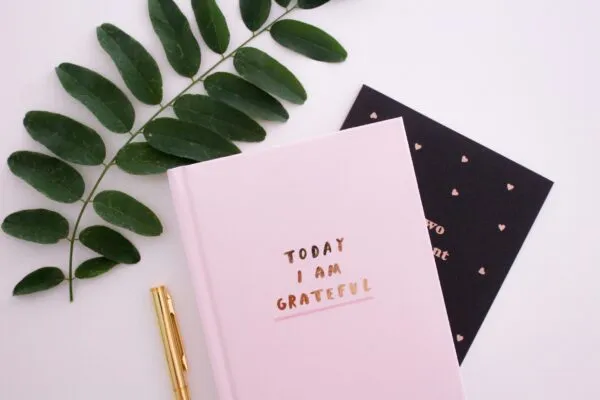
As we embarked on the first week of our gratitude challenge, excitement filled the air. Each day felt like a new opportunity to discover and appreciate the little things that often go unnoticed. We began by setting aside time each morning to reflect on what we were grateful for, jotting down our thoughts in a shared journal.
The initial thrill of this new practice was palpable; we found joy in recognizing the warmth of the sun on our skin, the laughter of friends, and even the comfort of our favorite meals. However, as the week progressed, we quickly realized that maintaining this enthusiasm required commitment. While the first few days were filled with inspiration, we encountered moments of distraction and busyness that threatened to derail our practice.
Yet, rather than allowing these challenges to deter us, we leaned into our shared accountability. We reminded each other of our goals and celebrated our daily reflections, reinforcing our commitment to gratitude as a vital part of our lives.
Week 2: Overcoming Challenges and Finding Consistency
Entering the second week of our gratitude challenge brought with it a new set of challenges. While we had initially approached the practice with enthusiasm, we began to notice that life’s demands could easily overshadow our commitment. Some days felt more difficult than others; we struggled to find things to be grateful for when faced with stress or fatigue.
However, this week also taught us valuable lessons about resilience and consistency. To overcome these hurdles, we decided to adapt our approach. Instead of solely focusing on grand gestures or significant events, we began to appreciate the smaller moments that often slipped through the cracks.
We found ourselves grateful for a warm cup of coffee in the morning or a kind word from a stranger. By shifting our perspective, we discovered that gratitude could be found even in challenging circumstances. This newfound flexibility allowed us to maintain consistency in our practice, reinforcing the idea that gratitude is not just about celebrating the good times but also about finding light in darker moments.
Week 3: Noticing Changes in Mindset and Outlook
| Day | Gratitude Focus | Emotional Impact | Notable Changes | Reflection |
|---|---|---|---|---|
| 1 | Family | Positive, hopeful | Increased awareness of loved ones | Felt motivated to continue |
| 5 | Health | Appreciative, calm | Noticed small health improvements | Realized taking health for granted |
| 10 | Nature | Relaxed, peaceful | More time spent outdoors | Nature boosts mood significantly |
| 15 | Work | Grateful, motivated | Improved productivity | Work feels more meaningful |
| 20 | Friends | Connected, joyful | Reconnected with old friends | Social bonds are important |
| 25 | Personal Growth | Empowered, confident | Noticed positive mindset shifts | Growth is ongoing and rewarding |
| 30 | Overall Life | Content, fulfilled | Increased overall happiness | Gratitude challenge was transformative |
As we entered the third week of our gratitude challenge, we began to notice subtle yet profound changes in our mindset and outlook on life. The act of regularly reflecting on what we were thankful for had started to reshape our thought patterns. We found ourselves becoming more aware of positive experiences throughout the day, even amidst challenges.
Our conversations shifted from complaints and worries to discussions about what brought us joy and fulfillment. This transformation was not merely psychological; it also manifested in our interactions with others. We became more patient and empathetic, recognizing that everyone has their struggles.
Our gratitude practice encouraged us to express appreciation not only for ourselves but also for those around us. We started sending messages of thanks to friends and family members, deepening our connections and fostering a sense of community. The ripple effect of gratitude was becoming evident in our lives, creating an atmosphere of positivity that extended beyond our individual experiences.
Week 4: Reflecting on the Impact of Gratitude in Daily Life

As we approached the final week of our gratitude challenge, reflection became an essential part of our journey. We took time to look back on how far we had come and how this practice had influenced our daily lives. Gratitude had become more than just a daily exercise; it had woven itself into the fabric of our existence.
We found ourselves naturally expressing appreciation throughout the day without needing to consciously remind ourselves. The impact was evident in various aspects of our lives. Our relationships flourished as we became more attuned to the needs and contributions of those around us.
We noticed an increase in overall happiness and contentment, even during challenging times. The simple act of acknowledging what we were grateful for had transformed our perspective on life’s ups and downs. We learned that gratitude is not just a fleeting emotion but a powerful tool for resilience and joy.
The Benefits: How Gratitude Improved My Mental and Emotional Well-being
The benefits of participating in the 30-Day Gratitude Challenge were profound and far-reaching. One of the most significant improvements was in our mental health; we experienced reduced levels of anxiety and stress as we shifted our focus from negativity to appreciation. This change allowed us to approach challenges with a clearer mind and a more positive attitude, ultimately enhancing our problem-solving abilities.
Emotionally, gratitude fostered a sense of connection and belonging within ourselves and with others. We felt more grounded and centered as we recognized the abundance in our lives rather than fixating on what was lacking. This emotional stability translated into better relationships with friends and family; we became more present and engaged in conversations, leading to deeper connections and shared experiences.
The Challenges: Overcoming Negativity and Resistance to Gratitude
Despite the many benefits we experienced during the challenge, it was essential to acknowledge that there were still challenges along the way. There were days when negativity crept in, threatening to overshadow our commitment to gratitude. Life’s stresses sometimes felt overwhelming, making it difficult to find things to be thankful for.
During these moments, resistance emerged; it was easy to slip back into old thought patterns that focused on complaints rather than appreciation. To combat this negativity, we learned the importance of self-compassion. We reminded ourselves that it was okay to feel down or frustrated; acknowledging these feelings was part of being human.
Instead of forcing ourselves into a state of gratitude during tough times, we allowed space for vulnerability while gently guiding ourselves back toward appreciation when ready. This balance between acknowledging challenges and embracing gratitude became crucial in maintaining our practice throughout the month.
Tips for Success: What I Learned and How Others Can Succeed
Reflecting on our journey through the 30-Day Gratitude Challenge, several key tips emerged that can help others succeed in their own practices. First and foremost, consistency is vital; setting aside dedicated time each day for reflection can help solidify gratitude as a habit. Whether it’s in the morning or before bed, finding a routine that works for us can make all the difference.
Additionally, flexibility is essential when it comes to expressing gratitude. It’s important not to limit ourselves to grand gestures or significant events; instead, embracing small moments can lead to deeper appreciation over time. We also found it helpful to share our reflections with others—whether through conversations or social media—creating a sense of community around gratitude that further reinforced our commitment.
Continuing the Practice: Integrating Gratitude into Daily Life Beyond the Challenge
As we concluded our 30-Day Gratitude Challenge, we recognized that this practice should not end with the month’s conclusion. Instead, it became clear that integrating gratitude into our daily lives would yield lasting benefits long after the challenge was over. We began brainstorming ways to keep this practice alive—whether through weekly check-ins with each other or by continuing our shared journal.
We also explored creative outlets for expressing gratitude beyond writing; incorporating art or music into our reflections allowed us to engage with gratitude in new ways. By making gratitude an ongoing part of our lives rather than a temporary exercise, we could continue reaping its rewards while inspiring others around us to do the same.
The Lasting Impact of the 30-Day Gratitude Challenge
In conclusion, participating in the 30-Day Gratitude Challenge has left an indelible mark on our lives. The journey has taught us invaluable lessons about appreciation, resilience, and connection—lessons that will continue shaping how we navigate life’s ups and downs moving forward. As we reflect on this experience together, we feel empowered by the knowledge that gratitude is not just an occasional practice but a way of life.
The lasting impact of this challenge extends beyond individual benefits; it has fostered deeper connections among us and inspired those around us to embrace gratitude as well. As we carry these lessons forward into our daily lives, we remain committed to nurturing an attitude of appreciation—one that will undoubtedly enrich our experiences for years to come.
In exploring the transformative effects of gratitude, I found that participating in a 30-day gratitude challenge can lead to significant improvements in mental well-being. This experience reminded me of another insightful article I came across, which discusses the importance of self-care in enhancing overall happiness. You can read more about it in the article on balanced beauty essentials, which emphasizes how nurturing oneself can complement practices like gratitude. Check it out here: Balanced Beauty Essentials Kit.
FAQs
What is a 30-day gratitude challenge?
A 30-day gratitude challenge is a commitment to consciously practice gratitude every day for 30 consecutive days. This often involves activities such as writing down things you are thankful for, reflecting on positive experiences, or expressing appreciation to others.
What are the common activities involved in a gratitude challenge?
Common activities include keeping a gratitude journal, listing three things you are grateful for each day, sending thank-you notes, meditating on positive aspects of life, or sharing gratitude with friends and family.
What are the potential benefits of participating in a gratitude challenge?
Research suggests that practicing gratitude regularly can improve mental well-being, increase happiness, reduce stress, enhance relationships, and promote a more positive outlook on life.
How does one start a 30-day gratitude challenge?
To start, set a clear intention to practice gratitude daily for 30 days. Choose a method that suits you, such as journaling or verbal expressions, and commit to dedicating a few minutes each day to this practice.
Are there any challenges or difficulties associated with a gratitude challenge?
Some people may find it difficult to maintain consistency, especially during stressful times. Others might struggle to identify things to be grateful for or feel that the practice is repetitive. However, persistence often leads to increased awareness and appreciation.
Can a gratitude challenge impact mental health?
Yes, engaging in regular gratitude practices has been linked to reduced symptoms of depression and anxiety, improved mood, and greater overall psychological resilience.
Is it necessary to share gratitude publicly during the challenge?
No, sharing gratitude publicly is optional. The challenge can be a private practice, such as journaling, or involve sharing with others, depending on personal preference.
How can one measure the effectiveness of a gratitude challenge?
Effectiveness can be assessed through self-reflection on mood changes, stress levels, relationship quality, and overall outlook before and after the challenge. Some people use mood tracking apps or journals to monitor progress.
Can gratitude challenges be adapted for different age groups?
Yes, gratitude challenges can be tailored to suit children, teenagers, adults, and seniors by adjusting the activities and language to be age-appropriate.
Is a 30-day duration necessary for a gratitude challenge?
While 30 days is a common timeframe to establish a habit, gratitude challenges can be shorter or longer depending on individual goals and preferences.