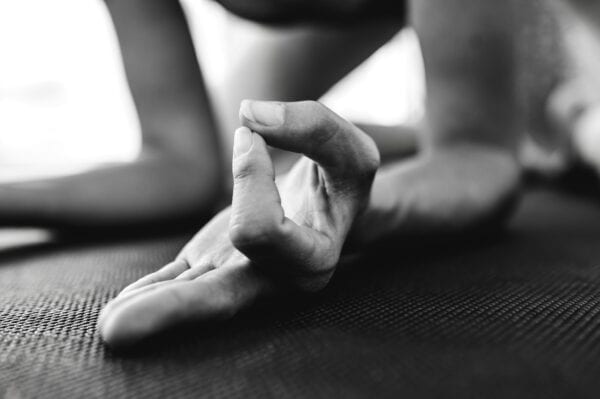

We’ve all been there, right? Like, totally swamped. School, homework, friends, family stuff – it’s like a giant pile of LEGOs that just keeps growing. And sometimes, our brains feel just as messy as that LEGO pile. We get stressed, we worry, and sometimes we just feel… blah.
But what if I told you there’s a super simple way to make all that stuff feel a little less like a tangled mess and more like a clear path? What if I told you that watching the sky turn all sorts of amazing colors at the end of the day, and just taking a breath, could actually make us feel better inside?
Yeah, you heard me. Sunsets and slowing down. We’re going to dive into how these things can be like a superhero cape for our minds. It’s not some weird, complicated thing. It’s actually really, really easy, and it’s something anyone can do. So, buckle up, because we’re going on a little adventure to discover how to make our brains happy.
Think about your brain. It’s like this super-powered computer, working all the time. It’s figuring out math problems, remembering what your best friend said, planning what to eat for dinner. It’s pretty awesome, right? But just like a computer can get overloaded with too many tabs open, our brains can get overloaded too.
The Never-Ending To-Do List
We have so many things we have to do. Schoolwork, chores, sports, maybe even helping out at home. It feels like there’s always something else to check off, something else to get done. And when we’re rushing from one thing to the next, our brains are just buzzing with all the important stuff.
Why It Feels Like a Hamster Wheel
Imagine being on a hamster wheel. You’re running and running, but you’re not really going anywhere. That’s kind of what it feels like when we’re constantly busy. We feel like we’re doing a lot, but we also feel a little stuck and exhausted. Our brains are running on overdrive, and they don’t get a chance to just… be.
The Social Media Buzz
And then there’s all the stuff online. We’re seeing what everyone else is doing, what everyone else has. It can make us feel like we’re not doing enough, or that we’re missing out. Our phones are like little portals to all sorts of information and opinions, and sometimes, that can feel pretty overwhelming for our brains.
The Pressure to Be "On" All the Time
It’s like we feel like we always have to be “on” and perfect. We want to show our friends we’re having fun, or that we’re smart. But that’s a lot of energy to keep up, and our brains aren’t built for that kind of constant performance. They need downtime to recharge and just be regular old us.
What Happens When We Don't Slow Down
When we don’t give our brains a break, they start to show it. We might get more grumpy, have a harder time focusing in class, or even start to feel a little sad or anxious. It’s like pushing a car too hard for too long – eventually, something’s going to start making weird noises.
When Worries Start to Grow Like Weeds
When our brains are constantly busy, it’s easier for worries to sprout up and get bigger. Little worries can turn into giant, scary monsters in our heads, and then we can’t think about anything else. It’s hard to feel good when those big, worrying thoughts are taking up all the space.
Sunsets: Nature's Free Therapy Session
Okay, so we know our brains can get a bit frazzled. Now, let's talk about our secret weapon: sunsets. You know those evenings when the sky turns into a giant canvas of orange, pink, and purple? It’s like a magical show that happens every single day, just for us. And guess what? Watching it is actually good for us!
The Beautiful Distraction
When you’re looking at a sunset, it’s hard to think about your math homework or that awkward thing you said to your friend. Your mind gets totally captivated by the colors, the way the light changes, the way the clouds look. It’s like your brain gets a timeout from all the usual stuff.
Like Pressing the Pause Button on Worries
Think about it. When you're watching the sun go down, you can't really be worrying about five different things at once. Your focus is shifted. It’s like your brain is saying, “Okay, for the next 20 minutes, we are only going to think about how pretty the sky is.” And that’s a good thing!
The Science Behind the Calm
It’s not just us saying this. Scientists have found that looking at nature, especially beautiful things like sunsets, can actually calm down the parts of our brain that get stressed. It’s like a gentle hug for our nervous system.
Lowering Your Stress Levels, No Sweat
When we see something beautiful and peaceful, our bodies naturally relax. Our heart rate can slow down, our muscles can un-tense, and those stressful chemicals in our brains start to calm down. It’s like a natural mood booster that doesn’t come in a pill.
Connecting with Something Bigger Than Us
Sunsets have been happening for billions of years. When we watch one, it’s like we’re connecting with something ancient and vast. It reminds us that we’re part of something bigger than just our own little world of tasks and worries.
Feeling Small in a Good Way
Sometimes, feeling a little bit small in comparison to the universe can be a good thing. It can make our own problems feel… well, less huge. It helps us put things into perspective, and that can make us feel a lot less worried.
The "Aha!" Moments Nature Gives Us
Have you ever been staring at the sky, not really thinking about anything specific, and then suddenly you have a great idea? Or you figured out a problem you’ve been stuck on? Nature has a way of helping our brains make those connections.
When Ideas Flow Like Water
When our minds are relaxed and not constantly bombarded, they have more space to come up with creative solutions and insights. It’s like clearing out the clutter so the good stuff can shine through.
The Power of "Doing Nothing" (Which Is Actually Doing Something!)
We’re taught to always be busy, always be productive. But what if “doing nothing” is actually super important? We’re talking about slowing down, taking deep breaths, and just being present. It’s not being lazy; it’s being smart with how we take care of ourselves.
Rediscovering Stillness in a Hectic World
In our fast-paced lives, finding moments of stillness feels more precious than gold. It's the opposite of running on that hamster wheel. It's about intentionally stopping and just being.
The Art of Just Breathing
Breathing is something we do all the time without even thinking. But when we consciously take slow, deep breaths, it’s like giving our bodies and brains a direct message: “It’s okay to relax now.”
Just a Few Deep Breaths Can Do Wonders
Seriously, try it. Take a slow inhale for a count of four, hold it for a count of four, and exhale for a count of six. Do that a few times. You’ll probably feel a little bit calmer, even if it’s just for a few minutes. It’s like a mini-reset for your whole system.
Mindful Moments: Paying Attention on Purpose
Mindfulness is a fancy word for paying attention to what’s happening right now, without judging it. It sounds simple, but it’s a powerful thing.
Noticing the Little Things
When we’re mindful, we start to notice the world around us more. The way the leaves rustle, the smell of rain, the taste of a really good snack. These small moments can bring a lot of quiet joy.
Your Brain Gets a Workout, But a Good One!
When we practice mindfulness, we’re actually strengthening our brain’s ability to focus and to not get carried away by every single thought. It’s like doing brain push-ups!
The Benefits of Unplugging
We talked about the social media buzz earlier. Unplugging, even for a little while, is like giving your brain a much-needed vacation from the constant barrage of information and comparisons.
Creating White Space for Your Thoughts
When we unplug, we create “white space” in our lives. This is the space where our own thoughts and feelings can emerge, where we can actually hear ourselves think.
Giving Your Brain a Rest from the Digital World
Our brains aren’t really designed for the endless scrolling and quick-hit information we get online. Giving them a break from that allows them to process things more deeply and to recover.
How Sunsets and Slowing Down Help Us Cope
So, how does all this actually help us when life gets tough? When we’re feeling overwhelmed or just plain down, these simple habits can be like a secret toolkit for resilience.
Building Your Own Resilience Toolkit
Resilience is like having a tough, flexible superhero suit for your mind. It helps you bounce back when things get hard, instead of getting totally squashed.
Facing Challenges with a Calmer Mind
When you’ve practiced slowing down and taking in beautiful things, your brain is better equipped to handle stress. You’re less likely to spiral into panic or overwhelming sadness.
Like Having a Personal "Calm Down" Button
Imagine having a button you can press whenever you feel stressed, and it instantly makes you feel a little better. Sunsets and mindfulness are like that, but they’re built into your daily life.
Improving Your Mood, Naturally
Nobody likes feeling sad or anxious. Sunsets and slowing down can actually help lift our spirits without needing anything artificial.
The "Happy Chemicals" Nature Gives Us
When we’re in a relaxed state, our bodies release natural mood-boosting chemicals. It’s like a feel-good reaction that nature triggers.
Finding Joy in the Everyday Moments
By slowing down, we learn to appreciate the small, good things in life. A warm cup of hot chocolate, a funny joke from a friend, or the way the light hits a leaf. These moments add up and can significantly boost our overall happiness.
Better Focus and Concentration
When our brains are constantly buzzing with stress and distractions, it’s hard to concentrate on anything. Taking breaks and experiencing beauty helps clear the mental fog.
When Learning Becomes Easier
When you’re feeling calmer and more focused, you can absorb information better in school. It's like having a clear window to see through, instead of a foggy one.
Your Brain Thanks You for the Clarity
Think of it like trying to read a book in a noisy, chaotic room versus reading it in a quiet library. When your brain has time to rest and be present, it can engage more effectively with tasks.
Fostering Better Relationships
When we’re stressed and overwhelmed, we can sometimes take it out on the people we care about. Learning to slow down and manage our own emotions can make us better friends, family members, and classmates.
Being More Patient and Understanding
When we’re not constantly on edge, we have more patience for others. We can listen better, understand different perspectives, and be more supportive.
Building Stronger Connections, One Calm Moment at a Time
The more we practice self-care through slowing down and appreciating beauty, the more we have to give to others. It allows us to be more present and engaged in our relationships.
Making Sunsets and Slowing Down a Part of Our Lives
This isn't about adding more to our already packed schedules. It’s about finding little pockets of peace and beauty within the life we already have.
Small Steps for Big Changes
You don't need to block out hours. Even a few minutes can make a difference.
A 5-Minute Sunset Break Every Day
The next time the sun starts to dip, try to pause for just five minutes. Look outside, really look. Notice the colors. Breathe. It’s a tiny investment that pays huge dividends for your well-being.
Even on a Cloudy Day, There's Beauty
Sometimes the sky is cloudy, but even then, the way the light filters through can be beautiful. The point is to look and be present, not just to see a perfect sunset.
Integrating Mindfulness into Everyday Activities
Mindfulness can be woven into almost anything you do.
Eating Mindfully: Savoring Every Bite
Instead of just shoveling food in while you’re scrolling, try to really taste your food. Notice the textures, the smells, the flavors.
Brushing Your Teeth Mindfully: A Tiny Moment of Calm
Even something as simple as brushing your teeth can be a mindful moment. Focus on the sensation of the toothbrush, the taste of the toothpaste. It’s about bringing your full attention to the present.
Finding Your Own "Slow Down" Moments
What does slowing down look like for you? It’s different for everyone.
Creating a "Chill Zone" in Your Room
Maybe it's a comfortable corner with a blanket, some quiet music, or just a space where you can go to decompress for a few minutes.
Journaling Your Thoughts and Feelings
Writing down what’s on your mind can be a great way to process emotions and slow down your racing thoughts. It doesn’t have to be perfect, just getting it out on paper can help.
The Ripple Effect of Self-Care
When we take care of ourselves, it’s like a pebble dropped in a pond. The ripples spread out and affect everyone around us.
Being a "Calm Example" for Others
When we’re feeling good, it can inspire others to feel good too. We become a positive influence without even trying.
Making Our World a Little Brighter, One Sunset at a Time
By embracing the power of sunsets and slowing down, we’re not just helping ourselves. We’re making our own inner world a more peaceful and happy place, and that, in turn, can make the world around us feel a little brighter for everyone.
So, tomorrow, when the sun starts its evening show, take a moment. Pause. Breathe. You’ve got this. And your brain will thank you for it.
FAQs
What are the mental health benefits of watching sunsets?
Watching sunsets can have a calming and soothing effect on the mind, reducing stress and anxiety. It can also promote mindfulness and a sense of gratitude, which can improve overall mental well-being.
How does slowing down contribute to mental health?
Slowing down allows individuals to be more present in the moment, reducing feelings of overwhelm and promoting relaxation. It can also help to improve focus, creativity, and overall mental clarity.
What is the connection between nature and mental health?
Spending time in nature, such as watching sunsets, has been linked to improved mental health outcomes. Nature exposure can reduce symptoms of depression, anxiety, and stress, while also promoting a sense of calm and well-being.
How can watching sunsets and slowing down be incorporated into a daily routine?
Individuals can schedule time to watch sunsets as part of their evening routine, whether it's from their own backyard or a nearby scenic spot. Slowing down can be achieved by practicing mindfulness, engaging in relaxation techniques, and setting aside time for self-care activities.
Are there any scientific studies supporting the mental health benefits of watching sunsets and slowing down?
Several studies have shown that nature exposure, including watching sunsets, can have positive effects on mental health. Additionally, research on mindfulness and relaxation techniques has demonstrated their ability to reduce stress and improve overall well-being.