
You're always on the go, aren't you? Rushing from one task to the next, your mind a whirlwind of obligations and deadlines. You glance at the clock and another day has melted away, leaving you wondering where the time went and if you actually lived any of it. The constant pursuit of "more" has become a relentless treadmill, and deep down, you yearn for something different. You crave a life where moments aren't fleeting blurs but sharply defined experiences, savored and appreciated. You want to slow down, to truly taste life, not just gulp it down. But how? How do you disentangle yourself from the frenetic pace of modern existence and embrace a more meaningful, deliberate rhythm?
In this digital age, your attention is a precious commodity, constantly being snatched by notifications, endless feeds, and the siren call of productivity tools. To truly slow down, you must first reclaim this vital resource.
The Digital Detox: A Conscious Disengagement
You might feel a pang of anxiety at the thought, but a digital detox isn't about shunning technology forever. It's about consciously disengaging to create space for other experiences.
Setting Boundaries with Notifications
Your phone is a master of interruption. You can turn off non-essential notifications – the ones that pull you away from what you're doing without true urgency. Do you really need to know every time someone likes your post, or can that wait until you actively check your social media?
Designating "No-Tech" Zones and Times
Imagine your bedroom as a sanctuary, free from the glowing screens. Or perhaps your dinner table, a dedicated space for conversation and connection, not scrolling. You can even set specific "no-tech" hours in your day, like the first hour after waking or the last hour before bed.
Mindful Scrolling and App Usage
Instead of mindlessly scrolling, you can become intentional. Before opening an app, ask yourself: "What do I hope to gain from this?" If the answer isn't clear, or if you know it often leads to a rabbit hole of comparison and self-doubt, you have the power to choose not to engage.
The Art of Single-Tasking: One Thing at a Time
Multitasking, you've been told, is the key to productivity. But for slowing down and appreciating life, it's often the enemy. When you're constantly juggling multiple demands, your mind is fragmented, unable to fully immerse itself in any single activity.
Focusing on One Task with Full Attention
Whether it's washing dishes, writing an email, or playing with your pet, dedicate your entire focus to that one activity. Notice the sensations, the details, the process. You'll find that even mundane tasks can become richer experiences when approached with intentionality.
Eliminating Distractions During Concentrated Work/Play
When you're trying to focus, even a stray thought or a notification can pull you away. You can close unnecessary tabs on your computer, put your phone in another room, or even use noise-canceling headphones to create an environment conducive to deep concentration.
The Deep Work Principle: Sustained Focus for Meaningful Output
You've likely heard of "deep work" – periods of uninterrupted, highly focused work on a single demanding task. By consciously scheduling and protecting these blocks of time, you not only improve your output but also reduce the mental fragmentation that comes from constant task-switching.
If you're looking for ways to slow down and savor the moments in life, you might find inspiration in the article "Embracing Mindfulness: Simple Techniques to Enhance Your Daily Life." This piece offers practical tips on how to incorporate mindfulness into your routine, helping you appreciate the present and reduce stress. To explore these techniques further, check out the article here: Embracing Mindfulness.
Befriending the Present Moment: Cultivating Mindfulness
Living in the past through regrets or in the future through anxieties robs you of the only moment you truly possess: right now. Mindfulness is the practice of bringing your full, non-judgmental attention to the present moment.
The Practice of Mindfulness Meditation: Training Your Attention
You might think meditation is only for spiritual gurus, but it's a powerful tool for anyone seeking to slow down. It's a mental exercise that strengthens your ability to focus and observe.
Guided Meditations for Beginners
If you're new to meditation, you'll find countless guided meditations online or through apps. These provide gentle instructions, helping you to settle your mind and focus on your breath or bodily sensations. You don't need to sit cross-legged for hours; even five or ten minutes can make a difference.
Informal Mindfulness: Bringing Awareness to Everyday Activities
Mindfulness isn't confined to a cushion. You can practice it while drinking your morning coffee, feeling the warmth of the mug, smelling the aroma, tasting each sip. You can be mindful while walking, noticing the sensation of your feet on the ground, the sounds around you, the movement of your body.
Observing Thoughts and Emotions Without Judgment
The goal of mindfulness isn't to stop thinking. Your mind will inevitably wander. The practice is to notice those thoughts and emotions as they arise, acknowledge them without judgment, and then gently bring your attention back to your chosen anchor, often your breath.
Engaging Your Senses: Fully Experiencing the World
Your senses are your portals to the present moment. So often, you move through life on autopilot, barely registering the rich tapestry of sensory information around you.
The Five Senses Exercise: A Grounding Technique
When you feel overwhelmed or rushed, try a quick five-senses exercise. Name five things you can see, four things you can feel, three things you can hear, two things you can smell, and one thing you can taste. This instantly grounds you in the present.
Savouring Food and Drink: A Mindful Meal
How often do you eat while distracted by your phone, TV, or work? Try making one meal a day a mindful experience. Notice the colors, textures, and aromas of your food. Chew slowly, savoring each bite. Pay attention to the flavors and how your body responds.
Immersing Yourself in Nature: A Sensory Bath
Nature offers an abundance of sensory experiences. Take a walk in a park, sit by a lake, or simply tend to your garden. Feel the breeze on your skin, listen to the birdsong, admire the intricate patterns of leaves. Let nature's rhythm wash over you.
Cultivating Intentionality: Designing Your Days

Slowing down isn't about doing less; it's about doing what truly matters, with purpose. When you act with intention, your actions become more meaningful, and you naturally feel more present and less rushed.
Prioritizing What Truly Matters: Saying No to the Non-Essential
You only have so much time and energy. To slow down and enjoy life, you must become adept at discerning what deserves your attention and what doesn't.
Identifying Your Core Values and Priorities
What truly matters to you? What kind of life do you want to build? Understanding your core values – whether it's family, creativity, contribution, or personal growth – provides a compass for your decisions.
The Art of Delegating and Letting Go
You don't have to do everything yourself. Look for opportunities to delegate tasks at home or work. And sometimes, you need to simply let go of certain expectations or commitments that no longer serve you.
Consciously Scheduling Downtime and Rest
You wouldn't expect a machine to run endlessly without maintenance, yet you often treat your own body and mind that way. Actively schedule periods of rest, relaxation, and unstructured "doing nothing" into your calendar. Treat them as non-negotiable appointments.
Creating Space for Reflection: Internal Check-ins
In the constant rush, you rarely create space for introspection. Yet, without it, you're merely reacting to life rather than consciously shaping it.
Journaling Your Thoughts and Feelings
A journal can be a powerful tool for self-reflection. You don't need to be a skilled writer; simply putting your thoughts and feelings onto paper can help you process experiences, gain clarity, and recognize patterns.
Regular Self-Assessment: Are You Living Authentically?
Periodically, take stock of your life. Are your actions aligned with your values? Are you spending your time and energy on things that bring you joy and fulfillment, or are you just going through the motions?
Mindful Pauses Throughout Your Day
Insert micro-pauses into your routine. Before jumping to the next task, take a few deep breaths. At a red light, instead of checking your phone, look around, notice the sky, and just be. These brief moments of stillness accumulate and create a sense of calm.
Embracing Imperfection: Releasing the Pressure

One of the biggest drivers of chronic busyness and stress is the relentless pursuit of perfection. You strive for an ideal that often doesn't exist, leading to endless effort and often, disappointment.
The Perfectionism Trap: A Barrier to Enjoyment
Perfectionism keeps you from starting things, from finishing things, and from enjoying the process. It's a heavy burden that rarely leads to genuine satisfaction.
Understanding the Difference Between Excellence and Perfection
Aiming for excellence is healthy; it means doing your best and striving for high quality. Perfection, on the other hand, is an unattainable ideal that often leads to procrastination and self-criticism. You can produce something good, even great, without it being flawless.
The "Good Enough" Principle: Embracing Progress Over Flawlessness
Sometimes, "good enough" is truly good enough. Finishing a task, even if it's not perfect, is often more productive and less stressful than endlessly tweaking it in pursuit of an elusive ideal. This frees up mental energy and allows you to move on.
Learning to Be Gentle with Yourself and Your Efforts
You wouldn't speak to a friend the way you sometimes speak to yourself. Cultivate self-compassion. Recognize that you are human, and mistakes are an inherent part of learning and growth. Celebrate your efforts, not just your flawless outcomes.
Finding Joy in the Process: The Journey, Not Just the Destination
When your sole focus is the outcome, you miss out on all the rich experiences along the way. Shifting your perspective to appreciate the journey can profoundly change your experience of life.
Focusing on the Effort and Learning, Not Just the Outcome
Whether you're learning a new skill, completing a project, or pursuing a personal goal, redirect your attention to the effort you're putting in, the new things you're discovering, and the growth you're experiencing.
Celebrating Small Wins and Progress Along the Way
Don't wait for a grand achievement to celebrate. Acknowledge your small victories – completing a difficult task, making progress on a project, or even just sticking to a new healthy habit. These small celebrations build momentum and reinforce positive behavior.
The Practice of Non-Attachment to Results
Do your best, put in the effort, and then release your attachment to the exact outcome. You can control your actions and your attitude, but many external factors are beyond your control. By letting go of your need for a specific result, you reduce anxiety and open yourself up to greater enjoyment of the present.
If you're looking for ways to embrace a more relaxed lifestyle, you might find it helpful to explore the concept of mindfulness, which encourages living in the moment and appreciating the little things. A related article that delves deeper into this topic can be found here. By incorporating mindfulness practices into your daily routine, you can discover new methods to slow down and truly enjoy life.
Nurturing Connections: Deepening Relationships
| Activity | Time Spent |
|---|---|
| Reading | 30 minutes daily |
| Walking | 1 hour every evening |
| Meditation | 15 minutes in the morning |
| Quality Time with Loved Ones | 2 hours every weekend |
Humans are social creatures. Many of life's deepest joys come from meaningful connections with others. In your rush to "do" everything, you might inadvertently neglect the very relationships that bring richness to your life.
Prioritizing Quality Time with Loved Ones: Presence Over Perfection
It's not about the quantity of time, but the quality. When you are with your loved ones, are you truly with them?
Active Listening: Giving Your Full Attention in Conversations
You might be physically present, but is your mind wandering? Practice active listening: put your phone away, make eye contact, and truly absorb what the other person is saying, both verbally and non-verbally. Ask clarifying questions and reflect back what you hear.
Shared Experiences: Creating Memories, Not Just Marking Time
Instead of passively co-existing, seek out shared experiences. Cook a meal together, go for a walk, work on a project, or simply sit and talk without distraction. These shared moments build a tapestry of memories and deepen your bond.
Expressing Gratitude and Appreciation Regularly
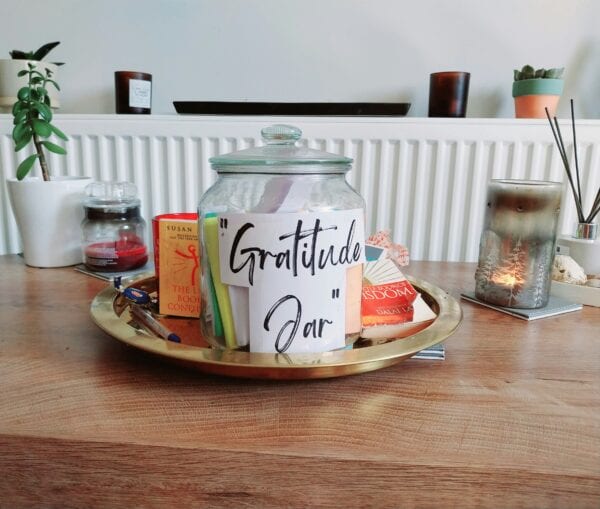
Don't take your loved ones for granted. Make it a habit to express your gratitude and appreciation for them, for their presence in your life, and for the specific things they do. A simple "thank you" or an unexpected compliment can go a long way in strengthening a relationship.
Building a Supportive Community: Expanding Your Circle
While close relationships are vital, a wider community also contributes to a sense of belonging and well-being, helping you to slow down and feel more supported.
Participating in Local Groups and Activities
Whether it's a book club, a hiking group, a volunteer organization, or a class, actively seek out opportunities to connect with people who share your interests. This expands your social circle and provides a sense of community.
The Power of Giving Back: Contributing to Something Larger
Volunteering your time and energy to a cause you believe in can be incredibly fulfilling. It connects you to your community, provides a sense of purpose, and often allows you to interact with diverse groups of people.
Random Acts of Kindness: Spreading Positivity
Simple acts of kindness – holding a door, offering a genuine compliment, buying a coffee for the person behind you – brighten not only someone else's day but also your own. These small gestures foster connection and contribute to a more positive, slower-paced outlook on life.
Slowing down and enjoying life isn't a destination you arrive at; it's an ongoing practice, a continuous choice you make every day. It requires intentionality, patience, and a willingness to challenge the societal narrative of constant busyness. As you begin to unplug, practice mindfulness, design your days with purpose, embrace imperfection, and nurture your connections, you'll find that life doesn't just pass you by. Instead, you'll be actively participating in each precious moment, truly living, breathing, and savoring the richness that each day has to offer. You have the power to create a life that feels more spacious, more meaningful, and more profoundly enjoyable. So, take a deep breath, and begin.
FAQs
What are some practical ways to slow down and enjoy life?
Some practical ways to slow down and enjoy life include practicing mindfulness, spending time in nature, engaging in hobbies, and setting boundaries with technology and work.
Why is it important to slow down and enjoy life?
Slowing down and enjoying life is important for mental and physical well-being. It can reduce stress, improve overall happiness, and allow for better appreciation of life's moments.
How can mindfulness help in slowing down and enjoying life?
Mindfulness can help in slowing down and enjoying life by promoting present moment awareness, reducing stress, and increasing overall sense of well-being. It encourages individuals to savor the simple moments in life.
What role does self-care play in slowing down and enjoying life?
Self-care plays a crucial role in slowing down and enjoying life as it allows individuals to prioritize their well-being, set boundaries, and engage in activities that bring joy and relaxation.
How can I incorporate slowing down and enjoying life into my daily routine?
Incorporating slowing down and enjoying life into your daily routine can be done by scheduling regular breaks, engaging in activities that bring joy, setting boundaries with work and technology, and practicing gratitude.