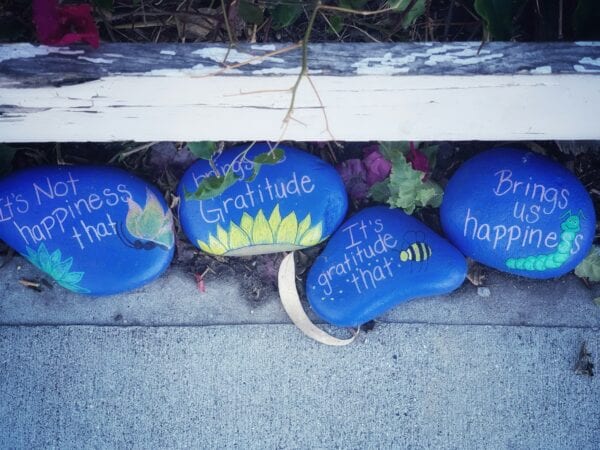

Have you ever felt that nagging sense of something missing, even when life seems pretty good on paper? Or perhaps you're navigating a tough season, and it feels like the world is conspiring against you. It's a common experience, and often, the answer isn't about acquiring something new, but about appreciating what you already have. This is where gratitude comes in – not just as a fleeting emotion, but as a deeply ingrained habit that can transform your entire outlook on life.
You see, for a long time, I thought gratitude was about saying "thank you" when someone held a door open. And it is, of course! But true gratitude, the kind that ripples through your days and fundamentally shifts your perspective, is so much more profound. It's an active choice, a mental muscle you strengthen with consistent practice. And the beautiful thing is, it doesn't require a radical overhaul of your life. It's built on small, consistent actions that accumulate into powerful change.
The Science Behind a Grateful Heart
You might be thinking, "That sounds nice, but is it really that effective?" The answer, my friend, is a resounding yes! Science has increasingly backed what ancient wisdom has known for centuries: gratitude is a powerhouse for well-being.
Neuroplasticity and the Gratitude Loop
Think of your brain like a well-worn path in a forest. The more you walk a certain path, the deeper and wider it gets, making it easier to traverse. The same goes for your neural pathways. When you consistently practice gratitude, you're essentially carving new, positive pathways in your brain. This phenomenon is called neuroplasticity – your brain's incredible ability to rewire itself. Studies have shown that people who regularly practice gratitude exhibit higher levels of activity in the prefrontal cortex, the part of the brain associated with decision-making, emotional regulation, and social behavior. This literally makes you more adept at experiencing positive emotions and less prone to dwelling on negativity.
Boosting Happiness Hormones
Ever noticed that warm, fuzzy feeling after doing something kind or receiving an unexpected compliment? That's your brain releasing "happy hormones." Gratitude is a natural stimulant for these very same chemicals. Dopamine, the reward chemical, gets a boost when you acknowledge something good. Oxytocin, the "bonding hormone," is released when you feel connected and appreciated. And serotonin, the mood stabilizer, also gets a lift. So, when you practice gratitude, you're essentially creating a self-sustaining cycle of positive biochemical reactions within yourself. It's like having your own internal pharmacy of happiness!
One study, for example, followed individuals who kept gratitude journals. They reported fewer physical symptoms, felt more optimistic about the coming week, and even exercised more compared to a control group. Imagine, a simple practice leading to such widespread benefits!
Practical Strategies for Cultivating Daily Gratitude
So, how do we translate this fascinating science into actionable, everyday habits? Here are some strategies that have worked wonders for myself and countless others.
The Morning Gratitude Burst: Setting Your Day's Tone
How you start your day often dictates how the rest of it unfolds. Instead of immediately checking your phone or jumping into a flurry of tasks, dedicate a few quiet moments to gratitude.
Three Good Things: A Simple Start
This is perhaps the simplest and most effective gratitude habit you can adopt. Before your feet even hit the floor, or while your coffee brews, think of three specific things you're grateful for right then and there. They don't have to be grand gestures. Maybe it's the warmth of your blanket, the sound of birds chirping outside your window, or the fact that you woke up with a clear mind. The key is specificity. Instead of "I'm grateful for my health," try "I'm grateful my knees don't ache today" or "I'm grateful I had a restful night's sleep." This specificity makes the gratitude feel more real and impactful.
I remember a time when I was going through a particularly stressful period at work. Every morning, I'd wake up with a knot in my stomach. A friend suggested the "Three Good Things" practice. Initially, it felt forced. But I committed to it. One day, I was grateful for the hot water in my shower. The next, for the delicious smell of my neighbor's baking. After about two weeks, I noticed the knot easing. It didn't make my work stress disappear, but it gave me a foothold of positivity to start my day, making the challenges feel more manageable.
Affirmations for Thankfulness
Combine your gratitude with affirmations. As you think of what you're grateful for, weave it into a positive statement. For example, "I am grateful for this new day and the opportunities it brings," or "I am filled with gratitude for my supportive family." Speaking these affirmations aloud, or even just silently repeating them, can amplify their power and help embed them deeper into your subconscious.
The Evening Gratitude Review: Reflecting on Blessings
Just as important as starting your day with gratitude is ending it with appreciation. This helps you process the day's events through a positive lens and ensures you go to bed with a sense of peace.
The Gratitude Journal: Your Personal Treasury of Thanks
This is a classic for a reason! Before you drift off to sleep, take a few minutes to jot down things you were grateful for during the day. Again, be specific. Did a colleague offer a helpful piece of advice? Did you enjoy a particularly tasty meal? Did you witness a beautiful sunset?
The beauty of a gratitude journal isn't just in the act of writing; it's in the ability to look back at your entries, especially on tough days. Seeing a tangible record of all the good things in your life can be incredibly uplifting. It's a powerful reminder that even amidst challenges, there's always something to appreciate.
I've kept a gratitude journal sporadically for years, but one year, I decided to commit to it every single day. I used a simple notebook and just wrote a few bullet points each night. What started as an obligation quickly became a cherished ritual. On days when I felt overwhelmed, flipping through past entries was like a balm for my soul. It showed me how much joy and beauty I had in my life that I often overlooked.
The Gratitude Jar: A Visual Reminder
If journaling feels like too much of a commitment, consider a gratitude jar. Simply grab a pretty jar and some slips of paper. Throughout the day, or before bed, jot down one thing you're grateful for and drop it into the jar. On a particularly rough day, or at the end of the year, open the jar and read through all the wonderful moments you've collected. It's a beautiful, tangible representation of the abundance in your life.
Mindful Moments of Appreciation: Integrating Gratitude Throughout Your Day
Gratitude doesn't have to be confined to specific journaling times. You can weave it into the fabric of your daily life, making it a constant, gentle companion.
Savoring Simple Pleasures
How often do you truly savor your morning coffee, the warmth of the sun on your skin, or the sound of your favorite song? We often rush through these small moments. Mindfulness expert Jon Kabat-Zinn often talks about the importance of "stopping and noticing." Take a deliberate pause to fully experience these simple pleasures. Engage all your senses. What do you see, hear, smell, taste, feel? When you truly savor these moments, you elevate them from mundane to magnificent.
Expressing Gratitude Verbally (and Genuinely)
This is perhaps the most direct way to cultivate gratitude. Make a conscious effort to thank people – your barista, the person who holds the door, a family member who helps with chores, a colleague who offers support. But go beyond a perfunctory "thanks." Explain why you're grateful. "Thank you for the delicious coffee; it really brightened my morning!" or "I really appreciate you taking out the trash; it helped me so much when I was pressed for time." This not only strengthens your own sense of gratitude but also deepens your connections with others. The ripple effect is astounding.
I remember once struggling with a complex project at work. A team member, Sarah, spent an extra hour helping me untangle a particularly tricky part, even though it wasn't strictly her responsibility. The next day, I didn't just say "Thanks for your help." I walked over to her desk and said, "Sarah, I just wanted to tell you how much I appreciated your help with that project yesterday. I was really stuck, and your insights were invaluable. You really went above and beyond, and it made such a difference." Her face lit up, and our working relationship, already good, became even stronger.
The Power of Perspective: Shifting Your Focus
Gratitude isn't about ignoring difficulties or pretending everything is perfect. It's about acknowledging the challenges while actively searching for the good that still exists.
Reframing Challenges as Opportunities
Life throws curveballs. We all know that. But how you interpret those curveballs makes all the difference. Instead of viewing a setback as a disaster, can you reframe it as a learning opportunity? Or a chance to develop resilience? This isn't easy, and it takes practice, but gratitude can be your ally here. When you actively look for the lessons or the silver lining, even in difficult situations, you're nurturing a grateful perspective. "I'm grateful for this challenge because it's teaching me patience," or "I'm grateful for this obstacle because it's forcing me to think creatively."
The "Worst-Case Scenario" Gratitude: A Powerful Antidote to Anxiety
Sometimes, gratitude comes from realizing things could be much worse. This isn't about being morbid, but rather about gaining perspective. If you're stressed about a minor inconvenience, take a moment to consider what the absolute worst-case scenario would be. Often, you'll find that your current situation, while annoying, is far from catastrophic. This can trigger a surge of gratitude for the privileges you do have.
I once found myself stranded on a long highway trip with a flat tire. My initial reaction was frustration and anger. "Why me? This is such a hassle!" But after a few minutes of fuming, I took a deep breath. I realized I had cell service, my spare tire was inflated, and I had the tools to change it. It could have been pouring rain, I could have been in an unfamiliar, unsafe area, or I might not have had a spare at all. The simple act of realizing it could be worse shifted my mood from anger to a quiet relief, and then to a genuine gratitude for the resources I had.
Giving Back: The Reciprocal Nature of Gratitude
True gratitude often leads to a desire to give back. When you feel a sense of abundance, you naturally want to share it.
Acts of Kindness and Service
When you're consistently grateful for what you have, you're more likely to notice the needs of others. This can inspire simple acts of kindness, like buying a coffee for the person behind you, or more significant acts of service, like volunteering your time. The amazing thing about giving is that it also boosts your gratitude. It creates a positive feedback loop: you're grateful, so you give, and giving makes you feel even more grateful.
Mentoring and Sharing Your Gifts
If you're grateful for the knowledge and skills you've acquired, consider mentoring someone. Share your expertise. When you empower others, it reinforces your own sense of purpose and value, which in turn fuels more gratitude. It's about recognizing that your talents aren't just for you, but can benefit the wider community.
So, there you have it – a roadmap to embedding powerful gratitude habits into your daily life. Remember, it's not about being grateful for everything, every single second. It's about making a conscious choice, however small, to seek out and acknowledge the good. It’s about building those neural pathways, one thankful thought at a time. Are you ready to begin?
Reflection Questions:
- What's one small thing you're genuinely grateful for that you often overlook?
- How might setting a positive intention with gratitude each morning change the tone of your day?
- Think of a challenging situation you've faced recently. Can you identify any "silver lining" or lesson learned from it, no matter how small?
Simple Action Steps for Today:
- This morning, before you do anything else, name three specific things you're grateful for aloud or in your head.
- Today, make a conscious effort to genuinely thank one person and tell them why you're grateful for them.
- Before you go to bed tonight, jot down one thing that made you smile or feel good today.
FAQs
What are daily gratitude habits?
Daily gratitude habits are practices or routines that individuals incorporate into their daily lives to cultivate a sense of gratitude and appreciation for the things they have.
What are some examples of daily gratitude habits that actually work?
Examples of daily gratitude habits that actually work include keeping a gratitude journal, practicing mindfulness and meditation, expressing gratitude to others, and focusing on the present moment.
How do daily gratitude habits benefit individuals?
Daily gratitude habits have been shown to benefit individuals by improving their overall well-being, reducing stress and anxiety, enhancing relationships, and promoting a positive outlook on life.
How can one incorporate daily gratitude habits into their routine?
One can incorporate daily gratitude habits into their routine by setting aside time each day to practice gratitude, using reminders or prompts to stay mindful of gratitude, and finding activities that resonate with them personally.
Are there any scientific studies supporting the effectiveness of daily gratitude habits?
Yes, there have been numerous scientific studies that support the effectiveness of daily gratitude habits in improving mental and emotional well-being, as well as overall life satisfaction.