
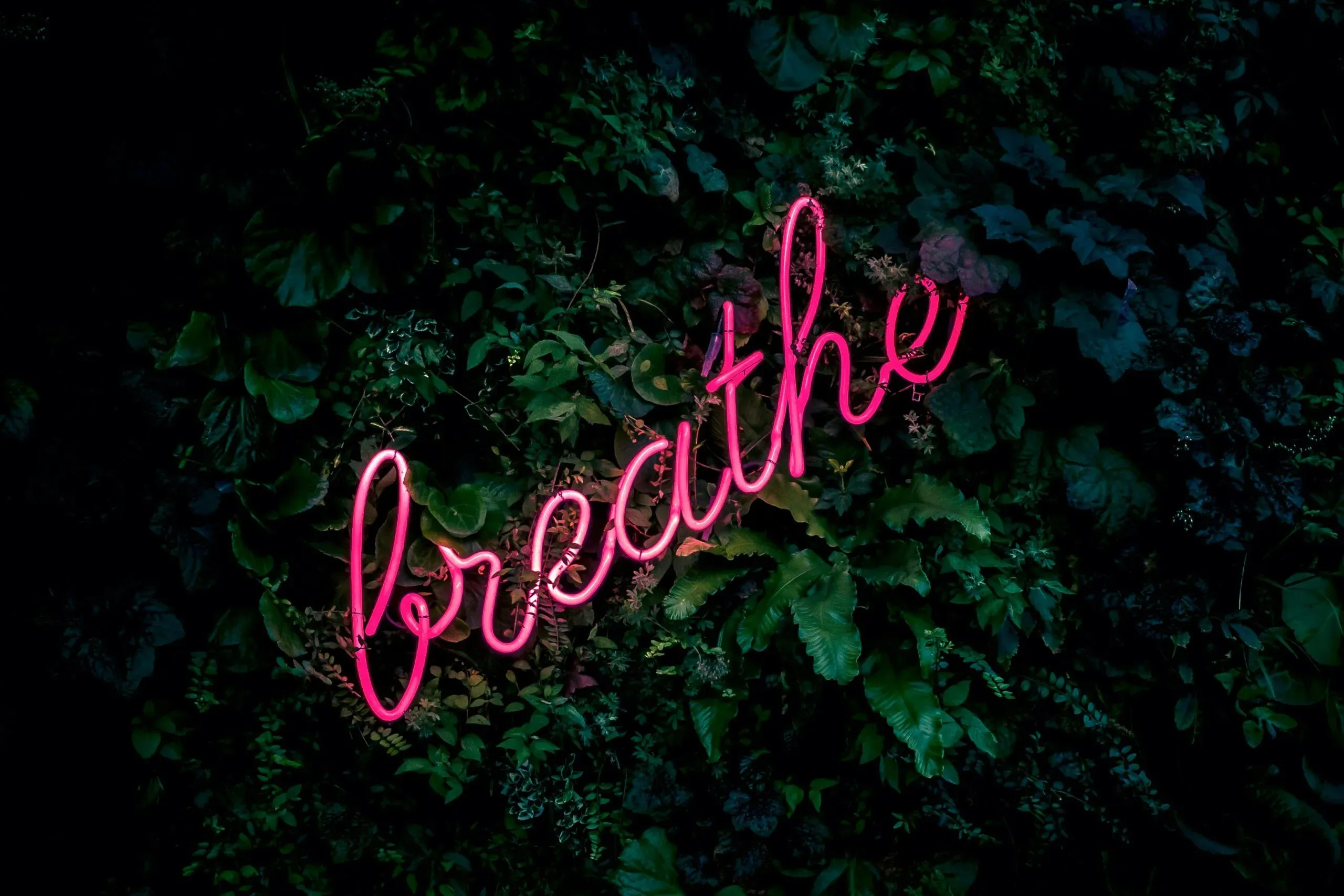
Breath is often taken for granted, yet it serves as a vital link between our mind and body. As we inhale and exhale, we engage in a process that not only sustains our physical existence but also profoundly influences our mental state. When we take a moment to reflect on our breathing patterns, we can observe how they shift in response to our emotions.
For instance, during moments of stress or anxiety, our breath tends to become shallow and rapid, while in moments of calm, it flows more deeply and steadily. This connection between breath and emotional state highlights the power of breath as a tool for self-regulation. Moreover, understanding the mechanics of our breath can empower us to harness its potential.
The act of breathing is not merely a biological function; it is a gateway to enhancing our overall well-being.
By consciously engaging with our breath, we can influence our heart rate, blood pressure, and even our mental clarity. This awareness opens up a world of possibilities for improving our health and emotional resilience.
As we delve deeper into the art of breathwork, we begin to appreciate its role in fostering a balanced mind and body, ultimately leading us toward a more harmonious existence.
Key Takeaways
- Breathwork profoundly influences both mental and physical health by regulating the nervous system.
- Deep breathing techniques can effectively induce calmness and reduce stress levels.
- Controlled breathing enhances mental clarity, focus, and cognitive performance.
- Regular breathwork practice boosts confidence and promotes emotional resilience.
- Incorporating mindful breathing exercises daily supports long-term well-being and stress management.
Techniques for Harnessing the Calming Effects of Deep Breathing
To fully embrace the calming effects of deep breathing, we can explore various techniques that allow us to connect with our breath on a deeper level. One effective method is diaphragmatic breathing, which involves engaging the diaphragm rather than relying solely on the chest for breath. By placing one hand on our abdomen and the other on our chest, we can consciously focus on expanding our belly as we inhale deeply through the nose.
This technique not only promotes relaxation but also encourages a greater intake of oxygen, which can invigorate both body and mind. Another powerful technique is the 4-7-8 breathing method, popularized by Dr. Andrew Weil.
In this practice, we inhale for a count of four, hold the breath for seven counts, and then exhale slowly for eight counts. This rhythmic pattern helps to activate the parasympathetic nervous system, which is responsible for promoting relaxation and reducing stress. By incorporating this technique into our daily routine, we can create a sanctuary of calm amidst the chaos of life.
As we become more adept at these techniques, we may find ourselves better equipped to navigate challenging situations with grace and composure.
Using Breathwork to Achieve Mental Clarity and Focus

In our fast-paced world, achieving mental clarity and focus can often feel like an elusive goal.
However, breathwork offers us a practical solution to sharpen our cognitive abilities.
When we engage in focused breathing exercises, we increase the flow of oxygen to our brain, which can enhance cognitive function and improve concentration.
One effective practice is box breathing, where we inhale for a count of four, hold for four, exhale for four, and hold again for four before repeating the cycle. This structured approach not only calms the mind but also creates a sense of order that can help us tackle tasks with renewed vigor. Additionally, incorporating breathwork into our meditation practice can further amplify its benefits.
As we settle into a meditative state, focusing on our breath allows us to quiet the mental chatter that often clouds our thoughts. By anchoring ourselves in the present moment through conscious breathing, we cultivate a sense of awareness that enhances our ability to concentrate on the task at hand. Over time, this practice can lead to improved productivity and creativity, as we learn to harness the power of our breath to clear away distractions and foster a focused mindset.
How Controlled Breathing Can Boost Confidence and Self-Assurance
The relationship between breath and confidence is profound yet often overlooked. When we feel anxious or uncertain, our breath tends to become constricted, mirroring our internal state. Conversely, when we practice controlled breathing techniques, we can shift this dynamic and cultivate a sense of self-assurance.
For instance, adopting a posture of power while engaging in deep breathing can send signals to our brain that we are confident and capable. This simple act can create a positive feedback loop that reinforces our self-belief. Moreover, using breathwork before high-pressure situations—such as public speaking or important meetings—can significantly enhance our performance.
By taking a few moments to engage in deep breathing exercises beforehand, we can calm our nerves and center ourselves. This practice not only helps to alleviate anxiety but also allows us to approach challenges with a clear mind and a confident demeanor. As we continue to integrate controlled breathing into our lives, we may find that it becomes an invaluable tool for boosting our self-esteem and navigating life's uncertainties with poise.
The Science Behind Breathwork: Exploring the Physiological Benefits
The physiological benefits of breathwork are supported by a growing body of scientific research that underscores its importance in promoting overall health. When we engage in deep breathing exercises, we activate the vagus nerve, which plays a crucial role in regulating our autonomic nervous system. This activation leads to a decrease in heart rate and blood pressure, creating a state of relaxation that counteracts the effects of stress.
Furthermore, studies have shown that consistent breathwork can improve lung capacity and respiratory function, enhancing our overall physical endurance. Additionally, breathwork has been linked to improved mental health outcomes. Research indicates that practices such as mindfulness-based stress reduction (MBSR), which often incorporate breath awareness techniques, can significantly reduce symptoms of anxiety and depression.
By fostering a greater connection between mind and body through breathwork, we create an environment conducive to healing and emotional well-being. As we delve deeper into the science behind these practices, it becomes increasingly clear that harnessing the power of our breath is not just beneficial; it is essential for maintaining optimal health.
Incorporating Breathwork into Your Daily Routine for Lasting Effects

To truly reap the benefits of breathwork, it is essential to incorporate these practices into our daily routine. Establishing a consistent schedule allows us to cultivate mindfulness around our breath and integrate it seamlessly into our lives. We might start by setting aside just five minutes each morning to engage in deep breathing exercises or mindful meditation.
This small commitment can create a ripple effect throughout our day, enhancing our ability to manage stress and maintain focus. As we become more comfortable with these practices, we can explore opportunities to incorporate breathwork into various aspects of our daily lives. For instance, taking a few moments to breathe deeply before responding to an email or during breaks at work can help us remain centered amidst distractions.
Additionally, integrating breath awareness into physical activities such as yoga or walking can deepen our connection to both body and mind. By making breathwork an integral part of our daily routine, we set ourselves up for lasting positive change.
Breathing Exercises for Managing Stress and Anxiety
When it comes to managing stress and anxiety, specific breathing exercises can serve as powerful tools for regaining control over our emotional state. One such exercise is the 5-5-5 technique: inhaling for five counts, holding for five counts, and exhaling for five counts. This simple yet effective method helps ground us in the present moment while promoting relaxation.
As we practice this technique regularly, we may find ourselves better equipped to handle stressful situations with greater ease. Another beneficial exercise is alternate nostril breathing (Nadi Shodhana), which involves closing one nostril while inhaling through the other and then switching sides. This practice not only calms the mind but also balances the left and right hemispheres of the brain, promoting emotional stability.
By incorporating these exercises into our daily routine or using them as needed during moments of heightened stress or anxiety, we empower ourselves to navigate life's challenges with resilience.
Cultivating a Sense of Peace and Well-Being Through Mindful Breathing Practices
Ultimately, cultivating a sense of peace and well-being through mindful breathing practices requires intention and commitment. As we engage in these practices regularly, we create space for self-reflection and personal growth. Mindful breathing encourages us to slow down and connect with ourselves on a deeper level, fostering an awareness that transcends the chaos of daily life.
By dedicating time each day to simply breathe—without judgment or expectation—we open ourselves up to profound insights and emotional healing. As we continue on this journey of self-discovery through breathwork, we may find that it becomes not just a practice but a way of life. The benefits extend far beyond moments of calm; they permeate every aspect of our existence—enhancing relationships, boosting creativity, and fostering resilience in the face of adversity.
By embracing the power of mindful breathing practices, we embark on a transformative journey toward greater peace and well-being—one breath at a time.
In exploring the profound impact of breath on our mental state, the article "How Your Breath Creates Calm, Clarity, and Confidence" highlights techniques that can enhance our overall well-being. For further insights into lifestyle choices that promote a balanced life, you may find the article on lifestyle particularly beneficial. This resource offers a variety of tips and strategies that complement the breathing techniques discussed, helping you cultivate a more serene and focused mindset.
FAQs
What is the connection between breathing and emotional calmness?
Breathing directly influences the autonomic nervous system, which controls stress responses. Slow, deep breaths activate the parasympathetic nervous system, promoting relaxation and reducing feelings of anxiety and stress.
How does breathing affect mental clarity?
Proper breathing increases oxygen flow to the brain, which can enhance cognitive function, focus, and mental clarity. Controlled breathing techniques help clear the mind and improve concentration.
Can breathing techniques boost confidence?
Yes, intentional breathing can regulate physiological responses to stress, such as rapid heartbeat and shallow breathing, which often accompany nervousness. By calming the body, breathing exercises can help individuals feel more grounded and confident.
What are some common breathing techniques used to create calm and clarity?
Common techniques include diaphragmatic breathing (deep belly breathing), box breathing (inhaling, holding, exhaling, and holding for equal counts), and alternate nostril breathing. These methods help regulate breath and promote relaxation.
How often should one practice breathing exercises to see benefits?
Regular practice, even just a few minutes daily, can lead to noticeable improvements in calmness, clarity, and confidence. Consistency is key to training the body and mind to respond positively to breath control.
Is breathing alone enough to manage stress and anxiety?
While breathing techniques are effective tools for managing stress and anxiety, they are often most beneficial when combined with other strategies such as mindfulness, physical activity, and professional support if needed.
Can breathing exercises be used in high-pressure situations?
Yes, breathing exercises can be employed in real-time during stressful or high-pressure situations to quickly reduce tension and improve focus, helping individuals respond more effectively.
Are there any risks associated with breathing exercises?
Breathing exercises are generally safe for most people. However, individuals with certain respiratory or cardiovascular conditions should consult a healthcare professional before starting new breathing practices.