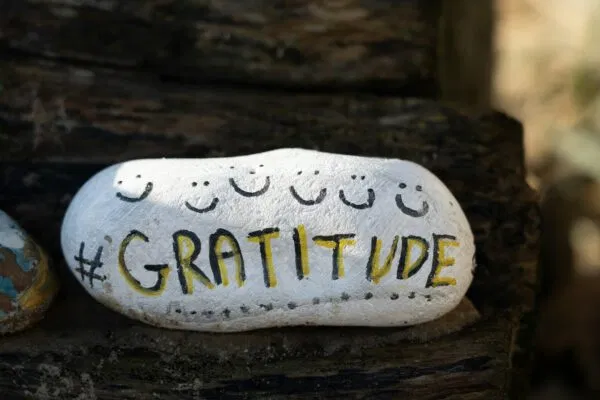

Gratitude is a powerful emotion that transcends mere politeness or social niceties. It is a profound acknowledgment of the goodness in our lives, a recognition of the contributions of others, and an appreciation for the world around us. When we embrace gratitude, we open ourselves to a deeper understanding of our experiences and relationships.
This simple yet transformative practice can shift our focus from what we lack to what we have, fostering a sense of abundance rather than scarcity. In doing so, we cultivate a mindset that enhances our overall well-being and enriches our interactions with others. As we explore the power of gratitude, we find that it serves as a bridge connecting us to our values and aspirations.
It encourages us to reflect on the positive aspects of our lives, even amidst challenges. By consciously practicing gratitude, we can create a ripple effect that not only uplifts our spirits but also influences those around us. When we express gratitude, we strengthen our bonds with family, friends, and colleagues, fostering a sense of community and belonging.
This interconnectedness is vital for our emotional health, as it reminds us that we are not alone in our struggles and triumphs.
Key Takeaways
- Gratitude significantly enhances mental health by promoting positive emotions and reducing stress.
- Scientific research validates gratitude's effectiveness, showing measurable benefits similar to some therapeutic approaches.
- Practicing gratitude daily can be as simple as keeping a gratitude journal or expressing thanks to others.
- Integrating gratitude into therapy can complement traditional treatments and improve overall outcomes.
- Future interventions are likely to focus more on gratitude as a valuable tool in mental health care.
The Impact of Gratitude on Mental Health
The impact of gratitude on mental health is profound and multifaceted. Numerous studies have shown that individuals who regularly practice gratitude experience lower levels of depression and anxiety. By focusing on the positive aspects of life, we can counteract negative thought patterns that often lead to feelings of hopelessness and despair.
Gratitude acts as a buffer against stress, allowing us to navigate life's challenges with resilience and optimism. When we acknowledge the good in our lives, we cultivate a more positive outlook that can significantly enhance our mental well-being. Moreover, gratitude has been linked to improved emotional regulation.
When we consciously practice gratitude, we train our minds to recognize and appreciate positive experiences, which can lead to increased emotional stability. This shift in perspective allows us to respond to difficult situations with greater calmness and clarity. As we develop a habit of gratitude, we become more adept at managing our emotions, leading to healthier relationships and improved overall mental health.
In essence, gratitude serves as a powerful tool for fostering emotional resilience and promoting psychological well-being.
How Gratitude Compares to Therapy

While therapy offers structured support for mental health challenges, gratitude can serve as a complementary practice that enhances therapeutic outcomes. Therapy often focuses on identifying and addressing negative thought patterns and behaviors, while gratitude encourages us to shift our focus toward the positive aspects of our lives. This dual approach can create a more balanced perspective, allowing us to confront our struggles while also celebrating our successes.
By integrating gratitude into our therapeutic journey, we can cultivate a more holistic understanding of ourselves and our experiences. In many ways, gratitude can be seen as an accessible form of self-help that complements traditional therapy. It requires no special training or expertise; rather, it invites us to engage in simple yet meaningful practices that can be easily incorporated into our daily routines.
While therapy provides valuable insights and coping strategies, gratitude empowers us to take an active role in our healing process.
By fostering a sense of appreciation for the present moment, we can enhance the benefits of therapy and create lasting change in our lives.
Scientific Studies Supporting the Effectiveness of Gratitude
The effectiveness of gratitude has been supported by a growing body of scientific research. Numerous studies have demonstrated that individuals who regularly practice gratitude report higher levels of happiness and life satisfaction. For instance, research conducted by psychologists has shown that keeping a gratitude journal—where we write down things we are thankful for—can lead to significant improvements in mood and overall well-being.
These findings highlight the tangible benefits of cultivating gratitude as a daily practice. Additionally, studies have revealed that gratitude can have physiological effects on our bodies. Research indicates that individuals who express gratitude experience lower levels of stress hormones and improved sleep quality.
This connection between gratitude and physical health underscores the importance of nurturing this emotion in our lives. As we engage in practices that promote gratitude, we not only enhance our mental health but also contribute to our physical well-being, creating a holistic approach to self-care.
Practical Ways to Cultivate Gratitude in Daily Life
Cultivating gratitude in our daily lives can be both simple and rewarding. One effective method is to maintain a gratitude journal where we regularly jot down things we are thankful for. This practice encourages us to reflect on positive experiences and moments of joy, helping us develop a habit of appreciation.
By setting aside time each day or week to write in our journals, we create space for mindfulness and self-reflection, allowing us to recognize the abundance in our lives. Another practical way to foster gratitude is through expressing appreciation to others. Whether it’s writing thank-you notes or verbally acknowledging someone’s kindness, sharing our gratitude can strengthen relationships and create a positive feedback loop.
When we express appreciation, we not only uplift others but also reinforce our own feelings of thankfulness. Additionally, incorporating gratitude into daily rituals—such as taking a moment before meals to reflect on what we are grateful for—can help us cultivate a consistent practice that enriches our lives.
Incorporating Gratitude into Therapy

Incorporating gratitude into therapy can enhance the therapeutic process and provide clients with valuable tools for personal growth. Therapists can encourage clients to explore their feelings of gratitude as part of their sessions, helping them identify positive aspects of their lives even when facing challenges. By integrating gratitude exercises into therapy—such as guided reflections or journaling prompts—clients can develop a deeper understanding of their emotions and experiences.
Moreover, therapists can model gratitude by expressing appreciation for their clients’ efforts and progress. This acknowledgment fosters a supportive therapeutic environment where clients feel valued and understood. By emphasizing the importance of gratitude within the therapeutic relationship, therapists can empower clients to embrace this practice as a means of enhancing their mental health and overall well-being.
Gratitude as a Complementary Approach to Therapy
Gratitude serves as an invaluable complementary approach to traditional therapy methods.
While therapy often focuses on addressing specific issues or traumas, gratitude encourages individuals to broaden their perspectives and recognize the positive elements in their lives.
This dual approach allows clients to confront their challenges while simultaneously cultivating resilience through appreciation.
Furthermore, integrating gratitude into therapeutic practices can enhance motivation and engagement in the healing process. When clients experience the benefits of gratitude—such as increased happiness and improved relationships—they may be more inclined to actively participate in therapy sessions and apply what they learn outside the therapeutic setting. This synergy between gratitude and therapy creates a holistic framework for personal growth and emotional healing.
The Future of Gratitude-Based Interventions
As awareness of the benefits of gratitude continues to grow, we anticipate an increase in gratitude-based interventions within mental health practices. Future research may explore innovative ways to integrate gratitude into various therapeutic modalities, such as cognitive-behavioral therapy or mindfulness-based approaches. By examining the effectiveness of these interventions, mental health professionals can develop evidence-based strategies that harness the power of gratitude for healing.
Moreover, as technology advances, we may see the emergence of digital platforms designed to facilitate gratitude practices. Mobile applications that encourage users to engage in daily reflections or connect with others through shared expressions of appreciation could further popularize the practice of gratitude in everyday life. As we move forward, it is essential to continue exploring the potential of gratitude as a transformative force for mental health and well-being.
In conclusion, the power of gratitude extends far beyond simple expressions of thanks; it is a profound practice that can significantly impact our mental health and overall well-being. By recognizing its importance and incorporating it into our daily lives and therapeutic practices, we can foster resilience, enhance emotional regulation, and create lasting connections with ourselves and others. As we continue to explore the potential of gratitude-based interventions, we pave the way for a brighter future filled with appreciation and positivity.
In exploring the benefits of gratitude, a related article titled "The Power of Gratitude in Everyday Life" delves into how cultivating a grateful mindset can enhance overall well-being and emotional resilience. This article complements the findings of "Scientists Say Gratitude Might Be More Effective Than Therapy" by providing practical tips on incorporating gratitude practices into daily routines. For more insights, you can read the article [here](https://articles.livetastic.com/cart/).
FAQs
What is the main finding of the article "Scientists Say Gratitude Might Be More Effective Than Therapy"?
The article discusses research suggesting that practicing gratitude may have significant mental health benefits, potentially rivaling or complementing traditional therapy methods.
How does gratitude impact mental health according to scientific studies?
Scientific studies indicate that regularly expressing gratitude can improve mood, increase feelings of well-being, reduce symptoms of depression and anxiety, and enhance overall psychological resilience.
Is gratitude suggested as a replacement for therapy?
No, gratitude is not suggested as a complete replacement for therapy. Instead, it may serve as a valuable complementary practice that can enhance mental health alongside professional treatment.
What are common ways to practice gratitude?
Common gratitude practices include keeping a gratitude journal, writing thank-you notes, reflecting on positive experiences, and verbally expressing appreciation to others.
Who can benefit from practicing gratitude?
People of all ages and backgrounds can benefit from practicing gratitude, including those experiencing stress, anxiety, depression, or anyone seeking to improve their emotional well-being.
Are there any scientific limitations to the findings about gratitude and therapy?
Yes, while research is promising, more large-scale and long-term studies are needed to fully understand the effectiveness of gratitude compared to or alongside various forms of therapy.
Can gratitude practices be integrated into existing therapeutic approaches?
Yes, many therapists incorporate gratitude exercises into cognitive-behavioral therapy and other treatment plans to help clients build positive thinking habits and emotional resilience.
Where can I learn more about the benefits of gratitude?
You can learn more through scientific journals, mental health organizations, psychology books, and reputable online resources that focus on positive psychology and emotional well-being.