
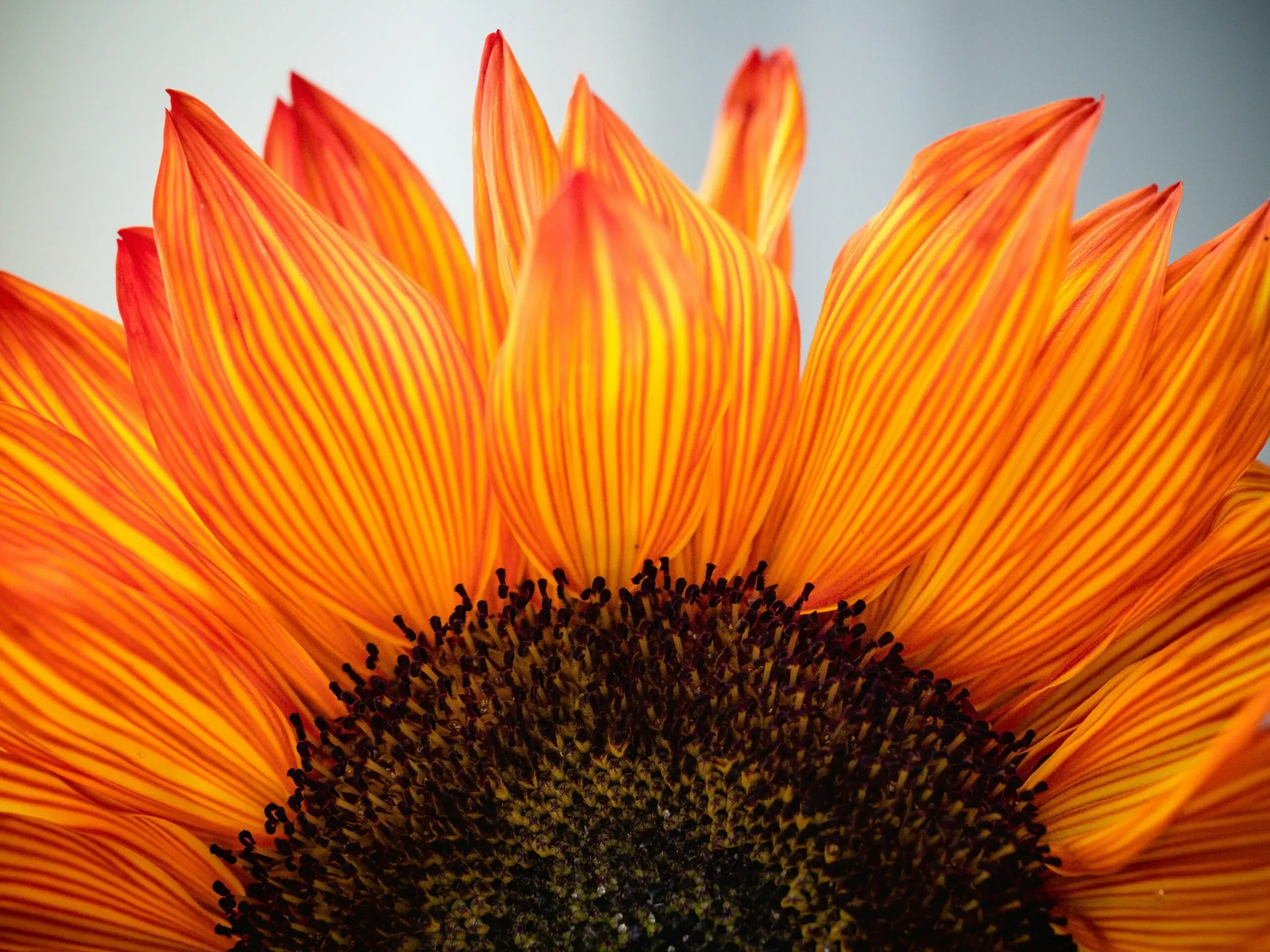
Gratitude is a powerful emotion that can transform our lives in profound ways. When we take the time to acknowledge and appreciate the good things in our lives, we open ourselves up to a world of positivity and joy. This simple act of recognizing what we have, rather than focusing on what we lack, can shift our mindset and enhance our overall well-being.
We often find ourselves caught in the whirlwind of daily responsibilities and challenges, but when we pause to express gratitude, we create a moment of clarity that allows us to reconnect with what truly matters. Moreover, gratitude has a ripple effect that extends beyond our personal experiences. When we express appreciation, whether through words or actions, we inspire those around us to do the same.
This creates a culture of gratitude that fosters deeper connections and strengthens relationships. As we cultivate an attitude of thankfulness, we not only improve our own mental health but also contribute to a more positive environment for others. In this way, gratitude becomes a shared experience that enriches our lives collectively.
Key Takeaways
- Gratitude enhances appreciation for everyday beauty and moments.
- Shifting perspective helps foster a consistent grateful mindset.
- Expressing gratitude creates meaningful and lasting memories.
- Practicing gratitude contributes to overall happiness and mindfulness.
- Scientific research supports gratitude’s positive impact on memory and well-being.
Recognizing the Beauty in Everyday Moments
In our fast-paced lives, it is easy to overlook the beauty that surrounds us in everyday moments. We often rush from one task to another, consumed by our to-do lists and obligations. However, when we take a step back and consciously recognize the small joys that fill our days, we begin to appreciate life on a deeper level.
Whether it’s the warmth of the sun on our skin, the laughter of a friend, or the aroma of freshly brewed coffee, these seemingly mundane experiences can bring us immense joy if we allow ourselves to notice them. By practicing mindfulness and being present in the moment, we can train ourselves to see the beauty in the ordinary. This shift in perspective encourages us to slow down and savor life’s simple pleasures.
We might find ourselves marveling at the vibrant colors of a sunset or feeling grateful for a quiet moment of solitude. As we learn to recognize these everyday wonders, we cultivate a sense of appreciation that enriches our lives and enhances our overall happiness.
Shifting Perspective to Embrace Gratitude

Embracing gratitude often requires a conscious effort to shift our perspective. It is all too easy to fall into the trap of negativity, especially when faced with challenges or setbacks. However, by reframing our thoughts and focusing on what we can be thankful for, we can transform our outlook on life.
This shift does not mean ignoring difficulties; rather, it involves acknowledging them while also recognizing the silver linings that may accompany them. For instance, when we encounter obstacles, we can choose to view them as opportunities for growth and learning. Instead of dwelling on what went wrong, we can reflect on the lessons learned and the strength gained from overcoming adversity.
This practice not only fosters resilience but also deepens our appreciation for the journey itself. By actively choosing gratitude in challenging times, we empower ourselves to navigate life’s ups and downs with grace and optimism.
Creating Lasting Memories Through Gratitude
Gratitude has the remarkable ability to create lasting memories that enrich our lives. When we express appreciation for special moments—be it a family gathering, a milestone achievement, or a simple act of kindness—we solidify those experiences in our minds. The act of acknowledging these moments enhances their significance and allows us to revisit them with fondness in the future.
Moreover, when we share our gratitude with others, we create shared memories that strengthen our bonds. Whether it’s writing a heartfelt thank-you note or verbally expressing appreciation, these gestures not only make others feel valued but also reinforce our own positive experiences. As we cultivate a habit of gratitude, we find ourselves surrounded by a tapestry of cherished memories that bring warmth and joy to our lives.
Cultivating Happiness Through Gratitude
The connection between gratitude and happiness is well-documented, and it is something we can actively cultivate in our lives. When we focus on what we are thankful for, we shift our attention away from negativity and dissatisfaction. This shift allows us to experience greater joy and contentment in our daily lives.
By making gratitude a regular practice, we can train our minds to seek out the positive aspects of any situation. Incorporating gratitude into our daily routines can be as simple as keeping a gratitude journal or sharing moments of appreciation with loved ones during dinner. These practices not only enhance our mood but also create a sense of community and connection with those around us.
As we collectively embrace gratitude, we foster an environment where happiness flourishes, benefiting not just ourselves but also those in our lives.
Gratitude as a Tool for Mindfulness

Gratitude serves as an effective tool for mindfulness, allowing us to anchor ourselves in the present moment. When we practice gratitude, we are compelled to focus on what is happening right now rather than getting lost in worries about the past or future. This mindfulness practice encourages us to fully engage with our surroundings and appreciate the richness of each experience.
By incorporating gratitude into our mindfulness routines—such as during meditation or quiet reflection—we deepen our awareness of both ourselves and the world around us. This heightened awareness enables us to savor life’s moments more fully and fosters a sense of peace and contentment. As we become more mindful through gratitude, we cultivate a greater appreciation for life’s intricacies and develop a more profound connection with ourselves and others.
The Science Behind Gratitude and Memory
Research has shown that gratitude has tangible effects on our brain and memory functions. Studies indicate that practicing gratitude can lead to increased levels of dopamine and serotonin—neurotransmitters associated with feelings of happiness and well-being. This biochemical response not only enhances our mood but also improves cognitive functions such as memory retention and recall.
Furthermore, engaging in gratitude practices can lead to better emotional regulation and resilience against stress. When we focus on positive experiences and express appreciation for them, we create neural pathways that reinforce these feelings over time. This means that as we continue to practice gratitude, we are not only enhancing our emotional well-being but also strengthening our memory capabilities.
The more we engage with gratitude, the more adept we become at recalling positive experiences, which further enriches our lives.
Practical Tips for Incorporating Gratitude Into Daily Life
Incorporating gratitude into our daily lives doesn’t have to be complicated; it can be as simple as making small adjustments to our routines. One effective method is to start each day by listing three things we are grateful for. This practice sets a positive tone for the day ahead and encourages us to seek out additional moments of appreciation as the day unfolds.
Another practical tip is to create a gratitude jar where we can write down moments of thankfulness on slips of paper throughout the year. At the end of the year or during challenging times, revisiting these notes can serve as a powerful reminder of all the good in our lives. Additionally, expressing gratitude verbally or through written notes to friends and family can strengthen relationships while reinforcing our own feelings of appreciation.
Ultimately, cultivating gratitude is an ongoing journey that requires intention and practice. By making it a priority in our lives, we can unlock its transformative power and experience greater joy, connection, and fulfillment in every moment. As we embrace gratitude together, we not only enhance our own lives but also contribute positively to the world around us.
In exploring the theme of gratitude and its impact on our daily lives, you might find it interesting to read about how beauty can enhance our experiences and memories. The article on beauty discusses the importance of appreciating the little things that contribute to our overall happiness. You can check it out here: Beauty and Happiness. This connection between gratitude and the appreciation of beauty can further transform ordinary moments into cherished memories.
FAQs
What is gratitude?
Gratitude is the practice of recognizing and appreciating the positive aspects of life, including people, experiences, and things. It involves acknowledging the good and expressing thankfulness.
How does gratitude impact happiness?
Gratitude has been shown to increase overall happiness by shifting focus from negative to positive experiences. It helps individuals savor ordinary moments, making them more meaningful and memorable.
Can gratitude transform everyday moments?
Yes, practicing gratitude can transform ordinary moments into special, happiness-filled memories by encouraging mindfulness and appreciation of the present.
What are some ways to practice gratitude daily?
Common methods include keeping a gratitude journal, expressing thanks to others, reflecting on positive experiences, and mindful appreciation of small joys.
Is there scientific evidence supporting the benefits of gratitude?
Yes, numerous studies in psychology have demonstrated that gratitude improves mental health, enhances relationships, and increases life satisfaction.
Can gratitude help reduce stress and negative emotions?
Practicing gratitude can reduce stress and negative emotions by promoting a positive mindset and fostering resilience in challenging situations.
How does gratitude affect memory formation?
Gratitude enhances memory by encouraging individuals to focus on positive experiences, which are more likely to be encoded and recalled as happy memories.
Is gratitude beneficial for relationships?
Yes, expressing gratitude strengthens social bonds, improves communication, and increases feelings of connectedness and trust between people.
Can children benefit from practicing gratitude?
Absolutely. Teaching children gratitude can improve their emotional well-being, social skills, and overall happiness from an early age.
How long does it take to see the effects of practicing gratitude?
Some benefits of gratitude can be noticed within a few weeks of consistent practice, though long-term effects increase with ongoing gratitude habits.