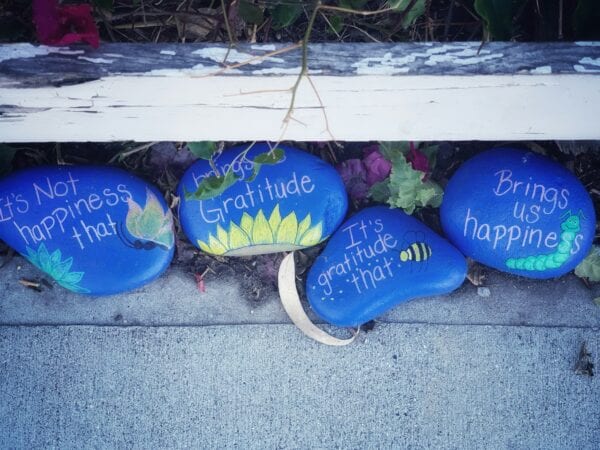

In a world that often feels overwhelming, self-help books have emerged as beacons of hope and guidance. They offer us insights, strategies, and inspiration to navigate the complexities of life. As we delve into the pages of these transformative texts, we find ourselves not just reading words but engaging in a dialogue with our inner selves.
The power of self-help literature lies in its ability to resonate with our personal experiences, providing us with tools to foster growth and change. We often discover that these books serve as mirrors, reflecting our struggles and aspirations while encouraging us to take actionable steps toward improvement. Self-help books have the unique ability to empower us, reminding us that we are not alone in our challenges.
They present a wealth of knowledge distilled from the experiences of others who have faced similar hurdles. By sharing their stories and insights, authors create a sense of community among readers, fostering a collective journey toward self-discovery and personal development. As we explore the works of various authors, we find that each book offers a distinct perspective, yet they all share a common goal: to inspire us to become the best versions of ourselves.
"The Subtle Art of Not Giving a F*ck" by Mark Manson
Mark Manson's "The Subtle Art of Not Giving a F*ck" challenges conventional wisdom about positivity and success. Instead of promoting relentless optimism, Manson encourages us to embrace the reality of life's struggles. He argues that our culture's obsession with positivity can lead to unrealistic expectations and disappointment.
By focusing on what truly matters to us and letting go of the trivial concerns that drain our energy, we can cultivate a more meaningful existence. This refreshing perspective resonates deeply with many of us who have felt overwhelmed by societal pressures to constantly strive for happiness. Manson's candid writing style and relatable anecdotes make his message accessible and engaging.
He emphasizes the importance of accepting our limitations and recognizing that we cannot care about everything. This radical acceptance allows us to prioritize our values and invest our time and energy in what genuinely matters. As we reflect on Manson's insights, we are reminded that true fulfillment comes not from chasing after every desire but from making conscious choices about where we direct our attention and efforts.
"Atomic Habits" by James Clear

In "Atomic Habits," James Clear presents a compelling framework for understanding how small changes can lead to significant transformations in our lives. He emphasizes that habits are the compound interest of self-improvement; just as money multiplies through compound interest, our daily habits accumulate over time, shaping our identities and outcomes. Clear's approach is practical and actionable, providing us with strategies to build good habits and break bad ones.
By focusing on incremental changes rather than drastic overhauls, he empowers us to take control of our behaviors and create lasting change. Clear introduces the concept of the "Four Laws of Behavior Change," which serve as a roadmap for habit formation. These laws—make it obvious, make it attractive, make it easy, and make it satisfying—offer us a clear path to success.
As we implement these principles in our daily lives, we begin to see how small adjustments can lead to profound shifts in our routines and overall well-being. Clear's emphasis on identity-based habits encourages us to align our actions with the person we aspire to be, reinforcing the idea that change is not just about what we do but about who we become.
"The Power of Now" by Eckhart Tolle
Eckhart Tolle's "The Power of Now" invites us to explore the profound impact of living in the present moment. Tolle argues that much of our suffering stems from our tendency to dwell on the past or worry about the future. By cultivating mindfulness and awareness, we can free ourselves from the burdens of regret and anxiety.
This transformative message resonates deeply with many of us who often find ourselves caught in cycles of overthinking and distraction. Tolle's teachings encourage us to embrace stillness and silence as pathways to inner peace. He emphasizes that true happiness is found not in external circumstances but within ourselves.
As we practice being present, we begin to notice the beauty in everyday moments and develop a deeper connection with ourselves and others. Tolle's insights challenge us to let go of our attachment to thoughts and narratives, allowing us to experience life more fully. Through his guidance, we learn that the present moment is where life unfolds, and it is in this space that we can find clarity and joy.
"You Are a Badass" by Jen Sincero
In "You Are a Badass," Jen Sincero delivers an empowering message that encourages us to embrace our uniqueness and pursue our dreams unapologetically. With her signature blend of humor and candor, Sincero inspires us to break free from self-doubt and limiting beliefs. She emphasizes that we are all capable of achieving greatness if we are willing to confront our fears and take bold action.
This uplifting perspective resonates with many of us who have struggled with feelings of inadequacy or uncertainty about our potential. Sincero's practical advice is infused with motivational anecdotes that remind us of our inherent worthiness. She encourages us to cultivate self-love and practice gratitude as essential components of personal growth.
By shifting our mindset from one of scarcity to one of abundance, we open ourselves up to new possibilities and opportunities. Sincero's infectious enthusiasm serves as a reminder that we have the power to create the life we desire, and her words inspire us to take ownership of our journey toward success.
Carol S. Dweck's "Mindset: The New Psychology of Success" introduces us to the transformative concept of fixed versus growth mindsets. Dweck argues that our beliefs about our abilities significantly influence our motivation and achievement.
Those with a fixed mindset view their talents as static, leading them to avoid challenges and fear failure. In contrast, individuals with a growth mindset embrace challenges as opportunities for learning and development. This distinction resonates deeply with many of us who have experienced setbacks or obstacles in our pursuits.
Dweck's research highlights the importance of fostering a growth mindset in ourselves and others, particularly in educational settings and personal relationships. By encouraging resilience and perseverance, we can cultivate an environment where learning thrives. As we reflect on Dweck's insights, we recognize that adopting a growth mindset empowers us to embrace challenges rather than shy away from them.
This shift in perspective allows us to view failures as stepping stones toward success, ultimately transforming how we approach our goals.
Taking Action and Transforming Your Life

As we explore the wisdom contained within these self-help books, we are reminded that knowledge alone is not enough; action is essential for transformation. Each author provides us with valuable insights and strategies, but it is up to us to implement these lessons in our lives actively. The journey toward personal growth requires commitment, courage, and a willingness to step outside our comfort zones.
By taking actionable steps based on what we've learned, we can create meaningful change and cultivate a life aligned with our values. Ultimately, self-help literature serves as a catalyst for self-discovery and empowerment. It encourages us to reflect on our beliefs, challenge limiting narratives, and embrace new possibilities.
As we integrate these teachings into our daily lives, we begin to see shifts not only in ourselves but also in our relationships and interactions with the world around us. The power lies within us; by taking action based on the insights we've gained, we can transform our lives in profound ways.
Additional Resources and Further Reading
For those seeking further exploration into the realm of self-help literature, there are numerous resources available that can deepen our understanding and support our journey toward personal growth. Books such as "Daring Greatly" by Brené Brown delve into vulnerability and courage, while "The Gifts of Imperfection" offers insights into embracing authenticity. Additionally, "The Four Agreements" by Don Miguel Ruiz provides a practical guide for personal freedom through four simple yet powerful agreements.
We can also explore online platforms such as podcasts and webinars featuring thought leaders in personal development. Engaging with communities focused on self-improvement can provide additional support and motivation as we navigate our journeys together. By continuing to seek knowledge and inspiration from various sources, we empower ourselves to create lasting change in our lives while fostering connections with others who share similar aspirations for growth.
If you're looking to transform your life this year, exploring self-help literature can be incredibly beneficial. In addition to "The Five Self-Help Books That Can Completely Change Your Life This Year," you might find inspiration in The Ultimate Guide to Working from Home, which offers practical tips and strategies for enhancing productivity and maintaining a healthy work-life balance in a remote setting. This article complements the self-help themes by addressing the challenges many face in today's work environment.
FAQs
What are self-help books?
Self-help books are publications designed to provide readers with advice, strategies, and insights to improve various aspects of their lives, such as personal development, mental health, productivity, and relationships.
How can self-help books change your life?
Self-help books can change your life by offering practical tools, motivational guidance, and new perspectives that encourage positive habits, emotional growth, and goal achievement.
What criteria should I use to choose a self-help book?
When choosing a self-help book, consider your personal goals, the credibility of the author, reader reviews, the book’s approach (scientific, anecdotal, or motivational), and whether the content resonates with your values and needs.
Are self-help books effective for everyone?
While many people find self-help books beneficial, their effectiveness depends on individual commitment, the relevance of the material, and the willingness to apply the advice in daily life.
Can reading multiple self-help books at once be helpful?
Reading multiple self-help books simultaneously can be helpful if the topics complement each other, but it may also lead to information overload. It’s often better to focus on one book at a time to fully absorb and implement its teachings.
Do self-help books replace professional therapy or counseling?
Self-help books are not a substitute for professional therapy or counseling. They can complement professional help but should not replace it, especially in cases of serious mental health issues.
How often should I read self-help books to see results?
The frequency of reading varies by individual, but consistent reading combined with practical application of the advice is key to seeing meaningful results over time.
Are there specific self-help books recommended for different life challenges?
Yes, many self-help books target specific challenges such as stress management, financial planning, relationship improvement, or career development. Choosing a book aligned with your current challenges can be more effective.