
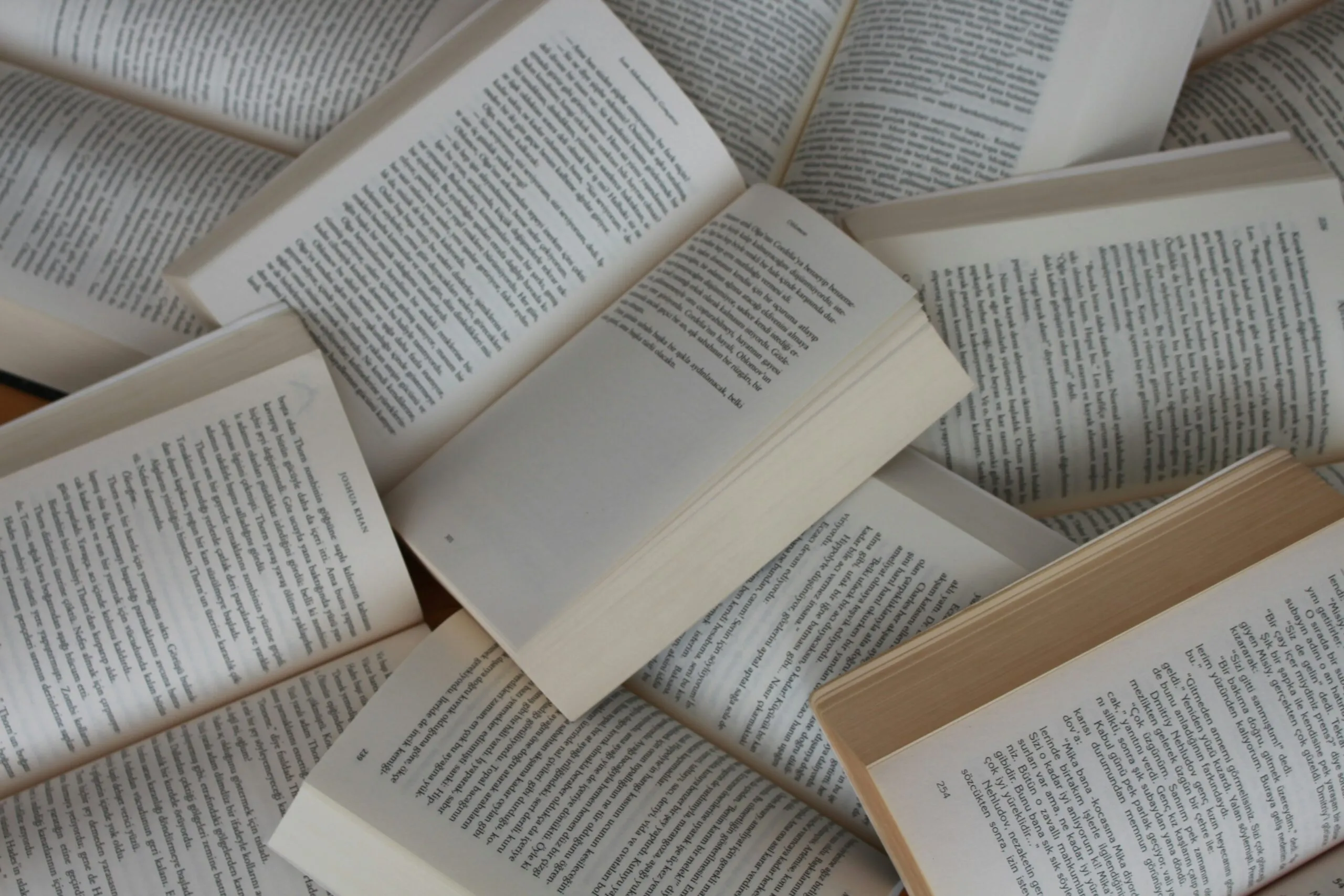
In a world that is increasingly dominated by technology and fast-paced lifestyles, the importance of reading cannot be overstated. Reading serves as a gateway to knowledge, imagination, and understanding. It allows us to escape into different worlds, experience diverse cultures, and gain insights into the human condition.
As we delve into the pages of a book, we not only entertain ourselves but also enrich our minds and expand our horizons. The act of reading fosters critical thinking, enhances vocabulary, and improves communication skills, making it an essential activity for personal and intellectual growth. Moreover, reading cultivates empathy and emotional intelligence.
When we immerse ourselves in the lives of characters, we learn to see the world through their eyes, experiencing their joys and sorrows. This connection fosters a deeper understanding of others and encourages us to reflect on our own lives. In a society that often feels fragmented, reading can bridge gaps between individuals and communities, reminding us of our shared humanity.
Thus, as we explore the various genres and themes in literature, we recognize that reading is not merely a pastime; it is a vital tool for personal development and social connection.
Classic Literature: Timeless Stories for Every Generation
Classic literature holds a special place in the literary canon, offering timeless stories that resonate with readers across generations. These works often tackle universal themes such as love, loss, ambition, and morality, making them relevant regardless of the era in which they are read. From the tragic heroism of Shakespeare's plays to the profound social critiques found in the novels of Charles Dickens, classic literature provides us with a rich tapestry of human experience.
As we engage with these texts, we find ourselves grappling with questions that are as pertinent today as they were when the works were first penned. Furthermore, classic literature serves as a foundation for understanding contemporary narratives. Many modern authors draw inspiration from these timeless tales, weaving elements of classic themes into their own storytelling.
By reading classics, we gain insight into the evolution of literary styles and societal values over time. This connection not only enhances our appreciation for literature but also deepens our understanding of cultural history. As we explore these enduring works, we discover that they are not relics of the past but living texts that continue to inspire and challenge us.
Non-Fiction: Books to Expand Your Knowledge and Understanding

Non-fiction literature plays a crucial role in expanding our knowledge and understanding of the world around us. From biographies that chronicle the lives of influential figures to essays that dissect complex societal issues, non-fiction offers a wealth of information that can inform our perspectives and shape our beliefs. As we engage with these texts, we are invited to explore new ideas, challenge preconceived notions, and develop a more nuanced understanding of various topics.
Whether we are delving into history, science, or philosophy, non-fiction books provide us with the tools to navigate an increasingly complex world. Moreover, non-fiction literature often serves as a catalyst for change. Many authors use their platforms to raise awareness about pressing social issues, encouraging readers to take action and engage with their communities.
By presenting well-researched arguments and compelling narratives, these books inspire us to think critically about our roles in society and the impact we can have on the world. As we absorb this knowledge, we become more informed citizens, better equipped to contribute to meaningful conversations and advocate for positive change.
Contemporary Fiction: Engaging and Thought-Provoking Stories
Contemporary fiction offers a vibrant landscape of stories that reflect the complexities of modern life. Through diverse voices and innovative storytelling techniques, contemporary authors tackle pressing issues such as identity, mental health, and social justice. These narratives often challenge us to confront uncomfortable truths about ourselves and society at large.
As we immerse ourselves in these engaging tales, we find ourselves reflecting on our own experiences and beliefs, prompting personal growth and self-discovery. Additionally, contemporary fiction serves as a mirror to our times, capturing the zeitgeist in ways that resonate deeply with readers. The characters we encounter often grapple with dilemmas that feel familiar, allowing us to connect with their journeys on a personal level.
This relatability fosters a sense of community among readers as we share in the triumphs and struggles of fictional lives. In this way, contemporary fiction not only entertains but also encourages dialogue about important issues, making it an essential part of our literary landscape.
Self-Help and Personal Development: Books to Guide and Inspire
Self-help literature has gained immense popularity in recent years as individuals seek guidance and inspiration for personal growth. These books offer practical advice, strategies for overcoming challenges, and insights into human behavior that can empower us to lead more fulfilling lives. Whether we are navigating career transitions, seeking to improve our relationships, or striving for better mental health, self-help books provide valuable tools that can help us achieve our goals.
Moreover, self-help literature often emphasizes the importance of mindset and resilience. Many authors share their own journeys of transformation, illustrating that change is possible with dedication and perseverance. As we read these stories of triumph over adversity, we are reminded that we are not alone in our struggles.
This sense of solidarity can be incredibly motivating, encouraging us to take actionable steps toward our own personal development. Ultimately, self-help books serve as both a source of inspiration and a roadmap for navigating life's challenges.
Culturally Diverse and Global Perspectives: Broaden Your Horizons

In an increasingly interconnected world, literature that reflects culturally diverse and global perspectives is more important than ever. These works invite us to step outside our own experiences and engage with narratives that challenge our assumptions about culture, identity, and belonging. By exploring stories from different backgrounds, we gain a deeper appreciation for the richness of human experience and the complexities of societal dynamics.
Reading literature from diverse voices not only broadens our horizons but also fosters empathy and understanding. As we encounter characters from various cultures facing unique challenges, we are reminded of our shared humanity despite differences in background or belief systems. This exposure encourages us to question stereotypes and biases while promoting inclusivity and respect for all individuals.
In this way, culturally diverse literature serves as a powerful tool for building bridges between communities and fostering global awareness.
Children's Literature: Books that Shape and Influence Us from a Young Age
Children's literature plays a pivotal role in shaping young minds and influencing their development. From whimsical tales that spark imagination to stories that impart valuable life lessons, these books lay the foundation for a lifelong love of reading. As children engage with literature at an early age, they develop critical thinking skills, creativity, and emotional intelligence—qualities that will serve them well throughout their lives.
Moreover, children's literature often addresses important themes such as friendship, courage, and resilience in ways that resonate with young readers. These narratives provide relatable characters who navigate challenges similar to those faced by children themselves. By seeing their experiences reflected in stories, children learn valuable lessons about empathy, kindness, and perseverance.
As they grow older, these early encounters with literature continue to influence their values and perspectives on the world around them.
The Impact of Reading and the Power of Books
As we reflect on the myriad ways reading enriches our lives, it becomes clear that books hold immense power. They have the ability to transport us to different worlds, challenge our beliefs, and inspire us to become better versions of ourselves. Through classic literature, non-fiction insights, contemporary narratives, self-help guidance, diverse perspectives, and children's tales, we find a wealth of knowledge and inspiration waiting to be discovered.
Ultimately, reading is not just an individual pursuit; it is a shared experience that connects us with others across time and space. The stories we read shape our understanding of ourselves and the world around us while fostering empathy and compassion for others. As we continue to explore the vast landscape of literature, let us embrace the transformative power of reading—an enduring gift that enriches our lives in countless ways.
For those looking to expand their literary horizons, the article "Five Books Every Person Should Read Before Age 40" offers a compelling selection that can shape one's perspective and understanding of the world. In addition to this, readers may find inspiration in the article about the benefits of using natural products, such as Madame Dry Rose Water, which highlights the importance of incorporating quality items into daily life, much like the essential books that enrich our minds.
FAQs
What criteria were used to select the five books recommended before age 40?
The books were chosen based on their timeless themes, impact on personal growth, cultural significance, and ability to offer valuable life lessons relevant to a wide audience.
Are these books suitable for all reading levels?
Yes, the recommended books vary in style and complexity but are generally accessible to most adult readers. They offer meaningful insights regardless of reading proficiency.
Do the books cover specific genres or topics?
The selection typically includes a mix of genres such as fiction, non-fiction, philosophy, and self-improvement, aiming to provide a well-rounded perspective on life and personal development.
Is it necessary to read all five books before turning 40?
While it is not mandatory, reading these books before age 40 is suggested to maximize their impact during formative adult years, helping shape perspectives and decision-making.
Can these books be read in any order?
Yes, the books can be read in any order according to personal interest. Each book offers unique insights that stand independently.
Are there modern editions or translations recommended for these books?
Modern editions with updated introductions or annotations are often recommended to provide contemporary context. Translations should be chosen based on quality and fidelity to the original text.
Where can I find these books?
These books are widely available in bookstores, libraries, and online platforms in both physical and digital formats.
Do these books have adaptations in other media?
Some of the recommended books may have film, television, or audiobook adaptations, which can complement the reading experience.