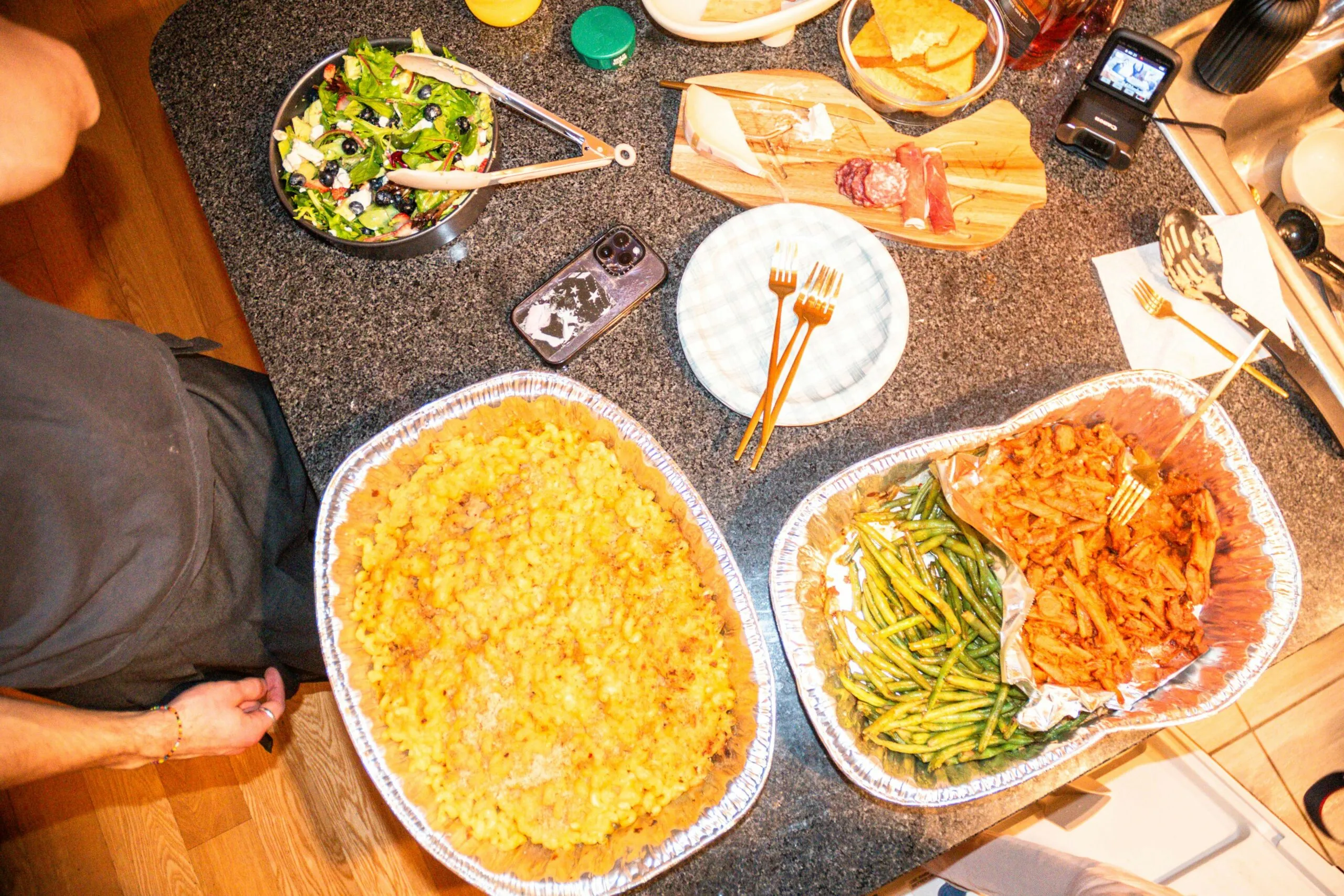
In our fast-paced world, where schedules often clash and commitments pull us in various directions, the significance of family dinner rituals cannot be overstated. These gatherings serve as a cornerstone for familial bonds, providing a dedicated time for us to come together, share experiences, and nourish not only our bodies but also our relationships. The act of sitting down to a meal as a family creates a sense of belonging and stability, which is especially crucial in today’s society where distractions abound.
By prioritizing family dinners, we are actively choosing to invest in our relationships, fostering an environment where love and support can flourish. Moreover, family dinner rituals are more than just a time to eat; they are an opportunity for us to create lasting memories. Whether it’s a weekly tradition or a daily occurrence, these moments allow us to reflect on our day, celebrate achievements, and discuss challenges.
The shared experience of preparing and enjoying a meal together can strengthen our connections and create a sense of unity. As we gather around the table, we are reminded of the importance of togetherness, reinforcing the idea that family is a safe haven where we can be ourselves without judgment.
How Family Dinners Promote Communication and Connection
Family dinners serve as a vital platform for communication, allowing us to engage in meaningful conversations that might otherwise be overlooked in the hustle and bustle of daily life. During these meals, we can share stories, express our thoughts, and listen to one another in a relaxed setting. This open dialogue fosters understanding and empathy among family members, helping us to navigate conflicts and celebrate successes together.
By encouraging everyone to participate in discussions, we cultivate an atmosphere where each voice is valued, promoting a sense of equality within the family unit. Additionally, the act of sharing a meal can break down barriers that may exist between us. In the comfort of our dining space, we can address sensitive topics or share personal experiences without the distractions that often accompany our busy lives.
This intentional focus on communication not only strengthens our relationships but also teaches younger family members the importance of expressing themselves and listening to others. As we engage in these conversations, we are building essential life skills that will serve them well beyond the dinner table.
Creating a Positive Environment for Family Dinners

To truly reap the benefits of family dinners, it is essential for us to create a positive environment that encourages participation and enjoyment. This begins with setting the stage for our meals—choosing a comfortable space, perhaps decorating the table with simple yet inviting elements like candles or fresh flowers. The ambiance we create can significantly impact our mood and willingness to engage with one another.
By making our dining area a welcoming space, we signal to each other that this time together is special and worthy of our attention. Furthermore, it is important for us to approach family dinners with an open mind and a positive attitude. We can set aside any lingering stress from the day and focus on enjoying each other’s company.
This means being mindful of our tone and body language during conversations, as well as being patient and understanding when discussing differing opinions. By fostering an atmosphere of respect and kindness, we encourage everyone to share their thoughts freely, making our family dinners not just a routine but a cherished ritual that strengthens our bonds.
The Benefits of Regular Family Dinners for Children
Regular family dinners have profound benefits for children that extend far beyond the dinner table. Research has shown that children who participate in family meals tend to perform better academically and exhibit improved social skills. The consistent routine of gathering for dinner provides them with a sense of security and stability, which is crucial for their emotional development.
As they engage in conversations with their parents and siblings, they learn valuable communication skills that will serve them well throughout their lives. Moreover, family dinners offer an opportunity for us to instill important values in our children. During these meals, we can discuss topics such as gratitude, respect, and responsibility in a natural context.
By modeling positive behaviors and encouraging open dialogue about these values, we help shape their character and decision-making abilities. Additionally, sharing meals together allows us to introduce children to diverse foods and cultures, broadening their horizons and fostering an appreciation for different perspectives.
Incorporating Meaningful Traditions into Family Dinners
To enhance the experience of family dinners, we can incorporate meaningful traditions that resonate with our family’s unique identity. These traditions can range from simple practices like sharing what we are grateful for before eating to more elaborate customs such as themed dinner nights or cooking recipes passed down through generations. By establishing these rituals, we create a sense of continuity and belonging that enriches our family culture.
Furthermore, traditions can serve as a way to celebrate milestones and special occasions together. Whether it’s a birthday dinner or a holiday feast, these gatherings become cherished memories that we look forward to year after year. As we pass down these traditions to younger generations, we not only strengthen our family bonds but also create a legacy that connects us through shared experiences and values.
Overcoming Challenges to Establishing a Family Dinner Ritual

While the benefits of family dinners are clear, establishing this ritual can come with its own set of challenges. Busy schedules, differing dietary preferences, and even geographical distances can make it difficult for us to gather regularly. However, by prioritizing this time together and being flexible in our approach, we can overcome these obstacles.
For instance, we might consider scheduling family dinners on weekends or utilizing technology to connect with loved ones who live far away through virtual meals. Additionally, it is essential for us to communicate openly about any barriers we face in maintaining this ritual. By discussing our individual schedules and preferences, we can work together to find solutions that accommodate everyone’s needs.
This collaborative approach not only strengthens our commitment to family dinners but also reinforces the idea that these gatherings are a shared priority worth investing in.
The Role of Technology in Family Dinners
In today’s digital age, technology plays a dual role in family dinners—both as a potential distraction and as a tool for connection. While it is easy for us to become absorbed in our devices during mealtime, it is crucial for us to establish boundaries that prioritize face-to-face interactions. By implementing rules such as “no phones at the table,” we can create an environment where genuine conversations thrive without interruptions from notifications or social media.
On the other hand, technology can also enhance our family dinner experience when used thoughtfully. For instance, we might use video calls to include distant relatives in our meals or explore new recipes together through online cooking classes. By leveraging technology in this way, we can foster connections that transcend physical distance while still maintaining the essence of shared mealtime experiences.
Sustaining Family Dinner Rituals Through Life Transitions
As life evolves—whether through changes in work schedules, children growing up, or even moving to new locations—sustaining family dinner rituals may require adaptability and creativity on our part. It is essential for us to remain committed to this practice even during transitions by finding new ways to gather and connect. For example, if one family member has a demanding job that makes regular dinners challenging, we might explore alternative times or formats for our meals—perhaps brunch on weekends or even breakfast together before school.
Moreover, embracing flexibility allows us to adapt our traditions while still honoring the spirit of family dinners. As children grow older and their interests change, we can involve them in planning meals or choosing themes that resonate with their current passions. By remaining open to change while maintaining the core values of connection and communication, we ensure that family dinners continue to be a meaningful part of our lives through all stages of life.
In conclusion, the importance of family dinner rituals cannot be overstated; they serve as a vital foundation for communication, connection, and shared experiences within our families. By creating positive environments, incorporating meaningful traditions, overcoming challenges, leveraging technology wisely, and adapting through life transitions, we can sustain these cherished gatherings for years to come. Ultimately, it is through these moments around the dinner table that we cultivate love, understanding, and resilience within our families—an investment that pays dividends far beyond the meal itself.
In exploring the significance of family rituals, the article on Balanced Beauty Essentials Kit highlights how shared experiences, such as family dinners, can foster deeper connections and promote well-being. By incorporating beauty and self-care into these gatherings, families can create a nurturing environment that strengthens their bonds and encourages open communication.
FAQs
What is the family dinner ritual?
The family dinner ritual refers to the regular practice of family members gathering together to share a meal, typically in the evening. This tradition emphasizes spending quality time, communicating, and strengthening family bonds.
Why is the family dinner ritual important?
The family dinner ritual is important because it fosters communication, emotional connection, and a sense of belonging among family members. It has been linked to improved mental health, better academic performance in children, and stronger family relationships.
How often should families have dinner together?
While the ideal frequency can vary, many experts recommend having family dinners at least several times a week to maximize the benefits of bonding and communication.
What are some benefits of regular family dinners?
Regular family dinners can lead to improved communication skills, better emotional support, healthier eating habits, reduced risk of substance abuse in teens, and stronger family cohesion.
Can family dinners help with children's development?
Yes, family dinners provide a supportive environment for children to develop social skills, language abilities, and emotional intelligence. They also offer opportunities for parents to model positive behaviors and values.
What are some tips for making family dinners more effective?
To make family dinners more effective, families can minimize distractions like phones and TV, encourage open conversation, involve children in meal preparation, and create a positive, inclusive atmosphere.
Is the family dinner ritual relevant in modern busy lifestyles?
Yes, despite busy schedules, many families find that prioritizing regular dinners together helps maintain strong relationships and provides a consistent time for connection amidst daily demands.
Are there cultural differences in family dinner rituals?
Yes, family dinner rituals vary widely across cultures in terms of timing, food, and social customs, but the underlying goal of fostering family connection is common worldwide.