
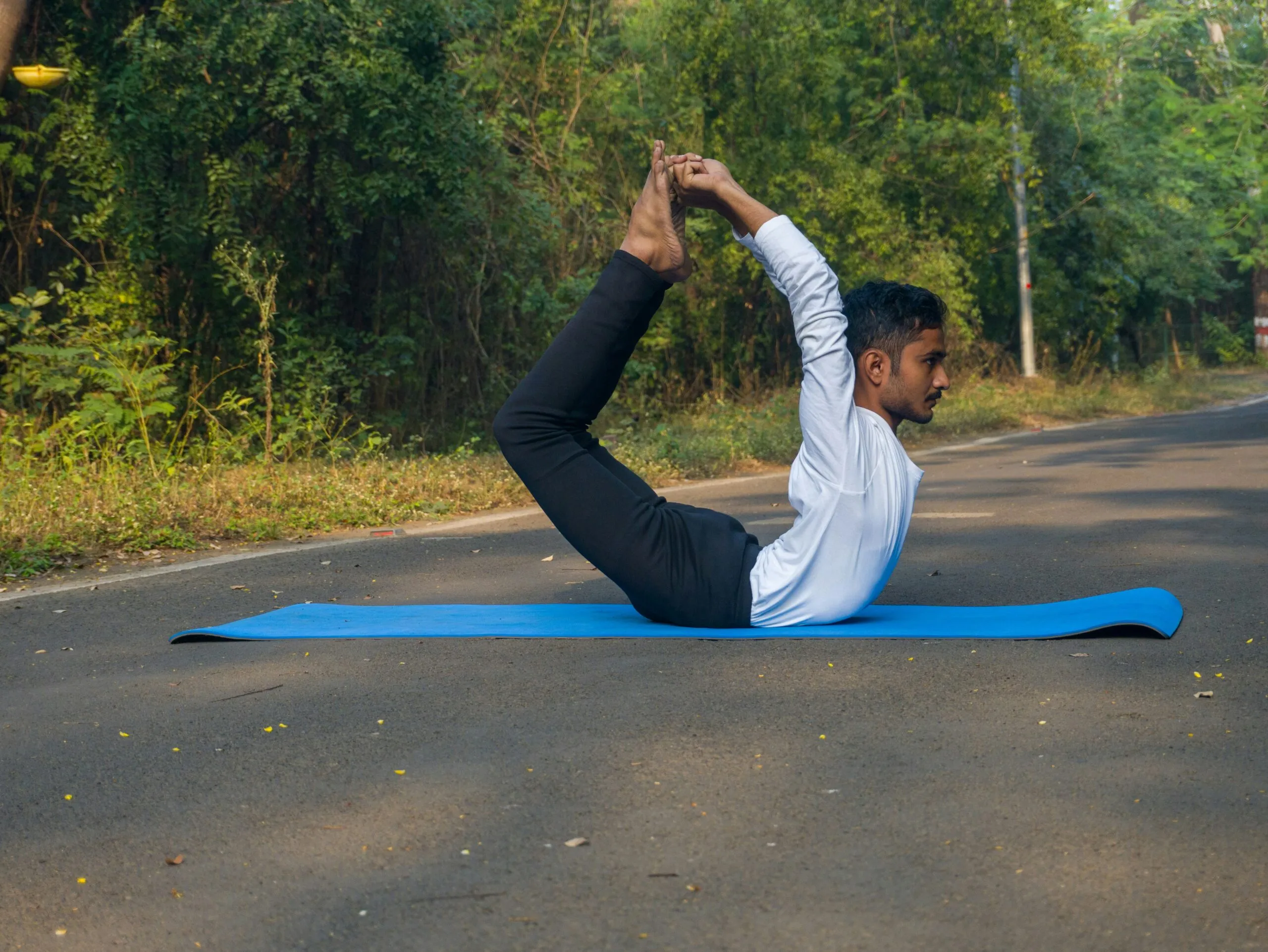
In our fast-paced world, finding time to exercise can often feel like a daunting task. However, we have come to realize that a simple workout routine can be both effective and manageable, even for those of us with the busiest schedules. By focusing on a few key exercises that require little to no equipment, we can create a fitness regimen that fits seamlessly into our daily lives.
This approach not only saves us time but also allows us to stay active and healthy without the need for a gym membership or elaborate equipment. As we embark on this journey towards fitness, it is essential to understand that simplicity does not equate to ineffectiveness. A straightforward workout routine can yield significant results when performed consistently.
By incorporating a variety of exercises that target different muscle groups and promote cardiovascular health, we can achieve a well-rounded fitness level. In this article, we will explore the various components of a simple workout routine, highlighting the benefits of exercising without a gym, and providing practical tips to help us stay motivated and committed to our fitness goals.
Benefits of a No Gym Workout
One of the most significant advantages of a no-gym workout is the flexibility it offers. We can exercise anywhere—at home, in a park, or even while traveling. This convenience eliminates many of the barriers that often prevent us from sticking to a regular workout schedule.
Without the need for a gym commute or specific hours of operation, we can fit our workouts into our day whenever it suits us best. This adaptability allows us to maintain consistency, which is crucial for achieving our fitness goals. Moreover, no-gym workouts can be incredibly cost-effective.
We save money on gym memberships, travel expenses, and specialized equipment. Instead, we can utilize our body weight and everyday items around the house to create an effective workout routine. This financial freedom can be liberating, allowing us to invest in other aspects of our health and wellness, such as nutritious food or wellness classes.
Ultimately, embracing a no-gym workout philosophy empowers us to take control of our fitness journey without the constraints of traditional gym culture.
Warm-Up and Stretching Exercises

Before diving into any workout routine, we must prioritize warming up our bodies. A proper warm-up prepares our muscles and joints for the physical activity ahead, reducing the risk of injury and enhancing our overall performance. Simple dynamic stretches such as arm circles, leg swings, and torso twists can effectively increase blood flow and flexibility.
By taking just a few minutes to engage in these movements, we set ourselves up for success in our workout. In addition to dynamic stretches, incorporating static stretching into our warm-up routine is equally important. Holding stretches for 15-30 seconds helps improve flexibility and range of motion.
Focusing on major muscle groups such as the hamstrings, quadriceps, shoulders, and back can enhance our overall mobility. By dedicating time to warm up and stretch, we not only prepare our bodies for exercise but also cultivate a mindful approach to our fitness journey.
Cardiovascular Exercises for Beginners
Cardiovascular exercises are essential for improving heart health and increasing endurance. For beginners, we can start with low-impact activities that are easy on the joints while still providing an effective workout. Walking briskly or jogging in place are excellent options that require no special equipment.
We can also explore activities like dancing or cycling, which can be both enjoyable and beneficial for our cardiovascular fitness. As we progress in our fitness journey, we can gradually increase the intensity of our cardiovascular workouts. Incorporating interval training—alternating between periods of high intensity and lower intensity—can help us maximize calorie burn and improve cardiovascular endurance.
For instance, we might sprint for 30 seconds followed by one minute of walking. This method not only keeps our workouts engaging but also allows us to challenge ourselves as we build stamina over time.
Strength Training without Equipment
Strength training is a crucial component of any fitness routine, as it helps build muscle mass and improve overall strength. Fortunately, we do not need access to weights or machines to engage in effective strength training exercises. Bodyweight exercises such as push-ups, squats, lunges, and planks can provide an excellent workout that targets multiple muscle groups simultaneously.
To keep our strength training routine fresh and challenging, we can experiment with variations of these exercises. For example, we might try incline push-ups or single-leg squats to increase difficulty and engage different muscles. Additionally, incorporating resistance bands or household items like water bottles can add an extra layer of challenge to our workouts.
By being creative with our strength training routine, we can continue to see progress without the need for a gym.
Core and Balance Exercises for Stability

A strong core is vital for overall stability and functional movement in our daily lives. Core exercises not only enhance athletic performance but also help prevent injuries by improving posture and balance. We can incorporate exercises like planks, bridges, and bicycle crunches into our routine to strengthen our core muscles effectively.
Balance exercises are equally important for maintaining stability and coordination as we age. Simple movements such as standing on one leg or performing heel-to-toe walks can significantly improve our balance over time. By dedicating time to core and balance training within our workout routine, we enhance our overall physical capabilities and reduce the risk of falls or injuries in everyday activities.
Cool Down and Recovery Techniques
After completing our workout, it is essential to cool down properly to allow our bodies to transition back to a resting state. Cooling down helps lower heart rates gradually and prevents dizziness or fainting after intense exercise. We can engage in light walking or gentle stretching during this phase to promote relaxation and recovery.
Recovery techniques play a crucial role in our overall fitness journey as well. Incorporating practices such as foam rolling or yoga can help alleviate muscle soreness and improve flexibility. Additionally, ensuring we stay hydrated and consume nutritious foods post-workout supports muscle recovery and replenishes energy levels.
By prioritizing cool down and recovery techniques, we set ourselves up for success in future workouts.
Tips for Staying Motivated and Consistent
Staying motivated on our fitness journey can sometimes be challenging, but there are several strategies we can employ to keep ourselves engaged and committed. Setting realistic goals is one effective way to maintain motivation; by breaking down larger objectives into smaller milestones, we create a sense of accomplishment along the way. Celebrating these achievements—no matter how small—can boost our confidence and encourage us to keep pushing forward.
Another helpful tip is to find a workout buddy or join a community of like-minded individuals who share similar fitness goals. Exercising with others not only makes workouts more enjoyable but also fosters accountability. We can encourage each other on tough days and celebrate successes together, creating a supportive environment that enhances our commitment to staying active.
In conclusion, embracing a simple workout routine offers numerous benefits that cater to our busy lifestyles while promoting overall health and wellness. By incorporating warm-up exercises, cardiovascular activities, strength training without equipment, core stability work, cooling down techniques, and strategies for motivation, we can create a comprehensive fitness regimen that fits seamlessly into our lives. As we embark on this journey together, let us remember that consistency is key; with dedication and creativity, we can achieve our fitness goals without ever stepping foot in a gym.
If you're looking for more tips on maintaining a healthy lifestyle without the need for a gym, you might find the article on managing your fitness journey through effective account management helpful. Check it out here: My Account. This resource provides insights on tracking your progress and staying motivated, complementing the simple workout routine that anyone can start.
FAQs
What is the main focus of the workout routine described in the article?
The workout routine focuses on simple exercises that can be done anywhere without the need for gym equipment, making it accessible for beginners and those with limited space.
Do I need any special equipment to follow this workout routine?
No, the routine is designed to be performed without any special equipment, relying on bodyweight exercises that require no gym tools.
How much time do I need to dedicate to this workout each day?
The routine is designed to be quick and efficient, typically requiring around 15 to 30 minutes per session, making it easy to fit into a busy schedule.
Is this workout suitable for beginners?
Yes, the routine is simple and beginner-friendly, with exercises that can be modified to match different fitness levels.
Can this workout help with weight loss?
When combined with a healthy diet, this workout can contribute to weight loss by increasing physical activity and boosting metabolism.
How often should I perform this workout to see results?
For best results, it is recommended to perform the workout at least 3 to 5 times per week consistently.
Are there any health risks associated with this workout routine?
The routine is generally safe for most people, but individuals with pre-existing health conditions or injuries should consult a healthcare professional before starting any new exercise program.
Can I do this workout at home or outdoors?
Yes, the workout is designed to be flexible and can be done at home, in a park, or any open space without the need for a gym.
Does this routine include both strength and cardio exercises?
Yes, the routine typically combines bodyweight strength exercises with movements that elevate the heart rate, providing a balanced workout.
How can I track my progress with this workout routine?
You can track progress by noting improvements in exercise repetitions, duration, or how you feel during and after workouts over time.