
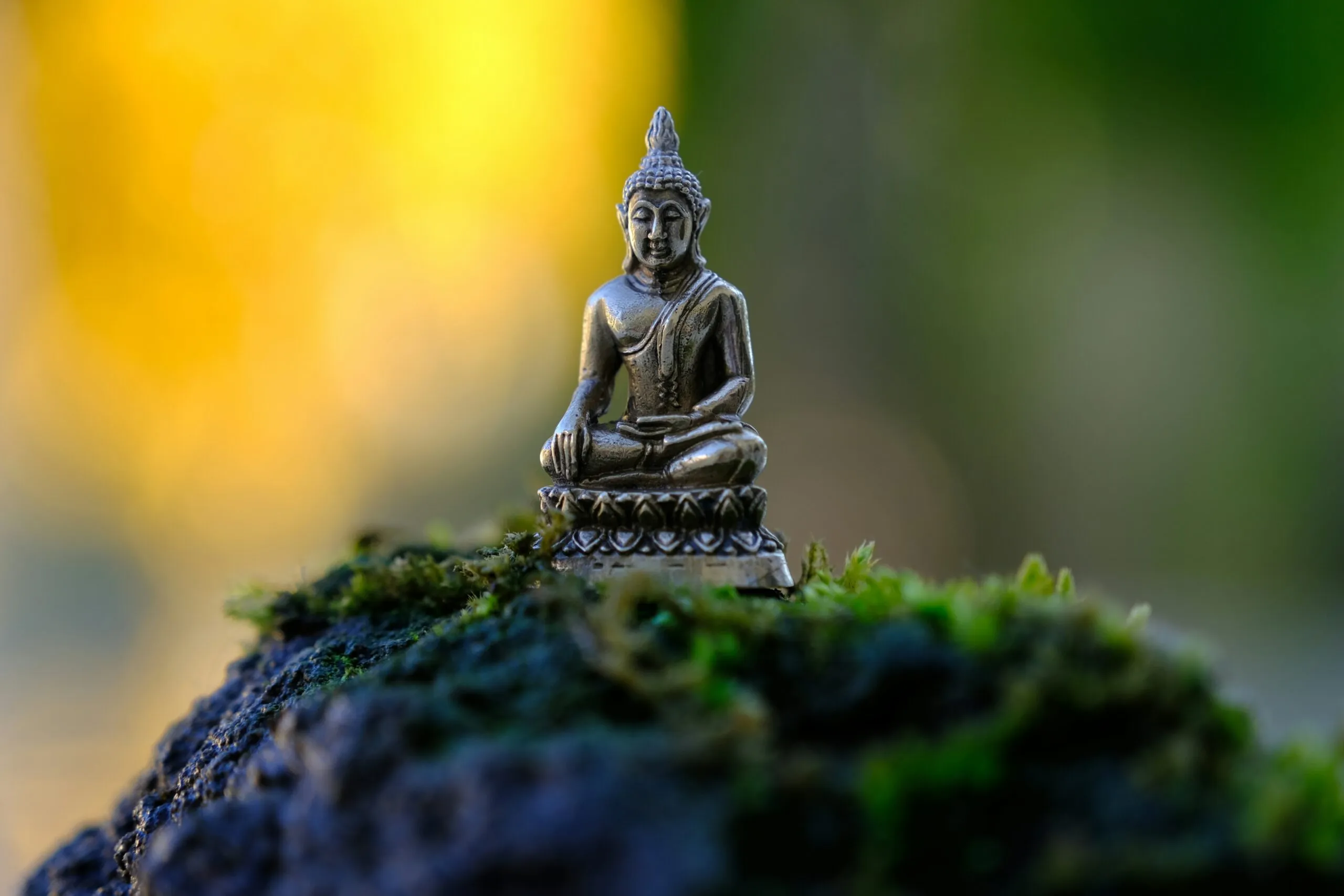
In our fast-paced world, the concept of inner stillness often feels like a distant dream. We find ourselves caught in a whirlwind of responsibilities, distractions, and the incessant noise of daily life. Yet, when we pause to reflect, we realize that inner stillness is not merely the absence of sound; it is a profound state of being that allows us to connect with our true selves.
It’s a sanctuary where we can retreat from the chaos and rediscover clarity and purpose. As we embark on this journey together, we must first understand what inner stillness truly means and how it can transform our lives. Inner stillness is about cultivating a sense of peace within ourselves, regardless of the external circumstances.
It’s about creating a mental space where we can observe our thoughts without judgment and embrace our emotions without fear. When we achieve this state, we become more attuned to our intuition and better equipped to navigate life’s challenges. We begin to recognize that stillness is not a luxury but a necessity for our well-being.
By nurturing this inner calm, we can foster resilience, creativity, and a deeper connection with ourselves and others.
Practicing Mindfulness
As we delve deeper into the realm of inner stillness, we discover that mindfulness is a powerful tool for cultivating this state. Mindfulness invites us to be fully present in each moment, allowing us to experience life as it unfolds rather than getting lost in the past or worrying about the future. Together, we can practice mindfulness by engaging our senses and immersing ourselves in the here and now.
Whether it’s savoring the taste of our morning coffee or feeling the warmth of the sun on our skin, these small moments can ground us and bring us back to a place of stillness. Incorporating mindfulness into our daily routines doesn’t have to be complicated. We can start by setting aside just a few minutes each day to focus on our breath or engage in mindful walking.
As we practice, we’ll notice how our thoughts begin to quiet down, allowing us to connect more deeply with ourselves and the world around us. Mindfulness teaches us that stillness is not about escaping reality but embracing it fully. By being present, we open ourselves up to new experiences and insights that enrich our lives.
Creating a Quiet Space

To foster inner stillness, we must also create a physical environment that supports our journey. A quiet space serves as a sanctuary where we can retreat from the noise and distractions of everyday life. This space doesn’t have to be elaborate; it can be as simple as a cozy corner in our home or a peaceful spot in nature.
What matters is that it feels inviting and conducive to reflection and relaxation. Together, let’s explore how we can design this space to nurture our inner calm. As we curate our quiet space, we can incorporate elements that resonate with us personally.
Soft lighting, comfortable seating, and calming scents can all contribute to an atmosphere of tranquility. We might choose to add items that inspire us—books, art, or plants—that remind us of our intentions for stillness. By intentionally crafting this environment, we signal to ourselves that it’s time to pause, breathe, and reconnect with our inner selves.
In this sacred space, we can cultivate the stillness that allows us to recharge and reflect on our lives.
Breathing Techniques
Breathing is one of the most accessible tools we have for achieving inner stillness. When we focus on our breath, we anchor ourselves in the present moment and create a sense of calm within. Together, let’s explore various breathing techniques that can help us cultivate this stillness.
One simple yet effective method is deep diaphragmatic breathing. By inhaling deeply through our noses, allowing our bellies to expand, and exhaling slowly through our mouths, we activate our body’s relaxation response. Another technique we can practice is the 4-7-8 breathing method.
Inhale for four counts, hold for seven counts, and exhale for eight counts. This rhythmic pattern not only calms our nervous system but also helps clear our minds of cluttered thoughts. As we engage in these breathing exercises regularly, we’ll find that they become a natural part of our routine—a go-to strategy for grounding ourselves amidst life’s chaos.
By harnessing the power of our breath, we can cultivate a deeper sense of inner stillness.
Meditation and Visualization
Meditation is another powerful practice that allows us to tap into inner stillness. It provides a structured way to quiet the mind and connect with our inner selves. Together, we can explore different forms of meditation—whether it’s focusing on our breath, repeating a mantra, or visualizing a peaceful scene.
Each method offers unique benefits and can help us cultivate a deeper sense of awareness and presence. Visualization is particularly effective in enhancing our meditation practice. By picturing ourselves in serene environments—like a tranquil beach or a lush forest—we can evoke feelings of peace and relaxation.
This mental imagery not only calms our minds but also helps us manifest our intentions and goals. As we combine meditation with visualization, we create a powerful synergy that fosters inner stillness and clarity. Through consistent practice, we’ll find ourselves more centered and better equipped to navigate life’s challenges.
Setting Boundaries

As we strive for inner stillness, it becomes essential to set boundaries in our lives. Boundaries protect our time and energy, allowing us to prioritize what truly matters. Together, let’s reflect on the areas where we may need to establish clearer boundaries—whether it’s with work commitments, social obligations, or even digital distractions.
By recognizing what drains us and what uplifts us, we can create space for stillness in our lives. Setting boundaries isn’t always easy; it requires courage and self-awareness. However, when we communicate our needs clearly and assertively, we empower ourselves to reclaim our time and energy.
We might find that saying “no” to certain commitments opens up opportunities for self-care and reflection. As we honor our boundaries, we create an environment where inner stillness can flourish—a space where we can recharge and reconnect with ourselves without feeling overwhelmed.
Letting Go of Control
In our quest for inner stillness, one of the most liberating practices is learning to let go of control. We often cling tightly to plans and expectations, believing that they will bring us security and peace. However, this desire for control can lead to stress and anxiety when things don’t go as planned.
Together, let’s explore how embracing uncertainty can lead us to greater inner calm. Letting go of control doesn’t mean abandoning responsibility; rather, it involves surrendering the need to dictate every outcome. When we accept that life is inherently unpredictable, we open ourselves up to new possibilities and experiences.
This shift in perspective allows us to approach challenges with curiosity rather than fear. As we practice letting go—whether it’s through journaling about our fears or engaging in activities that encourage spontaneity—we’ll find that inner stillness emerges naturally as we release the weight of control.
Finding Balance
Ultimately, finding balance is key to maintaining inner stillness in our lives. It’s about harmonizing various aspects of our existence—work, relationships, self-care—so that none overshadow the others. Together, let’s reflect on how we can cultivate balance by prioritizing what truly matters while also allowing space for rest and rejuvenation.
To achieve balance, we must regularly assess how we spend our time and energy. Are there areas where we’re overcommitted? Are there passions or hobbies that have been neglected?
By consciously evaluating these aspects of our lives, we can make adjustments that promote harmony and well-being. Finding balance is an ongoing journey; it requires patience and self-compassion as we navigate the ebb and flow of life’s demands. As we embrace this journey together, we’ll discover that inner stillness becomes not just an occasional refuge but a lasting state of being—a foundation upon which we can build fulfilling lives filled with purpose and joy.
To deepen your understanding of cultivating inner stillness, you may find it beneficial to explore related concepts in wellness. A great resource is the article on wellness practices available at this link, which offers insights into various techniques that can enhance your journey towards tranquility and mindfulness.
FAQs
What is inner stillness?
Inner stillness refers to a state of mental calmness and tranquility where the mind is free from excessive thoughts, distractions, and emotional turbulence. It is often associated with mindfulness and meditation practices.
Why is cultivating inner stillness important?
Cultivating inner stillness can reduce stress, improve focus, enhance emotional well-being, and promote a greater sense of peace and clarity in daily life.
What are common techniques to achieve inner stillness?
Common techniques include meditation, deep breathing exercises, mindfulness practices, yoga, spending time in nature, and journaling.
How long does it take to cultivate inner stillness?
The time varies for each individual. Some may experience moments of stillness quickly, while for others, it may take consistent practice over weeks or months to develop a sustained sense of inner calm.
Can inner stillness be achieved without meditation?
Yes, while meditation is a popular method, inner stillness can also be cultivated through other practices such as mindful walking, focused breathing, or engaging in calming activities that promote presence and relaxation.
Is inner stillness the same as being emotionless?
No, inner stillness does not mean suppressing emotions. It involves observing emotions without attachment or judgment, allowing for a balanced and peaceful mental state.
How does inner stillness affect mental health?
Inner stillness can help reduce anxiety and depression symptoms, improve emotional regulation, increase resilience to stress, and enhance overall mental clarity and well-being.
Can anyone learn to cultivate inner stillness?
Yes, inner stillness is a skill that can be developed by anyone through regular practice and patience, regardless of age or background.
Are there any tools or apps that can help with cultivating inner stillness?
Yes, many apps like Headspace, Calm, Insight Timer, and others offer guided meditations and mindfulness exercises designed to help users cultivate inner stillness.
How often should one practice to maintain inner stillness?
Regular daily practice, even if only for a few minutes, is recommended to maintain and deepen inner stillness over time. Consistency is more important than duration.