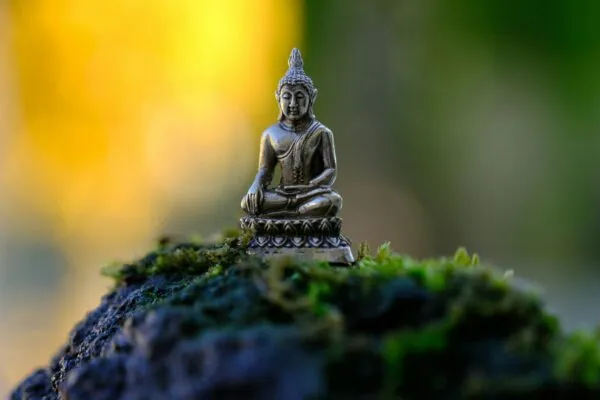
In a world that often feels chaotic and overwhelming, the simple act of taking a deep breath can be a transformative experience. It’s easy to overlook the power of something so fundamental, yet this single action can serve as a powerful tool for grounding ourselves amidst the noise of daily life. When we pause to inhale deeply, we create a moment of stillness that allows us to reconnect with our bodies and minds.
This seemingly small act can have profound implications for our overall well-being, offering a pathway to clarity, calmness, and resilience. Imagine standing at the edge of a bustling city street, the sounds of honking cars and chattering crowds swirling around you. In that moment, if you choose to take one deep breath, you can create a sanctuary within yourself.
This breath becomes a bridge between the external chaos and your internal peace. It’s a reminder that no matter how hectic life gets, you have the power to reclaim your center. By understanding the significance of this simple act, we can unlock its potential to enhance our lives in ways we may never have imagined.
The Science Behind Deep Breathing
Deep breathing is not just an ancient practice rooted in mindfulness; it is also supported by modern science. When we engage in deep breathing, we activate the parasympathetic nervous system, which is responsible for our body’s rest-and-digest response. This activation leads to a decrease in heart rate and blood pressure, promoting a state of relaxation.
Research has shown that deep breathing can lower levels of cortisol, the stress hormone, allowing us to feel more at ease in our daily lives. Moreover, deep breathing increases oxygen flow to the brain, enhancing cognitive function and mental clarity. Studies indicate that when we breathe deeply, we stimulate the vagus nerve, which plays a crucial role in regulating our body’s stress response.
This physiological response not only calms our minds but also improves our emotional resilience. By understanding the science behind deep breathing, we can appreciate its role as a powerful tool for managing stress and enhancing our overall health.
The Physical and Mental Benefits of Deep Breathing

The benefits of deep breathing extend far beyond mere relaxation; they encompass both physical and mental well-being. Physically, deep breathing can improve lung capacity and efficiency, allowing for better oxygen exchange in the body. This increased oxygenation can lead to enhanced energy levels and improved physical performance.
Additionally, deep breathing can aid in digestion by stimulating the diaphragm and promoting better circulation throughout the abdominal region. Mentally, the advantages are equally compelling. Deep breathing serves as a natural antidote to anxiety and stress, providing an immediate sense of relief when we feel overwhelmed.
It encourages mindfulness by anchoring us in the present moment, allowing us to step back from racing thoughts and emotional turmoil. As we cultivate this practice, we may find ourselves more equipped to handle life’s challenges with grace and composure. The synergy of physical and mental benefits makes deep breathing an invaluable practice for anyone seeking to enhance their quality of life.
Techniques for Deep Breathing
While the concept of deep breathing may seem straightforward, there are various techniques that can enhance its effectiveness. One popular method is diaphragmatic breathing, where you focus on expanding your diaphragm rather than your chest as you inhale. To practice this technique, find a comfortable position—either sitting or lying down—and place one hand on your chest and the other on your abdomen.
As you breathe in deeply through your nose, aim to raise your abdomen while keeping your chest relatively still. This method encourages full lung expansion and maximizes oxygen intake. Another effective technique is the 4-7-8 breathing method, which involves inhaling for four counts, holding the breath for seven counts, and exhaling for eight counts.
This rhythmic pattern not only calms the mind but also helps regulate the body’s stress response. As you practice these techniques, remember that consistency is key. The more you incorporate these methods into your daily routine, the more natural they will become, allowing you to tap into their benefits whenever you need them most.
Incorporating Deep Breathing into Daily Life
Integrating deep breathing into your daily life doesn’t have to be a daunting task; it can be as simple as setting aside a few moments throughout your day to pause and breathe. Consider establishing a morning ritual where you dedicate five minutes to deep breathing before diving into your daily responsibilities. This practice can set a positive tone for your day, helping you approach challenges with a clear mind and open heart.
Additionally, look for opportunities throughout your day to practice deep breathing in real-time situations. Whether you’re waiting in line at the grocery store or feeling overwhelmed during a meeting, taking a moment to breathe deeply can provide instant relief. You might even consider using reminders—like sticky notes or phone alerts—to prompt you to pause and breathe at various intervals throughout your day.
By weaving deep breathing into the fabric of your daily routine, you’ll cultivate a habit that supports your well-being in both subtle and significant ways.
Deep Breathing for Stress and Anxiety Relief

Stress and anxiety are common experiences in today’s fast-paced world, but deep breathing offers a powerful remedy for managing these feelings. When faced with stressful situations, our bodies often enter a fight-or-flight response characterized by shallow breathing and increased heart rate. By consciously engaging in deep breathing, we can counteract this response and restore a sense of calm.
When you find yourself feeling anxious or stressed, take a moment to focus on your breath. Inhale deeply through your nose for a count of four, hold for four counts, and then exhale slowly through your mouth for a count of six or eight. Repeat this cycle several times until you notice a shift in your body’s tension levels.
This practice not only calms the mind but also signals to your body that it is safe to relax. Over time, incorporating deep breathing into your stress management toolkit can empower you to navigate life’s challenges with greater ease.
Deep Breathing for Improved Focus and Concentration
In addition to its calming effects, deep breathing can significantly enhance focus and concentration. When we are overwhelmed or distracted, our minds tend to race from one thought to another, making it difficult to concentrate on the task at hand. By taking a few moments to engage in deep breathing, we can clear mental clutter and create space for improved focus.
Before starting a challenging task or project, consider taking three to five minutes to practice deep breathing. As you inhale deeply and exhale slowly, visualize any distractions or worries leaving your mind with each breath out. This practice not only helps center your thoughts but also primes your brain for optimal performance.
By harnessing the power of deep breathing in this way, you’ll find yourself more capable of tackling complex tasks with clarity and intention.
Harnessing the Power of One Deep Breath
The journey toward harnessing the power of one deep breath is both simple and profound. In moments of chaos or uncertainty, this single act serves as an anchor—a reminder that we possess the ability to reclaim our calm amidst life’s storms. By understanding the science behind deep breathing and its myriad benefits, we empower ourselves to integrate this practice into our daily lives.
As we cultivate the habit of deep breathing—whether through specific techniques or spontaneous moments throughout our day—we open ourselves up to greater resilience and well-being. The next time you find yourself feeling overwhelmed or distracted, remember that all it takes is one deep breath to shift your perspective and restore your sense of peace. Embrace this powerful tool as part of your journey toward a more balanced and fulfilling life; after all, sometimes all it takes is one breath to change everything.
In exploring the themes presented in "The Power of One Deep Breath," it's interesting to consider how our daily habits can influence our well-being. A related article that delves into the impact of daily routines is How Coffee Shapes Your Daily Routine, which discusses how the simple act of enjoying coffee can set the tone for a productive day and enhance mindfulness.
FAQs
What is the significance of taking a deep breath?
Taking a deep breath helps to increase oxygen intake, which can improve brain function, reduce stress, and promote relaxation.
How does one deep breath affect the body?
One deep breath activates the parasympathetic nervous system, which slows the heart rate, lowers blood pressure, and helps the body enter a state of calm.
Can deep breathing improve mental health?
Yes, deep breathing techniques are often used to reduce anxiety, manage stress, and improve overall mental well-being.
How many deep breaths should one take to feel the benefits?
Even a single deep breath can have immediate calming effects, but practicing several deep breaths over a few minutes can enhance relaxation and focus.
Is deep breathing useful during stressful situations?
Absolutely. Deep breathing is a simple and effective tool to quickly reduce stress and regain composure during challenging moments.
Are there different techniques for deep breathing?
Yes, common techniques include diaphragmatic breathing, box breathing, and 4-7-8 breathing, each with specific patterns to optimize relaxation.
Can deep breathing improve physical health?
Deep breathing can improve lung capacity, enhance oxygen delivery to tissues, and support cardiovascular health by reducing stress-related strain.
Is deep breathing recommended for everyone?
Generally, deep breathing is safe and beneficial for most people, but individuals with certain respiratory conditions should consult a healthcare provider before starting new breathing exercises.