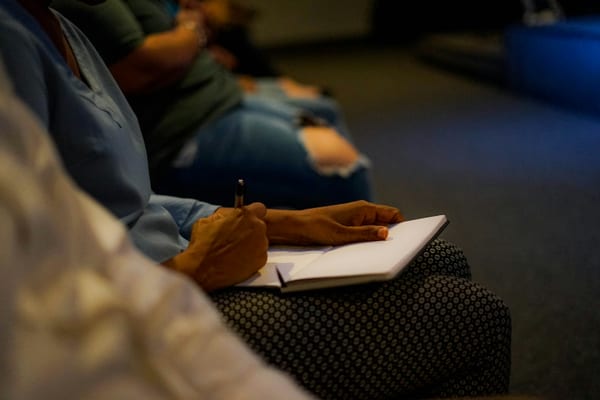

In our lives, we often find ourselves clinging to past experiences, emotions, and relationships that no longer serve us. The power of letting go is a transformative journey that we can embark on together. It’s not just about releasing the weight of our burdens; it’s about making space for new opportunities and experiences.
When we hold onto anger, regret, or disappointment, we inadvertently allow these feelings to dictate our present and future. By choosing to let go, we reclaim our power and open ourselves up to the possibility of joy and fulfillment. Letting go is not a one-time event; it’s a continuous process that requires patience and self-compassion.
We may find ourselves revisiting old wounds, but each time we do, we have the chance to approach them with a fresh perspective. As we learn to release what no longer serves us, we create a ripple effect in our lives. We become more resilient, more open to change, and more capable of embracing the beauty that life has to offer.
Together, we can support one another in this journey of letting go, reminding ourselves that it’s okay to release the past and step boldly into the future.
Healing Emotional Wounds
Healing emotional wounds is a crucial step in our journey toward personal growth and fulfillment. We all carry scars from past experiences—some visible, others hidden deep within us. These wounds can manifest in various ways, affecting our relationships, self-esteem, and overall well-being.
As we come together to acknowledge these wounds, we create a safe space for healing. It’s essential to recognize that healing is not linear; it’s a winding path filled with ups and downs. By sharing our stories and supporting one another, we can foster an environment where healing becomes possible.
In this process, we must also learn to be gentle with ourselves. We often rush through our emotions, seeking quick fixes or distractions rather than allowing ourselves the time and space to truly heal. By embracing vulnerability and acknowledging our pain, we can begin to unravel the layers of hurt that have accumulated over time.
Together, we can practice self-compassion and remind each other that it’s okay to feel what we feel. As we heal our emotional wounds, we not only transform ourselves but also inspire those around us to embark on their own healing journeys.
Breaking the Cycle of Resentment

Resentment can be a heavy burden to carry, one that weighs us down and clouds our judgment. It often stems from unmet expectations or unresolved conflicts, creating a cycle that can be difficult to break. As we navigate our relationships and experiences, it’s essential for us to recognize when resentment begins to creep in.
By addressing these feelings head-on, we can prevent them from festering and taking control of our lives. Together, we can cultivate an environment where open communication and honesty thrive, allowing us to confront resentment before it becomes a barrier. Breaking the cycle of resentment requires courage and vulnerability.
It means having difficult conversations and being willing to listen to one another’s perspectives. We must remind ourselves that resentment often stems from misunderstandings or unmet needs. By approaching these situations with empathy and compassion, we can work together to find common ground and resolve conflicts.
As we break free from the chains of resentment, we create space for forgiveness and understanding—two powerful forces that can transform our relationships and enrich our lives.
Restoring Inner Peace
In a world filled with chaos and uncertainty, restoring inner peace is essential for our well-being. We often find ourselves caught up in the hustle and bustle of daily life, leaving little room for reflection and self-care. Together, we can prioritize practices that promote inner peace—whether through mindfulness, meditation, or simply taking time to breathe deeply and reconnect with ourselves.
By creating moments of stillness in our lives, we allow ourselves the opportunity to recharge and regain clarity. Restoring inner peace is not just about finding quiet moments; it’s also about cultivating a mindset that embraces acceptance and gratitude. When we shift our focus from what’s lacking in our lives to what we already have, we begin to experience a profound sense of contentment.
Together, we can encourage one another to practice gratitude daily, celebrating the small victories and joys that often go unnoticed. As we restore our inner peace, we become more resilient in the face of challenges and better equipped to navigate life’s ups and downs.
Releasing Negative Energy
Negative energy can be insidious; it seeps into our thoughts, actions, and interactions without us even realizing it. We may find ourselves feeling drained or overwhelmed by the weight of negativity that surrounds us—whether from external sources or within ourselves. Releasing negative energy is a vital step toward creating a more positive and uplifting environment for ourselves and those around us.
Together, we can explore various techniques for releasing negativity—be it through physical movement, creative expression, or simply letting go of toxic relationships. As we embark on this journey of releasing negative energy, it’s essential for us to recognize the power of our thoughts. Our mindset plays a significant role in shaping our experiences; when we focus on negativity, we inadvertently attract more of it into our lives.
By consciously choosing to shift our thoughts toward positivity and gratitude, we can create a ripple effect that transforms not only our own energy but also the energy of those around us. Together, let’s commit to fostering an environment where positivity thrives and negativity has no place.
Cultivating Empathy and Understanding

Empathy is a powerful tool that allows us to connect with others on a deeper level. In a world that often feels divided, cultivating empathy and understanding is more important than ever. When we take the time to truly listen to one another’s stories and experiences, we create bridges instead of walls.
Together, we can practice active listening—putting aside our judgments and preconceived notions to fully engage with others’ perspectives. This practice not only enriches our relationships but also fosters a sense of community and belonging. As we cultivate empathy within ourselves, we also learn to extend compassion toward others.
It’s easy to become frustrated or dismissive when faced with differing opinions or experiences; however, by approaching these situations with an open heart and mind, we can foster understanding instead of conflict. Together, let’s commit to embracing empathy as a guiding principle in our interactions—recognizing that everyone is fighting their own battles and deserves kindness and understanding.
Strengthening Relationships
Our relationships are the foundation of our lives; they shape who we are and how we experience the world around us. Strengthening these connections requires intentional effort from all parties involved. Together, we can prioritize open communication, trust-building exercises, and shared experiences that deepen our bonds with one another.
By investing time and energy into nurturing our relationships, we create a support system that uplifts us during challenging times. As we work together to strengthen our relationships, it’s essential for us to practice vulnerability. Sharing our fears, dreams, and insecurities fosters intimacy and trust among us.
When we allow ourselves to be seen authentically by others, we invite them to do the same in return. This mutual exchange creates a safe space where love and understanding can flourish. Let’s commit to being present for one another—celebrating successes together while also offering support during difficult moments.
Embracing Personal Growth
Personal growth is an ongoing journey that requires us to step outside of our comfort zones and embrace change. It’s about recognizing that there is always room for improvement—whether in our relationships, careers, or personal lives. Together, let’s celebrate the small victories along the way while also acknowledging the challenges that come with growth.
By fostering an environment where growth is encouraged and supported, we empower one another to reach new heights. Embracing personal growth also means being open to feedback and learning from our experiences. We may stumble along the way; however, each misstep presents an opportunity for growth and self-discovery.
Together, let’s commit to being lifelong learners—seeking knowledge from various sources while also sharing our insights with one another. As we embrace personal growth as a collective journey, we create a community that thrives on support, encouragement, and shared aspirations for a brighter future.
In exploring the transformative power of forgiveness, it's essential to recognize how it can lead to a more fulfilling life. A related article that delves into the broader aspects of personal growth and well-being is found in the lifestyle category. You can read more about this topic in the article titled "Embracing Change: The Key to Personal Growth" at this link. This article complements the discussion on forgiveness by highlighting how letting go of past grievances can open the door to new opportunities and a more positive outlook on life.
FAQs
What is forgiveness?
Forgiveness is the process of letting go of resentment, anger, or the desire for revenge against someone who has caused harm. It involves a conscious decision to release negative feelings and move toward healing.
How does forgiveness benefit mental health?
Forgiveness can reduce stress, anxiety, and depression by alleviating negative emotions. It promotes emotional well-being, increases feelings of peace, and can improve overall psychological health.
Can forgiveness improve physical health?
Yes, studies suggest that forgiveness can lower blood pressure, reduce chronic pain, and improve heart health by decreasing stress-related physiological responses.
Is forgiveness the same as forgetting?
No, forgiveness does not mean forgetting the offense or excusing harmful behavior. It means choosing to let go of grudges and resentment while acknowledging what happened.
Does forgiving someone mean you have to reconcile with them?
Not necessarily. Forgiveness is an internal process and does not require restoring a relationship or continuing contact with the person who caused harm.
How does forgiveness free you?
Forgiveness frees you by releasing the emotional burden of anger and bitterness, allowing you to experience greater peace, freedom, and emotional resilience.
Is forgiveness a one-time event or a process?
Forgiveness is often a gradual process that may require time and reflection. It can involve multiple steps and ongoing effort to fully let go of negative feelings.
Can forgiveness be practiced without religious beliefs?
Yes, forgiveness is a universal concept that can be practiced by individuals regardless of their religious or spiritual beliefs. It is a psychological and emotional practice beneficial to all.
What are some common misconceptions about forgiveness?
Common misconceptions include believing forgiveness means condoning bad behavior, forgetting the offense, or that it is a sign of weakness. In reality, forgiveness is a strength that promotes healing and personal growth.
How can someone start the process of forgiveness?
Starting forgiveness often involves acknowledging the hurt, reflecting on the benefits of letting go, expressing emotions in a healthy way, and making a conscious decision to forgive. Seeking support from counseling or support groups can also help.