
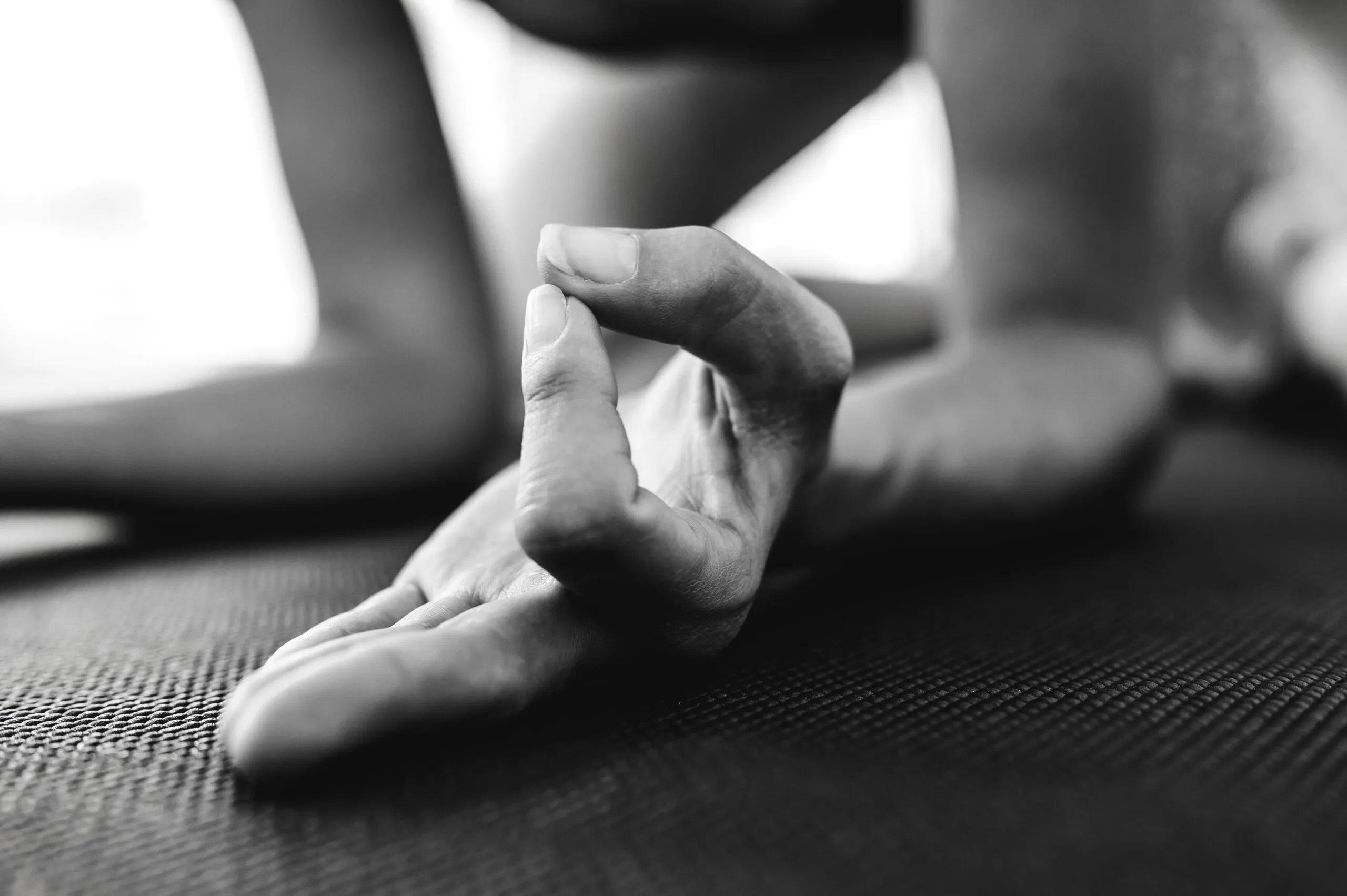
Yin Yoga is a unique practice that invites us to slow down and embrace stillness. Unlike more dynamic forms of yoga, Yin Yoga focuses on holding postures for extended periods, typically ranging from three to five minutes. This allows us to delve deeper into our bodies, targeting the connective tissues, ligaments, and joints rather than just the muscles.
As we settle into each pose, we cultivate a sense of awareness and presence, creating a space for introspection and self-discovery. In essence, Yin Yoga is about surrendering to gravity and allowing our bodies to open up naturally. It encourages us to let go of the hustle and bustle of daily life, providing a sanctuary where we can reconnect with ourselves.
As we practice, we learn to listen to our bodies, honoring their needs and limitations. This gentle approach not only enhances our physical flexibility but also nurtures our emotional resilience, making it a holistic practice that resonates on multiple levels.
The Benefits of Yin Yoga
The benefits of Yin Yoga are as diverse as the individuals who practice it. One of the most immediate advantages we experience is increased flexibility. By holding poses for longer durations, we gradually release tension in our connective tissues, allowing for greater range of motion in our joints.
This newfound flexibility can enhance our performance in other physical activities, making us feel more agile and capable in our daily lives. Beyond the physical realm, Yin Yoga offers profound emotional and mental benefits. As we engage in this practice, we cultivate patience and mindfulness, learning to be present with our thoughts and feelings without judgment.
This process can lead to a greater sense of calm and clarity, helping us navigate the complexities of life with more ease. Additionally, many practitioners report improved sleep quality and reduced feelings of stress and anxiety, making Yin Yoga a valuable tool for overall well-being.
How Yin Yoga Differs from Other Yoga Practices

Yin Yoga stands apart from other yoga styles in its approach and philosophy. While many forms of yoga emphasize movement and flow, Yin Yoga invites us to embrace stillness. In contrast to the dynamic sequences found in Vinyasa or Ashtanga yoga, Yin Yoga encourages us to hold poses for extended periods, allowing gravity to do its work.
This slower pace fosters a deeper connection with our bodies and minds, creating an opportunity for introspection that is often absent in more vigorous practices. Moreover, the focus on connective tissues sets Yin Yoga apart. While other styles may prioritize muscle engagement and strength-building, Yin Yoga targets the fascia and ligaments, promoting joint health and flexibility.
This distinction makes it an excellent complement to more active forms of exercise, as it helps balance the body’s overall structure and function. By integrating Yin Yoga into our routine, we can cultivate a more holistic approach to our physical and mental well-being.
The Healing Effects of Yin Yoga on the Body
The healing effects of Yin Yoga on the body are profound and multifaceted. As we hold poses for extended periods, we create an environment conducive to deep release and relaxation. This process stimulates the flow of energy throughout our bodies, promoting circulation and enhancing overall vitality.
Many practitioners find that regular engagement with Yin Yoga alleviates chronic pain and tension, allowing them to move through life with greater ease. Additionally, Yin Yoga encourages the body’s natural healing processes. By targeting the connective tissues and joints, we promote flexibility and resilience in these areas, reducing the risk of injury over time.
The practice also supports the body’s detoxification processes by encouraging lymphatic drainage and improving circulation. As we cultivate awareness of our bodies through Yin Yoga, we become more attuned to their needs, fostering a deeper sense of self-care and nurturing.
The Psychological and Emotional Benefits of Yin Yoga
Yin Yoga offers a wealth of psychological and emotional benefits that can transform our relationship with ourselves. As we settle into each pose, we create space for introspection and self-reflection. This process allows us to confront our thoughts and emotions without judgment, fostering a sense of acceptance and compassion for ourselves.
Over time, this practice can lead to increased emotional resilience, helping us navigate life’s challenges with greater ease. Moreover, the meditative quality of Yin Yoga encourages mindfulness—a powerful tool for managing stress and anxiety. By focusing on our breath and bodily sensations, we cultivate a sense of presence that can ground us in moments of overwhelm.
Many practitioners report feeling more connected to their emotions after engaging in Yin Yoga, allowing them to process feelings that may have been buried or ignored. This emotional awareness can lead to healthier relationships with ourselves and others, fostering a sense of community and connection.
How Yin Yoga Can Help with Stress and Anxiety

In today’s fast-paced world, stress and anxiety have become all too common. Yin Yoga provides a sanctuary where we can retreat from the chaos and reconnect with ourselves. The slow-paced nature of the practice encourages us to breathe deeply and mindfully, activating the parasympathetic nervous system—the body’s natural relaxation response.
As we hold poses for extended periods, we create an opportunity for deep relaxation that can counteract the effects of stress. Furthermore, Yin Yoga teaches us how to be present with discomfort—both physical and emotional. By learning to sit with our feelings rather than pushing them away, we develop resilience in the face of life’s challenges.
This practice empowers us to respond to stressors with clarity rather than reactivity, fostering a sense of calm amidst uncertainty. Over time, many practitioners find that their overall anxiety levels decrease as they cultivate a greater sense of self-awareness and acceptance through their Yin Yoga practice.
The Role of Meditation and Mindfulness in Yin Yoga
Meditation and mindfulness are integral components of Yin Yoga that enhance its transformative effects. As we settle into each pose, we are invited to turn our attention inward, cultivating a sense of presence that allows us to connect with our breath and bodily sensations. This meditative quality encourages us to observe our thoughts without judgment, fostering a sense of acceptance that can be profoundly liberating.
Mindfulness in Yin Yoga also extends beyond the mat. The skills we develop during practice—such as awareness of breath and bodily sensations—can be applied to our daily lives. By cultivating mindfulness off the mat, we become more attuned to our thoughts and emotions, allowing us to respond to life’s challenges with greater clarity and compassion.
This integration of mindfulness into our everyday experiences can lead to a more fulfilling and balanced life.
Tips for Getting Started with Yin Yoga
As we embark on our journey into Yin Yoga, there are several tips that can help us make the most of this transformative practice. First and foremost, it’s essential to approach each session with an open mind and heart. Allow ourselves to let go of expectations and simply be present with whatever arises during our practice.
This mindset fosters a sense of curiosity that can deepen our experience. Additionally, investing in props such as bolsters, blankets, or blocks can enhance our comfort during poses. These tools allow us to support our bodies fully, enabling us to relax into each posture without strain or discomfort.
It’s also helpful to start with shorter holds—perhaps two minutes—and gradually increase the duration as we become more comfortable with the practice. Finally, finding a community or teacher who resonates with us can enrich our experience immensely. Whether through online classes or local studios, connecting with others who share our passion for Yin Yoga can provide support and inspiration along the way.
As we embark on this journey together, we open ourselves up to the profound healing potential that lies within each moment spent on the mat.
If you're intrigued by the healing benefits of Yin Yoga, you might also find value in exploring the article on the importance of mindfulness in yoga practice. This article delves into how mindfulness can enhance your overall experience and deepen your connection to the poses, making it a perfect complement to the insights shared in "Why Yin Yoga Might Be the Most Healing Practice You’ve Never Tried." You can read more about it here.
FAQs
What is Yin Yoga?
Yin Yoga is a slow-paced style of yoga that involves holding poses for extended periods, typically between 3 to 5 minutes or longer. It targets the deep connective tissues, such as ligaments, joints, and fascia, rather than focusing solely on muscles.
How does Yin Yoga differ from other types of yoga?
Unlike more dynamic yoga styles like Vinyasa or Ashtanga, which emphasize muscle engagement and movement, Yin Yoga is passive and meditative. It encourages relaxation and deep stretching by holding poses for longer durations, promoting flexibility and joint health.
What are the benefits of practicing Yin Yoga?
Yin Yoga can improve flexibility, increase circulation in the joints, reduce stress, enhance mindfulness, and promote emotional balance. It is also known for its potential to aid in healing by releasing tension stored in connective tissues.
Is Yin Yoga suitable for beginners?
Yes, Yin Yoga is generally accessible to practitioners of all levels, including beginners. Its slow pace and emphasis on relaxation make it a gentle introduction to yoga, though some poses may require modifications to accommodate individual flexibility and comfort.
How often should one practice Yin Yoga to experience its healing benefits?
Practicing Yin Yoga 2 to 3 times per week can be effective for experiencing its benefits. However, frequency can vary based on individual needs and goals. Consistency over time is key to achieving lasting results.
Can Yin Yoga help with stress and anxiety?
Yes, Yin Yoga incorporates mindfulness and deep breathing, which can activate the parasympathetic nervous system, helping to reduce stress and anxiety levels.
Are there any precautions or contraindications for Yin Yoga?
Individuals with certain injuries, joint issues, or medical conditions should consult a healthcare professional before practicing Yin Yoga. It is important to listen to the body and avoid pushing into pain during poses.
What equipment is needed for Yin Yoga?
Basic equipment includes a yoga mat, and optionally props such as bolsters, blocks, and blankets to support the body in longer-held poses and enhance comfort.
Can Yin Yoga complement other forms of exercise?
Yes, Yin Yoga can complement more active or muscular forms of exercise by promoting flexibility, joint health, and recovery through its gentle, restorative approach.