
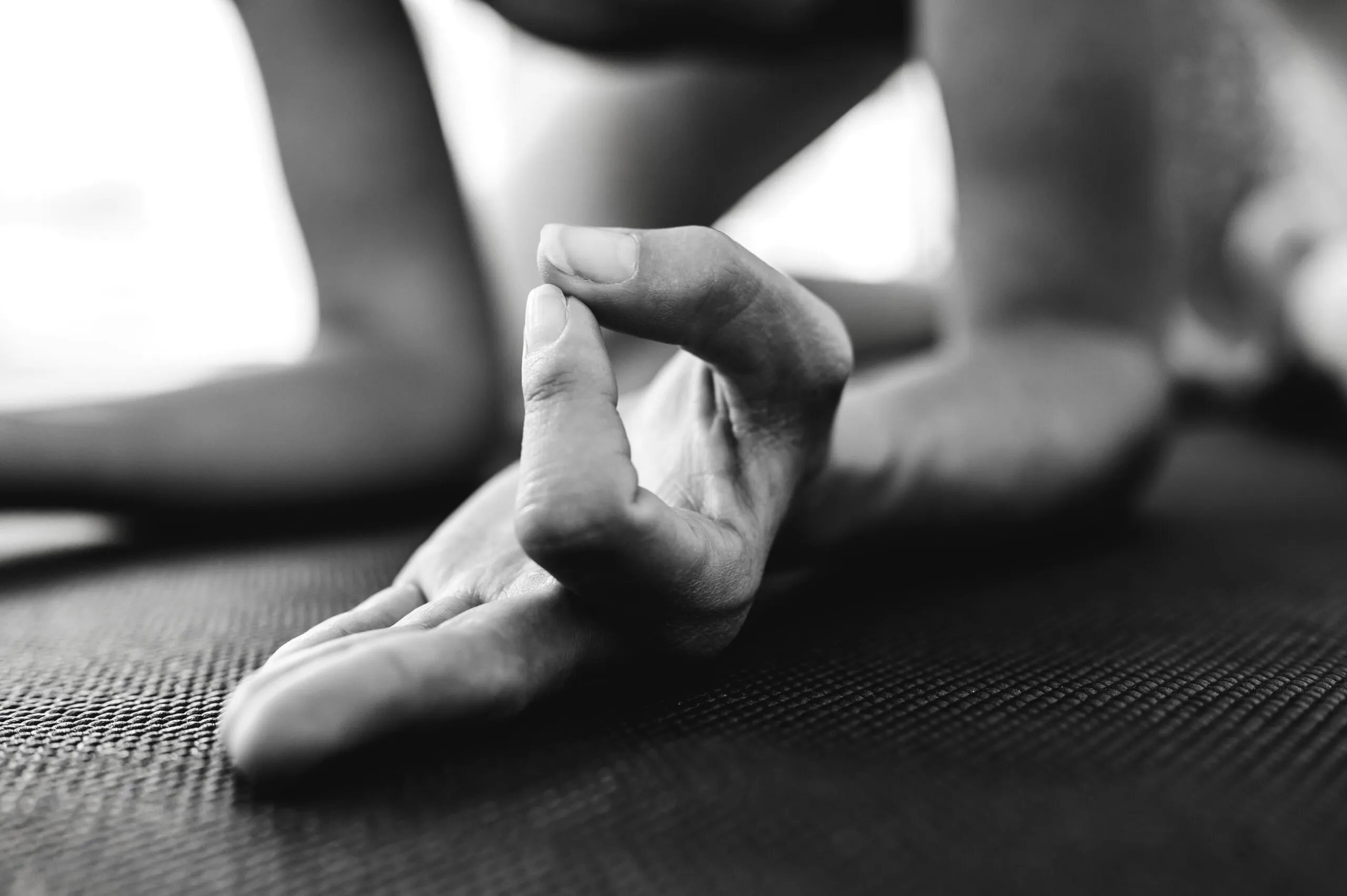
As we embark on our journey into the world of restorative yoga, we find ourselves stepping into a practice that invites us to slow down and reconnect with our bodies. In a society that often glorifies hustle and busyness, restorative yoga offers a refreshing alternative. It encourages us to pause, breathe, and embrace stillness.
This practice is not just about physical postures; it’s a holistic approach that nurtures our entire being—mind, body, and spirit. By engaging in restorative yoga, we create a sanctuary for ourselves, a space where we can cultivate awareness and foster healing. Restorative yoga is characterized by its gentle poses, supported by props such as blankets, bolsters, and blocks.
These props allow us to relax deeply into each pose, promoting a sense of safety and comfort. As we settle into the practice, we begin to notice the subtle shifts within us. Our breath becomes more profound, our muscles release tension, and our minds quiet down.
This is not merely an exercise routine; it’s an invitation to explore the depths of our inner landscape. Together, we can discover how restorative yoga can transform our lives, offering us tools to navigate the challenges we face both on and off the mat.
Physical Benefits of Restorative Yoga
When we think about the physical benefits of restorative yoga, we often picture the gentle stretching and relaxation that comes with each pose. However, the advantages extend far beyond mere flexibility. As we engage in restorative practices, we allow our bodies to enter a state of deep relaxation, which can lead to improved circulation and enhanced blood flow.
This increased circulation nourishes our muscles and organs, promoting overall health and vitality. We may find that our bodies feel lighter and more energized as we release built-up tension and stress. Moreover, restorative yoga can significantly improve our range of motion.
By holding poses for extended periods, we encourage our muscles to lengthen and release tightness. This gentle approach allows us to explore our physical limits without pushing ourselves too hard. As we cultivate this awareness in our bodies, we may notice that everyday movements become easier and more fluid.
Our joints may feel less stiff, and we may even find ourselves moving with greater ease throughout our daily lives. In essence, restorative yoga serves as a gentle reminder that taking time for ourselves physically can lead to profound changes in how we experience our bodies.
Mental and Emotional Benefits of Restorative Yoga

As we delve deeper into the mental and emotional benefits of restorative yoga, we begin to understand how this practice can serve as a powerful tool for self-discovery and healing. In our fast-paced lives, it’s easy to become overwhelmed by stressors and distractions. Restorative yoga invites us to turn inward, creating a space for reflection and mindfulness.
As we settle into each pose, we cultivate a sense of presence that allows us to observe our thoughts without judgment. This practice of mindfulness can lead to greater clarity and insight into our emotional landscapes. Additionally, restorative yoga has been shown to reduce symptoms of anxiety and depression.
By activating the parasympathetic nervous system—the body’s relaxation response—we can counteract the effects of chronic stress. As we breathe deeply and consciously, we signal to our bodies that it’s safe to let go of tension and worry. Over time, this practice can help us develop healthier coping mechanisms for dealing with life’s challenges.
We may find ourselves approaching difficult situations with a newfound sense of calm and resilience, empowered by the tools we’ve cultivated on the mat.
Restorative Yoga for Stress Relief
In today’s world, stress seems to be an ever-present companion in our lives. Whether it’s work-related pressures or personal challenges, stress can take a toll on our well-being. Restorative yoga offers us a sanctuary from this chaos—a place where we can unwind and recharge.
As we engage in restorative poses, we create an environment that encourages relaxation and release. The gentle nature of this practice allows us to let go of the weight of the world, if only for a moment. One of the most effective aspects of restorative yoga for stress relief is its emphasis on breathwork.
As we focus on our breath, we activate the body’s natural relaxation response. This deep breathing helps lower cortisol levels—the hormone associated with stress—while promoting feelings of tranquility. We may find that after just one session of restorative yoga, we feel lighter and more at ease in our minds and bodies.
By incorporating this practice into our lives regularly, we can build resilience against stressors, equipping ourselves with tools to navigate life’s ups and downs with grace.
Restorative Yoga for Improved Sleep
For many of us, achieving restful sleep can feel like an elusive goal. The demands of daily life often leave us feeling wired and restless at night. Restorative yoga provides a gentle remedy for this common struggle by promoting relaxation and calming the mind before bedtime.
As we engage in restorative poses designed to soothe the nervous system, we create an ideal environment for sleep to flourish. The practice encourages us to slow down and listen to our bodies’ needs. By incorporating restorative yoga into our evening routine, we signal to ourselves that it’s time to unwind.
The deep stretches and supported poses help release physical tension accumulated throughout the day while also quieting racing thoughts. We may find that as we cultivate this practice over time, falling asleep becomes easier, and the quality of our sleep improves significantly. With each session on the mat, we are not just preparing for sleep; we are nurturing a deeper connection with ourselves that fosters overall well-being.
Restorative Yoga for Pain Management

Pain is an experience that many of us grapple with at some point in our lives—whether it’s chronic pain from an injury or discomfort from daily activities. Restorative yoga offers a compassionate approach to pain management by encouraging gentle movement and deep relaxation. As we engage in restorative poses, we create space for our bodies to heal naturally while also cultivating awareness around areas of tension or discomfort.
Through mindful movement and breathwork, restorative yoga helps us reconnect with our bodies in a way that promotes healing rather than exacerbating pain. The use of props allows us to support ourselves fully in each pose, reducing strain on vulnerable areas while still reaping the benefits of stretching and relaxation. Over time, many practitioners report a decrease in pain levels as they learn to listen to their bodies’ signals more effectively.
This practice empowers us to take an active role in managing our pain while fostering a sense of compassion toward ourselves.
Restorative Yoga for Better Posture and Alignment
In an age where many of us spend hours hunched over screens or engaged in repetitive movements, poor posture has become a common concern. Restorative yoga offers us an opportunity to address these issues by promoting better alignment through gentle stretching and mindful awareness. As we engage in restorative poses designed to open up tight areas—such as the chest, shoulders, and hips—we begin to cultivate a greater sense of body awareness.
By focusing on alignment during restorative practices, we can develop healthier movement patterns that carry over into our daily lives. We may notice that as we strengthen our connection with our bodies through restorative yoga, our posture improves naturally over time. This newfound awareness not only enhances our physical appearance but also contributes to overall well-being by reducing strain on muscles and joints.
Together, we can embrace restorative yoga as a means of nurturing better posture while fostering a deeper connection with ourselves.
Incorporating Restorative Yoga into Your Daily Routine
As we reflect on the myriad benefits of restorative yoga, it becomes clear that incorporating this practice into our daily routines can be transformative. However, finding time amidst our busy schedules can feel daunting at first. The key lies in starting small—perhaps dedicating just ten minutes each day to engage in a few restorative poses or breathwork exercises.
By setting aside this time for ourselves, we create a sacred space where healing can occur. We might consider integrating restorative yoga into various aspects of our lives—whether it’s practicing before bed to promote restful sleep or taking breaks during the day to recharge when stress levels rise. The beauty of restorative yoga is its adaptability; it can be practiced anywhere—from the comfort of our homes to quiet corners in parks or even during lunch breaks at work.
As we commit to this practice consistently over time, we will likely find ourselves experiencing profound shifts in how we relate to ourselves and the world around us. In conclusion, restorative yoga is more than just a series of poses; it’s an invitation to slow down, breathe deeply, and reconnect with ourselves on multiple levels. By embracing this practice wholeheartedly, we open ourselves up to a world of physical healing, emotional resilience, and mental clarity.
Together, let’s embark on this journey toward greater well-being through the transformative power of restorative yoga.
In exploring the various advantages of restorative yoga, it's interesting to consider how mindfulness practices can enhance overall well-being. A related article that delves into the importance of creating a calming environment for relaxation can be found here. This piece highlights the significance of physical space in promoting tranquility, which complements the restorative benefits of yoga by fostering a serene atmosphere conducive to relaxation and mindfulness.
FAQs
What is restorative yoga?
Restorative yoga is a gentle form of yoga that focuses on relaxation and healing through passive stretching and supported poses. It typically involves the use of props like bolsters, blankets, and blocks to help the body fully relax.
How does restorative yoga differ from other types of yoga?
Unlike more vigorous styles such as Vinyasa or Ashtanga, restorative yoga emphasizes slow movements, long holds, and deep relaxation. It is designed to reduce stress and promote recovery rather than build strength or increase flexibility rapidly.
What are some common benefits of restorative yoga?
Common benefits include reduced stress and anxiety, improved sleep quality, enhanced mental clarity, relief from chronic pain, and better overall relaxation. It also supports the nervous system and can aid in recovery from injury or illness.
Who can practice restorative yoga?
Restorative yoga is suitable for people of all ages and fitness levels, including beginners, seniors, and those recovering from injury or dealing with chronic conditions. It is especially beneficial for individuals seeking gentle movement and stress relief.
How often should one practice restorative yoga to see benefits?
Practicing restorative yoga regularly, such as 2-3 times per week, can help maximize its benefits. Even short sessions of 20-30 minutes can be effective in promoting relaxation and reducing stress.
Can restorative yoga help with mental health?
Yes, restorative yoga has been shown to reduce symptoms of anxiety and depression by activating the parasympathetic nervous system, which promotes calmness and relaxation.
Is special equipment needed for restorative yoga?
While not strictly necessary, props like bolsters, blankets, blocks, and straps are commonly used to support the body in restful poses and enhance comfort during practice.
Can restorative yoga aid in physical recovery?
Yes, restorative yoga can support physical recovery by gently stretching muscles, improving circulation, and reducing tension without strain, making it ideal for rehabilitation and injury prevention.
How long are typical restorative yoga sessions?
Sessions usually last between 30 to 60 minutes, with poses held for several minutes to allow deep relaxation and release of tension.
Is restorative yoga suitable for people with chronic pain?
Yes, restorative yoga is often recommended for individuals with chronic pain conditions as it encourages gentle movement and relaxation, which can help alleviate discomfort and improve quality of life.