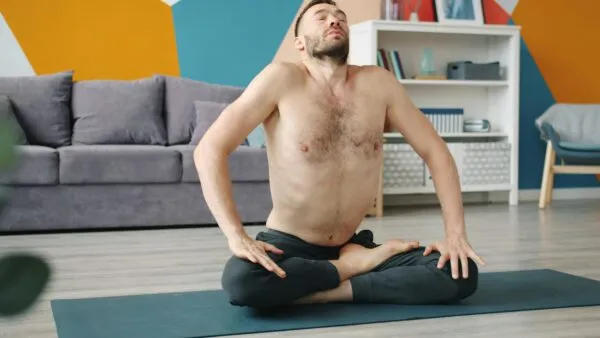
Restorative yoga is a gentle, calming practice designed to promote relaxation and healing. As we delve into this serene world, we find ourselves embracing a series of poses that are held for extended periods, often supported by props like blankets, bolsters, and blocks. This practice invites us to slow down, allowing our bodies to release tension and stress.
Unlike more vigorous forms of yoga, restorative yoga encourages us to cultivate a deep sense of stillness and introspection. It’s not just about the physical postures; it’s about creating a sanctuary for our minds and bodies to unwind. In restorative yoga, we focus on the principles of surrender and acceptance.
Each pose is an opportunity for us to connect with our breath and tune into our inner selves. We learn to listen to our bodies, honoring what they need in each moment. This practice is accessible to everyone, regardless of experience or flexibility.
By creating a nurturing environment, we can explore the depths of relaxation and discover the profound benefits that come from simply being present.
The Benefits of Restorative Yoga for the Nervous System
As we engage in restorative yoga, we begin to notice its remarkable effects on our nervous system. One of the primary benefits is its ability to activate the parasympathetic nervous system, which is responsible for our body's rest-and-digest response. In a world filled with constant stimulation and stressors, this activation is crucial for our overall well-being.
By practicing restorative yoga, we create a space where our bodies can shift from a state of fight-or-flight to one of calm and tranquility. Moreover, restorative yoga helps us cultivate resilience against stress. As we hold poses and focus on our breath, we learn to manage our reactions to external pressures.
This practice teaches us that we can find peace even amidst chaos. The gentle stretches and supported postures allow our bodies to release pent-up tension, leading to a more balanced nervous system. Over time, we may find ourselves better equipped to handle life's challenges with grace and ease.
How Restorative Yoga Helps Reset the Nervous System

Restorative yoga serves as a powerful tool for resetting our nervous system. When we engage in this practice, we create an environment that encourages deep relaxation. This state of relaxation allows our bodies to release accumulated stress and tension, which can otherwise lead to chronic issues if left unaddressed.
By holding poses for longer durations, we give ourselves the opportunity to fully immerse in the experience, allowing our nervous system to recalibrate. In addition to physical relaxation, restorative yoga fosters mental clarity and emotional stability. As we settle into each pose, we cultivate mindfulness and awareness of our thoughts and feelings.
This heightened awareness enables us to observe our mental patterns without judgment, creating space for healing and transformation. By resetting our nervous system through restorative yoga, we can break free from cycles of anxiety and stress, paving the way for a more balanced and harmonious life.
Key Poses and Techniques in Restorative Yoga
In restorative yoga, certain poses stand out as particularly beneficial for promoting relaxation and resetting the nervous system. One such pose is Supta Baddha Konasana, or Bound Angle Pose. In this pose, we lie on our backs with the soles of our feet together and knees gently falling open.
Supported by props, we can fully surrender into the pose, allowing gravity to do its work while we breathe deeply and release tension. Another essential pose is Viparita Karani, or Legs-Up-the-Wall Pose. This restorative posture encourages blood flow back toward the heart while providing a gentle stretch for the legs and lower back.
As we settle into this pose, we can feel the calming effects wash over us, promoting relaxation and reducing feelings of anxiety. By incorporating these key poses into our practice, we can create a nurturing environment that supports our nervous system's needs.
Tips for Incorporating Restorative Yoga into Your Routine
Integrating restorative yoga into our daily lives can be a transformative experience. To begin, we might set aside dedicated time each week for our practice—perhaps a quiet evening or a peaceful morning before the day begins. Creating a designated space in our home can also enhance our experience; a cozy corner with soft lighting, calming scents, and supportive props invites us to unwind fully.
We can also start small by incorporating just a few restorative poses into our existing routine. Even dedicating 10-15 minutes to a gentle practice can yield significant benefits. As we become more comfortable with restorative yoga, we may find ourselves drawn to longer sessions or even attending classes led by experienced instructors who can guide us deeper into the practice.
The Importance of Breathwork in Restorative Yoga

Breathwork plays a vital role in restorative yoga, serving as a bridge between body and mind. As we settle into each pose, focusing on our breath allows us to deepen our experience of relaxation. By practicing slow, intentional breathing—such as diaphragmatic breathing or extended exhalations—we can activate the parasympathetic nervous system even further.
In restorative yoga, breathwork also helps us cultivate mindfulness. As we become aware of our breath's rhythm, we learn to anchor ourselves in the present moment. This connection between breath and body fosters a sense of calm that permeates every aspect of our practice.
By prioritizing breathwork in restorative yoga, we empower ourselves to navigate life's challenges with greater ease and clarity.
Understanding the Role of the Nervous System in Stress and Relaxation
To fully appreciate the benefits of restorative yoga, it’s essential to understand the role of the nervous system in stress and relaxation. Our nervous system is divided into two main branches: the sympathetic nervous system (responsible for fight-or-flight responses) and the parasympathetic nervous system (responsible for rest-and-digest functions). In today’s fast-paced world, many of us find ourselves predominantly in sympathetic mode—constantly reacting to stressors without allowing time for recovery.
Restorative yoga provides an antidote to this imbalance by encouraging activation of the parasympathetic nervous system. When we engage in restorative practices, we signal to our bodies that it’s safe to relax and let go of tension. This shift not only helps alleviate immediate stress but also contributes to long-term resilience against future stressors.
By understanding how our nervous system operates, we can better appreciate how restorative yoga serves as a powerful tool for cultivating balance and well-being.
How Restorative Yoga Can Improve Overall Well-being
Ultimately, restorative yoga offers us a pathway toward improved overall well-being. As we commit to this practice, we may notice enhanced physical health through reduced muscle tension and improved flexibility. More importantly, however, is the profound impact on our mental and emotional states.
By regularly engaging in restorative yoga, we cultivate resilience against stress while fostering a greater sense of inner peace. Moreover, restorative yoga encourages self-compassion and self-awareness. As we learn to listen to our bodies and honor their needs, we develop a deeper connection with ourselves.
This connection allows us to navigate life’s ups and downs with greater ease and grace. In embracing restorative yoga as part of our routine, we embark on a journey toward holistic well-being—one that nurtures not only our bodies but also our minds and spirits.
In addition to exploring the benefits of restorative yoga for resetting the nervous system, you may find it helpful to read about effective strategies for maintaining productivity while working from home. The article titled The Ultimate Guide to Working from Home offers valuable insights that can complement your wellness journey by creating a balanced work environment.
FAQs
What is restorative yoga?
Restorative yoga is a gentle, calming form of yoga that uses props like bolsters, blankets, and blocks to support the body in various poses. It focuses on relaxation and stress relief, allowing the nervous system to reset and rejuvenate.
How does restorative yoga help the nervous system?
Restorative yoga activates the parasympathetic nervous system, which promotes relaxation and reduces stress. By holding poses for extended periods with support, it helps lower cortisol levels, decrease heart rate, and calm the mind, aiding in nervous system recovery.
Who can practice restorative yoga?
Restorative yoga is suitable for people of all ages and fitness levels, including beginners, seniors, and those recovering from injury or illness. Its gentle nature makes it accessible to anyone seeking relaxation and nervous system balance.
How often should I practice restorative yoga to see benefits?
Practicing restorative yoga regularly, such as 2-3 times per week, can help maintain nervous system health and reduce stress. Even a single session can provide immediate relaxation benefits.
What equipment do I need for restorative yoga?
Common props used in restorative yoga include yoga bolsters, blankets, blocks, and straps. These support the body in restful poses, allowing muscles to relax fully without strain.
Can restorative yoga help with anxiety and insomnia?
Yes, restorative yoga’s calming effects on the nervous system can help reduce symptoms of anxiety and improve sleep quality by promoting deep relaxation and lowering stress hormones.
Is restorative yoga different from other types of yoga?
Yes, unlike more active styles like Vinyasa or Ashtanga, restorative yoga emphasizes stillness, gentle stretching, and prolonged holds with support, focusing primarily on relaxation rather than physical exertion.
How long are typical restorative yoga sessions?
Sessions usually last between 30 to 60 minutes, with poses held for 5 to 20 minutes each to maximize relaxation and nervous system reset.
Can restorative yoga be combined with other wellness practices?
Absolutely. Restorative yoga complements meditation, breathing exercises, and mindfulness practices, enhancing overall stress management and nervous system health.