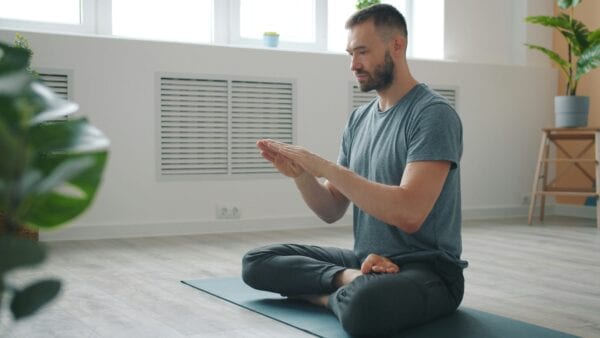

When we think about yoga, our minds often drift to images of complex poses and vigorous flows. However, restorative yoga invites us to slow down and embrace a gentler approach. This practice is designed to promote deep relaxation and healing, allowing us to reconnect with our bodies and minds.
By using props such as blankets, bolsters, and blocks, we can support ourselves in various poses, enabling us to hold them for extended periods. This supportive environment encourages us to let go of tension and stress, creating a sanctuary where we can simply be. As we delve deeper into restorative yoga, we discover that it is not merely about physical postures; it is a holistic practice that nurtures our entire being.
The essence of restorative yoga lies in its ability to cultivate a sense of safety and comfort. In this space, we can explore our inner landscapes, fostering self-awareness and acceptance. By prioritizing rest and relaxation, we allow ourselves the opportunity to recharge and rejuvenate, paving the way for personal growth and emotional healing.
The Physical and Mental Effects of Restorative Yoga
Engaging in restorative yoga offers a myriad of physical benefits that extend beyond the mat. As we settle into supported poses, our bodies begin to release tension stored in our muscles and connective tissues. This gentle stretching promotes flexibility and improves circulation, allowing our bodies to function more efficiently.
Additionally, the practice encourages deep breathing, which enhances oxygen flow throughout our systems. This simple act can lead to increased energy levels and a greater sense of vitality. On a mental level, restorative yoga serves as a powerful antidote to the chaos of daily life.
As we immerse ourselves in this calming practice, we create space for mindfulness and introspection. The stillness allows us to observe our thoughts without judgment, fostering a sense of clarity and focus. Over time, we may find that our ability to manage stress improves significantly, as we learn to respond to challenges with greater equanimity.
The cumulative effects of restorative yoga can lead to enhanced emotional resilience, equipping us with the tools needed to navigate life's ups and downs.
How Restorative Yoga Can Reduce Stress and Anxiety

In a world that often feels overwhelming, restorative yoga emerges as a beacon of hope for those grappling with stress and anxiety. The practice encourages us to slow down and tune into our bodies, creating an opportunity for self-reflection and healing. As we settle into restorative poses, we activate the parasympathetic nervous system, which is responsible for our body's relaxation response.
This shift helps to lower cortisol levels—the hormone associated with stress—allowing us to experience a profound sense of calm. Moreover, restorative yoga teaches us valuable techniques for managing anxiety in our daily lives. By cultivating awareness of our breath and body sensations, we develop a greater understanding of our emotional triggers.
This heightened awareness empowers us to respond mindfully rather than react impulsively when faced with stressors. As we practice regularly, we may find that our overall anxiety levels decrease, leading to a more balanced and peaceful existence.
Restorative Yoga for Improving Sleep Quality
For many of us, achieving restful sleep can feel like an elusive goal. Restorative yoga offers a gentle yet effective solution for those struggling with insomnia or disrupted sleep patterns. By incorporating restorative poses into our evening routine, we signal to our bodies that it is time to unwind and prepare for rest.
The calming nature of the practice helps to quiet the mind and release physical tension, creating an ideal environment for sleep. As we engage in restorative yoga before bedtime, we may notice improvements in both the quality and duration of our sleep. The deep relaxation achieved during practice can lead to a more restful night, allowing us to wake up feeling refreshed and rejuvenated.
Additionally, the mindfulness cultivated through restorative yoga can help us develop healthier sleep habits over time. By prioritizing self-care and relaxation, we create a positive feedback loop that enhances our overall well-being.
The Role of Restorative Yoga in Managing Depression
Restorative yoga can serve as a valuable tool for those navigating the complexities of depression. The practice encourages us to connect with ourselves on a deeper level, fostering self-compassion and acceptance. As we engage in gentle movements and supported poses, we create space for emotional release and healing.
This process can be particularly beneficial for individuals who may struggle to articulate their feelings or experiences. Furthermore, restorative yoga promotes the release of endorphins—our body's natural mood elevators. By engaging in this nurturing practice regularly, we may find that our overall outlook on life improves.
The combination of physical relaxation and emotional exploration can lead to increased resilience against depressive symptoms. As we cultivate a sense of safety within ourselves through restorative yoga, we empower ourselves to face challenges with greater strength and clarity.
Restorative Yoga as a Tool for Cultivating Mindfulness

Mindfulness is an essential component of well-being, allowing us to remain present in the moment rather than getting lost in worries about the past or future. Restorative yoga provides an ideal framework for cultivating mindfulness through its emphasis on stillness and awareness. As we settle into supported poses, we are invited to tune into our breath and bodily sensations, fostering a deeper connection with ourselves.
Through this practice, we learn to observe our thoughts without judgment or attachment. This skill translates into our daily lives, enabling us to approach challenges with greater clarity and composure. As we cultivate mindfulness through restorative yoga, we may find that our relationships improve as well; by being more present with ourselves, we become more attuned to the needs of others.
Ultimately, this practice serves as a powerful reminder that mindfulness is not just a destination but a journey worth embracing.
Restorative Yoga for Enhancing Self-Compassion and Emotional Well-Being
In a world that often encourages self-criticism and comparison, restorative yoga offers a sanctuary for self-compassion and emotional well-being. The gentle nature of the practice invites us to honor our bodies and minds without judgment. As we settle into supported poses, we create space for self-reflection and acceptance, allowing us to embrace our imperfections with kindness.
This nurturing environment fosters emotional healing by encouraging us to explore our feelings without fear or shame. Through restorative yoga, we learn that it is okay to feel vulnerable; in fact, vulnerability can be a source of strength. As we cultivate self-compassion on the mat, we may find that it extends into other areas of our lives—improving our relationships with ourselves and others alike.
Incorporating Restorative Yoga into Your Mental Health Routine
Integrating restorative yoga into our mental health routine can be a transformative experience. To begin this journey, we might start by setting aside dedicated time each week for practice—whether it's in a class setting or at home. Creating a calming environment with soft lighting and soothing music can enhance the experience, allowing us to fully immerse ourselves in the practice.
As we establish this routine, it’s essential to approach restorative yoga with an open heart and mind. We may find that some poses resonate more deeply than others; that's perfectly okay! Listening to our bodies is key as we navigate this journey toward healing and self-discovery.
Over time, we will likely notice the profound impact that restorative yoga has on our mental health—empowering us to cultivate resilience, mindfulness, and self-compassion in all aspects of our lives. In conclusion, restorative yoga is not just a practice; it is an invitation to embrace ourselves fully—body, mind, and spirit. By understanding its benefits and incorporating it into our lives, we can foster emotional well-being and resilience in an ever-changing world.
Let’s take this journey together toward healing and self-discovery through the gentle embrace of restorative yoga.
Restorative yoga is not only beneficial for physical relaxation but also plays a significant role in enhancing mental well-being. For those interested in exploring more about how mental health can be positively influenced, you might find the article on the science of gratitude particularly enlightening. It delves into how cultivating gratitude can lead to improvements in both mental and physical health, complementing the calming effects of restorative yoga.
FAQs
What is restorative yoga?
Restorative yoga is a gentle, slow-paced style of yoga that focuses on relaxation and healing. It typically involves holding poses for extended periods with the support of props like blankets, bolsters, and blocks to promote deep rest and stress relief.
How does restorative yoga benefit mental health?
Restorative yoga helps reduce stress, anxiety, and symptoms of depression by activating the parasympathetic nervous system, which promotes relaxation. It encourages mindfulness and deep breathing, which can improve mood and emotional regulation.
Can restorative yoga help with anxiety and depression?
Yes, restorative yoga has been shown to alleviate symptoms of anxiety and depression by calming the mind and body, reducing cortisol levels, and enhancing overall emotional well-being.
Is restorative yoga suitable for beginners?
Absolutely. Restorative yoga is accessible to people of all fitness levels and ages because it involves gentle poses and uses props to support the body, making it easy to practice safely.
How often should I practice restorative yoga to see mental health benefits?
Practicing restorative yoga regularly, such as 2-3 times per week, can help maximize its mental health benefits. Even short sessions of 20-30 minutes can be effective in promoting relaxation and reducing stress.
Do I need any special equipment for restorative yoga?
While not mandatory, props like yoga blankets, bolsters, blocks, and straps are commonly used in restorative yoga to support the body and enhance comfort during poses.
Can restorative yoga be combined with other forms of exercise?
Yes, restorative yoga complements other physical activities by aiding recovery, reducing muscle tension, and promoting mental calmness, making it a beneficial addition to any fitness routine.
Is restorative yoga effective for improving sleep?
Restorative yoga can improve sleep quality by reducing stress and promoting relaxation, which helps prepare the body and mind for restful sleep.
Are there any contraindications or precautions for practicing restorative yoga?
While restorative yoga is generally safe, individuals with certain medical conditions or injuries should consult a healthcare provider before starting. It’s important to listen to your body and avoid any poses that cause discomfort.
Where can I learn restorative yoga?
Restorative yoga can be learned through certified yoga instructors in studios, online classes, or instructional videos. It’s recommended to start with guided sessions to ensure proper technique and safety.