
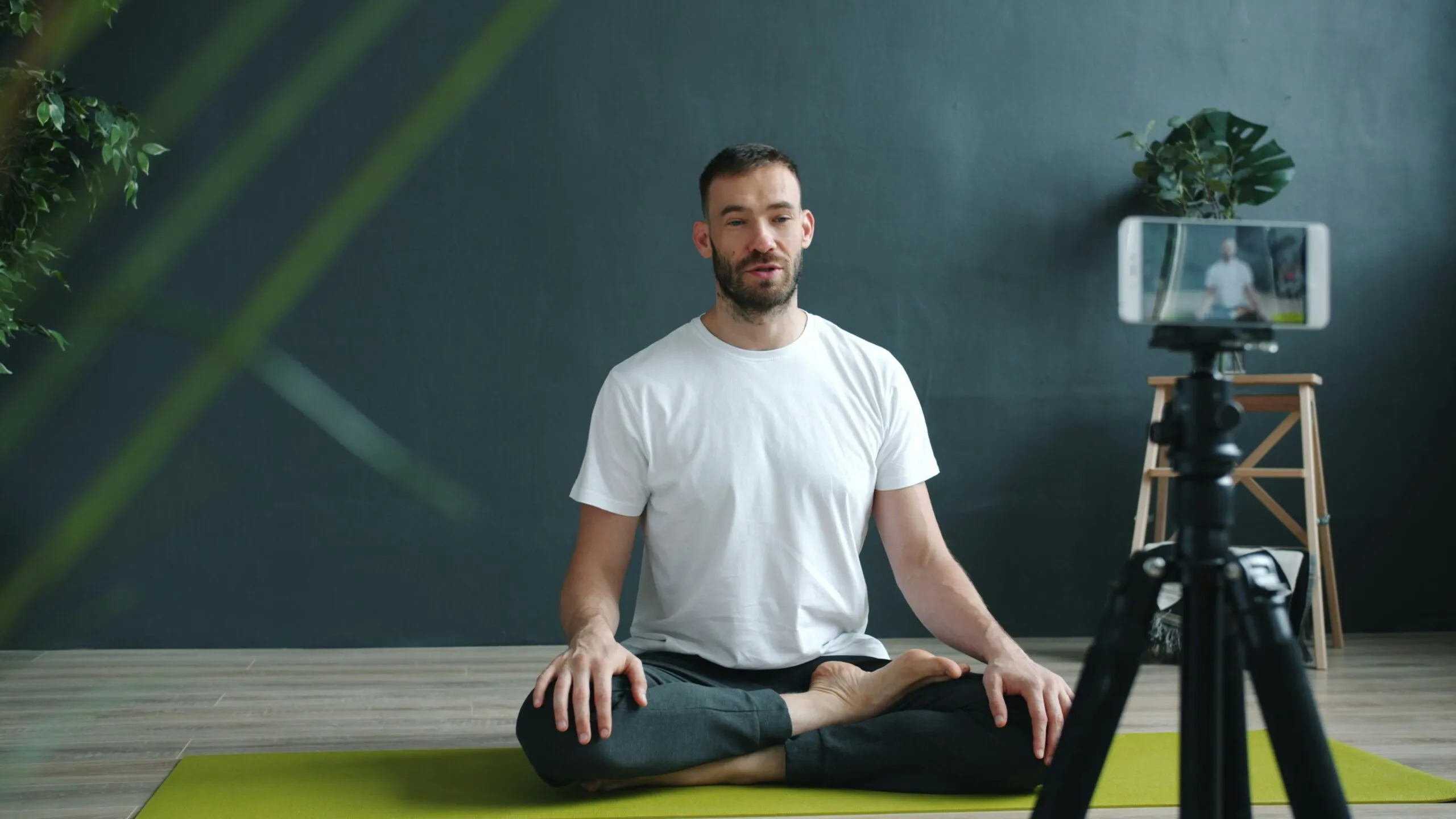
As we navigate the complexities of our daily lives, sleep often becomes a casualty of our busy schedules. We find ourselves tossing and turning, unable to drift into the restful slumber we so desperately crave. This is where restorative yoga enters the scene, offering a gentle yet powerful solution to our sleep woes.
By engaging in restorative yoga, we can cultivate a serene environment that encourages deep relaxation and rejuvenation. The practice allows us to slow down, breathe deeply, and reconnect with our bodies, ultimately leading to improved sleep quality. Restorative yoga is not just about stretching; it’s about creating a sanctuary for our minds and bodies.
Through the use of props and supported poses, we can release tension and stress that may be keeping us awake at night. This practice encourages us to listen to our bodies, fostering a sense of awareness that can translate into better sleep habits. As we embrace restorative yoga, we may find that our sleep becomes more restorative, allowing us to wake up feeling refreshed and ready to tackle the day ahead.
How Restorative Yoga Promotes Relaxation
In a world that often feels chaotic and overwhelming, finding moments of relaxation can seem like an elusive goal. Restorative yoga provides us with a structured way to unwind and let go of the stresses that accumulate throughout the day. By focusing on gentle movements and deep breathing, we create a space where relaxation can flourish.
Each pose is designed to encourage stillness, allowing us to sink into a state of calm that is essential for both our mental and physical well-being. As we practice restorative yoga, we learn to cultivate mindfulness—a key component in promoting relaxation. By bringing our attention to the present moment, we can release worries about the past or future that often plague our minds.
This practice teaches us to embrace stillness, which can be incredibly grounding. With each breath, we can feel the weight of our worries lift, making way for a profound sense of peace that can enhance our overall quality of life.
The Connection Between Restorative Yoga and Stress Reduction

Stress is an inevitable part of life, but how we respond to it can make all the difference. Restorative yoga offers us a powerful tool for managing stress effectively. By engaging in this gentle practice, we activate the parasympathetic nervous system, which is responsible for our body’s relaxation response.
This shift allows us to counteract the effects of stress, promoting a sense of calm that can permeate every aspect of our lives. Moreover, restorative yoga encourages us to develop a deeper understanding of our bodies and minds. As we become more attuned to our physical sensations and emotional states, we can identify stress triggers more easily.
This awareness empowers us to respond to stress in healthier ways, rather than allowing it to control us. Through consistent practice, we may find that our resilience increases, enabling us to navigate life’s challenges with greater ease and grace.
Restorative Yoga Poses for Better Sleep
When it comes to restorative yoga, certain poses are particularly beneficial for promoting better sleep. One such pose is Supta Baddha Konasana, or Reclined Bound Angle Pose. By lying back on a bolster or cushions with the soles of our feet together, we open up the hips and create space in the chest.
This pose encourages deep breathing and relaxation, making it an ideal choice for winding down before bedtime. Another effective pose is Viparita Karani, or Legs-Up-the-Wall Pose. By resting our legs against a wall while lying on our backs, we promote circulation and relieve tension in the lower body.
This gentle inversion helps calm the nervous system and prepares us for restful sleep. Incorporating these poses into our evening routine can create a soothing ritual that signals to our bodies that it’s time to unwind and prepare for slumber.
Incorporating Restorative Yoga into Your Bedtime Routine
Establishing a bedtime routine that includes restorative yoga can be transformative for our sleep quality. By setting aside dedicated time each evening for this practice, we signal to our bodies that it’s time to transition from the busyness of the day into a state of relaxation. We might begin by dimming the lights in our space and creating a calming atmosphere with soft music or essential oils.
As we move through restorative poses, we can focus on our breath and let go of any lingering thoughts from the day. This intentional practice not only prepares us for sleep but also cultivates a sense of mindfulness that can enhance our overall well-being. Over time, we may find that this routine becomes an essential part of our self-care regimen, allowing us to approach each day with renewed energy and clarity.
Research and Studies on Restorative Yoga and Sleep

The benefits of restorative yoga for sleep are not just anecdotal; numerous studies have explored its impact on sleep quality and overall well-being. Research has shown that individuals who engage in restorative yoga experience significant improvements in sleep duration and quality compared to those who do not practice yoga at all. These findings highlight the importance of incorporating restorative practices into our lives as a means of enhancing sleep.
Additionally, studies have indicated that restorative yoga can lead to reductions in insomnia symptoms and improvements in overall mental health. By fostering relaxation and reducing stress levels, restorative yoga creates an environment conducive to restful sleep. As more research emerges on this topic, it becomes increasingly clear that restorative yoga is a valuable tool for anyone seeking to improve their sleep quality and overall health.
Tips for Getting Started with Restorative Yoga
Embarking on a restorative yoga journey doesn’t have to be daunting; it can be as simple as finding a quiet space in our home where we feel comfortable and at ease. We might start by gathering props such as bolsters, blankets, and blocks to support our practice. These tools will help us create a nurturing environment that encourages relaxation.
As we begin our practice, it’s essential to approach it with an open mind and heart. We can start with just a few minutes each day, gradually increasing the duration as we become more comfortable with the poses. Listening to our bodies is key; if something doesn’t feel right, we should adjust or modify the pose as needed.
With patience and consistency, we will soon discover the profound benefits that restorative yoga has to offer.
Other Ways Restorative Yoga Can Improve Your Overall Well-being
Beyond its impact on sleep, restorative yoga offers a myriad of benefits for our overall well-being. The practice encourages self-compassion and mindfulness, allowing us to cultivate a deeper connection with ourselves. As we learn to slow down and tune into our bodies, we may find that we become more attuned to our emotional needs as well.
Additionally, restorative yoga can enhance flexibility and mobility while reducing physical tension in the body. This gentle approach allows us to release tightness without pushing ourselves too hard, promoting a sense of ease in both body and mind. As we integrate restorative yoga into our lives, we may discover that it serves as a powerful catalyst for positive change—enhancing not only our sleep but also our overall quality of life.
In conclusion, restorative yoga is more than just a practice; it’s an invitation to slow down, breathe deeply, and reconnect with ourselves. By embracing this gentle approach to wellness, we can unlock the door to better sleep, reduced stress, and improved overall well-being. As we embark on this journey together, let’s remember that every small step counts toward creating a more balanced and fulfilling life.
If you're interested in exploring more about the benefits of restorative practices for better sleep, you might find this article on Livetastic particularly insightful. It delves into various wellness techniques that can enhance your overall relaxation and improve your sleep quality, complementing the insights shared in "Why Restorative Yoga May Be the Best Sleep Aid You’ve Never Tried."
FAQs
What is restorative yoga?
Restorative yoga is a gentle form of yoga that focuses on relaxation and stress relief through passive stretching and supported poses. It typically involves the use of props like bolsters, blankets, and blocks to help the body fully relax.
How does restorative yoga help improve sleep?
Restorative yoga promotes relaxation by calming the nervous system, reducing stress hormones, and encouraging deep breathing. These effects can help prepare the body and mind for restful sleep.
Is restorative yoga suitable for beginners?
Yes, restorative yoga is very accessible for beginners because it involves slow, gentle movements and supported poses that do not require advanced flexibility or strength.
How often should I practice restorative yoga to see sleep benefits?
Practicing restorative yoga regularly, such as 3-4 times per week or before bedtime, can help improve sleep quality over time. Even a short 10-20 minute session can be beneficial.
Can restorative yoga replace other sleep aids or treatments?
While restorative yoga can be an effective natural sleep aid, it should not replace medical treatments for serious sleep disorders. It can be used as a complementary practice alongside other therapies.
What are some common restorative yoga poses for better sleep?
Common poses include supported child's pose, legs-up-the-wall pose, reclined bound angle pose, and supported savasana. These poses encourage relaxation and reduce tension.
Are there any risks or precautions with restorative yoga?
Restorative yoga is generally safe for most people. However, individuals with certain medical conditions or injuries should consult a healthcare provider before starting any new exercise routine.
Can restorative yoga help with insomnia?
Restorative yoga may help reduce symptoms of insomnia by lowering stress and promoting relaxation, which can make it easier to fall asleep and stay asleep.
Do I need special equipment to practice restorative yoga at home?
While props like bolsters, blankets, and blocks enhance the practice, you can start with household items such as pillows and folded blankets to support your body during poses.
Is restorative yoga different from other types of yoga?
Yes, restorative yoga is distinct in its focus on relaxation and minimal physical exertion, unlike more vigorous styles such as Vinyasa or Ashtanga yoga.