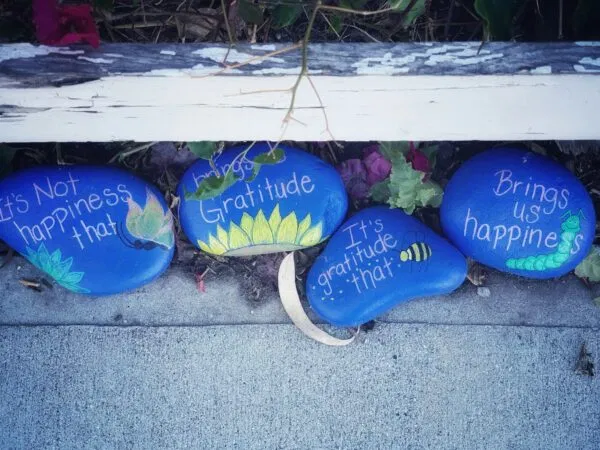

As we embark on this journey of self-discovery, it’s essential to recognize that our inherent value is not contingent upon external validation or achievements. Each of us possesses a unique worth that is intrinsic to our very being. This understanding can be liberating; it allows us to step away from the relentless pursuit of approval and instead embrace who we are at our core.
We are not defined by our job titles, bank accounts, or social media likes. Our value is woven into the fabric of our existence, and acknowledging this can be the first step toward a more fulfilling life. When we truly grasp our inherent value, we begin to see ourselves through a different lens.
We start to appreciate our quirks, our passions, and even our flaws as integral parts of our identity. This shift in perspective can be transformative. Instead of viewing ourselves through a critical eye, we can learn to celebrate our individuality.
We are not just a collection of experiences or accomplishments; we are complex beings with stories that deserve to be told. By understanding our inherent value, we can cultivate a sense of self-worth that is unshakeable, regardless of the challenges we face.
Overcoming Self-Doubt and Negative Self-Talk
Self-doubt can be a formidable adversary, often whispering insidious messages that undermine our confidence and potential. We’ve all experienced those moments when we question our abilities or feel unworthy of success. It’s crucial to recognize that these thoughts are not truths; they are merely reflections of our fears and insecurities.
By acknowledging the presence of self-doubt, we can begin to dismantle its power over us. We can challenge those negative narratives and replace them with affirmations that reinforce our strengths and capabilities. One effective strategy for overcoming self-doubt is to practice mindfulness.
By becoming aware of our thoughts and feelings without judgment, we can create space for self-reflection and growth. Instead of allowing negative self-talk to dictate our actions, we can choose to respond with kindness and encouragement. We might ask ourselves, “What would I say to a friend in this situation?” This simple shift in perspective can help us cultivate a more compassionate inner dialogue.
As we learn to silence the critic within, we open ourselves up to new possibilities and experiences.
Recognizing Your Unique Talents and Abilities

Each of us possesses a unique set of talents and abilities that contribute to our individuality. However, in the hustle and bustle of daily life, it’s easy to overlook these gifts. We often focus on what we perceive as shortcomings rather than celebrating what makes us special.
To truly recognize our unique talents, we must take the time to reflect on our experiences, interests, and passions. What activities make us feel alive? What skills come naturally to us?
By exploring these questions, we can uncover the strengths that lie within us. Moreover, it’s important to remember that our talents don’t have to fit into conventional molds. We may excel in areas that others deem unconventional or insignificant.
Perhaps we have a knack for storytelling, an eye for design, or an ability to connect with others on a deep level. These talents are valuable, and they contribute to the rich tapestry of who we are. By embracing our unique abilities, we not only enhance our self-esteem but also empower ourselves to pursue paths that resonate with our true selves.
Embracing Self-Compassion and Self-Care
In a world that often glorifies hustle and productivity, it’s easy to neglect the importance of self-compassion and self-care. We may find ourselves caught in a cycle of striving for perfection while simultaneously berating ourselves for not measuring up. However, embracing self-compassion means treating ourselves with the same kindness and understanding that we would offer a friend in times of struggle.
It’s about recognizing that we are human, prone to mistakes and imperfections, and that this is perfectly okay. Self-care is an essential component of self-compassion. It involves prioritizing our physical, emotional, and mental well-being.
This could mean setting aside time for activities that bring us joy, practicing mindfulness, or simply allowing ourselves to rest without guilt. When we prioritize self-care, we send a powerful message to ourselves: that we are worthy of love and attention. By nurturing ourselves, we create a solid foundation from which we can pursue our goals and dreams with renewed energy and enthusiasm.
Letting Go of Comparison and Perfectionism
In today’s hyper-connected world, comparison has become an all-too-common trap. We scroll through social media feeds filled with curated images of success and happiness, often leading us to feel inadequate in comparison. It’s crucial for us to recognize that these snapshots do not represent the full story; they are merely highlights that often gloss over struggles and challenges.
By letting go of comparison, we free ourselves from the burden of unrealistic expectations and allow ourselves to embrace our unique journeys. Perfectionism often goes hand in hand with comparison, creating a toxic cycle that stifles creativity and joy. We may find ourselves constantly striving for an unattainable ideal, believing that anything less than perfect is unacceptable.
However, perfection is an illusion; it does not exist in reality. Instead of aiming for perfection, we can focus on progress and growth. By celebrating small victories and acknowledging our efforts, we cultivate a mindset that values authenticity over perfection.
Cultivating Positive Relationships and Boundaries

The relationships we cultivate play a significant role in shaping our self-perception and overall well-being. Surrounding ourselves with positive influences can uplift us and reinforce our sense of worth. Conversely, toxic relationships can drain our energy and diminish our self-esteem.
It’s essential for us to evaluate the connections in our lives and prioritize those that nurture and support us. By fostering positive relationships, we create an environment where we can thrive. Establishing healthy boundaries is equally important in maintaining positive relationships.
Boundaries allow us to protect our energy and prioritize our needs without feeling guilty or selfish. We must learn to communicate our limits clearly and assertively while respecting the boundaries of others as well. When we establish these boundaries, we create space for authentic connections built on mutual respect and understanding.
This not only enhances our relationships but also reinforces our sense of self-worth.
Setting and Achieving Personal Goals
Setting personal goals is a powerful way to channel our energy and aspirations into tangible outcomes. Goals provide us with direction and purpose, helping us stay focused on what truly matters to us. However, it’s essential for us to set goals that align with our values and passions rather than those imposed by societal expectations or external pressures.
When we pursue goals that resonate with our true selves, we are more likely to experience fulfillment along the way. Achieving personal goals requires commitment and perseverance, but it also involves celebrating the journey itself. Each step we take toward our goals is an opportunity for growth and learning.
We should take time to reflect on our progress, acknowledging both the challenges we’ve faced and the successes we’ve achieved along the way. By celebrating these milestones, no matter how small, we reinforce our sense of worthiness and motivate ourselves to continue striving for what truly matters.
Celebrating Your Successes and Acknowledging Your Worth
In the hustle of daily life, it’s easy to overlook our successes or downplay their significance. However, taking the time to celebrate our achievements is crucial for reinforcing our sense of worthiness. Whether it’s completing a project at work, reaching a personal milestone, or simply overcoming a challenge, each success deserves recognition.
By acknowledging our accomplishments, we validate our efforts and remind ourselves of the value we bring to the table. Celebration doesn’t have to be grandiose; it can be as simple as taking a moment to reflect on what we’ve achieved or sharing our successes with loved ones who support us. This practice not only boosts our self-esteem but also fosters a sense of gratitude for the journey we’ve undertaken.
As we celebrate our successes, we cultivate a deeper appreciation for ourselves and the unique contributions we make to the world around us. In conclusion, embracing our inherent value is a journey filled with self-discovery and growth. By overcoming self-doubt, recognizing our unique talents, practicing self-compassion, letting go of comparison, cultivating positive relationships, setting personal goals, and celebrating our successes, we can create a life that reflects our true selves.
Together, let’s embark on this journey toward self-acceptance and fulfillment—because each one of us is worthy just as we are.
In exploring the theme of self-worth and the belief that everyone deserves good things, you might find the article on the Lume Illumination Mask particularly insightful. This piece delves into the importance of self-care and how investing in oneself can lead to a more fulfilling life. You can read more about it here.
FAQs
What does it mean to be worthy of good things?
Being worthy of good things means recognizing that you deserve happiness, success, love, and positive experiences simply because you are a valuable and deserving person. It involves self-acceptance and understanding your inherent worth.
How can believing in your worthiness impact your life?
Believing in your worthiness can improve your self-esteem, motivate you to pursue your goals, foster healthier relationships, and increase overall well-being. It encourages you to set boundaries and seek out positive opportunities.
Is worthiness something you are born with or something you develop?
Worthiness is an inherent quality that everyone possesses by virtue of being human. However, recognizing and embracing your worthiness often requires personal growth, self-reflection, and sometimes overcoming negative beliefs or experiences.
Can feelings of unworthiness be changed?
Yes, feelings of unworthiness can be changed through practices such as self-compassion, therapy, positive affirmations, and surrounding yourself with supportive people. Developing a healthier self-image takes time but is achievable.
Why is it important to acknowledge your worthiness?
Acknowledging your worthiness is important because it influences how you treat yourself and how you allow others to treat you. It helps you make choices that align with your well-being and fosters resilience in the face of challenges.
Are good things only material possessions?
No, good things encompass a wide range of positive experiences including emotional well-being, meaningful relationships, personal growth, health, and moments of joy, not just material possessions.
How can I start to feel more worthy of good things?
You can start by practicing self-care, challenging negative self-talk, setting realistic goals, celebrating your achievements, and seeking support from friends, family, or professionals when needed.