
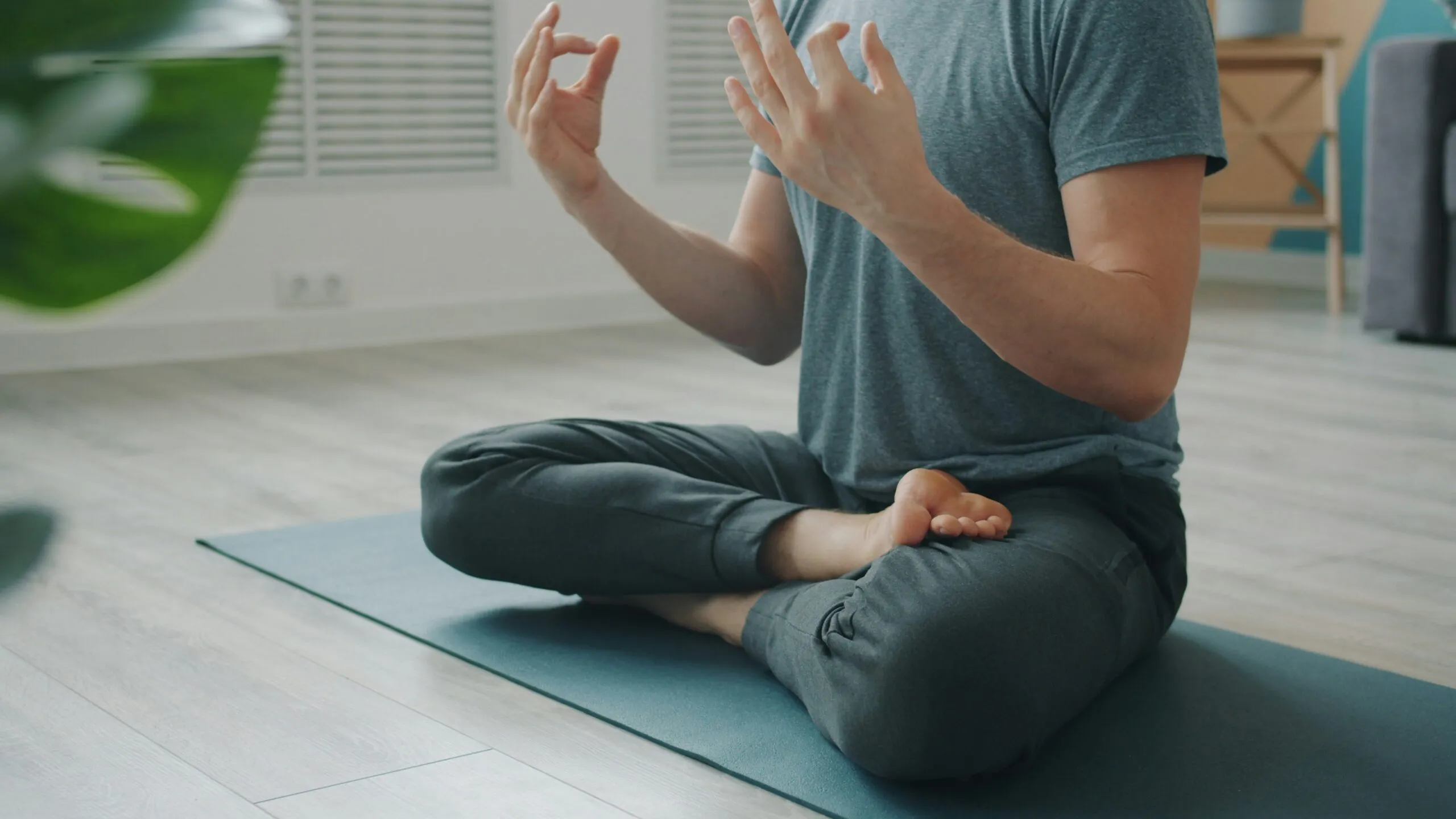
As we delve into the relationship between Christianity and restorative yoga, we find a beautiful intersection of faith and physical practice. Restorative yoga, with its emphasis on relaxation and healing, aligns seamlessly with the Christian principles of rest and renewal. In the Bible, we are reminded of the importance of taking time to rest, as seen in the creation story where God rested on the seventh day.
This divine example encourages us to embrace moments of stillness, allowing our bodies and minds to rejuvenate. By integrating restorative yoga into our spiritual lives, we can cultivate a deeper connection with God while nurturing our physical well-being. Moreover, restorative yoga invites us to slow down and listen to our bodies, fostering a sense of mindfulness that resonates with our Christian journey.
As we practice gentle stretches and supported poses, we create space for reflection and prayer. This practice not only enhances our physical health but also opens our hearts to God’s presence. In this way, restorative yoga becomes a sacred practice, allowing us to experience God’s love and grace in a tangible way.
By understanding this connection, we can approach our yoga practice as a form of worship, honoring both our bodies and our Creator.
The Role of Faith in the Healing Process
Faith plays a pivotal role in our healing journey, serving as a guiding light through the challenges we face. When we encounter physical or emotional pain, it is our faith that often provides the strength to persevere. In moments of vulnerability, we can turn to scripture for comfort and reassurance.
Verses like Philippians 4:13 remind us that we can do all things through Christ who strengthens us. This belief empowers us to confront our struggles head-on, knowing that we are not alone in our journey toward healing. Incorporating faith into our restorative yoga practice amplifies its healing potential.
As we move through poses, we can meditate on God’s promises and allow His words to wash over us. This integration of faith and physical movement creates a holistic approach to healing, addressing not only our bodies but also our spirits. By inviting God into our practice, we open ourselves up to His transformative power, allowing faith to guide us toward wholeness.
Together, we can experience the profound impact that faith has on our healing process.
Incorporating Biblical Principles into Restorative Yoga Practice

As we explore how to weave biblical principles into our restorative yoga practice, we discover a wealth of wisdom that can enhance our experience. One fundamental principle is the concept of surrender. In yoga, we learn to let go of tension and allow our bodies to relax into each pose.
Similarly, in our spiritual lives, we are called to surrender our worries and burdens to God. By embodying this principle on the mat, we can cultivate a deeper sense of trust in God’s plan for our lives. Another biblical principle that resonates with restorative yoga is the idea of gratitude.
As we move through our practice, we can take moments to express gratitude for our bodies and the ability to engage in this healing work. Psalm 100:4 encourages us to enter His gates with thanksgiving and His courts with praise. By incorporating gratitude into our practice, we shift our focus from what is lacking to what is abundant in our lives.
This shift in perspective not only enhances our yoga experience but also deepens our relationship with God.
The Power of Meditation and Prayer in Emotional Healing
Meditation and prayer are powerful tools for emotional healing, allowing us to connect with God on a deeper level. In restorative yoga, we often find ourselves in stillness, creating an ideal environment for meditation. As we settle into poses, we can focus on our breath and invite God’s presence into our hearts.
This practice of meditation helps us cultivate awareness of our thoughts and emotions, enabling us to process feelings that may have been buried deep within us. Prayer serves as a vital component of this emotional healing journey. When we bring our struggles before God in prayer, we acknowledge our need for His guidance and support.
In moments of stillness during restorative yoga, we can lift up our concerns and fears to Him, trusting that He hears us. This act of surrendering our burdens allows us to experience peace that surpasses all understanding (Philippians 4:7). Together, meditation and prayer create a powerful synergy that fosters emotional healing and strengthens our connection with God.
Overcoming Past Trauma Through Restorative Yoga
Restorative yoga offers a unique pathway for overcoming past trauma by creating a safe space for healing. Many of us carry emotional scars from experiences that have left us feeling broken or unworthy. Through gentle movement and mindful breathing, restorative yoga encourages us to reconnect with our bodies in a compassionate way.
This reconnection allows us to process trauma at a pace that feels safe and manageable. As we engage in restorative poses, we can visualize releasing the weight of past hurts and inviting healing into those wounded areas of our lives. The practice becomes an opportunity for transformation as we learn to embrace vulnerability and cultivate self-compassion.
By integrating prayer and scripture into this process, we can invite God’s healing touch into our journey. Together, we can find hope in the promise that God works all things together for good (Romans 8:28), even the painful experiences that have shaped us.
Cultivating a Spirit of Forgiveness and Compassion

Forgiveness is a cornerstone of the Christian faith, yet it can be one of the most challenging aspects of our spiritual journey. Restorative yoga provides an opportunity to cultivate a spirit of forgiveness and compassion toward ourselves and others. As we practice self-care through gentle movement, we learn to extend grace to ourselves for past mistakes or perceived shortcomings.
This self-forgiveness is essential for emotional healing and allows us to move forward with renewed strength. In addition to self-forgiveness, restorative yoga encourages us to reflect on relationships with others. As we settle into poses, we can meditate on those who may have hurt us or whom we need to forgive.
By inviting God into this process, we can seek His guidance in letting go of resentment and embracing compassion. Ephesians 4:32 reminds us to be kind and compassionate to one another, forgiving each other just as Christ forgave us. Together, we can foster an environment of love and understanding within ourselves and extend that grace outwardly.
Embracing Self-Care and Self-Acceptance in the Christian Faith
In a world that often prioritizes busyness over well-being, embracing self-care is essential for nurturing both body and spirit. Restorative yoga serves as a powerful reminder that taking time for ourselves is not selfish but rather an act of obedience to God’s call for rest. By prioritizing self-care through restorative practices, we honor the bodies He has given us and acknowledge their need for renewal.
Self-acceptance is another vital aspect of this journey. In Christ, we are reminded that we are fearfully and wonderfully made (Psalm 139:14). Embracing this truth allows us to let go of societal pressures or unrealistic expectations about ourselves.
As we engage in restorative yoga, we can celebrate our unique bodies and their capabilities without comparison or judgment. Together, let’s cultivate an attitude of self-love rooted in God’s unconditional acceptance.
Building a Community of Support and Encouragement through Christian Restorative Yoga Practices
As we embark on this journey of restorative yoga within the context of our Christian faith, building a supportive community becomes paramount. Engaging in group practices fosters connection and accountability among participants who share similar values and beliefs. Together, we can create an environment where individuals feel safe to explore their healing journeys while being uplifted by one another’s presence.
In this community, encouragement flows freely as we share testimonies of growth and transformation. We can pray for one another during challenging times and celebrate victories together—no matter how small they may seem. By fostering relationships rooted in love and support, we create a space where everyone feels valued and empowered on their path toward healing through restorative yoga practices.
In conclusion, as we explore the connection between Christianity and restorative yoga, it becomes clear that these practices complement one another beautifully. By integrating faith into our healing journeys—through meditation, prayer, forgiveness, self-care, and community—we can experience profound transformation in both body and spirit. Together, let’s embrace this holistic approach to wellness as we seek wholeness in Christ through restorative yoga.
In exploring the journey of emotional healing through restorative yoga, one might find it beneficial to also consider the impact of a serene environment on mental well-being. A related article that delves into creating a peaceful atmosphere is available at this link, where various interior design tips can enhance your space for relaxation and mindfulness.
FAQs
What is restorative yoga?
Restorative yoga is a gentle form of yoga that focuses on relaxation and healing through passive stretching and supported poses. It uses props like blankets, bolsters, and blocks to help the body fully relax and release tension.
How can restorative yoga benefit emotional healing?
Restorative yoga promotes deep relaxation, reduces stress, and calms the nervous system. This creates a safe space for emotional release and healing, helping individuals process feelings such as anxiety, grief, and trauma.
Why is restorative yoga suitable for Christians seeking emotional healing?
Restorative yoga’s emphasis on stillness and mindfulness can complement Christian practices like prayer and meditation. It encourages self-awareness and inner peace, which can support spiritual growth and emotional restoration in a faith-based context.
Is restorative yoga compatible with Christian beliefs?
Yes, restorative yoga is primarily a physical and mental practice focused on healing and relaxation. Many Christians find it compatible with their faith when approached as a tool for emotional well-being rather than a spiritual or religious practice.
How often should one practice restorative yoga for emotional healing?
Practicing restorative yoga regularly, such as 2-3 times per week, can be beneficial for emotional healing. Consistency helps maintain relaxation, reduce stress, and support ongoing emotional balance.
Can restorative yoga replace professional counseling or therapy?
Restorative yoga can be a helpful complementary practice but should not replace professional mental health treatment when needed. It is best used alongside counseling or therapy for comprehensive emotional healing.
What should a Christian expect during a restorative yoga session?
During a session, participants typically hold gentle, supported poses for several minutes while focusing on breath and relaxation. The environment is calm and quiet, encouraging mindfulness and a sense of peace.
Are there any precautions for Christians new to restorative yoga?
Christians new to restorative yoga should choose instructors who respect their faith and understand their emotional needs. It’s also important to communicate any physical limitations or emotional concerns before starting practice.