
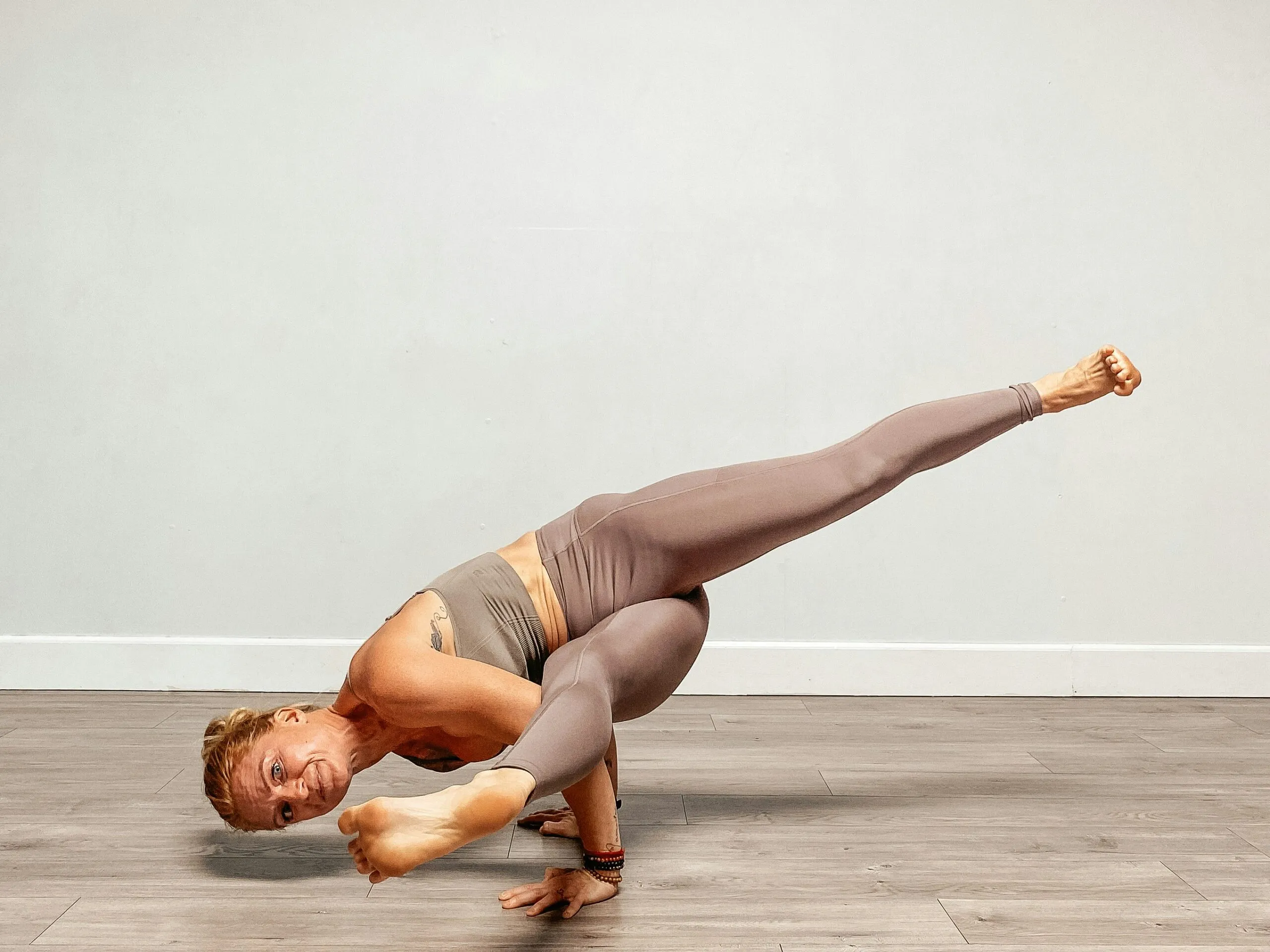
As we delve into the origins of Ashtanga Yoga, we find ourselves tracing back to the early 20th century, a time when the practice began to take shape under the guidance of a remarkable figure named K. Pattabhi Jois. He was a student of the legendary T.
Krishnamacharya, who is often referred to as the father of modern yoga. Together, they laid the groundwork for what would become a transformative practice that has influenced countless individuals around the globe. Jois established the Ashtanga system in Mysore, India, where he taught students the importance of a structured sequence of postures, breathing techniques, and meditation.
As we explore this rich history, we can’t help but appreciate how Ashtanga Yoga is deeply rooted in ancient texts, particularly the Yoga Sutras of Patanjali. These texts emphasize the eight limbs of yoga, which include ethical guidelines, physical postures, breath control, and meditation. Jois took these principles and crafted a dynamic practice that not only honors tradition but also adapts to the needs of modern practitioners.
This blend of ancient wisdom and contemporary application is what makes Ashtanga Yoga so compelling and relevant today.
The Ashtanga Yoga Sequence: Exploring the Primary Series and Beyond
When we step onto our mats for an Ashtanga practice, we are greeted by a meticulously designed sequence known as the Primary Series, or Yoga Chikitsa. This series serves as a foundation for our journey, focusing on detoxifying the body and aligning our physical structure. As we move through each posture, we begin to understand how every asana is interconnected, creating a flow that builds strength, flexibility, and balance.
The beauty of this sequence lies in its ability to challenge us while also providing a sense of stability and familiarity. As we progress beyond the Primary Series, we encounter the Intermediate Series, or Nadi Shodhana, which delves deeper into our energy channels. This series is not just about physical prowess; it invites us to explore our mental and emotional landscapes as well.
Each posture demands our full attention and commitment, pushing us to confront our limitations while simultaneously expanding our capabilities. The journey through these sequences is not merely about mastering poses; it’s about discovering who we are on and off the mat.
The Physical and Mental Challenges of Ashtanga Yoga: Why It’s Considered the Toughest Practice

As we engage with Ashtanga Yoga, we quickly realize that it is not for the faint of heart. The physical challenges are evident from the very first sun salutation. Each posture requires strength, flexibility, and endurance, often pushing us to our limits.
We find ourselves sweating profusely as we navigate through demanding sequences that test our physical capabilities. Yet, it’s not just our bodies that are challenged; our minds are equally put to the test. The practice demands unwavering focus and concentration, forcing us to confront distractions and cultivate a sense of presence.
The mental aspect of Ashtanga Yoga can be just as daunting as the physical challenges. We often grapple with self-doubt and frustration as we strive to achieve difficult postures. However, it is precisely in these moments of struggle that we discover our resilience.
Each time we return to our mats, we are reminded that growth comes from discomfort. This rigorous practice teaches us that perseverance is key—not just in yoga but in life itself. As we embrace these challenges, we begin to cultivate a deeper understanding of ourselves and our capabilities.
The Importance of Breath and Drishti in Ashtanga Yoga: How They Enhance the Practice
In Ashtanga Yoga, breath is not merely an afterthought; it is the very essence of our practice. As we move through each posture, we synchronize our breath with our movements, creating a rhythm that enhances our experience on the mat. This connection between breath and movement allows us to cultivate a meditative state, where we can fully immerse ourselves in the present moment.
The practice becomes a dance—a harmonious interplay between body and breath that fosters a sense of flow. Equally important is the concept of drishti, or gaze. By focusing our eyes on a specific point during each posture, we anchor ourselves in the present and minimize distractions.
This intentional gaze helps us maintain balance and stability while also fostering a sense of inner calm. Together, breath and drishti create a powerful synergy that elevates our practice beyond mere physicality. They remind us that yoga is not just about achieving postures; it’s about cultivating awareness and presence in every aspect of our lives.
The Role of Discipline and Commitment in Ashtanga Yoga: Understanding the Rigorous Nature of the Practice
As we embark on our Ashtanga journey, we quickly learn that discipline and commitment are essential components of this practice. The structured nature of Ashtanga requires us to show up consistently—both physically and mentally. Whether it’s waking up early for a morning practice or dedicating time to refine our technique, discipline becomes our guiding force.
It’s through this commitment that we begin to see progress, both in our physical abilities and in our understanding of yoga as a holistic practice. However, discipline does not mean rigidity; rather, it invites us to cultivate a sense of flexibility within our routines. We learn to listen to our bodies and honor their needs while still maintaining a commitment to our practice.
This balance between discipline and adaptability is what allows us to grow without pushing ourselves into injury or burnout. As we navigate this path, we discover that true commitment lies not just in perfecting postures but in embracing the journey itself—complete with its ups and downs.
The Benefits of Ashtanga Yoga: How It Can Transform Your Body, Mind, and Spirit

As we immerse ourselves in Ashtanga Yoga, we begin to experience profound transformations on multiple levels—physical, mental, and spiritual. Physically, the practice builds strength and flexibility while improving overall health and vitality. We notice increased energy levels and enhanced body awareness as we cultivate a deeper connection with ourselves.
The detoxifying effects of the Primary Series leave us feeling rejuvenated and invigorated. On a mental level, Ashtanga Yoga offers us tools for managing stress and anxiety. The combination of breathwork and movement creates a meditative state that calms the mind and fosters clarity.
We find ourselves better equipped to handle life’s challenges with grace and resilience. Spiritually, the practice encourages self-reflection and introspection, inviting us to explore our inner landscapes. Through this journey inward, we uncover layers of self-discovery that lead to greater authenticity and purpose.
Common Misconceptions About Ashtanga Yoga: Dispelling Myths and Clarifying Misunderstandings
As we share our experiences with Ashtanga Yoga, we often encounter misconceptions that can cloud understanding of this transformative practice. One common myth is that Ashtanga is only for advanced practitioners or those who are exceptionally fit. In reality, Ashtanga welcomes individuals of all levels—beginners included—who are willing to approach their practice with an open heart and mind.
The beauty lies in its adaptability; modifications can be made to accommodate various abilities while still honoring the essence of the practice. Another misconception is that Ashtanga is solely about physical postures. While the physical aspect is undeniably significant, it’s essential to recognize that yoga encompasses much more than just asanas.
The integration of breathwork, meditation, and philosophical teachings enriches our understanding of yoga as a holistic lifestyle rather than just an exercise routine. By dispelling these myths, we can invite more people into the transformative world of Ashtanga Yoga.
Tips for Practicing Ashtanga Yoga: How to Approach the Practice with Respect and Intention
As we embark on our Ashtanga journey, it’s crucial to approach the practice with respect and intention. One key tip is to establish a consistent routine that works for us—whether it’s practicing at home or attending classes with experienced teachers who can guide us through the sequences safely. Consistency fosters familiarity with the postures while allowing us to track our progress over time.
Additionally, cultivating patience is essential as we navigate this rigorous practice. We must remember that growth takes time; each individual’s journey is unique. Embracing where we are in our practice—without comparison—allows us to cultivate self-compassion and acceptance.
Finally, integrating mindfulness into our practice can enhance our experience significantly; by being present with each breath and movement, we deepen our connection to ourselves and the world around us. In conclusion, as we explore the multifaceted world of Ashtanga Yoga together, we uncover not only its rich history but also its profound impact on our lives. Through discipline, commitment, breath awareness, and an open heart, we embark on a transformative journey that transcends the mat—inviting us to embrace life with greater clarity and purpose.
For those interested in exploring the physical and mental challenges of Ashtanga Yoga, a related article that delves into the importance of maintaining a balanced diet to support such rigorous practice can be found here: The Role of Nutrition in Yoga Practice. This article highlights how proper nutrition can enhance performance and recovery, making it a valuable read for anyone looking to deepen their understanding of yoga and its complementary lifestyle choices.
FAQs
What is Ashtanga Yoga?
Ashtanga Yoga is a dynamic and physically demanding style of yoga that follows a specific sequence of postures, synchronized with breath. It was popularized by Sri K. Pattabhi Jois and is known for its rigorous practice and emphasis on strength, flexibility, and stamina.
Why is Ashtanga Yoga considered the toughest yoga practice?
Ashtanga Yoga is considered tough because it involves a fixed sequence of challenging postures performed in a continuous flow, requiring significant physical strength, endurance, flexibility, and mental focus. The practice also demands strict discipline and consistency.
How is the Ashtanga Yoga sequence structured?
The Ashtanga Yoga sequence is divided into six series: Primary, Intermediate, and four Advanced series. Each series increases in difficulty and complexity, with the Primary series focusing on foundational postures and the Advanced series requiring advanced strength and flexibility.
What are the key components of Ashtanga Yoga practice?
Key components include synchronized breathing (Ujjayi breath), vinyasa (flow between postures), drishti (focused gaze), and bandhas (internal energy locks). These elements work together to create a meditative and physically intense practice.
Who can practice Ashtanga Yoga?
While Ashtanga Yoga can be adapted for various fitness levels, it is generally recommended for individuals with a good level of physical fitness and prior yoga experience due to its intensity. Beginners should approach it gradually and consider guidance from a qualified instructor.
What are the benefits of practicing Ashtanga Yoga?
Benefits include improved strength, flexibility, cardiovascular health, mental focus, and stress reduction. The disciplined nature of the practice also promotes self-discipline and mindfulness.
Are there any risks associated with Ashtanga Yoga?
Due to its physically demanding nature, there is a risk of injury if postures are performed incorrectly or without proper preparation. It is important to practice under the guidance of an experienced teacher and listen to your body to avoid strain.
How often should one practice Ashtanga Yoga?
Traditionally, Ashtanga Yoga is practiced six days a week, with one rest day. However, frequency can be adjusted based on individual fitness levels and goals.
What equipment or space is needed for Ashtanga Yoga?
A yoga mat and comfortable clothing are typically sufficient. A quiet, open space that allows for movement and focus is ideal.
Can Ashtanga Yoga be combined with other forms of exercise?
Yes, Ashtanga Yoga can complement other forms of exercise by enhancing flexibility, strength, and mental focus. However, balancing intensity and recovery is important to prevent overtraining.