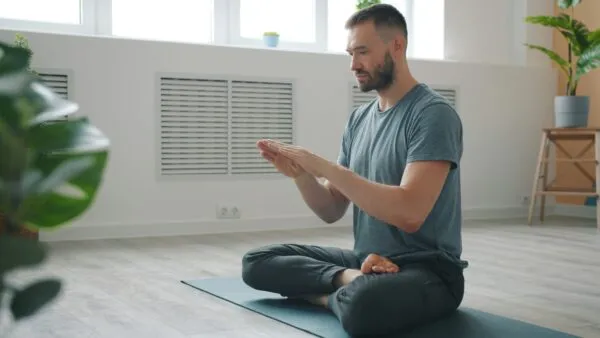

In a world that often feels chaotic and overwhelming, we find ourselves searching for ways to cultivate peace and positivity in our lives. One powerful tool that has emerged in recent years is the practice of gratitude rituals. These rituals serve as intentional moments where we pause, reflect, and acknowledge the things we appreciate in our lives.
By integrating gratitude into our daily routines, we can foster a deeper sense of connection to ourselves and the world around us. As we embark on this journey of exploration, we will uncover the transformative potential of gratitude and how it can enhance our overall well-being. Gratitude rituals can take many forms, from simple daily affirmations to elaborate ceremonies that celebrate the abundance in our lives.
They invite us to shift our focus from what we lack to what we have, creating a mindset that embraces positivity and appreciation. By establishing these rituals, we not only honor our experiences but also cultivate resilience against the challenges that life presents. As we delve deeper into the significance of gratitude, we will discover how these practices can lead to profound changes in our perspective and emotional health.
Key Takeaways
- Gratitude rituals help shift your mindset to a more positive perspective.
- Creating personalized gratitude practices makes the habit more meaningful.
- Incorporating gratitude into your morning routine sets a positive tone for the day.
- Expressing gratitude can help you overcome daily challenges more effectively.
- Regular gratitude practice offers lasting emotional and mental health benefits.
The Power of Gratitude in Shifting Perspective
When we consciously practice gratitude, we engage in a powerful mental shift that can alter our perception of reality. Instead of fixating on our problems or shortcomings, we begin to recognize the abundance that exists in our lives. This shift is not merely a fleeting feeling; it has the potential to reshape our thought patterns and emotional responses.
Research has shown that individuals who regularly practice gratitude experience lower levels of stress and anxiety, as well as increased feelings of happiness and contentment. By focusing on what we are thankful for, we create a buffer against negativity and cultivate a more optimistic outlook. Moreover, gratitude has the remarkable ability to enhance our relationships with others.
When we express appreciation for those around us, we strengthen our connections and foster a sense of community. This interconnectedness not only enriches our lives but also encourages a cycle of positivity that can ripple outward. As we acknowledge the contributions of others, we create an environment where kindness and support flourish.
In this way, gratitude becomes a catalyst for change, transforming not only our internal landscape but also the dynamics of our interactions with the world.
Creating Your Own Gratitude Ritual

As we consider the various ways to incorporate gratitude into our lives, it becomes essential to create a ritual that resonates with us personally. The beauty of gratitude rituals lies in their flexibility; they can be tailored to fit our unique preferences and lifestyles. We might start by setting aside a few moments each day to reflect on what we are grateful for, whether through journaling, meditation, or simply taking a quiet moment to breathe and appreciate the present.
The key is to make this practice consistent, allowing it to become a natural part of our daily routine. In crafting our own gratitude ritual, we can also explore creative expressions of appreciation. For instance, we might choose to create a gratitude jar, where we write down moments of thankfulness on slips of paper and place them inside.
Over time, this jar becomes a tangible representation of our blessings, serving as a reminder of the abundance in our lives. Alternatively, we could engage in acts of kindness as a form of gratitude, giving back to others as a way to honor the support we have received. By personalizing our rituals, we deepen our connection to gratitude and make it an integral part of who we are.
Incorporating Gratitude into Your Morning Routine
Mornings present a unique opportunity for us to set the tone for the day ahead. By incorporating gratitude into our morning routine, we can cultivate a mindset that prepares us for whatever challenges may arise. One simple yet effective practice is to begin each day by listing three things we are grateful for before getting out of bed.
This act not only shifts our focus but also instills a sense of purpose and positivity that can carry us through the day. Additionally, we might consider integrating gratitude into our morning rituals through mindfulness practices such as meditation or yoga. As we move through these activities, we can consciously acknowledge the sensations in our bodies and express appreciation for our health and vitality.
This mindful approach allows us to connect with ourselves on a deeper level while fostering an attitude of gratitude that permeates every aspect of our lives. By starting each day with intention and appreciation, we create a solid foundation for resilience and joy.
Using Gratitude to Overcome Challenges Throughout the Day
Life is filled with challenges that can easily derail our sense of well-being if we allow them to dominate our thoughts. However, by harnessing the power of gratitude during difficult moments, we can navigate these challenges with greater ease and grace. When faced with adversity, taking a moment to reflect on what we are grateful for can provide us with perspective and clarity.
It reminds us that even in tough times, there are still blessings to be found. For instance, if we encounter a stressful situation at work or experience conflict in our personal relationships, pausing to acknowledge the support systems in our lives can be incredibly grounding. We might think about friends or family members who have been there for us in the past or recall moments of joy that have shaped who we are today.
This practice not only helps us regain composure but also empowers us to approach challenges with a renewed sense of hope and determination.
Sharing Gratitude with Others

Gratitude is not just an individual practice; it thrives when shared with others. Expressing appreciation for those around us fosters deeper connections and strengthens relationships. Whether it’s through a heartfelt note, a simple “thank you,” or acts of kindness, sharing gratitude creates an atmosphere of positivity that benefits everyone involved.
When we take the time to acknowledge the contributions of others, we not only uplift them but also reinforce our own sense of belonging. Moreover, sharing gratitude can inspire others to adopt similar practices in their own lives. When we openly express appreciation, it encourages those around us to reflect on their own blessings and cultivate an attitude of gratitude.
This ripple effect can lead to a more compassionate and supportive community where kindness flourishes. By making gratitude a shared experience, we contribute to a culture that values connection and empathy.
Reflecting on Gratitude at the End of the Day
As the day comes to a close, taking time to reflect on what we are grateful for can be a powerful way to wind down and cultivate a sense of peace. This practice allows us to process our experiences and acknowledge the moments that brought us joy or comfort throughout the day. We might choose to journal about these reflections or simply take a few moments in silence to contemplate our blessings before drifting off to sleep.
Engaging in this nightly ritual not only enhances our overall well-being but also promotes better sleep quality. By focusing on positive thoughts before bedtime, we create an environment conducive to relaxation and restfulness. This practice serves as a gentle reminder that even amidst life’s challenges, there are always reasons to be thankful.
As we close each day with gratitude, we reinforce the habit of appreciation and set ourselves up for continued growth and positivity.
The Long-Term Benefits of Practicing Gratitude
The long-term benefits of practicing gratitude extend far beyond fleeting moments of happiness; they encompass profound changes in our overall mental and emotional health. Research has consistently shown that individuals who engage in regular gratitude practices experience increased levels of life satisfaction and decreased symptoms of depression and anxiety. By cultivating an attitude of appreciation over time, we build resilience against stressors and develop healthier coping mechanisms.
Furthermore, practicing gratitude can lead to improved physical health outcomes as well. Studies have indicated that individuals who express gratitude tend to engage in healthier behaviors such as regular exercise and better sleep patterns. This holistic approach to well-being reinforces the interconnectedness between mind and body, highlighting how positive emotions can influence physical health outcomes.
As we commit ourselves to a lifelong practice of gratitude, we unlock the potential for lasting transformation in every aspect of our lives. In conclusion, embracing gratitude rituals offers us an opportunity to shift our perspectives, deepen our connections with others, and cultivate resilience in the face of life’s challenges. By creating personalized rituals and incorporating gratitude into our daily routines, we can experience profound changes in our emotional well-being and overall quality of life.
As we share gratitude with others and reflect on our blessings at the end of each day, we contribute to a culture of appreciation that uplifts not only ourselves but also those around us. Ultimately, the long-term benefits of practicing gratitude serve as a testament to its transformative power—a gift that keeps on giving throughout our lives.
Incorporating a simple gratitude ritual into your daily routine can significantly enhance your overall positivity and well-being. For those interested in exploring more ways to improve their lifestyle, you might find the article on the effects of moderate wine consumption intriguing. It discusses the potential benefits of enjoying a glass of wine a day and how it can impact your body positively. You can read more about it in this article.
FAQs
What is a gratitude ritual?
A gratitude ritual is a regular practice or habit where an individual intentionally focuses on and acknowledges things they are thankful for. This can help foster a positive mindset and improve overall well-being.
How does practicing gratitude help maintain a positive attitude?
Practicing gratitude shifts attention away from negative thoughts and highlights positive aspects of life. This can increase feelings of happiness, reduce stress, and promote a more optimistic outlook throughout the day.
What are some simple ways to incorporate a gratitude ritual into daily life?
Simple methods include writing down three things you are grateful for each morning, mentally listing positive experiences before bed, or verbally expressing thanks to others. Consistency is key to making it an effective habit.
How long does it take to see benefits from a gratitude ritual?
Many people notice improvements in mood and outlook within a few days to weeks of regular practice. Long-term benefits include enhanced emotional resilience and greater life satisfaction.
Can a gratitude ritual be combined with other positive habits?
Yes, gratitude rituals can complement practices like meditation, journaling, or mindfulness exercises to further enhance mental and emotional well-being.
Is a gratitude ritual suitable for everyone?
Generally, yes. Gratitude rituals are simple, adaptable, and accessible to people of all ages and backgrounds. However, individuals experiencing severe mental health issues should consult a professional for personalized advice.
Do I need any special tools or materials to start a gratitude ritual?
No special tools are required. A notebook or journal can be helpful for writing, but gratitude can also be practiced mentally or verbally without any materials.
Can gratitude rituals improve relationships?
Yes, expressing gratitude regularly can strengthen relationships by fostering appreciation, empathy, and positive communication between individuals.