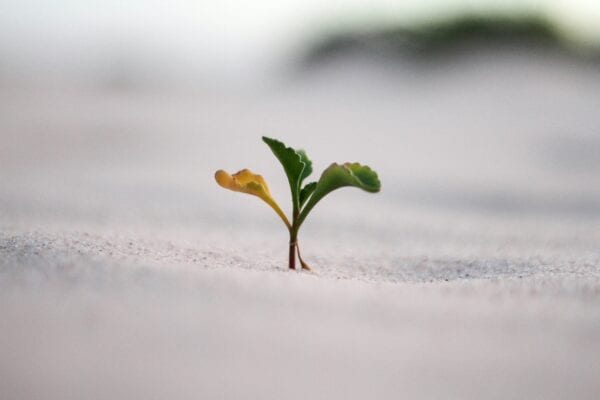
You stand at the precipice of a bustling world, a never-ending current pulling you in countless directions. Deadlines loom, notifications chime, and the sheer volume of information can feel overwhelming. Yet, within this maelstrom, there exists a profound stillness, a sanctuary you can cultivate within yourself. This sanctuary isn't a physical place; it's a state of being, a conscious decision to anchor yourself in the present moment. You see, embracing mindful moments in daily life isn't just a trend; it's a vital skill, a pathway to greater well-being, resilience, and a deeper appreciation for the tapestry of your existence.
Before you embark on any journey, you need to understand its core principles. Mindfulness, at its heart, is about paying attention, on purpose, to the present moment, without judgment. It’s about cultivating an awareness of your thoughts, feelings, bodily sensations, and the world around you, as they arise, and accepting them for what they are. This isn't about clearing your mind or achieving a state of blissful oblivion; rather, it's about observing your inner and outer landscape with a gentle curiosity.
Understanding the "Why" Behind Mindfulness
You might wonder why this is so important in your already packed schedule. The benefits, however, are far-reaching and deeply impactful. As Stephany Tlalka highlighted in January 2026, mindfulness practices offer tangible advantages like preventing depression relapses and even reducing healthcare visits. Think about it: a mind that is less reactive, more observant, and less prone to dwelling on past regrets or future anxieties is a healthier mind, a mind that is better equipped to navigate life's inevitable challenges. You'll find yourself responding to situations rather than merely reacting, making more thoughtful choices, and cultivating a sense of inner peace that transcends external circumstances.
Debunking Common Misconceptions
Perhaps you envision yourself sitting cross-legged for hours, chanting and burning incense. While formal meditation is a powerful practice, it’s not the sole gateway to mindfulness. You don't need a dedicated meditation cushion or an hour of uninterrupted silence. In fact, many of the most transformative mindful moments are woven into the fabric of your everyday life. You'll discover that mindfulness isn't about escaping reality; it's about fully engaging with it, seeing the extraordinary in the ordinary.
Integrating Micro-Practices into Your Routine
One of the most powerful ways you can begin to cultivate mindfulness is by weaving small, intentional moments into your daily routine. These "micro-practices," as described by Neurolutionary.org, are not demanding; they are gentle nudges that bring your attention to the present.
Mindful Breathing: Your Ever-Present Anchor
You have a powerful tool always at your disposal: your breath. It's a constant, rhythmic anchor that you can return to at any time. When you find yourself waiting in line at the grocery store, stuck in traffic, or even just during a brief pause between tasks, consciously bring your attention to your breath. Feel the cool air entering your nostrils, the slight expansion of your chest and abdomen, and the warm air leaving your body. This simple act of mindful breathing, even for a few seconds, can interrupt a cascade of worrisome thoughts and bring you back to the present. It's a quick reset button for your mind.
Engaging Your Senses: A Gateway to the Present
Your senses are powerful conduits to the present moment. Throughout your day, consciously engage them. When you drink your morning coffee or tea, don't just gulp it down. Notice the warmth of the mug in your hands, the inviting aroma, the rich taste on your tongue. When you walk, feel the ground beneath your feet, notice the colours and textures around you, listen to the ambient sounds. This isn't about analyzing; it's about simply experiencing. Plum Village, for instance, offers wonderful tips for walking meditation, encouraging you to sync your steps with your breath, relax your body, and engage all your senses to arrive fully in the present during your everyday strolls.
Mindful Movement: Beyond Formal Exercise
Beyond dedicated exercise, you can infuse mindfulness into your everyday movements. When you climb the stairs, notice the sensation in your leg muscles. When you wash your hands, feel the water, the soap, and the texture of your skin. Even simple actions like opening a door or putting on your shoes can become opportunities for mindful awareness if you bring your full attention to them. This helps to break the automatic pilot mode that often governs your actions, bringing a greater sense of intention and presence to everything you do.
Cultivating Gratitude and Self-Acceptance

Beyond simple awareness, mindfulness also fosters a deeper connection to your inner landscape, promoting qualities like gratitude and self-acceptance, which are crucial for your overall well-being.
The Power of Daily Gratitude
Nadine Kaslow, as shared in Emory Magazine (2023), emphasizes the profound impact of a daily gratitude practice. It's a simple, yet incredibly effective way to reduce stress and boost your well-being. Take a few deep breaths, then consciously reflect on three positive things that have happened in your day, no matter how small. Did you enjoy a delicious cup of coffee? Did you see a beautiful flower? Did a friend offer a kind word? Noticing these small joys shifts your perspective from what’s lacking to what’s abundant, fostering a more positive outlook that can significantly impact your mental and emotional state.
Embracing Self-Acceptance in All Circumstances
Life is a kaleidoscope of experiences, some wonderful, some challenging. It's during these challenging times that self-compassion and acceptance become paramount. Cheryl Jones, in her April 2026 meditation on Mindful.org, offers a powerful reminder to cultivate self-acceptance in any life circumstance, promoting balance amid stress. This means acknowledging your feelings, even the uncomfortable ones, without judgment. When you stumble, when you make a mistake, instead of berating yourself, offer yourself the same kindness and understanding you would offer a dear friend. This practice builds resilience and allows you to navigate difficulties with greater ease and inner strength.
Finding Inner Balance During Change
Change is an inevitable constant in your life. Whether it’s a new job, a relocation, or a shift in relationships, change can often feel unsettling. Susan Bauer-Wu, on Mindful.org in April 2026, guides a meditation specifically for finding inner balance during these periods of flux. Her wisdom encourages you to ground yourself in the present moment when the future feels uncertain. By focusing on your breath and the immediate sensations of your body, you can create a stable anchor within yourself, even when your external world feels like it's shifting beneath your feet. This practice allows you to embrace change with a sense of calm and adaptability.
Mindful Parenting: Nurturing Yourself and Your Children

If you are a parent, the demands and joys of raising children add another layer of complexity to your life. Mindful parenting isn't about being a perfect parent; it's about being a present and compassionate one.
Awareness as the First Step
GenMindful.com rightly emphasizes that awareness is the first step to mindful parenting. This means taking a moment to notice your own thoughts and emotions before reacting to your child's behavior. Are you feeling tired, frustrated, or overwhelmed? Recognizing these feelings allows you to respond more thoughtfully rather than impulsively. It gives you the space to choose your approach, fostering a calmer and more effective interaction with your children.
Practicing Self-Compassion as a Parent
Parenting can be incredibly demanding, and you will inevitably make mistakes. This is where self-compassion becomes crucial. Instead of dwelling on guilt or self-criticism, acknowledge your efforts, understand that you're doing your best, and forgive yourself for any perceived shortcomings. When you practice self-compassion, you model it for your children, teaching them the invaluable lesson that it's okay to be imperfect and that kindness starts from within. This creates a more supportive and understanding family environment for everyone.
Creating Mindful Moments with Your Children
You can also intentionally create mindful moments with your children. This could be as simple as spending a few minutes truly listening to them without interruption, engaging all your senses during a shared meal, or taking a "mindful walk" together where you both point out interesting things you see, hear, or smell. These shared moments deepen your connection and help your children develop their own capacity for present-moment awareness.
Dedicated Practice for Deeper Transformation
While micro-practices are excellent entry points, dedicating a few minutes each day to formal mindfulness practices can lead to deeper and more profound transformations.
Short Daily Meditations: A Powerful Catalyst
You might think you don't have time for meditation, but even 10 minutes a day can have a significant impact. The Jazz channel on YouTube features videos on daily 10-minute mindfulness routines that can transform your life, particularly for those recovering from PTSD, ADHD, and anxiety. These short, guided meditations offer a structured way to settle your mind, observe your thoughts, and cultivate a sense of inner calm. Consistency is key here; a few minutes every day is far more effective than an hour once a week.
Incorporating Mindfulness into Your Morning Routine
How you start your day often sets the tone for the hours that follow. Consider dedicating the first 10-15 minutes of your morning to a mindfulness practice. This could be a guided meditation, a period of silent contemplation, or a mindful movement practice like gentle stretching. By grounding yourself in the present before the demands of the day begin, you create a buffer against stress and cultivate a sense of clarity and focus that can positively impact your productivity and overall well-being.
Mindful Reflection at the End of Your Day
Just as a mindful start sets the tone, a mindful end to your day can help you process experiences and promote restful sleep. Before you go to bed, take a few minutes to reflect on your day. Not to judge or analyze, but simply to observe. What moments stood out? What emotions did you experience? What are you grateful for? This brief period of reflection allows you to release the day's stressors and transition into a more peaceful state, preparing your mind and body for restorative sleep.
The Long-Term Rewards of Your Mindful Journey
Embracing mindful moments in your daily life isn't a quick fix; it's a lifelong journey, a commitment to cultivating a deeper relationship with yourself and the world around you. As you consistently integrate these practices, you'll begin to notice profound shifts.
Increased Resilience and Emotional Regulation
You'll find yourself less reactive to stressors and more capable of navigating difficult emotions. Instead of being swept away by strong feelings, you'll develop the ability to observe them with a degree of detachment, allowing them to pass without getting stuck in their grip. This increased emotional regulation contributes significantly to your overall sense of well-being and stability.
Greater Clarity and Focus
A mindful mind is a focused mind. By regularly bringing your attention to the present moment, you strengthen your capacity for concentration. This translates into improved productivity in your work, deeper engagement in your relationships, and a heightened ability to learn and adapt. The mental chatter that often clouds your judgment begins to quiet, allowing for greater clarity in your thoughts and decisions.
A Deeper Appreciation for Life
Perhaps one of the most beautiful gifts of mindfulness is a heightened appreciation for the simple joys of life. When you are fully present, you notice the beauty in a sunset, the warmth of a hug, the taste of a delicious meal. You begin to experience life more richly, finding contentment and wonder in moments you might have previously hurried past. Your life isn't just happening to you; you are actively and consciously participating in it, savoring each precious moment.
You have the power within you to cultivate this sanctuary of presence. It's not about achieving perfection, but about embracing the practice, one mindful moment at a time. Begin today, wherever you are, with whatever you have. The journey you embark on will undoubtedly transform your experience of life, bringing you greater peace, resilience, and a profound sense of connection to yourself and the world.
FAQs
What is mindfulness?
Mindfulness is the practice of being fully present and engaged in the moment, without judgment or distraction. It involves paying attention to thoughts, feelings, bodily sensations, and the surrounding environment.
What are mindful moments?
Mindful moments are brief periods of time where individuals intentionally focus on the present moment, bringing their attention to their breath, bodily sensations, or the environment around them. These moments can help reduce stress and increase overall well-being.
How can I incorporate mindful moments into my daily routine?
You can incorporate mindful moments into your daily routine by setting aside specific times during the day to practice mindfulness, such as when you wake up, during meals, or before bed. You can also integrate mindfulness into everyday activities, such as walking, eating, or even washing dishes.
What are the benefits of practicing mindful moments?
Practicing mindful moments can lead to reduced stress, improved focus and concentration, better emotional regulation, and increased overall well-being. It can also help individuals develop a greater sense of self-awareness and compassion.
Are there different ways to practice mindful moments?
Yes, there are various ways to practice mindful moments, including meditation, deep breathing exercises, body scans, and mindful movement practices such as yoga or tai chi. Additionally, simply bringing awareness to everyday activities can also be a form of practicing mindfulness.