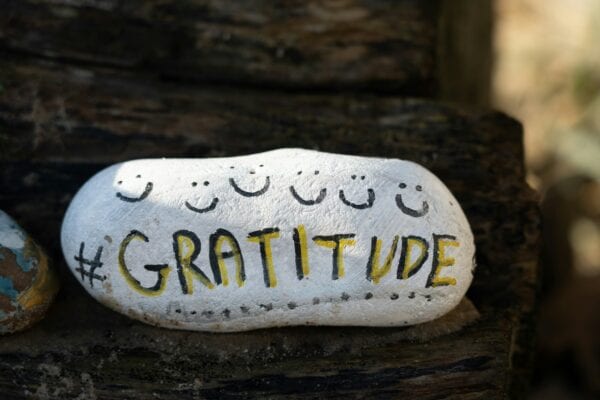

You woke up this morning, and the world felt like it was pressing down. Maybe your coffee tasted a little flat, or the news headlines just amplified the weight you already carried. Your to-do list seems to stretch forever. Everything just feels… heavy.
You know you should feel grateful. You’ve heard all about it. But today, that feels like a big ask. Like asking you to run a marathon when you can barely stand.
That’s okay. We’re not running a marathon today. We’re just taking one step.
When Gratitude Feels Impossible
Sometimes, the idea of gratitude feels like another burden. It feels like something you should do, another thing you’re failing at when life is already difficult. You might even feel a little guilty for not feeling it.
It’s easy to dismiss gratitude when everything is going wrong. Your mind wants to focus on what’s broken, what’s missing, what’s painful. That’s a natural response. Your brain is trying to protect you. But it can also get stuck in a loop.
You don’t have to ignore the hard stuff. You don’t have to pretend everything is perfect. Gratitude isn’t about denying reality; it’s about finding a small light in it.
In the article "Finding One Grateful Thought On A Heavy Day," the importance of cultivating gratitude during challenging times is emphasized. For further insights on how to enhance your mental well-being and navigate through tough days, you might find the related article on self-care strategies helpful. You can read it here: Self-Care Strategies for Tough Times.
Start So Small You Can’t Fail
When your day feels overwhelming, don’t aim for grand, sweeping gratitude. That's too much. Instead, aim for something tiny. So tiny, in fact, that it almost feels silly.
Think about one single thing. Not three, not five, just one. This isn’t about a life-altering revelation. It’s about a single, simple observation.
Is there a comfortable spot on your couch? A window that lets in a sliver of light? The fact that your phone charged overnight? One warm sip of tea?
These aren't profound things. They’re just things. And that’s exactly the point.
The Power of a Single Thought
Focusing on one small grateful thought isn’t about changing your entire mood instantly. It’s about creating a tiny crack. A small opening in the heavy curtain that feels pulled around your day.
When you acknowledge even one small good thing, you shift your focus, even if just for a moment. You’re telling your brain, "Hey, there’s something else here besides the struggle." This isn’t a magic cure. It’s a gentle redirection.
This tiny shift can loosen the grip of negativity, even if just a little. It’s like turning a very stubborn screw a quarter of a turn. It might not be out, but it’s no longer stuck fast.
Giving Yourself Grace
You won’t hit it every day. Some days, the heaviness will win, and that’s okay. Missing a day isn’t failure. It just means tomorrow is a new chance to try again.
Be kind to yourself. You are doing your best, even on the hardest days. There's no performance review for gratitude. There’s just the quiet practice of noticing.
Sometimes, the most grateful thing you can do is just acknowledge that you made it through. You weathered the storm. You're still here. That in itself is something to recognize.
In the quest to find positivity during challenging times, the article "Finding One Grateful Thought On A Heavy Day" offers insightful strategies to cultivate gratitude. Readers may also find inspiration in a related piece that explores the beauty of simple moments, such as the act of holding a flower, which can serve as a reminder of the small joys in life. You can read more about this uplifting perspective in the article found here.
Today’s Five-Minute Practice
For the next five minutes, I want you to do something simple. You can be sitting, standing, or walking. Just be present.
First, acknowledge how you’re feeling. If your day is heavy, say it to yourself: "This day feels heavy." Don't judge it; just state it.
Then, look around you. Pick one thing. Just one. It could be the texture of your shirt, the sound of a distant bird, the feeling of your feet on the floor. Anything.
Now, just for a moment, let yourself be grateful for that one thing. No need to force a big feeling. Just a quiet acknowledgment. "I'm grateful for this warm mug." "I'm grateful for the air I'm breathing."
Let that thought sit for a few seconds. That’s it. You've done it. You found one grateful thought on a heavy day.
You did good today. You showed up for yourself in a small but meaningful way. Keep going.
With gratitude,
Justin
FAQs
What is the article "Finding One Grateful Thought On A Heavy Day" about?
The article "Finding One Grateful Thought On A Heavy Day" discusses the importance of finding a single positive and grateful thought on difficult or challenging days. It emphasizes the impact of gratitude on mental well-being and provides tips for finding that one grateful thought.
Why is finding a grateful thought important on a heavy day?
Finding a grateful thought on a heavy day is important because it can help shift one's perspective from negativity to positivity. It can improve mental well-being, reduce stress, and increase resilience in facing challenges.
What are some tips for finding a grateful thought on a heavy day?
Some tips for finding a grateful thought on a heavy day include practicing mindfulness, focusing on small moments of joy or kindness, keeping a gratitude journal, and seeking support from others.
How does gratitude impact mental well-being?
Gratitude has been shown to have a positive impact on mental well-being by reducing stress, increasing positive emotions, improving self-esteem, and fostering resilience in the face of adversity.
Where can I find more information on practicing gratitude and improving mental well-being?
For more information on practicing gratitude and improving mental well-being, individuals can consult mental health professionals, read books or articles on the topic, and explore resources provided by reputable organizations such as the American Psychological Association or the National Alliance on Mental Illness.