
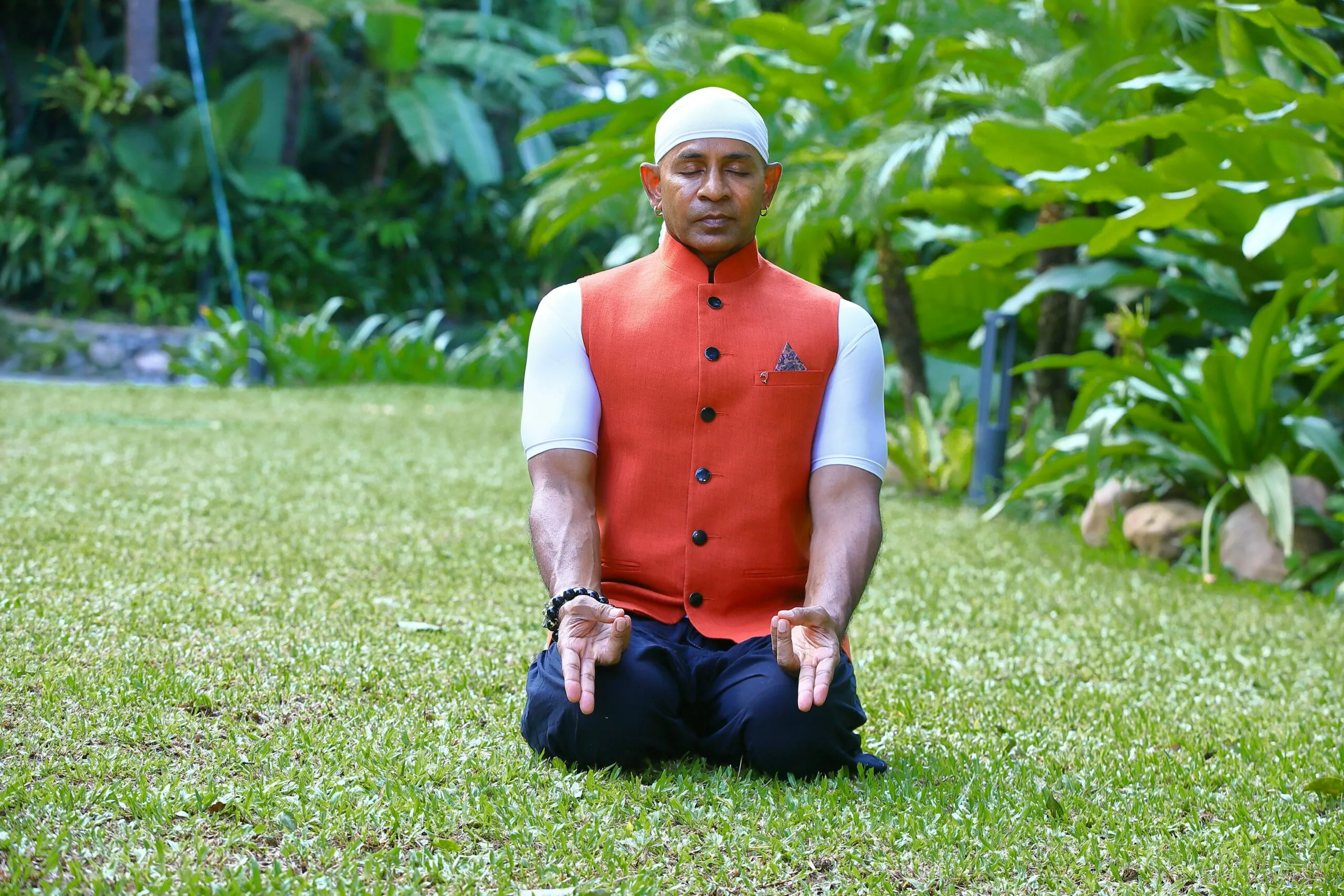
As we embark on our journey through the world of yoga, we find ourselves at a crossroads where two distinct yet complementary practices await us: Vinyasa and Yin Yoga. Each offers a unique approach to movement, breath, and mindfulness, inviting us to explore our bodies and minds in different ways. Vinyasa, often characterized by its dynamic flow and rhythmic transitions, encourages us to connect our breath with movement, creating a dance that invigorates both body and spirit.
On the other hand, Yin Yoga invites us to slow down, settle into stillness, and embrace the deeper layers of our being through long-held postures that target the connective tissues. In this exploration, we recognize that both practices serve as powerful tools for self-discovery and healing. As we delve deeper into the physical, mental, and emotional benefits of Vinyasa and Yin Yoga, we begin to understand how they can complement each other, offering us a holistic approach to wellness.
By embracing both styles, we can cultivate a balanced practice that nourishes our bodies and minds, allowing us to thrive in our daily lives.
Physical Benefits of Vinyasa Yoga
When we step onto our mats for a Vinyasa class, we are greeted by a vibrant energy that propels us into a series of flowing movements. This dynamic practice not only elevates our heart rates but also enhances our strength and flexibility. As we transition from one pose to another, we engage various muscle groups, building endurance and toning our bodies.
The continuous movement encourages blood circulation, which can lead to improved cardiovascular health and increased energy levels throughout the day. Moreover, Vinyasa Yoga offers us the opportunity to develop better body awareness. As we flow through sequences, we learn to listen to our bodies, recognizing areas of tension and tightness.
This heightened awareness allows us to make adjustments in our practice, ultimately leading to improved posture and alignment. Over time, we may notice that our physical capabilities expand; poses that once felt challenging become more accessible as we cultivate strength and flexibility. The physical benefits of Vinyasa extend beyond the mat, influencing how we carry ourselves in our daily activities.
Mental and Emotional Benefits of Vinyasa Yoga

Beyond the physical realm, Vinyasa Yoga serves as a sanctuary for our minds and emotions. The rhythmic nature of the practice encourages us to focus on our breath, creating a meditative state that calms the chatter of our thoughts. As we synchronize our movements with our inhalations and exhalations, we find ourselves immersed in the present moment.
This mindfulness practice can help reduce stress and anxiety, allowing us to cultivate a sense of inner peace. Additionally, Vinyasa Yoga fosters emotional resilience. As we navigate through challenging poses and sequences, we learn to embrace discomfort and uncertainty.
This process mirrors life’s challenges, teaching us how to remain grounded amidst chaos. We discover that it’s okay to feel vulnerable; it’s part of being human. By facing these moments on the mat, we build confidence in our ability to handle life’s ups and downs with grace and poise.
Physical Benefits of Yin Yoga
In stark contrast to the dynamic flow of Vinyasa, Yin Yoga invites us into a world of stillness and introspection. As we settle into long-held postures, often supported by props, we allow gravity to do its work on our bodies. This gentle approach targets the fascia—the connective tissue that surrounds our muscles—promoting flexibility and joint health.
Over time, we may notice increased range of motion in our joints as well as a greater sense of ease in our movements. Yin Yoga also encourages us to cultivate patience and acceptance within ourselves. The extended duration of each pose allows us to explore sensations without rushing through them.
We learn to breathe into tightness and discomfort, fostering a deeper connection with our bodies. This practice not only enhances physical flexibility but also teaches us the importance of surrendering to the present moment—a lesson that resonates far beyond the yoga studio.
Mental and Emotional Benefits of Yin Yoga
As we immerse ourselves in the world of Yin Yoga, we discover that its benefits extend well beyond the physical realm. The stillness inherent in this practice creates a space for introspection and self-reflection. In holding poses for several minutes at a time, we are invited to turn inward and explore our thoughts and emotions without distraction.
This process can lead to profound insights about ourselves, helping us uncover patterns or beliefs that may no longer serve us. Moreover, Yin Yoga provides an opportunity for emotional release. As we hold poses that target specific areas of tension in the body—such as the hips or lower back—we may find ourselves processing emotions that have been stored away for too long.
This cathartic experience can be both liberating and healing, allowing us to let go of what no longer serves us. In this way, Yin Yoga becomes a powerful tool for emotional well-being, helping us navigate life’s complexities with greater ease.
The Importance of Finding Balance

As we explore the unique benefits of both Vinyasa and Yin Yoga, it becomes clear that finding balance between these two practices is essential for holistic well-being. While Vinyasa energizes us and builds strength, Yin offers a counterbalance by promoting relaxation and introspection. Together, they create a harmonious relationship that nurtures both body and mind.
Incorporating both styles into our routine allows us to honor our individual needs on any given day. Some days may call for the invigorating flow of Vinyasa, while others may require the gentle embrace of Yin. By listening to our bodies and tuning into what we need in each moment, we cultivate a deeper understanding of ourselves.
This balance not only enhances our yoga practice but also enriches our lives outside the studio.
Choosing the Right Practice for You
As we navigate the world of yoga, it’s important to recognize that there is no one-size-fits-all approach. Each individual’s journey is unique, shaped by personal preferences, physical abilities, and emotional needs. When deciding between Vinyasa and Yin Yoga—or even considering incorporating both—it's essential to reflect on what resonates with us at this moment in time.
If we seek an energetic workout that challenges our strength and flexibility while providing an outlet for stress relief, Vinyasa may be the perfect fit. Conversely, if we find ourselves craving stillness and introspection amidst life’s chaos, Yin Yoga could offer the solace we need. Ultimately, it’s about honoring where we are on our journey and being open to exploring different practices as they align with our evolving selves.
Embracing the Benefits of Both Practices
In conclusion, as we embrace the benefits of both Vinyasa and Yin Yoga, we open ourselves up to a world of possibilities for growth and healing. Each practice offers its own unique gifts—Vinyasa igniting our energy and strength while Yin invites us into a space of stillness and reflection. By integrating both styles into our lives, we cultivate a balanced approach to wellness that nourishes not only our bodies but also our minds and spirits.
As we continue on this journey together, let us remember that yoga is not just about perfecting poses or achieving flexibility; it’s about connecting with ourselves on a deeper level. Whether we find ourselves flowing through a dynamic sequence or settling into a long-held pose, each moment on the mat is an opportunity for self-discovery and transformation. So let’s embrace both practices wholeheartedly, allowing them to guide us toward greater balance and harmony in all aspects of our lives.
In exploring the differences between Vinyasa and Yin Yoga, it's interesting to consider how these practices can complement a balanced lifestyle, especially for those who work from home. For more insights on creating a productive home environment, you can check out the article <a href='https://articles.livetastic.com/2024/08/06/the-ultimate-guide-to-working-from-home/'>The Ultimate Guide to Working from Home. This resource provides valuable tips that can enhance your daily routine, making it easier to incorporate both dynamic and restorative yoga practices into your life.
FAQs
What is Vinyasa yoga?
Vinyasa yoga is a dynamic style of yoga characterized by a continuous flow of postures synchronized with breath. It emphasizes movement, strength, and flexibility, often linking poses in a sequence that builds heat and endurance.
What is Yin yoga?
Yin yoga is a slow-paced style of yoga that involves holding passive poses for extended periods, typically 3 to 5 minutes or longer. It targets deep connective tissues, such as ligaments, joints, and fascia, promoting flexibility and relaxation.
How does Vinyasa yoga benefit the body?
Vinyasa yoga improves cardiovascular health, builds muscular strength, enhances flexibility, and increases stamina. The flowing sequences also help improve coordination and balance while promoting mental focus.
What are the main benefits of Yin yoga?
Yin yoga helps increase joint mobility, reduces stiffness, and promotes deep relaxation. It can improve circulation in connective tissues and supports stress reduction by activating the parasympathetic nervous system.
How do Vinyasa and Yin yoga differ in pace and intensity?
Vinyasa yoga is fast-paced and physically demanding, involving continuous movement and breath synchronization. Yin yoga is slow and gentle, with long-held poses that require minimal muscular effort.
Can Vinyasa and Yin yoga be practiced together?
Yes, many practitioners combine Vinyasa and Yin yoga to balance strength and flexibility. Vinyasa builds heat and muscle engagement, while Yin promotes relaxation and deep tissue stretching.
Which style is better for beginners?
Beginners may find Yin yoga more accessible due to its slower pace and less physically demanding nature. However, Vinyasa can also be suitable with modifications and guidance from a qualified instructor.
Does Vinyasa yoga help with stress relief?
Yes, the mindful breathing and movement in Vinyasa yoga can reduce stress and improve mental clarity, though it is generally more energizing compared to the deeply calming effects of Yin yoga.
Is Yin yoga suitable for people with injuries?
Yin yoga can be beneficial for injury recovery as it is low-impact and focuses on gentle stretching. However, individuals should consult a healthcare professional and modify poses as needed.
How often should one practice Vinyasa or Yin yoga?
Frequency depends on individual goals and fitness levels. Many practitioners do Vinyasa 2-4 times per week for strength and cardiovascular benefits, and Yin 1-3 times per week for flexibility and relaxation.