
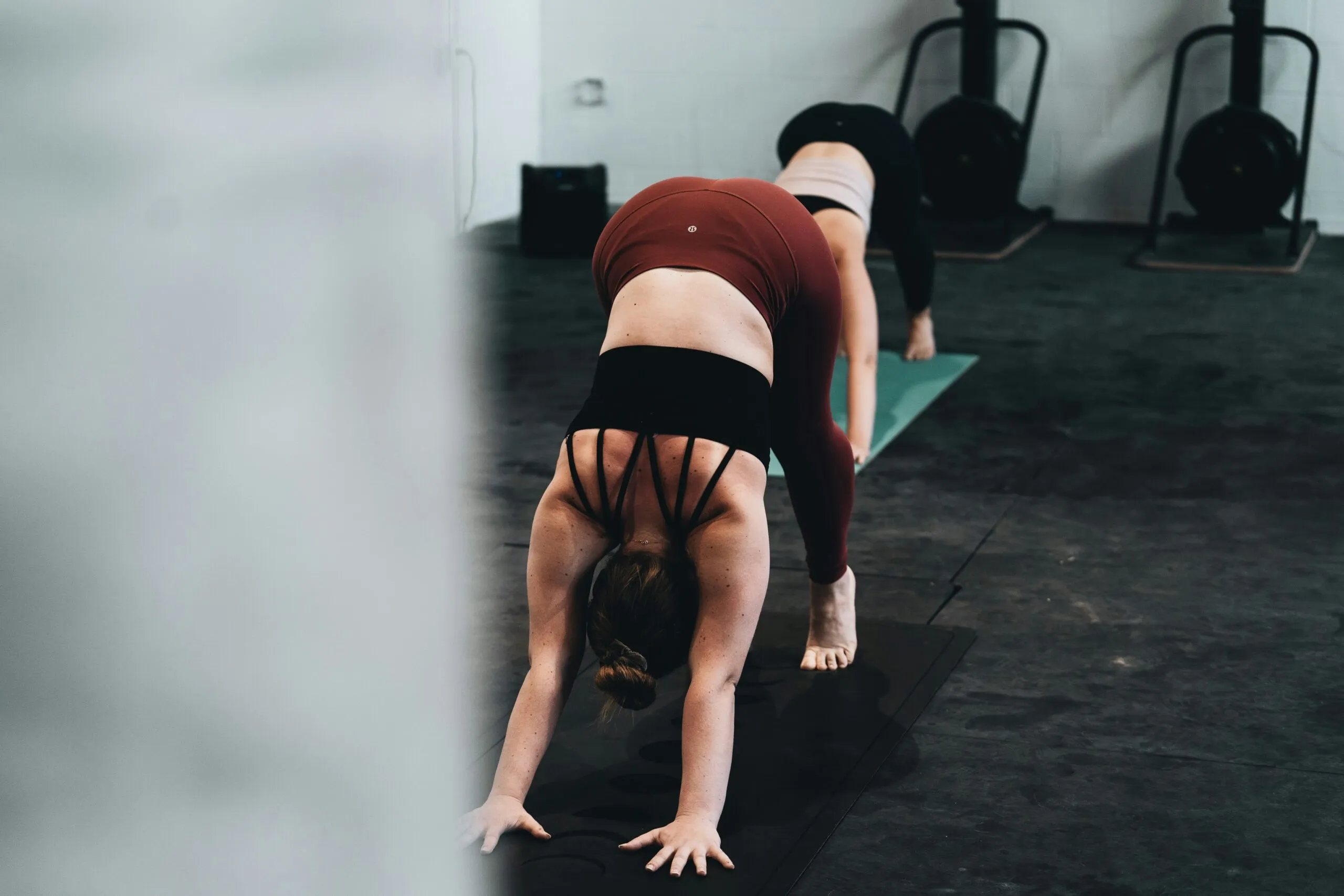
As we embark on our journey to explore the worlds of hot yoga and Pilates, we find ourselves immersed in two distinct yet complementary practices that have captured the hearts of fitness enthusiasts everywhere. Hot yoga, often practiced in a heated room, combines traditional yoga postures with the added challenge of heat, creating an environment that encourages flexibility, detoxification, and mindfulness. The warmth of the room not only enhances our ability to stretch but also promotes a deeper connection between our body and mind.
We can feel the sweat pouring down our faces as we flow through poses, each drop a testament to our commitment to self-improvement. On the other hand, Pilates offers a different approach to fitness, focusing on core strength, stability, and controlled movements. Developed by Joseph Pilates in the early 20th century, this method emphasizes precision and alignment, allowing us to engage our muscles in a way that promotes balance and coordination.
As we move through various exercises, we become acutely aware of our body mechanics, learning to control our movements with intention. Both hot yoga and Pilates offer unique benefits, and understanding these practices can help us make informed decisions about which one aligns best with our fitness goals.
The Benefits of Hot Yoga for Calorie Burning and Strength Building
When we step into a hot yoga class, we are not just entering a space filled with warmth; we are entering an arena where our bodies are pushed to their limits. The elevated temperature of the room elevates our heart rate, which can lead to increased calorie burning. Studies suggest that a typical hot yoga session can burn anywhere from 400 to 600 calories, depending on the intensity of the practice and our individual effort.
As we flow through poses like Downward Dog and Warrior II, we engage multiple muscle groups simultaneously, creating a full-body workout that challenges our strength and endurance. Moreover, hot yoga is not just about burning calories; it also fosters strength building. The resistance we encounter while holding poses against our body weight helps us develop lean muscle mass.
As we transition from one pose to another, we engage our core, arms, legs, and back, creating a balanced workout that sculpts our physique. The combination of heat and movement allows us to push ourselves further than we might in a traditional yoga class, leading to improved strength over time. We leave each session feeling invigorated and empowered, ready to tackle whatever challenges lie ahead.
The Benefits of Pilates for Calorie Burning and Strength Building

As we delve into the world of Pilates, we discover a practice that is equally effective for calorie burning and strength building but approaches these goals from a different angle. While Pilates may not generate the same level of sweat as hot yoga, it still offers a robust workout that can burn approximately 300 to 500 calories per hour. The key lies in the controlled movements and the focus on engaging our core muscles throughout each exercise.
By concentrating on precision rather than speed, we can maximize the effectiveness of each movement, ensuring that we are working hard even when it may not feel like it. In terms of strength building, Pilates excels at developing long, lean muscles without adding bulk. The emphasis on core stability translates into improved posture and alignment, which can enhance our overall physical performance in other activities.
As we progress through various exercises—such as the Hundred or the Teaser—we cultivate strength in our abdominal muscles, back, and limbs. This newfound strength not only supports our daily activities but also lays a solid foundation for other forms of exercise. We emerge from each Pilates session feeling stronger and more centered, ready to take on new challenges with confidence.
The Differences in Calorie Burning between Hot Yoga and Pilates
When we compare hot yoga and Pilates in terms of calorie burning, it becomes clear that both practices have their unique advantages. Hot yoga tends to lead the pack when it comes to sheer calorie expenditure due to the high temperatures involved. The heat elevates our heart rate and encourages us to work harder during each pose.
This means that for those of us looking to maximize calorie burn in a shorter amount of time, hot yoga may be the more effective choice. However, it’s essential to recognize that calorie burning is not the only metric that matters in our fitness journey. While Pilates may not burn as many calories per session as hot yoga, it offers a different kind of workout that emphasizes muscle engagement and control.
The slower pace allows us to focus on form and technique, which can lead to more significant long-term benefits in terms of strength and stability. Ultimately, the choice between hot yoga and Pilates for calorie burning may come down to personal preference and fitness goals.
The Differences in Strength Building between Hot Yoga and Pilates
As we explore the differences in strength building between hot yoga and Pilates, we find that each practice offers unique benefits tailored to different fitness objectives. Hot yoga provides an excellent full-body workout that challenges our muscles through dynamic movements and sustained holds. The heat allows us to deepen our stretches and engage more muscle fibers than we might in a cooler environment.
This can lead to improved strength over time as we learn to control our bodies in various poses. In contrast, Pilates focuses on core strength and stability through controlled movements that target specific muscle groups. The use of equipment like reformers or resistance bands can enhance this experience by providing additional resistance during exercises.
This targeted approach allows us to build strength in a way that promotes balance and alignment throughout our bodies. While hot yoga may lead to more immediate gains in strength due to its intensity, Pilates offers a sustainable path toward long-term strength development that can enhance overall physical performance.
Which Exercise is Better for Weight Loss?

When it comes to weight loss, both hot yoga and Pilates have their merits, but they cater to different aspects of the journey. Hot yoga’s higher calorie burn during sessions makes it an appealing option for those of us looking to shed pounds quickly. The combination of heat and movement creates an environment where we can push ourselves harder than usual, leading to significant calorie expenditure.
However, weight loss is not solely about burning calories; it also involves building lean muscle mass and maintaining a sustainable routine. Here is where Pilates shines. While it may not burn as many calories per session as hot yoga, its focus on core strength and stability can lead to improved metabolism over time.
By building lean muscle through Pilates, we create a body that burns more calories at rest. Ultimately, the best exercise for weight loss will depend on our individual preferences and how well each practice fits into our lifestyle.
Which Exercise is Better for Building Lean Muscle?
As we consider which exercise is better for building lean muscle, we find ourselves at an interesting crossroads between hot yoga and Pilates. Hot yoga certainly provides an excellent full-body workout that engages multiple muscle groups simultaneously. The dynamic nature of the practice encourages muscle engagement through various poses while promoting flexibility and balance.
However, when it comes to specifically targeting lean muscle development, Pilates takes the lead. Its emphasis on controlled movements allows us to isolate specific muscle groups effectively while maintaining proper alignment. This targeted approach helps us develop long, lean muscles without adding bulk—an appealing outcome for many fitness enthusiasts.
Additionally, the incorporation of resistance training through equipment like reformers can further enhance muscle-building potential in Pilates classes.
Considerations for Choosing Between Hot Yoga and Pilates
As we weigh our options between hot yoga and Pilates, several considerations come into play that can help guide our decision-making process. First and foremost is our personal fitness goals. If we are primarily focused on calorie burning and immediate weight loss results, hot yoga may be the more suitable choice due to its higher caloric expenditure during sessions.
On the other hand, if building core strength and improving overall stability are at the forefront of our minds, Pilates could be the better fit. Another factor to consider is our comfort level with heat and intensity. Some of us thrive in high-temperature environments where we can sweat it out during a vigorous hot yoga class, while others may prefer the controlled atmosphere of a Pilates studio where focus on form takes precedence over intensity.
Additionally, considering any physical limitations or injuries is crucial; both practices offer modifications but may cater differently depending on individual needs. Ultimately, whether we choose hot yoga or Pilates—or perhaps even incorporate both into our routine—what matters most is finding joy in movement and cultivating a practice that resonates with us personally. By understanding the unique benefits of each discipline, we empower ourselves to make informed choices that align with our fitness aspirations while fostering a deeper connection with our bodies along the way.
When considering the benefits of Hot Yoga versus Pilates, it's also interesting to explore how other lifestyle choices can impact your fitness routine. For instance, you might find it beneficial to read about how coffee shapes your daily routine in this article: How Coffee Shapes Your Daily Routine. Understanding the role of caffeine can help you optimize your energy levels for your workouts, whether you prefer the intensity of Hot Yoga or the strength-building aspects of Pilates.
FAQs
What is hot yoga?
Hot yoga is a style of yoga performed in a heated room, typically between 90 to 105 degrees Fahrenheit, designed to increase flexibility, detoxification, and cardiovascular workout.
What is Pilates?
Pilates is a low-impact exercise method focusing on core strength, flexibility, posture, and overall body conditioning through controlled movements and breathing techniques.
Which burns more calories: hot yoga or Pilates?
Hot yoga generally burns more calories per session than Pilates due to the elevated room temperature and continuous movement, which increases heart rate and energy expenditure.
Which builds more strength: hot yoga or Pilates?
Both hot yoga and Pilates build strength, but Pilates specifically targets core muscles and overall muscle tone through controlled resistance exercises, while hot yoga builds strength through bodyweight poses and endurance.
Is hot yoga suitable for beginners?
Hot yoga can be challenging for beginners due to the heat and intensity, but with proper guidance and hydration, beginners can participate safely.
Can Pilates help with injury recovery?
Yes, Pilates is often recommended for injury recovery and rehabilitation because it emphasizes controlled movements, alignment, and strengthening of stabilizing muscles.
Do I need special equipment for hot yoga or Pilates?
Hot yoga typically requires a yoga mat and towel, while Pilates may require a mat and sometimes specialized equipment like a reformer, though mat Pilates can be done with minimal equipment.
How often should I practice hot yoga or Pilates to see results?
Practicing either hot yoga or Pilates 2-3 times per week can lead to noticeable improvements in strength, flexibility, and calorie burn over time.
Are there any health risks associated with hot yoga?
Hot yoga may pose risks such as dehydration, heat exhaustion, or dizziness, especially for individuals with certain health conditions; it is important to stay hydrated and listen to your body.
Can hot yoga and Pilates be combined in a fitness routine?
Yes, combining hot yoga and Pilates can provide a balanced workout, enhancing flexibility, strength, and cardiovascular health.