
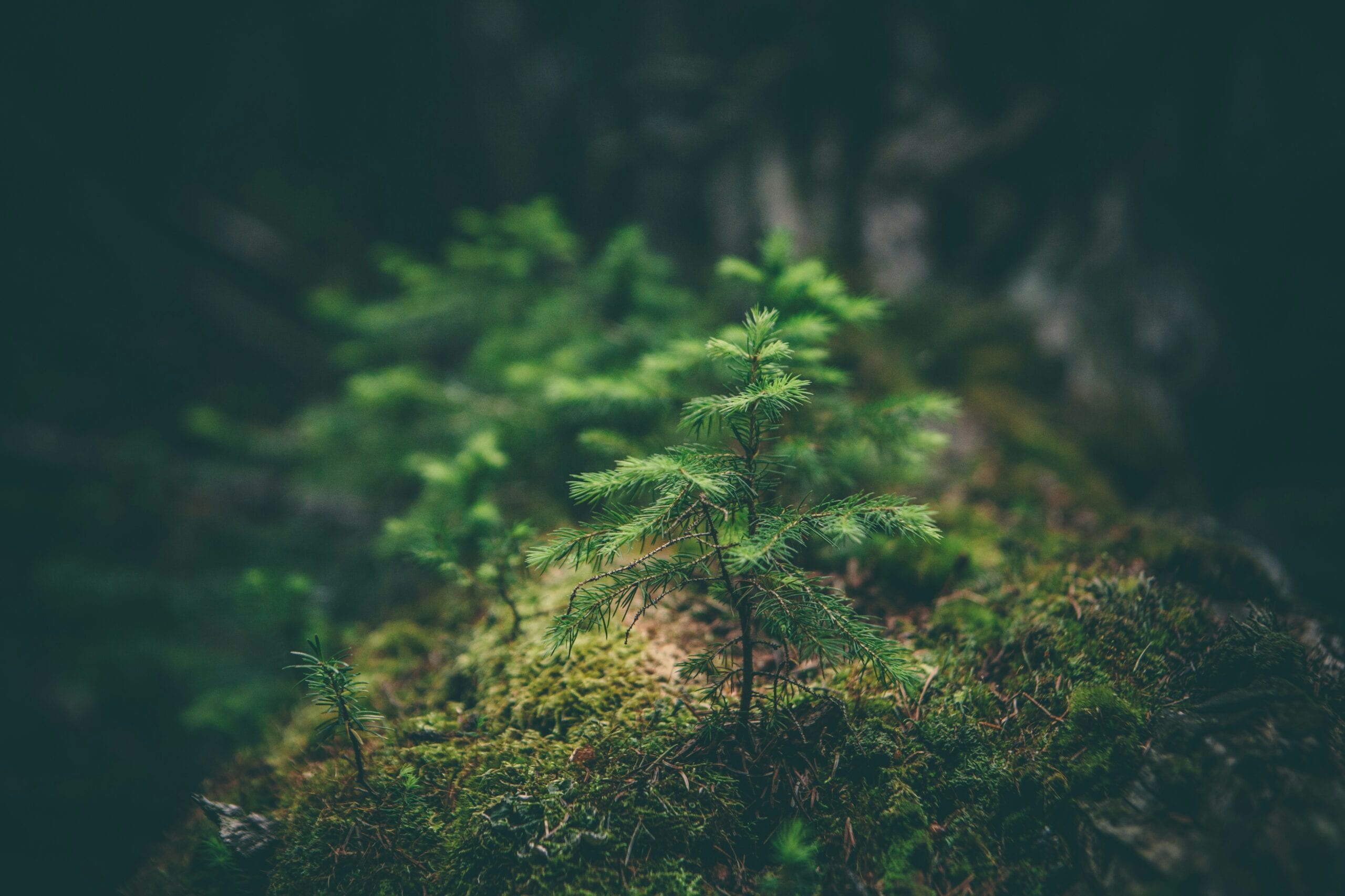
You know that feeling, right? That subtle hum of stress that seems to cling like static electricity, or the way the daily grind can sometimes feel like a treadmill you can't quite step off. Maybe you've been feeling a little disconnected, a bit adrift, unsure of how to reignite that spark of genuine joy. It's not just you. In our fast-paced, screen-dominated world, it’s easy to lose touch with something fundamental to our well-being: nature. But here’s the wonderful news: the cure for a lot of what ails our modern souls might just be a walk in the park, a moment sitting by a tree, or even tending a tiny herb garden on your windowsill.
Think back to a time you truly felt at peace. Was it gazing at a vast ocean, or listening to the rustling leaves in a dense forest? Chances are, nature played a starring role. It’s not a coincidence. Our brains, our bodies, our very essence are wired to thrive in natural environments. We’re not just talking about a vague sense of "good vibes" here; there's a growing body of scientific evidence that explains why nature has such a profound impact on our happiness. Let's delve into how you can tap into this incredible, free, and endlessly abundant source of joy.
The Science Behind Nature's Bliss: Why Green is Good for Your Gray Matter
You've probably heard the term "forest bathing" (or Shinrin-yoku, its Japanese origin). It gained popularity for a reason – it works! But what's actually happening in your brain and body when you immerse yourself in nature? It's more than just fresh air.
Your Brain on Nature: A Serotonin Symphony
When you step into a natural environment, something magical happens in your brain. Studies by researchers like Dr. Qing Li, a leading expert in forest medicine, have shown that spending time in nature, particularly forests, can significantly reduce levels of cortisol, the stress hormone. Imagine your brain letting out a collective sigh of relief! Simultaneously, it prompts the production of feel-good neurotransmitters like serotonin and dopamine, those natural mood elevators that leave you feeling calmer, happier, and more present. It’s like giving your brain a little spa treatment, soothing away the anxieties and inviting in tranquility.
Boosting Your Immune System: Nature's Little Helpers
It gets even better for your body. Ever heard of phytoncides? These are airborne chemicals emitted by plants and trees to protect themselves from insects and fungi. When we breathe them in, our bodies respond by increasing the number and activity of "natural killer" (NK) cells, a type of white blood cell that fights off viruses and tumor cells. This isn’t just about feeling good; it’s about becoming healthier, more resilient. So, that stroll through the woods isn't just enjoyable; it's a powerful preventative medicine, strengthening your natural defenses.
Practical Paths to Nature's Embrace: No Wilderness Required
Now, you might be thinking, "But I live in the city! I don't have a forest outside my door." And that's perfectly okay! You don't need to embark on an epic wilderness expedition to reap nature's benefits. Joy can be found in the smallest patch of green, if you know how to look for it.
Garden Therapy: Your Personal Oasis
Have you ever considered starting a small garden? Even a tiny container garden on your balcony or a windowsill herb garden can be incredibly therapeutic. The act of nurturing plants – feeling the soil, watching new shoots emerge, smelling the fresh earth – grounds you in the present moment. It's a tangible reminder of growth and renewal. Research, including studies published in the Journal of Environmental Horticulture, has consistently shown that gardening reduces stress and improves mood. It’s a slow, deliberate act that counters the hurry of our lives, offering a peaceful rhythm all its own.
- Actionable Step: Find a small pot, some good potting soil, and a packet of seeds (herbs like basil or mint are easy starts!). Commit to caring for it daily, even for just a few minutes. Observe its changes.
Mindful Moments Outdoors: The Art of Slowing Down
It's not just about being in nature; it's about how you're in nature. Mindful walking, or a simple practice of noticing, can transform an ordinary park visit into a profound experience. Instead of rushing through your walk with headphones on, try truly engaging your senses.
- What do you see? The intricate patterns of a leaf, the texture of tree bark, the vibrant colors of a flower.
- What do you hear? The chirping of birds, the rustle of leaves, the distant hum of insects.
- What do you smell? The earthy scent after rain, the fragrance of blossoms, the fresh air.
- What do you feel? The sun on your skin, the breeze against your face, the ground beneath your feet.
This intentional focus pulls you out of your head and into the present, interrupting rumination and fostering a sense of peaceful awareness. It’s a form of active meditation that doesn't require a cushion or quiet room, just your willingness to connect.
Cultivating Connection: Nature as a Social Catalyst
You might think of nature as a solitary escape, and while it certainly can be, it's also a powerful tool for fostering connection – both with others and with a larger sense of purpose.
Shared Experiences: Building Bonds Outdoors
Have you ever noticed how easy it is to strike up a conversation with someone while walking a dog in a park, or hiking a trail? Nature provides a neutral, calming backdrop for human interaction. Group activities like community gardening, nature photography walks, or simply walking with a friend in a beautiful outdoor setting, can strengthen relationships and reduce feelings of isolation. When we share moments of awe and wonder found in nature, it creates a powerful shared memory and a bond that goes beyond superficial conversation.
- Story Time: My friend Sarah was struggling with social anxiety after moving to a new city. She decided to join a local trail clean-up group. At first, she was nervous, but the shared purpose of caring for the environment quickly broke down barriers. She found herself chatting easily with strangers, laughing over muddy mishaps, and leaving each session not only with a cleaner trail but with a lighter heart and new connections.
Finding Your Purpose: Stewardship and Belonging
Engaging with nature can also help you discover or deepen a sense of purpose. When you take an active role in protecting or nurturing the natural world, whether it's through volunteering for a conservation group, participating in a clean-up, or simply educating yourself about local ecosystems, you tap into something larger than yourself. This sense of stewardship provides meaning and contributes to a feeling of belonging – belonging to a community, belonging to the earth. Scientific studies confirm that contributing to something meaningful positively impacts mental well-being and happiness.
Awe and Wonder: Nature's Gift of Perspective
One of the most profound ways nature boosts joy is by inspiring awe. Have you ever stood at the edge of a vast canyon, gazed up at a starry night sky, or watched a powerful waterfall? That moment when your breath catches, and you feel simultaneously tiny and connected to something immense – that's awe.
Shifting Your Perspective: From Self to Something Greater
Research from psychologists like Dacher Keltner at UC Berkeley shows that experiences of awe can diminish our sense of self-importance and foster a greater connection to the world and others. When you experience awe, your petty worries and anxieties often shrink in comparison to the grandeur surrounding you. This shift in perspective can be incredibly liberating, reminding you that there's so much more to life than the immediate stresses. It's a reminder of the beauty and resilience of the world, fostering gratitude and hope.
- Example: On a recent trip, I hiked to a mountain overlook just as the sun was rising. The valley below was blanketed in mist, and the sky exploded into a symphony of pinks and oranges. In that moment, all the deadlines, emails, and small frustrations of the week simply melted away. I felt a profound sense of peace and, more importantly, a renewed sense of possibility. It wasn't just a pretty view; it was a re-calibration of my entire outlook.
Intentional Integration: Weaving Nature into Your Daily Life
You don't need to live off the grid to make nature a central part of your well-being strategy. The key is intentionality – consciously weaving nature into the fabric of your everyday life.
Bringing the Outside In: Greenery for Your Home and Workspace
If stepping outside isn't always an option, bring nature indoors! Houseplants don't just look pretty; they improve air quality and have been shown to reduce stress and boost concentration. Even a small plant on your desk can make a difference. Consider adding a small water feature for the calming sound of trickling water, or swapping out your alarm clock for a sunrise simulation light that mimics natural light. Create a "green corner" in your home where you can sit and read, surrounded by plants and natural light.
- Actionable Step: Get one new houseplant this week. Research which plants thrive in your indoor environment (e.g., snake plant, ZZ plant for low light; pothos for easy care). Place it where you’ll see it often.
Nature Prescriptions: Scheduling Your Dose of Green
Just as you schedule a workout or a doctor's appointment, consider "prescribing" yourself regular doses of nature. Block out 15-30 minutes in your calendar for a walk in a local park, a mindful moment in your backyard, or even just sitting by a window and observing the clouds. Consistency is key. It might feel like another item on your to-do list at first, but soon it will become a cherished ritual that you look forward to. Think of it as non-negotiable self-care.
It’s about making a conscious choice to prioritize your well-being, knowing that nature is a powerful, gentle ally in your pursuit of a happier, more fulfilling life. You have the power to infuse your days with more joy, and often, all it takes is stepping outside, or bringing a piece of the outside in.
Reflection Questions to Ponder:
- When was the last time you truly felt connected to nature? What were you doing, and how did it make you feel?
- What small, accessible natural space exists near your home or work that you could visit more often?
- What's one aspect of nature (a sound, a sight, a smell) that immediately brings you a sense of peace or joy?
- How might you intentionally weave a "nature break" into your daily routine this week?
- What's one way you could bring more greenery or natural elements into your living or working space?
Simple Action Steps You Can Implement Today:
- Step Outside for 5 Minutes: Even if it’s just your backyard or front porch, take five minutes to simply stand and observe. Notice the sky, the air, any sounds you hear.
- Look Out a Window Mindfully: Take a dedicated moment (even 60 seconds!) to simply look out a window. What do you see? What patterns, colors, or movements do you notice? Avoid multitasking.
- Appreciate a Green Thing: Find a plant (indoors or out) and truly appreciate its beauty. Touch a leaf, admire its shape, notice its color. Express silent gratitude for its existence.
FAQs
What are some ways that nature can increase joy?
Spending time in nature has been shown to reduce stress, improve mood, and increase feelings of happiness and well-being. Activities such as hiking, gardening, or simply spending time outdoors can all contribute to increased joy.
How does nature impact mental health?
Research has shown that spending time in nature can reduce symptoms of anxiety and depression, improve attention and focus, and increase feelings of calm and relaxation. Nature can also provide a sense of connection and purpose, which can contribute to overall mental well-being.
What is the connection between nature and physical health?
Spending time in nature has been linked to lower blood pressure, reduced inflammation, and improved immune function. Additionally, engaging in outdoor activities such as walking, biking, or swimming can contribute to overall physical fitness and well-being.
Can nature improve overall quality of life?
Yes, spending time in nature has been associated with improved overall quality of life. Whether it's through increased social connections, enhanced physical and mental health, or simply finding joy and beauty in the natural world, nature can have a positive impact on various aspects of life.
How can individuals incorporate more nature into their daily lives?
There are many ways to incorporate nature into daily life, such as taking regular walks in a nearby park, spending time gardening or tending to indoor plants, or planning outdoor activities with friends and family. Simply taking time to notice and appreciate the natural world around us can also contribute to increased joy and well-being.