
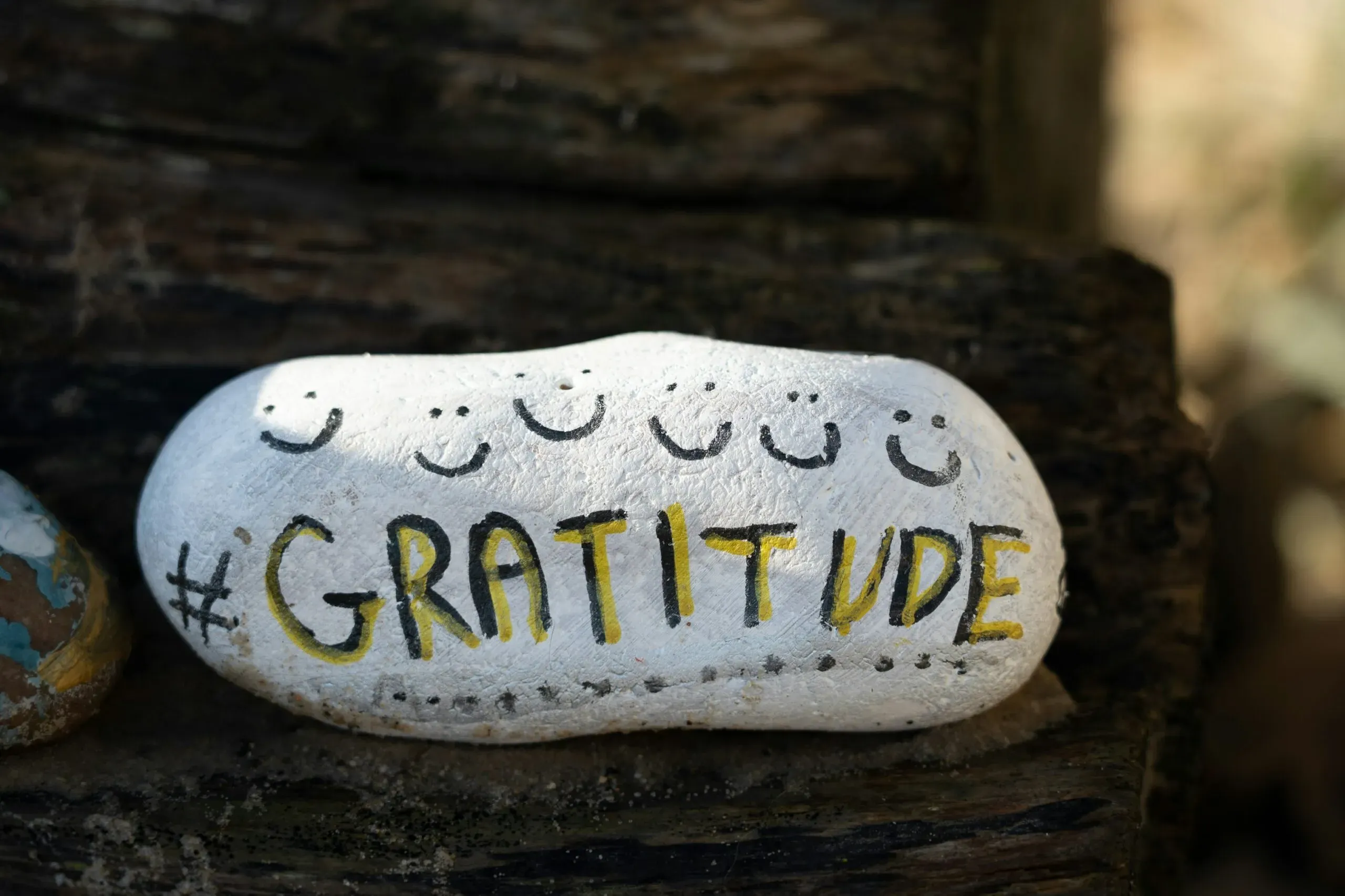
Gratitude is a powerful emotion that can transform our lives in profound ways. When we take a moment to reflect on the things we appreciate, we shift our focus from what we lack to what we have. This simple act can create a ripple effect, enhancing our overall well-being and fostering a sense of connection with others.
We often underestimate the impact of gratitude, but it serves as a reminder of the abundance that exists in our lives, even amidst challenges. By acknowledging the positive aspects of our experiences, we cultivate a mindset that is more resilient and open to joy. Moreover, gratitude has the potential to strengthen our relationships.
When we express appreciation to those around us, we not only uplift their spirits but also reinforce our bonds with them. This exchange of gratitude fosters a sense of belonging and community, which is essential for our emotional health. As we practice gratitude, we become more attuned to the kindness and support we receive from others, creating a cycle of positivity that enriches our interactions.
In this way, gratitude becomes a bridge that connects us to the world and to each other, reminding us that we are never truly alone.
Key Takeaways
- Gratitude has a profound impact on mental well-being by promoting positive emotions and reducing stress.
- Anxiety is often triggered by negative thought patterns, which gratitude can help counteract.
- Practicing gratitude rewires the brain to focus more on positive experiences and less on anxiety.
- Daily gratitude exercises, such as journaling or mindful reflection, enhance emotional resilience.
- Combining gratitude with mindfulness strengthens a grateful mindset and improves overall stress management.
Understanding Anxiety and Its Triggers
Anxiety is a complex emotional response that many of us experience at various points in our lives. It can manifest as feelings of unease, worry, or fear, often accompanied by physical symptoms such as increased heart rate or tension. Understanding the triggers of anxiety is crucial for managing it effectively.
Common triggers can include stress from work, personal relationships, or significant life changes. By identifying these triggers, we can begin to develop strategies to cope with them and reduce their impact on our daily lives. In addition to external factors, anxiety can also stem from internal sources such as negative thought patterns or past experiences.
We may find ourselves ruminating on past mistakes or worrying excessively about future events, which can exacerbate feelings of anxiety. Recognizing these patterns is the first step toward breaking free from their grip. By cultivating self-awareness and understanding the root causes of our anxiety, we empower ourselves to take control of our emotional landscape and seek healthier coping mechanisms.
How Gratitude Rewires the Brain

Research has shown that practicing gratitude can lead to significant changes in our brain's structure and function.
When we engage in gratitude exercises, such as keeping a gratitude journal or expressing appreciation to others, we activate areas of the brain associated with positive emotions and reward processing.
This activation not only enhances our mood but also encourages the formation of new neural pathways that reinforce feelings of happiness and contentment.
Over time, these changes can lead to a more optimistic outlook on life. Furthermore, gratitude has been linked to increased levels of serotonin and dopamine—neurotransmitters that play a crucial role in regulating mood and emotional well-being. By regularly practicing gratitude, we can create a positive feedback loop in our brains that encourages us to seek out and appreciate the good in our lives.
This shift in perspective can help us combat negative thought patterns and reduce symptoms of anxiety and depression. As we rewire our brains through gratitude, we cultivate a more resilient mindset that allows us to navigate life's challenges with greater ease.
Incorporating Daily Gratitude Practices
Incorporating daily gratitude practices into our lives doesn't have to be complicated or time-consuming. Simple rituals can make a significant difference in how we perceive our day-to-day experiences. One effective method is to start each morning by listing three things we are grateful for.
This practice sets a positive tone for the day ahead and encourages us to focus on the good rather than dwelling on potential stressors. By making this a habit, we train our minds to seek out positivity in even the most mundane moments. Another powerful practice is to keep a gratitude journal.
Taking just a few minutes each evening to reflect on the day's events and jot down what we appreciated can help solidify those positive feelings. This act of writing not only reinforces our gratitude but also serves as a valuable record that we can revisit during challenging times. When we look back at our entries, we are reminded of the abundance in our lives, which can provide comfort and perspective when faced with difficulties.
Gratitude as a Tool for Stress Management
Stress is an inevitable part of life, but how we respond to it can make all the difference in our overall well-being. Gratitude serves as an effective tool for managing stress by shifting our focus away from what is causing us anxiety and toward what brings us joy. When we consciously practice gratitude during stressful moments, we create space for positive emotions to emerge, which can help counterbalance feelings of overwhelm.
Additionally, expressing gratitude can foster resilience in the face of stressors. When we acknowledge the support and kindness of others during tough times, we reinforce our social connections and build a network of support that can help us navigate challenges more effectively. This sense of community not only alleviates stress but also reminds us that we are not alone in our struggles.
By embracing gratitude as a coping mechanism, we empower ourselves to face life's pressures with greater confidence and grace.
The Link Between Gratitude and Positive Emotions

The relationship between gratitude and positive emotions is well-documented in psychological research. When we practice gratitude, we naturally cultivate feelings of joy, contentment, and satisfaction. These positive emotions not only enhance our overall mood but also contribute to improved mental health outcomes.
As we focus on what we appreciate in our lives, we create an upward spiral of positivity that can lead to increased resilience and well-being. Moreover, experiencing positive emotions through gratitude can broaden our perspective and encourage us to engage more fully with life. When we feel grateful, we are more likely to seek out new experiences, connect with others, and pursue activities that bring us joy.
This expansion of our emotional landscape allows us to embrace life with open arms and fosters a sense of fulfillment that enriches our existence. By nurturing gratitude, we unlock the door to a more vibrant and meaningful life.
Gratitude and Mindfulness
Gratitude and mindfulness are two practices that complement each other beautifully. Mindfulness encourages us to be present in the moment, while gratitude invites us to appreciate those moments fully. When we combine these two practices, we create a powerful synergy that enhances our overall well-being.
By being mindful of our surroundings and experiences, we become more attuned to the beauty and richness of life, making it easier to cultivate feelings of gratitude. Practicing mindfulness allows us to observe our thoughts and emotions without judgment, creating space for gratitude to emerge naturally. For instance, during moments of stress or anxiety, taking a few deep breaths and grounding ourselves in the present can help us recognize the small blessings around us—whether it's the warmth of sunlight on our skin or the laughter of a loved one nearby.
By integrating mindfulness into our gratitude practice, we deepen our appreciation for life's fleeting moments and foster a greater sense of peace within ourselves.
Tips for Cultivating a Grateful Mindset
Cultivating a grateful mindset requires intention and practice, but it is entirely achievable for all of us. One effective tip is to create visual reminders of gratitude in our environment. This could be as simple as placing sticky notes with affirmations or reminders around our home or workspace.
These visual cues serve as prompts to pause and reflect on what we appreciate throughout the day. Another helpful strategy is to share our gratitude with others regularly. Whether it's through verbal expressions or written notes, letting people know how much they mean to us reinforces our connections and spreads positivity.
Additionally, engaging in acts of kindness can amplify feelings of gratitude; when we give back to others, we often find ourselves feeling more appreciative of what we have. Ultimately, cultivating a grateful mindset is an ongoing journey that requires patience and commitment. By incorporating these practices into our daily lives, we can foster a deeper sense of appreciation for ourselves and the world around us.
As we embrace gratitude as a way of life, we unlock the potential for greater happiness and fulfillment in every moment.
In exploring the benefits of daily gratitude in managing anxiety, you may find it insightful to read the article on the importance of mindfulness in everyday life. This article complements the discussion in "How Daily Gratitude Stops Anxiety Before It Starts" by highlighting how being present and appreciating small moments can further enhance mental well-being. You can check it out [here](https://articles.livetastic.com/2024/07/22/grayscale-photo-of-a-person-holding-a-flower/).
FAQs
What is daily gratitude?
Daily gratitude is the practice of regularly acknowledging and appreciating the positive aspects of life. This can involve reflecting on things you are thankful for each day, either mentally, verbally, or through journaling.
How does daily gratitude help reduce anxiety?
Daily gratitude helps reduce anxiety by shifting focus away from worries and negative thoughts. It promotes a positive mindset, which can decrease stress hormones and improve emotional resilience, making it easier to manage anxious feelings.
Can practicing gratitude prevent anxiety from developing?
While daily gratitude may not completely prevent anxiety disorders, it can help stop anxiety before it starts by fostering a more optimistic outlook and reducing the frequency and intensity of anxious thoughts.
What are some simple ways to practice daily gratitude?
Simple ways to practice daily gratitude include writing down three things you are grateful for each day, expressing thanks to others, or taking a moment to mentally acknowledge positive experiences or aspects of your life.
Is there scientific evidence supporting the benefits of gratitude for anxiety?
Yes, research has shown that gratitude practices can improve mental health by reducing symptoms of anxiety and depression, enhancing well-being, and promoting positive emotions.
How long does it take to see the effects of daily gratitude on anxiety?
The effects of daily gratitude can vary, but many people notice improvements in mood and reduced anxiety within a few weeks of consistent practice.
Can gratitude be combined with other anxiety management techniques?
Yes, gratitude can be effectively combined with other techniques such as mindfulness, cognitive-behavioral therapy, exercise, and relaxation methods to enhance overall anxiety management.
Is daily gratitude suitable for everyone?
Daily gratitude is generally suitable for most people and can be adapted to individual preferences. However, those with severe anxiety or mental health conditions should consult a healthcare professional for comprehensive treatment.