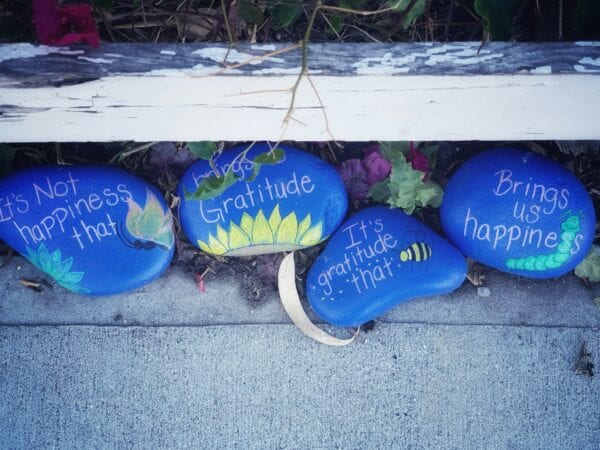

You know that feeling when you walk into a room and just own it? That’s confidence. But then there’s that other vibe, where someone struts in, acting like they’re the best thing since sliced bread. That’s arrogance. It’s a fine line, isn’t it? Confidence feels good; it’s like a warm hug from within. Arrogance, on the other hand, can feel cold and off-putting, like someone is trying too hard to prove something.
Confidence is about knowing your worth without needing to shout it from the rooftops. It’s being secure in who you are and what you can do. Arrogance often comes from insecurity, where someone feels the need to put others down to lift themselves up. When you’re confident, you can celebrate others’ successes without feeling threatened. But with arrogance, it’s all about competition and comparison. Recognizing this difference can help you navigate your own feelings and interactions with others.
Building confidence without pretending is a journey that involves embracing authenticity and self-acceptance. For those looking to enhance their self-esteem through holistic approaches, a related article discusses the importance of self-care and how it can contribute to a balanced sense of self-worth. You can read more about this in the article on Balanced Beauty Essentials Kit, which highlights products that promote both inner and outer beauty. For further insights, check out the article here: Balanced Beauty Essentials Kit.
Embracing Your Strengths and Weaknesses
Think about a time when you were really proud of something you did. Maybe it was acing a test or helping a friend through a tough time. Those moments highlight your strengths. But what about the times when you felt like you dropped the ball? Maybe you forgot an important date or struggled with a task at work. Those moments can sting, but they also show your weaknesses. Embracing both is key to feeling balanced.
When you acknowledge your strengths, it’s like giving yourself a pat on the back. You recognize what you’re good at, which can boost your confidence. But don’t shy away from your weaknesses either. They’re part of who you are. Accepting them doesn’t mean you have to dwell on them; it just means you’re aware of areas where you can grow. This balance helps you stay grounded and realistic about yourself.
Setting Realistic Goals and Expectations

Have you ever set a goal that felt so big it was almost overwhelming? Like deciding to run a marathon when you’ve barely jogged around the block? It’s great to dream big, but setting realistic goals is what keeps you moving forward without feeling defeated. Small, achievable steps can lead to bigger successes over time.
When you set goals that are too lofty, it can feel like you’re climbing a mountain with no end in sight. Instead, think about breaking those big dreams into smaller pieces. If you want to learn a new skill, start with just 15 minutes a day. Celebrate those little wins along the way! This way, you build momentum and keep your motivation high without feeling crushed by expectations.
Practicing Self-Compassion and Self-Acceptance

There are days when we all feel like we’re not enough, right? Maybe you didn’t finish everything on your to-do list or made a mistake at work. It’s easy to be hard on yourself in those moments. But practicing self-compassion means treating yourself with the same kindness you’d offer a friend. Instead of beating yourself up, try saying, “It’s okay; I’m doing my best.”
Self-acceptance is about recognizing that everyone has flaws and makes mistakes. You’re not alone in feeling this way! When you accept yourself as you are, it becomes easier to move forward without the weight of guilt or shame holding you back. Remember, nobody’s perfect, and that’s what makes us human.
Building confidence authentically can be a challenging journey, but exploring related topics can provide valuable insights. For instance, understanding how personal style influences self-esteem can be quite enlightening. A recent article discusses the latest fashion trends, highlighting how a simple piece like a brown winter coat can become a new style staple, ultimately boosting one's confidence. You can read more about this transformative fashion statement in the article here. Embracing such trends can help individuals express themselves more freely, contributing to a more confident outlook.
Surrounding Yourself with Supportive and Encouraging People
| Techniques | Explanation |
|---|---|
| Self-affirmation | Practice positive self-talk and remind yourself of your strengths and accomplishments. |
| Set realistic goals | Break down larger goals into smaller, achievable steps to build confidence through progress. |
| Seek feedback | Ask for constructive feedback from trusted individuals to improve and grow. |
| Embrace failure | View failure as a learning opportunity and a stepping stone towards success. |
| Practice self-care | Take care of your physical and mental well-being to boost confidence and resilience. |
Think about the people in your life who lift you up versus those who bring you down. It’s amazing how much our environment affects our mood and confidence. When you surround yourself with supportive friends and family, it feels like having a cheer squad in your corner. They celebrate your wins and help you through tough times.
On the flip side, negative people can drain your energy and make you doubt yourself. It’s important to recognize who adds value to your life and who doesn’t. Seek out those who encourage you to be your best self and challenge you in positive ways. Building a circle of support can make all the difference in how you see yourself.
Developing a Growth Mindset
Have you ever noticed how some people seem to bounce back from setbacks while others get stuck? That’s often because of their mindset. A growth mindset is all about believing that you can improve through effort and learning. It’s like seeing challenges as opportunities instead of roadblocks.
When you adopt this mindset, failures become less scary. Instead of thinking, “I can’t do this,” try saying, “I can learn from this.” This shift in thinking opens up new possibilities and helps you tackle challenges with curiosity rather than fear. Embracing a growth mindset can change how you approach everything from work projects to personal goals.
Stepping Out of Your Comfort Zone
Remember that time you tried something new, like joining a club or speaking in front of a group? It probably felt nerve-wracking at first, but once you did it, there was a sense of accomplishment, right? Stepping out of your comfort zone can be uncomfortable but also rewarding. It’s where growth happens.
When you challenge yourself to try new things, even small ones, it builds your confidence over time. Each little step outside your comfort zone adds up, making the next leap feel less daunting. Whether it’s trying a new hobby or having a tough conversation with someone, these experiences help shape who you are and what you’re capable of.
Learning from Failures and Setbacks
Failure is often seen as something to avoid at all costs, but what if we flipped that idea? Every setback is an opportunity to learn something new about yourself or the situation. Think about a time when things didn’t go as planned—maybe a project didn’t turn out how you hoped or a relationship ended unexpectedly.
Instead of dwelling on what went wrong, ask yourself what lessons you can take away from it. Maybe it taught you resilience or showed you what doesn’t work for you anymore. Embracing failures as part of life helps take away some of their sting and allows for growth moving forward.
Cultivating a Positive and Optimistic Attitude
It’s easy to get caught up in negativity, especially when life throws curveballs your way. But cultivating a positive attitude doesn’t mean ignoring problems; it means choosing to focus on solutions instead of dwelling on what’s wrong. Think about how much better your day feels when you look for the silver lining in situations.
Practicing gratitude can help shift your perspective too. Take a moment each day to reflect on what went well or what you're thankful for—big or small! This simple practice can help train your mind to see the good even when things get tough.
Taking Care of Your Physical and Mental Well-Being
You know how when you're feeling run down or stressed out, everything seems harder? Taking care of your physical and mental health is crucial for building confidence and resilience. Simple things like getting enough sleep, eating well, and staying active can make a big difference in how you feel day-to-day.
Don’t forget about mental health either! Finding time for relaxation or activities that bring joy is just as important as physical health. Whether it’s reading a book, going for a walk, or spending time with loved ones, make sure to prioritize what helps recharge your batteries.
Celebrating Your Achievements and Progress
It’s so easy to rush through life without taking a moment to appreciate what you've accomplished. Think back on all the things you've done—big or small—that made you proud. Celebrating these achievements helps reinforce your confidence and reminds you of how far you've come.
Take time to acknowledge your progress regularly! Whether it's treating yourself after completing a project or simply reflecting on your growth at the end of each week, these moments of celebration can boost your mood and motivate you for what's next.
Reflection Questions:
1. What are some strengths that make you proud?
2. How do you typically respond to setbacks or failures?
3. Who in your life supports and encourages you the most?
Small Action Step:
Take 10 minutes today to write down three recent achievements—no matter how small—and reflect on how they made you feel!
FAQs
What is the difference between building confidence and pretending to be confident?
Building confidence involves developing a genuine sense of self-assurance and belief in one's abilities, while pretending to be confident involves putting on a false facade without truly believing in oneself.
What are some practical ways to build confidence without pretending?
Some practical ways to build confidence without pretending include setting achievable goals, practicing self-compassion, seeking feedback and learning from failures, and developing a growth mindset.
How does self-acceptance contribute to building genuine confidence?
Self-acceptance plays a crucial role in building genuine confidence as it involves embracing one's strengths and weaknesses, being comfortable with who you are, and not seeking validation from others to feel confident.
Why is it important to acknowledge and work on your insecurities when building confidence?
Acknowledging and working on insecurities is important when building confidence because it allows individuals to address underlying issues, develop self-awareness, and take steps to overcome obstacles that may be holding them back.
How can seeking support from others help in building genuine confidence?
Seeking support from others can help in building genuine confidence by providing encouragement, different perspectives, and constructive feedback, as well as creating a sense of connection and belonging that can boost self-esteem.