
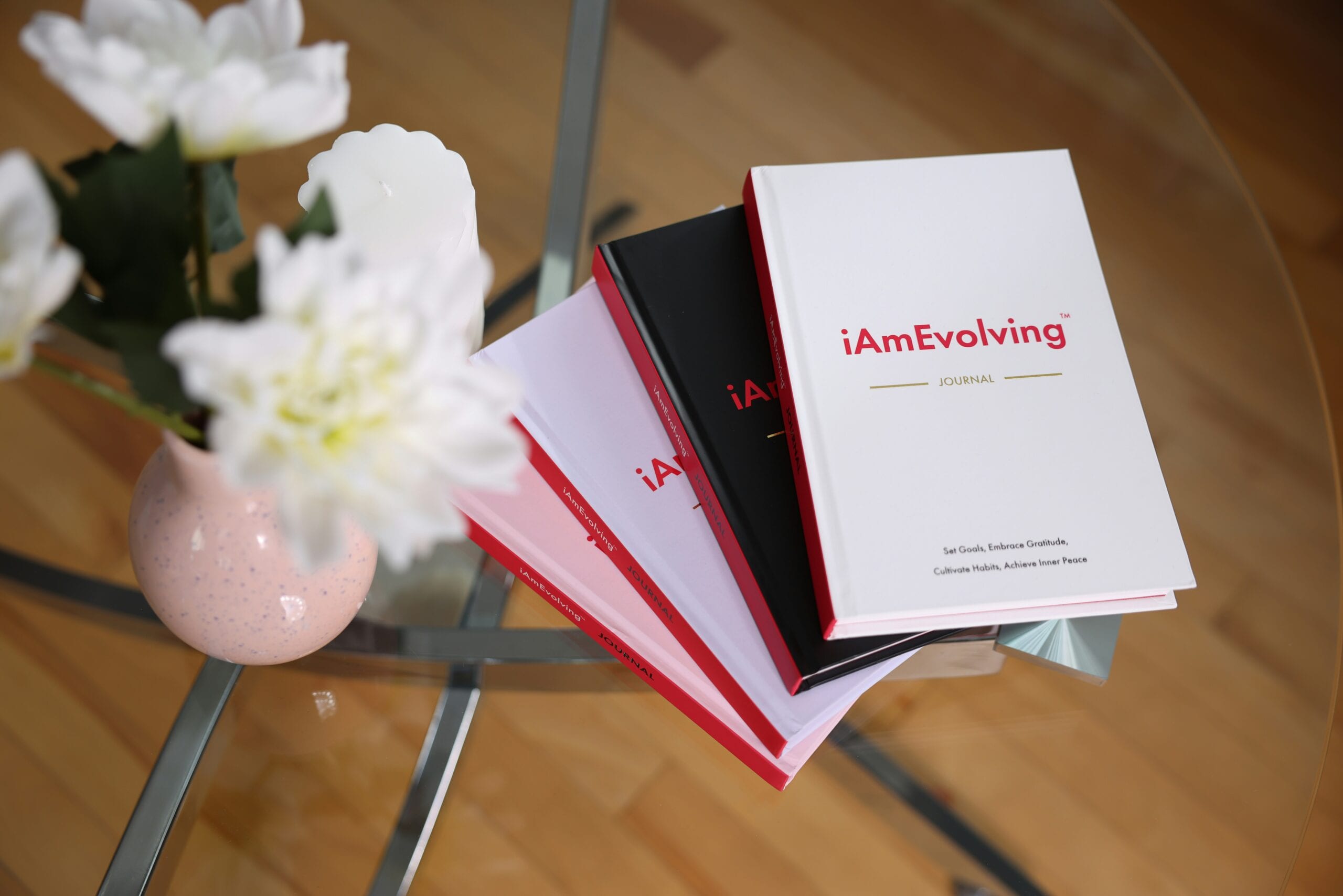
You're here, which means something has likely sparked an interest within you about gratitude. Perhaps you’ve heard the buzz about its benefits, seen friends experience positive shifts, or simply feel a yearning for more contentment in your own life. Before you dive into the "how," it's crucial for you to connect with your personal "why." What do you hope to gain from a gratitude practice? Understanding this will be your intrinsic motivator, the fuel that keeps you going when the initial novelty wears off.
The Science Behind Your Well-being
You might think gratitude is just about feeling good, but the science tells a fascinating story. When you consciously practice gratitude, your brain actually undergoes measurable changes. Neurotransmitters like dopamine and serotonin, often linked to mood and well-being, are released. This isn't just about a fleeting burst of happiness; regular gratitude can literally rewire your brain to see more positives and be more resilient in the face of adversity. You’re not just wishing for better; you’re creating it.
Shifting Your Perspective
Think about your typical day. How often do you find yourself focusing on what went wrong, what you lack, or what you're worried about? For many, this tends to be the default. A gratitude practice acts as a powerful counter-force. It helps you consciously shift your attention from what's missing to what is present, from what’s negative to what’s positive. This isn't about ignoring problems, but rather about acknowledging the good that coexists with them. You gain a broader, more balanced view of your reality.
Building Emotional Resilience
Life throws curveballs – that much is certain. What differentiates those who bounce back quickly from those who struggle to recover? Often, it's resilience. Gratitude is a cornerstone of this resilience. When you regularly acknowledge the good in your life, you build a reserve of positive emotions. This reserve acts as a buffer during challenging times, preventing you from being completely overwhelmed. You develop the capacity to find slivers of hope even in difficult situations, strengthening your emotional fortitude.
Enhancing Your Relationships
Consider how you interact with others. When you express appreciation, you not only make the other person feel valued, but you also deepen your connection with them. A gratitude practice naturally encourages you to notice and acknowledge the positive contributions of others in your life. This can lead to more meaningful conversations, stronger bonds, and a greater sense of connection within your social circles. You become a more appreciative and, in turn, more appreciated individual.
If you're looking to deepen your understanding of gratitude practices, you might find it helpful to explore related resources that offer insights and tips. One such article is available at this link, which provides a comprehensive guide on how to effectively implement gratitude into your daily routine. By combining the information from both articles, you can create a more fulfilling gratitude practice that enhances your overall well-being.
Setting Your Intentions: Preparing for Your Journey
Before you embark on any journey, you need a map and perhaps some supplies. The same goes for starting a gratitude practice. It’s not simply about doing it, but about preparing yourself for it. Setting clear intentions will help you stay focused, consistent, and ultimately, more successful in integrating gratitude into your daily life.
Defining Your "Why" More Specifically
Earlier, you thought about your general "why." Now, let's get more specific. Is it to reduce stress? To feel happier? To improve your sleep? To be more patient with your family? Write down 1-3 specific outcomes you hope to achieve. This clarity will serve as a powerful reminder when you feel your motivation waning. You're not just practicing gratitude; you're actively working towards these personal goals.
Choosing Your Starting Point (and Being Realistic)
You don't need to commit to an hour-long daily practice right out of the gate. In fact, that's often a recipe for failure. Instead, start small and be realistic about what you can commit to. Would 5 minutes in the morning work? How about jotting down three things before bed? The key is consistency, not intensity, especially in the beginning. You’re building a habit, and habits thrive on easy accessibility.
Finding Your Tools and Space
While gratitude can be practiced anywhere, having a designated tool or space can make it feel more intentional and less like another task on your to-do list. Do you prefer a beautiful journal? A simple notebook? A specific app on your phone? Or perhaps you'll dedicate a quiet corner of your home to reflection. Whatever you choose, ensure it feels inviting and easy to access. This creates a ritual around your practice.
Committing to Consistency Over Perfection
This is perhaps one of the most crucial intentions you can set. You will miss days. You will forget. You will have days where you feel nothing but grumpy. And that's perfectly okay. The goal isn't perfect adherence; it's consistent effort. If you miss a day, don't throw in the towel and declare yourself a failure. Simply pick up where you left off the next day. Every day is a new opportunity to choose gratitude.
Simple Starts: Actionable Steps for Beginners

Now that you understand the "why" and you've set your intentions, it's time to dive into the practical "how." Remember, the goal here is simplicity. You want to make these steps easy enough to integrate into your existing routine without feeling overwhelming.
The Gratitude Journal: Your Daily Reflection Tool
This is arguably the most classic and widely recommended gratitude practice, and for good reason. It provides a tangible record of the good in your life.
Starting Your Journal
Grab your chosen journal and a pen. At the end of each day (or the beginning, whatever works best for you), simply write down 3-5 things you are grateful for from that day. They don't have to be grand gestures; often, the smallest things hold the most power. A warm cup of coffee, a kind word from a colleague, the sun shining through your window – these are all valid entries.
What to Include
Don't overthink it. Focus on specifics. Instead of "I'm grateful for my family," try "I'm grateful for the way my child laughed at dinner tonight" or "I'm grateful for my spouse listening to me after a tough day." Specificity imbues your gratitude with more meaning and helps you truly feel the emotion. Don't be afraid to list mundane things either; finding gratitude in the ordinary is a powerful skill.
Overcoming Journaling Blocks
If you find yourself stuck, try these prompts: "What made me smile today?" "What simple pleasure did I experience?" "Who helped me today?" "What problem did I not have to deal with today?" Sometimes, just starting with "I'm grateful for..." is enough to get the words flowing.
The "Three Good Things" Practice
This is a quick and effective way to integrate gratitude, especially on busy days. It’s a cognitive exercise that trains your brain to seek out positives.
The Quick Daily Check-in
Either mentally or by quickly jotting them down, identify three good things that happened to you, or that you noticed, during your day. This can be done while you're brushing your teeth, waiting for your coffee to brew, or commuting. The emphasis here is on speed and accessibility. You might even set a reminder on your phone to do this at a specific time each day.
Connecting to the "Feel" of Gratitude
Once you've identified your three good things, take a moment – even just 10 seconds – to truly feel the gratitude for each one. Notice the warmth, the lightness, the sense of contentment that arises. This emotional connection is where the real power of gratitude lies. It’s not just an intellectual exercise; it’s an embodied one.
Expressing Gratitude Verbally or Through Action
Gratitude doesn't have to be a silent, internal practice. Sharing it amplifies its effects, both for you and for the recipient.
Thank-You Notes and Messages
Think about someone who has done something kind for you, big or small. Take a few minutes to write a text, email, or even a handwritten note expressing your appreciation. Be specific about what they did and how it impacted you. You'll be surprised at how good it feels to give, and how much joy it brings to the receiver.
Verbal Appreciation in Daily Interactions
Make a conscious effort to thank people more often throughout your day. Your barista, the grocery store clerk, a co-worker who helped you – these small acknowledgments can brighten both your day and theirs. It’s a simple way to interject positivity into your routine interactions.
Acts of Kindness
Often, the best way to show gratitude for what you have is to pay it forward. Volunteer your time, offer a helping hand to a neighbor, or make a small donation to a cause you care about. These actions not only generate gratitude within you but also contribute to a more positive world.
Deepening Your Practice: Beyond the Basics

Once you've established a consistent foundation with simple gratitude practices, you might find yourself ready to explore more nuanced and profound ways to integrate gratitude into your life. These methods build upon your initial efforts, allowing for greater reflection and impact.
The Gratitude Walk: Mindful Appreciation in Motion
This practice combines the benefits of mindfulness, nature (if available), and intentional gratitude.
Connecting with Your Surroundings
As you walk, consciously observe your environment. Notice the details you might usually overlook: the shade of green on a leaf, the sound of birdsong, the intricate patterns of a brick wall, the feeling of the sun or breeze on your skin. For each observation, mentally acknowledge something you are grateful for. "I'm grateful for the resilience of these trees," "I'm grateful for the soothing sound of the birds," "I'm grateful for the feeling of warmth on my face."
Expanding Your Senses
Engage all your senses. What do you see, hear, smell, feel? Even taste, if you're sipping a morning coffee. The more you open your sensory awareness, the more opportunities you'll find to feel grateful for the richness of your immediate experience. This practice shifts you out of autopilot and into the present moment.
Reflecting on Your Inner World
As you walk, you can also reflect inwardly. What thoughts or feelings are present? Can you find gratitude for your body's ability to move, for the thoughts that arise, or even for the opportunity to have this moment of quiet reflection? This expands your gratitude beyond external factors to your internal landscape.
Gratitude Meditations: Cultivating Inner Peace
Meditation is a powerful tool to cultivate a deeper sense of gratitude and has the added benefits of stress reduction and improved focus.
Guided Gratitude Meditations
Many apps and online resources offer guided gratitude meditations. These typically involve a narrator guiding you through a process of bringing specific things or people to mind and focusing on the feeling of appreciation. This can be particularly helpful if you struggle with self-guided meditation or are new to the practice.
Self-Guided Gratitude Meditations
Find a quiet space where you won't be disturbed. Close your eyes and take a few deep breaths. Bring to mind someone or something you are deeply grateful for. Focus on the positive emotions associated with this gratitude. Allow the feeling to expand throughout your body. You can cycle through several people or things, or simply focus on one for the duration of your meditation.
Visualizing Gratitude
In your meditation, you can also visualize gratitude. Imagine a light or warmth emanating from your heart as you feel grateful, spreading throughout your body and even radiating outwards to others. This visualization can enhance the emotional experience of gratitude and help you more fully embody it.
The Gratitude Jar: A Long-Term Reminder
A gratitude jar provides a visual and cumulative record of your blessings, offering a powerful boost when you need it most.
Setting Up Your Jar
Find a clear jar or container. Decorate it if you wish. Place it in a prominent location where you'll see it daily. Keep a stack of small slips of paper and a pen nearby.
Daily Contributions
Each day, or whenever you feel moved, write down one thing you are grateful for on a slip of paper and place it in the jar. You can make it a solo practice or involve your family. Encourage everyone to contribute their moments of appreciation.
The "Opening" Ceremony
At the end of the year, or during a particularly challenging time, open the jar and read through all the slips. This act of revisiting your accumulated gratitude can be incredibly uplifting, reminding you of the consistent good in your life. It’s a powerful antidote to negativity and a testament to your journey.
Starting a gratitude practice can significantly enhance your overall well-being and perspective on life. If you're looking for more insights on cultivating positivity, you might find it helpful to explore a related article that discusses various techniques and tips for incorporating gratitude into your daily routine. This resource can provide you with practical ideas to enrich your practice and deepen your appreciation for the little things. For more information, check out this helpful article that offers additional guidance on this transformative journey.
Overcoming Challenges: Sustaining Your Practice
| Steps to Start a Gratitude Practice | Benefits |
|---|---|
| 1. Set aside time each day to reflect on what you are grateful for | - Increased happiness and positive emotions |
| 2. Keep a gratitude journal to write down things you are thankful for | - Improved physical and mental health |
| 3. Practice mindfulness and focus on the present moment | - Better sleep and reduced stress |
| 4. Express gratitude to others through words or actions | - Enhanced relationships and social connections |
Even with the best intentions, you’ll encounter obstacles when trying to consistently practice gratitude. Life gets busy, stress takes over, and sometimes, you just don't feel grateful. It's crucial for you to anticipate these challenges and have strategies in place to navigate them.
When You Don't "Feel" Grateful
This is perhaps the most common hurdle. You might wake up feeling grumpy, overwhelmed, or just plain negative. On these days, forced gratitude can feel inauthentic.
Acknowledging the Negativit
Don't suppress your feelings. It's okay to feel whatever you're feeling. Acknowledge your negativity first. "I'm feeling really stressed today," or "I'm in a bad mood." This validation can actually create space for something else.
Focusing on the Absolute Basics
On tough days, lower your bar significantly. You don't need to find profound gratitude. Can you be grateful for the air you're breathing? The roof over your head? The fact that you have a functioning body (even if it's got aches)? Sometimes, gratitude for basic existence is enough.
Remembering Previous Moments of Gratitude
Flip through your gratitude journal (if you keep one) or recall past moments when you genuinely felt appreciative. Remind yourself that these feelings are possible, and that even a small glimmer of that feeling today is a victory.
Consistency in a Hectic World
Your life is probably full of demands and distractions. Making time for anything new can feel like an impossible task.
Batching Your Practice
Can you combine your gratitude practice with an existing habit? For example, instead of a separate journaling session, write your gratitude entries while you're waiting for your morning coffee to brew, or during your commute (if you're not driving). This "habit stacking" makes it easier to remember and do.
Setting Reminders
Use technology to your advantage. Set a daily alarm on your phone or computer that prompts you to write down your gratitude for the day. Make it a friendly reminder, not a demanding one.
Involving Others
If you live with family or housemates, consider making it a shared practice. At dinner, go around the table and share one thing everyone is grateful for. This builds consistency through mutual accountability and makes the practice more enjoyable.
Avoiding "Gratitude Fatigue"
Paradoxically, sometimes you can get tired of "being grateful." It can start to feel repetitive or like another chore.
Varying Your Methods
If journaling is getting stale, switch to a gratitude walk. If guided meditations aren't resonating, try a gratitude jar. Rotating through different practices keeps things fresh and engages different parts of your brain.
Deepening Your Inquiries
Instead of just listing "warm bed," ask yourself why you're grateful for it. "I'm grateful for my warm bed because it provides comfort, security, and allows me to rest and recharge my body for the next day." Digging deeper adds richness to your entries.
Focusing on People, Not Just Things
Often, we default to material things. Make a conscious effort to focus on the people in your life – their support, their love, their humor. This can open up new avenues for appreciation and prevent your practice from feeling superficial.
Starting a gratitude practice can significantly enhance your overall well-being and perspective on life. If you're looking for more ways to embrace positivity, you might find inspiration in a recent article about fashion trends, particularly how the brown winter coat is becoming a new style staple. This article highlights how embracing change in your wardrobe can reflect a broader mindset shift, much like cultivating gratitude. To explore this connection further, check out the article here.
Celebrating Progress: Embracing Your Transformation
You've embarked on a journey, and like any journey, it's important to pause and acknowledge how far you've come. A gratitude practice isn't a destination, but a continuous path. Celebrating your progress reinforces the positive changes you're making and motivates you to continue.
Noticing Subtle Shifts
Initially, you might be looking for dramatic changes, but true transformation often happens subtly. Have you found yourself smiling more often? Are you less reactive to minor annoyances? Do you find yourself naturally pointing out good things to others? These small shifts are significant indicators of your gratitude muscle strengthening.
Re-reading Your Journal or Jar
Periodically, take the time to review your gratitude journal entries or open your gratitude jar. Seeing the cumulative record of your blessings, especially if you started during a difficult period, can be incredibly powerful. It serves as concrete evidence of the good in your life, even on days when it feels elusive.
Sharing Your Journey (If You Wish)
While gratitude can be a deeply personal practice, sometimes sharing your journey with a trusted friend, family member, or even a community group can be immensely rewarding. You might inspire others, gain new perspectives, and feel the added support of shared experience.
Acknowledging Your Resilience
Remember those days when you didn't feel grateful, but you still made the effort? Those moments of pushing through are where your true resilience is built. Celebrate your commitment, your consistency, and your ability to choose gratitude even when it's challenging. You are actively shaping your mindset and, by extension, your experience of the world.
Starting a gratitude practice is a gift you give yourself. It's an investment in your well-being, your relationships, and your overall outlook on life. It won't erase all challenges, but it will equip you with a powerful lens through which to view them, and an unwavering appreciation for the abundance that already exists within and around you. You are capable of cultivating this deeply enriching habit, and the rewards will be immeasurable.
FAQs
What is a gratitude practice?
A gratitude practice involves intentionally focusing on and appreciating the positive aspects of life, both big and small. It often involves keeping a gratitude journal, reflecting on what you are thankful for, and expressing gratitude to others.
Why is starting a gratitude practice beneficial?
Starting a gratitude practice can have numerous benefits, including improved mental and emotional well-being, reduced stress, increased resilience, and enhanced relationships. It can also help shift focus from negative to positive aspects of life.
How can I start a gratitude practice?
To start a gratitude practice, you can begin by keeping a gratitude journal and writing down things you are thankful for each day. You can also set aside time for reflection and meditation on gratitude, and make a conscious effort to express appreciation to others.
What are some tips for maintaining a gratitude practice?
Some tips for maintaining a gratitude practice include being consistent with your practice, finding a method that works for you (such as journaling, meditation, or verbal expressions of gratitude), and being open to finding gratitude in everyday moments.
What are some examples of gratitude practices?
Examples of gratitude practices include keeping a daily gratitude journal, writing thank-you notes to people who have positively impacted your life, practicing mindfulness and focusing on the present moment, and verbally expressing appreciation to others.