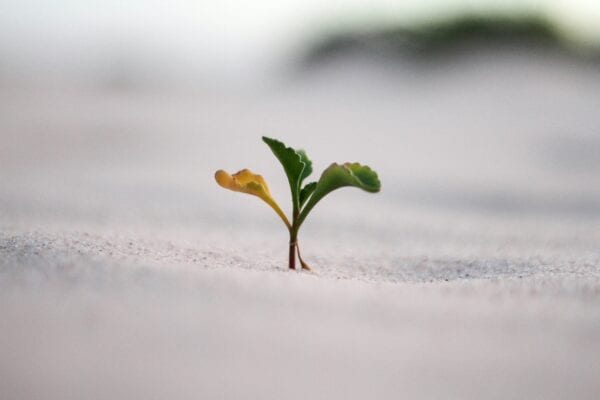

You often hear about the benefits of meditation, especially how it can help you stay present. But what does that really mean for you? It’s not just a trendy buzzword; it’s a profound shift in how you experience life, moment by moment. When you cultivate presence through meditation, you are choosing to consciously participate in your life rather than letting it happen to you. You stop reliving past regrets or pre-living future anxieties, and instead, you embrace the richness of the now.
You might think you're living in the present, but often, your mind is a time-traveling machine. It's constantly darting between what has already happened and what might happen next. This mental time-travel, while sometimes useful for planning or learning, can become a significant source of your suffering and a massive barrier to experiencing genuine presence.
The Grip of the Past
You spend so much energy on the past. Do you find yourself replaying conversations, dissecting decisions, or dwelling on perceived failures? This isn't just unproductive; it can be incredibly draining.
Reliving Regrets and Mistakes
When you ruminate on past regrets, you are, in essence, subjecting yourself to the pain of those moments over and over again. You tell yourself stories about how things should have been different, how you should have acted differently. This keeps you stuck in a loop, preventing you from moving forward and learning from those experiences effectively. It's like driving a car while constantly looking in the rearview mirror – you're bound to miss what's right in front of you.
Harboring Grudges and Resentments
Holding onto grudges is another way the past ensnares you. This emotional baggage is heavy, and it impacts your current relationships and your overall well-being. When you meditate, you begin to observe these feelings of resentment without judgment, recognizing them as transient mental states rather than an intrinsic part of who you are. This observation creates space for them to eventually dissipate, freeing you from their hold.
The Chokehold of the Future
Conversely, you can become equally entangled in the future, worrying about what hasn't even happened yet. This preoccupation with "what ifs" can generate immense anxiety and prevent you from appreciating the serenity or simple joys available to you right now.
Anticipation and Anxiety
You might spend countless hours anticipating future events, both positive and negative. While some preparation is necessary, excessive anticipation morphs into anxiety. You imagine worst-case scenarios, rehearse conversations, and mentally problem-solve situations that may never materialize. This constant mental activity elevates your stress levels and robs you of your peace.
The Pressure of Expectations
Societal and personal expectations also push you into the future. You feel pressure to achieve certain milestones, behave in specific ways, or live up to a particular image. This relentless pursuit of a future ideal can make you feel inadequate in the present, as if your current self is somehow lacking. Meditation helps you detach from these external pressures, allowing you to define your own worth from within.
Meditation is a powerful practice that can significantly enhance your ability to stay present, allowing you to cultivate mindfulness and reduce stress. For those interested in exploring more about holistic approaches to well-being, you may find the article on Balanced Beauty Essentials Kit particularly insightful. It discusses how integrating beauty and wellness products can complement your meditation practice and promote a balanced lifestyle. You can read more about it here: Balanced Beauty Essentials Kit.
Cultivating Sensory Awareness
One of the most immediate and accessible ways meditation brings you into the present is by sharpening your sensory awareness. You are constantly bombarded by sensory input, but how often do you truly attend to it? Meditation trains you to consciously engage with your senses, transforming ordinary moments into extraordinary experiences.
The Power of Sight
When you practice mindful seeing, you stop just looking and start truly seeing. You notice the subtleties of color, light, and form that usually blur into the background.
Noticing Details in Your Environment
Take a moment right now. Look around you. What do you see? Beyond the obvious objects, what specific details are present? The texture of a fabric, the way light plays on a surface, the intricate pattern of a shadow. When you meditate, you might practice open awareness, letting your gaze fall gently on whatever enters your visual field, simply observing without judgment or analysis. This deepens your connection to your surroundings.
Appreciating Beauty in the Mundane
This heightened visual awareness allows you to find beauty in the most mundane things – a leaf unfurling, a rain puddle reflecting the sky, the steam rising from your coffee. These small instances of beauty become moments of connection and gratitude, pulling you firmly into the present.
The Depth of Sound
Sounds are constantly present, yet you often filter them out or categorize them without truly listening. Meditation encourages you to listen with unbiased ears.
Listening Without Labeling
Instead of hearing a car horn and immediately labeling it as "annoying" or a bird's song as "pleasant," you simply hear the sound itself. What is its pitch, its duration, its intensity? When you remove the judgment, you experience the sound in its raw form, allowing it to fully occupy your present moment.
Experiencing the Fabric of Silence
In between sounds, there is silence. Often, you perceive silence as an absence, but in meditation, you can begin to experience it as a presence, a spaciousness that underlies all sound. Becoming aware of the quiet between the noise brings a profound sense of calm and stillness, rooting you in the present.
The Intimacy of Touch
Touch is perhaps the most immediate sense, yet you take it for granted. Meditation helps you become acutely aware of the sensations on your skin and within your body.
Feeling the Ground Beneath Your Feet
Whether you're walking, sitting, or standing, you are always in contact with something. Meditative walking, for instance, involves paying close attention to the sensation of your feet connecting with the ground – the pressure, the temperature, the texture. This simple act can anchor you firmly in the present moment, one step at a time.
Noticing Internal Bodily Sensations
Beyond external touch, you can also tune into internal bodily sensations – the feeling of your breath, the beating of your heart, the subtle shifts in your muscles. This interoception is a cornerstone of many mindfulness practices. Noticing these internal feelings brings you directly into your body, which is always in the present. When you feel an ache, instead of immediately trying to fix it or distract yourself from it, you simply observe it, allowing it to be present without resistance.
Disentangling From Thoughts and Emotions

Your mind is a relentless producer of thoughts, and your body is a constant landscape of emotions. Often, you become completely identified with these mental and emotional states, allowing them to dictate your experience. Meditation offers you the vital skill of observation, creating a healthy distance between you (the awareness) and your thoughts and emotions.
Recognizing Thoughts as Mental Events
Before meditation, you likely assume your thoughts are you. In meditation, you learn to see them as just that – thoughts, mental events passing through your consciousness.
Observing the Stream of Consciousness
Imagine your mind as a river. Thoughts are like leaves floating down that river. You can stand on the bank and watch them go by without jumping in. This is the essence of mindful thought observation. You notice a thought arising – "I need to do laundry," "I'm hungry," "This is boring" – and you simply acknowledge it, perhaps even mentally noting "thinking." Then, you gently return your attention to your anchor, usually your breath.
Disidentifying with Narratives
Many of your thoughts coalesce into complex narratives about yourself, others, and the world. These narratives often fuel self-criticism, worry, or anger. Meditation helps you see these stories as mental constructs, not immutable truths. You learn that just because you have a thought, it doesn't mean it's accurate, important, or that you have to believe it. This disidentification is incredibly liberating.
Befriending Emotions Without Reacting
Emotions, like thoughts, are often overwhelming because you react to them instantly, either by suppressing them or getting swept away by them. Meditation teaches you a third way: acknowledging and allowing your emotions.
Acknowledging Emotional States
When you feel an emotion – sadness, joy, anger, fear – you first acknowledge its presence. You might mentally note "sadness is here," or "feeling fear." This simple act of naming often diffuses some of its intensity. You are not trying to push it away or change it; you are simply allowing it to be.
Creating Space for Feelings to Arise and Pass
Just like thoughts, emotions are impermanent. They arise, stay for a while, and then pass. When you create space for them, when you don't fight them or hold onto them, you allow them to move through you naturally. This non-reactive approach lessens their power over you and helps you stay present, even in the midst of challenging feelings, rather than being dragged into their narrative.
Anchoring in the Breath

Among all the techniques in meditation, returning your attention to your breath is arguably the most fundamental and universally applied method for staying present. Your breath is always with you, always in the now, and it’s a direct link between your body and mind.
The Immediate Nature of Breath
Your breath is the perfect anchor because it exists only in the present moment. You cannot breathe yesterday's breath, nor can you truly breathe tomorrow's.
A Constant, Unchanging Reference Point
No matter what is happening in your life, your breath is always there. It’s an unwavering constant. When your mind wanders, when you get caught up in thoughts or strong emotions, the breath is always available as a gentle, reliable point of return. It’s like a lighthouse in the storm of your mind.
Noticing Subtle Sensations
As you pay attention to your breath, you learn to notice its subtle sensations. The coolness of the air entering your nostrils, the warmth as it exits, the gentle rise and fall of your abdomen or chest, the slight pause between the inhale and exhale. These intricate details ground you firmly in the physical experience of the present.
Using the Breath as a Reset Button
When your mind inevitably drifts, and it will, the breath becomes your tool for gently guiding yourself back to the present.
Gently Returning When Distracted
This is perhaps the most crucial aspect of breath meditation. You're not aiming for a thought-free mind; you're aiming for awareness of where your mind is. When you notice you've been caught in thought, you don't judge yourself. You simply observe the distraction, acknowledge it, and then, with kindness, you bring your attention back to the sensation of your breath. This act of repeatedly returning is the "workout" for your presence muscle.
Deepening the Connection to Inner Stillness
As you consistently focus on your breath, you may find that the internal chatter begins to quiet down. This creates a state of inner stillness, a calm and centered awareness that underlies all your experiences. It’s from this place of stillness that true presence can flourish, allowing you to respond to life with greater clarity and wisdom.
Meditation is a powerful tool for enhancing mindfulness and staying present in our daily lives. By focusing on the breath and observing thoughts without judgment, individuals can cultivate a deeper awareness of the moment. For those interested in exploring how mindfulness can influence various aspects of life, a related article discusses the latest fashion trends, highlighting how the brown winter coat has become a new style staple. You can read more about this fascinating connection between mindfulness and personal expression in the article here.
Expanding Presence into Daily Life
| Benefits of Meditation for Staying Present | Explanation |
|---|---|
| Reduces Stress | Meditation helps to calm the mind and reduce stress, allowing you to focus on the present moment. |
| Improves Concentration | Regular meditation practice can enhance your ability to concentrate and stay focused on the present. |
| Enhances Self-Awareness | Meditation increases self-awareness, helping you to recognize when your mind starts to wander and bring it back to the present. |
| Promotes Mindfulness | By practicing mindfulness in meditation, you can train your mind to be more present in daily activities. |
| Reduces Anxiety | Meditation can help to reduce anxiety, allowing you to stay more present and grounded in the moment. |
Meditation isn't just something you do on a cushion; it's a practice designed to integrate into every facet of your life. The skills you cultivate during formal meditation sessions are meant to be applied to your everyday activities, transforming routine tasks into opportunities for presence.
Mindful Eating
Eating is often done thoughtlessly, while multi-tasking or distracted. Mindful eating brings you fully into the experience of nourishing your body.
Savoring Flavors and Textures
Before you even take a bite, notice the colors, textures, and aromas of your food. As you chew, pay attention to the changing flavors, the feel of the food in your mouth, the process of swallowing. Eat slowly, without judgment, observing every sensation. This turns a simple meal into a rich sensory experience, grounding you firmly in the present moment.
Recognizing Hunger and Fullness Cues
Mindful eating also involves tuning into your body's signals of hunger and fullness. Instead of eating out of habit, boredom, or emotion, you learn to recognize true physical hunger. You also learn to stop eating when you are satisfied, rather than uncomfortably full. This conscious awareness fosters a healthier relationship with food and your body.
Mindful Walking
Walking is an activity you do every day, but how often are you truly present while doing it?
Feeling Each Step
As mentioned earlier, mindful walking involves paying attention to the sensation of your feet on the ground. Feel the lift, the swing, the placement, the pressure. Notice the subtle shifts in your balance and weight distribution. This simple focus can transform a mundane commute into a moving meditation, keeping your mind rooted in the now.
Observing Your Surroundings with Open Awareness
Beyond your feet, expand your awareness to your surroundings as you walk. Notice the sights, sounds, and smells without getting entangled in thought or judgment. Let your senses be open receivers, simply registering what is present in your environment. This practice helps you stay alert and connected to the world around you.
Mindful Communication
Communication often suffers from a lack of presence, as your mind races ahead to formulate a response or dwells on past interactions.
Truly Listening to Others
When you engage in mindful communication, you bring your full, undivided attention to the person speaking. You listen not just to their words, but to the tone of their voice, their body language, and the underlying emotions. You resist the urge to interrupt, judge, or plan your reply. This deep listening builds stronger connections and fosters mutual understanding, all born from being fully present.
Expressing Yourself with Intention
Conversely, when you speak, you do so with greater intention and clarity. You choose your words carefully, aware of the impact they might have. You speak from a place of presence, expressing your authentic self rather than reacting impulsively or speaking from a place of past conditioning or future worry.
Embracing Imperfection and Non-Judgment
Perhaps the most liberating aspect of practicing presence through meditation is the cultivation of self-compassion and non-judgment. You realize that perfection is an illusion and that resisting the present moment, in all its messy reality, is the source of much suffering.
Allowing What Is
Meditation teaches you to observe your thoughts, emotions, and sensations without trying to change them or judge them as good or bad. This radical acceptance extends to your entire experience. When you "allow what is," you stop fighting reality and find a deep sense of peace in the present moment, exactly as it is. This doesn't mean you are passive; it means you respond to life from a place of clarity rather than resistance.
Cultivating Self-Compassion
As you practice staying present, you will inevitably encounter moments of frustration, distraction, or self-criticism. Instead of beating yourself up for these "failures," you learn to meet them with kindness and understanding. You recognize that wandering is what the mind does, and your job is simply to gently redirect it. This cultivation of self-compassion is vital for sustaining your meditation practice and for fostering a more peaceful and present existence.
In conclusion, for you, meditation isn't a quick fix or a magical cure. It’s a dedicated practice that systematically trains your attention, enabling you to step out of the endless loops of past and future and into the vibrant, living reality of the present moment. By understanding the illusion of time, sharpening your sensory awareness, disentangling from thoughts and emotions, anchoring in your breath, and extending these principles into your daily life, you are actively choosing to wake up to your own life, moment by beautiful moment. This journey of presence is perhaps the greatest gift you can give yourself, unlocking a deeper sense of peace, clarity, and connection.
FAQs
What is meditation?
Meditation is a practice that involves focusing the mind and eliminating the stream of jumbled thoughts that may be crowding your mind and causing stress. It is a technique that helps you achieve a state of mental clarity and emotional calmness.
How does meditation help you stay present?
Meditation helps you stay present by training your mind to focus on the present moment, rather than dwelling on the past or worrying about the future. It teaches you to be more aware of your thoughts and feelings, and to observe them without judgment.
What are the benefits of staying present through meditation?
Staying present through meditation can lead to reduced stress, improved concentration, better emotional regulation, and a greater sense of overall well-being. It can also help improve relationships and enhance overall mental and physical health.
How often should one meditate to experience the benefits of staying present?
The frequency of meditation can vary from person to person, but many experts recommend practicing meditation for at least 10-20 minutes per day to experience its benefits. Consistency is key, so establishing a regular meditation routine is important.
Are there different types of meditation that can help with staying present?
Yes, there are various types of meditation practices that can help with staying present, such as mindfulness meditation, loving-kindness meditation, and body scan meditation. Each type may offer different techniques for cultivating present-moment awareness.