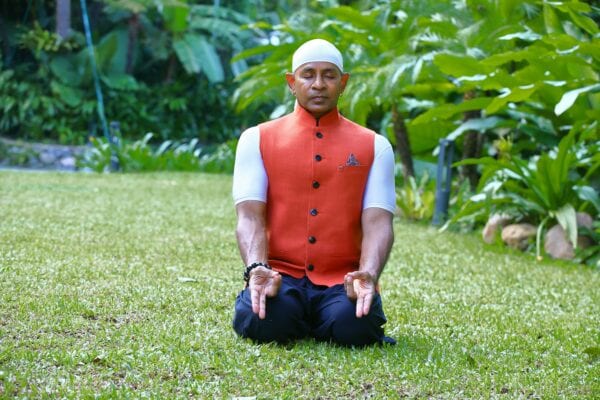

You're sitting there. Maybe the coffee is cooling. Your shoulders feel tight. You're thinking about what's next. Or what already happened. That knot in your stomach. It’s real. You want something to shift. You wonder when that shift will come. When will this feeling of being stuck start to ease?
It Starts With You
You’re looking for an answer. A timeline. When does mindfulness start to work? It’s a fair question. You’re putting in the effort. You’re trying something new. You want to know if it’s worth it. If you’ll see results. If this time will be different.
Let’s talk about that feeling. That tension you carry. It’s not a failure. It’s just where you are right now. And that’s okay. We start from here.
In exploring the effectiveness of mindfulness practices, it's interesting to consider how lifestyle choices can also impact our mental well-being. For instance, the article titled "What a Glass of Wine a Day Does to Your Body" delves into the effects of moderate alcohol consumption on health, which can intersect with mindfulness by influencing our emotional and physical states. You can read more about this topic in the article here: What a Glass of Wine a Day Does to Your Body.
The First Glimmers
Sometimes, it happens faster than you think. You might sit down to practice. Just for a few minutes. You focus on your breath. You notice a thought. You let it go. And then, something clicks.
You might feel a subtle change. A little less frantic. A whisper of calm. It might happen during the practice. Or right after. It’s like a tiny spark. A hint of what’s possible.
This isn’t a magic trick. It’s your mind responding. It’s your body recognizing a moment of peace. You’ve given yourself a break. And your system says thank you.
You might find yourself smiling a little. A genuine smile. Without trying. It’s a small thing. But it’s real. You’ve created a pocket of ease. Just for you. This can happen on day one. Or on day ten. It’s not a guarantee. But it’s a possibility.
The Early Days
You keep going. You make it a habit. Even when you don’t feel like it. You sit for those few minutes. You breathe. You notice. You accept.
After a few days. Maybe a week or two. You might notice something more consistent. That tight feeling in your shoulders? It might be a little looser. That knot in your stomach? It might be a bit smaller.
Your stress hormones might start to settle. Your well-being might feel a little higher. It’s like your body is breathing a sigh of relief. You're giving it the space it needs. You're not constantly pushing. You're not constantly reacting.
This isn’t about eradicating stress. It’s about changing your relationship with it. You’re learning to observe it. Without getting swept away. You’re building a little bit of distance. That distance makes a difference.
The Sweet Spot
You’re getting into the rhythm now. Maybe it’s been a month. Or two. You’re not thinking about when it will work anymore. You’re just doing it. It’s becoming part of your day.
This is often where the biggest changes show up. For many people. You start to feel it more deeply. Your attention might feel sharper. You might get lost in things less often.
Your mood can lift. Not in a manic way. But in a steadier, more balanced way. You can handle difficult emotions better. You don't get as overwhelmed. You’re learning to ride the waves. Instead of being pulled under.
Emotional regulation. That’s a big one. You’re not a slave to your feelings. You can observe them. You can understand them. You can choose how to respond. That’s a gift. You’re giving yourself that gift. Every single day.
Many individuals seeking to enhance their mental well-being often wonder how long it takes for mindfulness practices to show tangible results. In exploring this topic, it can be helpful to consider related aspects of creating a calming environment that supports mindfulness. For instance, incorporating stylish elements into your home decor can significantly influence your mood and focus. A great article that discusses this is available here, where you can find ideas on how to use decorative baskets to add a touch of tranquility to your space.
Building Lasting Habits
You’ve gone beyond the initial weeks. Now it’s months. You’ve built a genuine habit. It’s not a chore anymore. It’s something you do. Like brushing your teeth. Or having a cup of tea.
This is where the deeper stuff happens. Your resilience grows. You bounce back quicker. Setbacks don’t feel like the end of the world. You can face challenges with more grace.
Your entire outlook can shift. You start to appreciate the small things more. The warmth of the sun. A friendly smile. A quiet moment. You’re not always chasing the next big thing. You’re finding joy right here. Right now.
This takes time. It’s like building a muscle. You can feel the difference after a few workouts. But to be truly strong? That takes consistency. That takes dedication. You’re building a strong inner life. That takes months. And it’s worth every bit of it.
Today’s Five Minute Practice
You’re ready for this. Let’s do it together. Find a comfortable seat. Your feet on the floor. Your back can be straight, but not rigid.
Rest your hands in your lap. Or on your thighs. You can close your eyes gently. Or soften your gaze. Just let your shoulders relax.
Bring your attention to your breath. You don’t need to change it. Just notice it. Feel the air coming in. Feel the air going out.
Notice the sensations in your body. Where do you feel the breath most? In your nose? Your chest? Your belly? Just observe.
Thoughts will come. That’s okay. Your mind is doing its job. When you notice a thought, just acknowledge it. Like a cloud passing in the sky. Then gently bring your attention back to your breath.
There’s no right or wrong way to do this. Just be with your breath. For these next few minutes. Be present.
(Take a few moments of silent, guided breathing here. Encourage soft awareness. Gently bring awareness back to the room.)
And when you’re ready, you can slowly open your eyes. Bring your awareness back to the room.
Your Practice Continues
You did it. That was five minutes. And you can do it again tomorrow. And the day after.
Don’t worry if it felt hard. Or if your mind wandered a lot. That’s normal. The practice isn’t about having a perfect mind. It’s about noticing. And gently returning.
You’re not trying to force results. You’re creating the conditions for them. You’re giving yourself the gift of attention. Of presence.
Every time you sit, you’re learning. You’re building something. It might feel small. But it’s building. And you are the one building it. You are the hero of this story.
Keep showing up. Keep being kind to yourself. The benefits will unfold. In their own time. And in their own way. You’re doing great work.
With gratitude,
Justin
FAQs
What is mindfulness?
Mindfulness is the practice of being fully present and engaged in the moment, without judgment. It involves paying attention to thoughts, feelings, bodily sensations, and the surrounding environment.
How long does it take for mindfulness to start working?
The time it takes for mindfulness to start working varies from person to person. Some people may notice benefits after just a few sessions, while others may take longer to experience the effects.
What are the potential benefits of mindfulness?
Research has shown that mindfulness can lead to reduced stress, improved focus and concentration, better emotional regulation, and enhanced overall well-being. It has also been linked to improvements in physical health, such as lower blood pressure and better immune function.
How often should one practice mindfulness to see results?
Consistency is key when it comes to mindfulness practice. While the frequency of practice may vary, many experts recommend practicing mindfulness for at least 10-20 minutes a day to see noticeable results.
Are there any factors that can affect how long it takes for mindfulness to work?
Individual factors such as personality, mindset, and the specific mindfulness techniques being used can influence how long it takes for mindfulness to start working. Additionally, the level of commitment and consistency in practice can also impact the timeline for experiencing the benefits of mindfulness.