
The Transformative Power of Gratitude Gratitude is a deep emotional state that can greatly improve our general well-being and is more than just a transient emotion. We can change our outlook on life by drawing from a reservoir of positivity when we pause to consider what we have to be grateful for. Gratitude exercises have been linked to better mental, emotional, and even physical health, according to studies. By recognizing the positive aspects of our lives, we build a protective barrier against stressful situations and negative emotions, enabling us to overcome obstacles with more fortitude. Also, thankfulness promotes interpersonal connections.
Key Takeaways
- Gratitude enhances well-being by shifting focus to positive aspects of life.
- Daily gratitude practices, like journaling, help build a consistent habit.
- Mindfulness combined with gratitude deepens awareness and appreciation.
- Expressing gratitude to others strengthens relationships and social bonds.
- Using gratitude can reframe challenges and foster a mindset of abundance.
We improve our relationships and create a community of support when we show gratitude for the people in our lives. In addition to improving our individual lives, this interconnectedness makes society more caring. We start to view the world through a lens of abundance rather than scarcity as we cultivate gratitude, which can significantly change our interactions and experiences. It doesn't have to be an enormous undertaking to incorporate gratitude into our daily lives; it can be as easy as dedicating a short period of time each day to consider our blessings. Creating a morning or evening ritual in which we consciously acknowledge the things for which we are thankful is one efficient way to achieve this.
This could entail enumerating three to five items, no matter how small or large, that make us happy or feel at ease. By doing this on a regular basis, we teach our minds to concentrate on the good things in our lives, creating an attitude of gratitude that will help us get through the day. We can also integrate thankfulness into our social interactions. A straightforward "thank you" can greatly promote positivity and goodwill. Small acts of gratitude, like thanking a loved one for their kindness or a coworker for their support, can have a positive impact on our relationships. By incorporating thankfulness into our everyday discussions, we not only encourage ourselves but also encourage those around us to adopt a similar outlook.
Keeping a gratitude journal is one of the best strategies for developing thankfulness. By recording our thoughts & emotions about the things we value in life, this practice gives us a concrete record of positivity that we can refer to whenever we need encouragement. We can begin by selecting a specific notebook or online platform where we are at ease expressing ourselves. We can set aside some time every day to write down our blessings, concentrating on particular encounters or individuals who have influenced us. We might see trends in the things that make us happy as we fill our journals with entries.
We can learn more about ourselves and discover the reasons behind our happiness by engaging in this kind of introspection. Also, going back over previous entries during difficult times can be a potent reminder of the abundance in our lives, strengthening our ability to be thankful despite hardship. Over time, this practice fosters a long-lasting sense of fulfillment in addition to improving our appreciation for the present. Gratitude & mindfulness are two practices that work well together.
Being mindful encourages us to fully experience our thoughts and feelings in the present moment without passing judgment.
We produce a potent synergy that improves our emotional health when we combine this awareness with thankfulness.
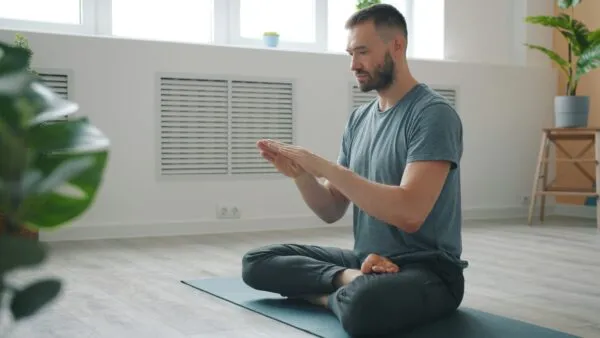
Being aware of our experiences & surroundings increases our awareness of the richness & beauty of life, which makes it simpler to recognize our blessings. We can do exercises like mindful walking or meditation to cultivate mindfulness & gratitude.
We can concentrate on our breathing during these times and give ourselves permission to become conscious of the sensations all around us, such as the sun's warmth, the sound of leaves rustling in the wind, or the nearby friends' laughter. We can consciously recognize what makes us happy and appreciative as we lose ourselves in these experiences. This dual practice strengthens our connection to the present moment while also enhancing our understanding of gratitude.
Developing a grateful mindset requires expressing gratitude to others. We uplift people around us and strengthen our own sense of gratitude when we take the time to recognize their contributions and kindness. Gratitude can be expressed in a variety of ways, such as through sincere letters, verbal praise, or small deeds of kindness. Every statement serves as a reminder of how interconnected our lives are and how crucial it is to acknowledge the efforts of others. Also, showing gratitude can spread like wildfire. When we express gratitude to someone, it frequently motivates them to return the favor, starting a positive feedback loop.
In addition to improving our relationships, this helps our communities develop a culture of thankfulness. By forming the habit of giving thanks on a regular basis, we foster an atmosphere where gratitude and kindness thrive, ultimately improving our well-being as a group. Gratitude has the amazing power to change our perspective from one of scarcity to abundance. Feelings of unhappiness and negativity can result from concentrating on our shortcomings or the problems in our lives.
On the other hand, we can develop a more positive perspective by deliberately focusing on the good things in our lives. This change in viewpoint can be life-changing, empowering us to face obstacles with fortitude and optimism. We can develop gratitude-focused daily affirmations to effectively utilize this power. Repeating statements like "I am grateful for the abundance in my life" or "I appreciate the love and support I receive" helps us maintain optimistic views about our situation and ourselves. These affirmations have the power to gradually change the way we think, fostering an attitude of gratitude that permeates every aspect of our lives.
Acknowledging that there is more than enough goodness in our lives to be grateful for is a key component of cultivating a sense of abundance. This way of thinking promotes generosity toward both ourselves and other people & helps us to see opportunities rather than constraints. When we consistently cultivate thankfulness, we start to recognize the richness in ordinary experiences, such as relishing a delectable meal or sharing a moment of laughter with friends. We can push ourselves to discover something fresh to be thankful for every day in order to strengthen this sense of abundance. This could entail taking the time to enjoy small pleasures that make us happy or investigating various facets of our lives that we may have previously ignored.
We strengthen the idea that life is full of blessings just waiting to be recognized by actively seeking out these times of thankfulness. We will inevitably face difficulties and barriers in life, which can put our fortitude and emotional fortitude to the test. Nonetheless, we can find comfort and strength in adversity if we embrace thankfulness during trying times.
Practicing gratitude helps us recognize lessons learned and instances of support from others that may have surfaced during difficult times, as opposed to letting bad experiences consume us. It can be beneficial to consider the things for which we are still thankful when faced with obstacles. This could include personal strengths that assist us in overcoming difficult circumstances or encouraging friends or family members who support us.
We build resilience & hope for better times ahead by concentrating on these positive aspects. To sum up, practicing gratitude is a life-changing activity that improves our lives in a variety of ways. It is not just a positive exercise. We lay the groundwork for resilience and emotional well-being by realizing its power and integrating it into our daily practices through journaling, mindfulness, and acts of gratitude toward others.
We open the door to deeper relationships and more fulfillment in life when we change our perspectives from scarcity to abundance and learn to face obstacles with thankfulness. One moment at a time, let's resolve to incorporate thankfulness into every aspect of our journey together.