
We get it. Life feels like a giant, noisy carnival sometimes, right? We’re all running around, juggling a million things, and our brains feel like they’re on overload. It’s like we’re starring in our own movie, but the soundtrack is just a constant blare of notifications, to-do lists, and the never-ending hum of the world. We’re supposed to be living these amazing stories, but sometimes it feels more like we’re stuck in a really, really loud waiting room.
But here’s the cool thing: we don’t have to just accept the chaos. We can actually learn how to turn down the volume, to find those quiet spots where we can actually breathe and think. It’s like finding a secret passage in our own lives, a way to get to the good stuff without all the background noise. We’re going to talk about how we can do this, how we can create more peace, even when the whole world seems determined to yell at us. This isn't some complicated, grown-up philosophy thing. This is about us, figuring out how to make our own story a little less… LOUD.
Let’s be honest, our brains are basically running a marathon 24/7. We’re thinking about what we need to do next, what we should have done yesterday, who’s texting us, and, oh yeah, what’s for dinner. It’s exhausting, right? And when our brains are this busy, it’s hard to truly feel peaceful. It’s like trying to enjoy a quiet picnic when there’s a rock concert happening right next door.
The Notification Tornado
Remember when phones were just phones? Now, they’re these tiny little noise machines that demand our attention every five seconds. Every buzz, every shimmer, every little ding pulls us away from whatever we were trying to focus on. It’s like a constant stream of "Look at me! Pay attention to me! Here's something urgent!" even when it’s just your cousin sharing a funny cat video. We get so used to this constant stream of alerts that our brains start to expect it, and when it’s quiet, it feels… weird. Almost too quiet.
How to Tame the Beep-Beep Beast
We can’t just throw our phones away (though sometimes, we really want to!). But we can be smarter about them.
- The Mute Button is Our Friend: This sounds super obvious, but how often do we actually use it? We can mute notifications from certain apps, or even set "do not disturb" times. Imagine a whole hour without the phone dinging! It’s like a mini-vacation for your brain.
- Batching Your Digital Life: Instead of checking your phone every time it buzzes, try setting aside specific times to look at emails, social media, or texts. Maybe it’s at lunch, or after dinner. This way, you’re in control, and your phone isn't controlling you.
- The "Notification Diet": Think about what notifications you really need. Do you need to know the second someone likes your photo? Probably not. Turn off the notifications that aren't actually helping you. It’s like decluttering your digital space.
The "What Ifs" and "Should Haves" Monster
Besides all the external noise, we also have this internal noise going on. It’s the stuff we worry about, the things we replay in our heads. "What if I fail this test?" "I should have studied more." "Did I sound weird when I said that?" This monster feeds on doubt and anxiety, and it can leave us feeling pretty bummed out.
Silence the Inner Critic
Our own thoughts can be the loudest, most annoying things. But we can learn to quiet them down too.
- Catch and Release Your Thoughts: When a worry pops into your head, acknowledge it. Like, "Hey, there's that worry about the test." Then, imagine gently letting that thought float away, like a balloon. Don't fight it, just observe it and then let it go.
- **Focus on What You Can Control:** Most of the time, the things we worry about are things we can't actually do anything about right now. So, instead of spinning in circles over "what ifs," focus on the small, actionable things you can do. Did you prepare for that test as much as you could? Then that’s enough for now.
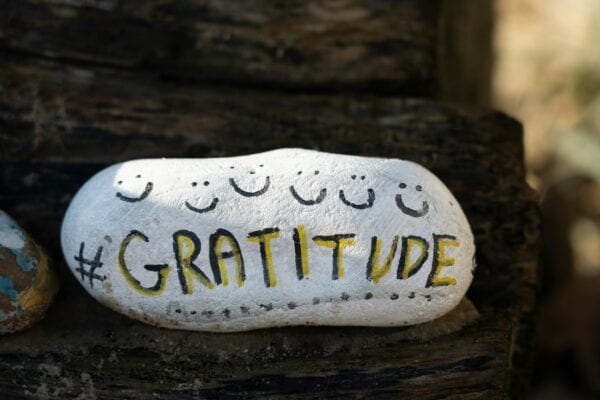
- Gratitude, the Peace Potion: It sounds cheesy, but thinking about what we're grateful for actually shifts our brain’s focus. Even in a crazy day, there are always little things to be thankful for, like a warm cup of cocoa or a funny joke a friend told. Listing them out, even just in our heads, can bring a surprising sense of calm.
Our To-Do Lists Are Like Climbing Mount Everest
We all have things we need to do. Schoolwork, chores, helping out around the house, maybe even training for that weird sport we decided to try. And sometimes, these lists can feel so overwhelmingly long, like we’re staring up at Mount Everest, and all we have is a toothbrush to climb it with. When our to-do lists get this big and scary, it’s easy to feel stressed, overwhelmed, and just… not peaceful.
The Never-Ending To-Do List Spiral
We tick off one thing, and it feels like two more pop up. It’s like a Hydra, but with errands. And the more we have on our plate, the more our brains get wired for action, for doing, for achieving. We forget that sometimes, simply being is pretty important too.
How to Make Your To-Do List Less Terrifying
We’re not going to tell you to just stop doing things. That's not realistic. But we can learn to manage our to-do lists so they don't manage us.
- Break it Down, Way Down: That giant assignment? It’s not one thing, it’s a bunch of smaller things. Research. Outline. Write the intro. Write paragraph 1. See? It suddenly looks a lot more doable. Like taking down Mount Everest one pebble at a time.
- The Power of "Done": It feels so good to cross something off a list, right? Make sure you celebrate those little victories. Even if it’s just a mental high-five. Seeing what you have accomplished can be a huge boost to your peace of mind.
- Prioritize Your Plate: Not everything on your list is equally important. We can learn to figure out what’s the most important thing to do right now. If your grandma needs help with her garden, and your homework isn't due for another week, maybe the garden comes first. It's about making smart choices.
- Saying "No" Gracefully: This is a superpower! Sometimes, we take on too much because we don't want to disappoint anyone. But overloading ourselves just makes us stressed, and that’s not good for anyone. Learning to say "no" to extra things when your plate is already full is a huge act of self-care and peace-building. Think of it as protecting your precious peace reserves.
When "Busy" Becomes the New "Normal"
We live in a world that often praises being busy. It’s like, "Oh, you’re so busy, you must be important!" But being constantly busy isn't the same as being productive or, more importantly, being peaceful. When we’re just hustling all the time, we don't leave room for anything else.
Reclaiming Your Downtime
We need downtime. It’s not a luxury, it’s a necessity. It’s like letting our phones recharge.
- Schedule Your Un-Scheduling: Just like you schedule meetings, schedule your downtime. Put it in your calendar! "Family board game time," "reading a book for fun," or even "staring blankly at the wall for 20 minutes." It’s intentional rest.
- Embrace the "Doing Nothing" Art: This is harder than it sounds! But truly doing nothing can be incredibly restorative. No phones, no books, no thoughts about what you should be doing. Just… being. It’s like giving your brain a spa day.
- Find Your "Flow" Activities: What are those things that make you lose track of time, in a good way? Maybe it’s drawing, playing a musical instrument, building with LEGOs, or even gardening. When we’re doing something we love, our brains naturally calm down.
The World Outside Our Window is Loud Too
It’s not just our internal world that’s noisy. The world itself can be a pretty loud, overwhelming place. Scrolling through the news can feel like staring into a giant, never-ending disaster movie. Social media can be a comparison trap, making us feel like we’re not enough. And sometimes, the sheer amount of stuff happening around us can just be… too much.
The Information Overload Avalanche
Every day, we’re bombarded with news, opinions, and information from every direction. It’s like trying to drink from a firehose. And a lot of it is negative. This constant intake of bad news can leave us feeling anxious and hopeless.
Navigating the Media Maze
We can’t escape the news entirely, but we can be smarter about how we consume it.
- Curate Your News Feed: Unfollow accounts that consistently make you feel bad or anxious. Seek out sources that are balanced and factual, rather than sensational. Think of it as choosing good ingredients for your informational diet.
- Set News Boundaries: Maybe you only check the news once a day, for a specific amount of time. Don't let it be the first thing you do in the morning or the last thing at night.
- Focus on Solutions, Not Just Problems: When you do engage with news, try to look for stories about people working on solutions, not just the problems themselves. It can be incredibly inspiring and shift your perspective.
The Comparison Game
Social media can be a highlight reel of everyone else's perfect lives, making us feel like our own lives are… not so great. We see the amazing vacations, the perfect outfits, the glowing achievements, and it’s easy to fall into the trap of thinking, "Why isn't my life like that?" This constant comparison is a major enemy of peace.
Winning the Comparison Game
We’re all unique, and our journeys are different. That’s a good thing!
- Remember the "Highlight Reel" Effect: What you see online is usually just the best bits. Nobody posts their messy kitchen or their bad hair days (unless it’s funny!). Everyone has struggles.
- Focus on Your Own Journey: Your story is your own. Stop looking at what everyone else is doing and focus on your own goals, your own progress, and your own unique path.
- Celebrate Your Own Wins, Big and Small: Did you finally learn that tricky math equation? That's a win! Did you manage to get out of bed and face the day? That's also a win! Acknowledge and celebrate your own achievements.
Creating Your Own Peaceful Sanctuary
We can’t always control the noise of the world, but we can create spaces, both in our homes and in our minds, where peace can flourish. It’s about intentionally building these havens of tranquility.
The Power of a Peaceful Space
Our physical environment has a huge impact on how we feel. A cluttered, chaotic space can make us feel cluttered and chaotic inside.
Designing Your personal Peace Zone
Even a small corner can be a sanctuary.
- Declutter, Declutter, Declutter: This is the first step. Get rid of things you don’t need or use. It’s amazing how much lighter you’ll feel. Think of it as clearing out the mental junk too.
- Add Calming Elements: What makes you feel relaxed? Is it plants? Soft blankets? Calming colors? Music? Add these things to your space. Create a little corner that feels like your own personal oasis.
- Minimize Distractions: When you’re in your peace zone, try to minimize things that pull you away. Put your phone on silent, close the curtains, whatever you need to do to create uninterrupted calm.
The Mind as a Peaceful Garden
Our minds can be like gardens. We can let weeds (worries, anxieties) take over, or we can intentionally plant flowers (peace, joy, gratitude). It takes effort, but the results are amazing.
Cultivating Inner Peace
Peace isn’t just something that happens to us; it's something we cultivate.
- Practice Mindfulness: This is simply paying attention to the present moment without judgment. It can be as simple as focusing on your breath for a few minutes, or really tasting your food when you eat. It’s about training your brain to be here, now.
- Deep Breathing Exercises: This is a super simple but incredibly effective way to calm your nervous system. When we’re stressed, our breathing becomes shallow. Taking deep, slow breaths sends a signal to our brains that it’s safe to relax. Try inhaling for a count of four, holding for four, and exhaling for a count of six. Repeat a few times.
- Positive Affirmations: These are short, positive statements that we repeat to ourselves, like "I am calm and peaceful," or "I have everything I need." They help to rewire our thinking patterns.
Living a More Peaceful Story
Creating peace isn't a one-time fix. It's a journey, a process of constantly making choices that lead us towards more calm and less chaos. It’s about learning to be the main character in our own story, a character who knows how to navigate the noise and find the quiet moments of joy.
Peace is a Practice, Not a Destination
We’re not aiming to be perfectly peaceful all the time. That’s not realistic. What we’re aiming for is to get better at finding peace when we need it, and to build a life where peace is a more regular visitor.
Small Steps Lead to Big Changes
Don't feel like you have to do everything all at once. Start with one small thing. Maybe it’s muting your notifications for an hour today. Or maybe it’s taking five minutes to just sit and breathe. Every little step you take towards creating peace is a win.
Our Story is Our Own
Ultimately, the story of our lives is ours to write. We can choose to be swept away by the noise and the busyness, or we can choose to steer our own ship, to create moments of calm, and to live a story that feels less like a frantic race and more like a beautiful, peaceful adventure. It takes practice, it takes intention, but it is absolutely, 100% possible for us to create more peace in our lives, even in this loud and busy world. Let’s do this, together.
FAQs
1. What are some practical ways to create more peace in a loud and busy world?
Some practical ways to create more peace in a loud and busy world include practicing mindfulness and meditation, setting boundaries with technology and social media, spending time in nature, and engaging in activities that promote relaxation and stress reduction.
2. How can mindfulness and meditation help in creating more peace in a loud and busy world?
Mindfulness and meditation can help create more peace in a loud and busy world by allowing individuals to cultivate a sense of inner calm and focus, reduce stress and anxiety, and develop a greater awareness of the present moment.
3. What role does setting boundaries with technology and social media play in creating more peace in a loud and busy world?
Setting boundaries with technology and social media can help create more peace in a loud and busy world by reducing the constant influx of information and notifications, allowing individuals to disconnect and recharge, and fostering more meaningful and present connections with others.
4. How does spending time in nature contribute to creating more peace in a loud and busy world?
Spending time in nature can contribute to creating more peace in a loud and busy world by providing a sense of tranquility and connection with the natural world, reducing stress and promoting relaxation, and offering a break from the constant stimulation of urban environments.
5. What are some activities that can promote relaxation and stress reduction in a loud and busy world?
Activities that can promote relaxation and stress reduction in a loud and busy world include yoga, tai chi, deep breathing exercises, listening to calming music, engaging in creative hobbies, and practicing self-care routines such as taking a warm bath or getting a massage.